Stop Funding Refunds.
Catch Product Risk Before It Reaches Your Customer.
Pre-shipment quality inspection executed inside our China warehouse — intercepting defects, batch inconsistencies, wrong variants, packaging errors, and basic function failures before they ever ship. You don't need a supplier who says "checked." You need a China-based execution team that leaves evidence, isolates problem units, and stands accountable for outcomes.

The Quality Fade Trap
Your sample was perfect. That's not the problem — it never is. The problem hits at scale, when factory incentives shift and your backend has no defense layer.
Perfect Sample, Winning Bid
Factory puts its best materials and workers on your sample. You approve, place the order. Everything looks under control.
Early Batches Barely Hold
First runs are acceptable — close enough to sample. Occasional complaints, nothing alarming. You scale ad spend.
Volume Up, Quality Out
Factory cuts corners to maintain margin at your scale. Batch drift, inconsistent materials, relaxed workmanship — refunds, disputes, and ad inefficiency all spike simultaneously.
The Cost of Shipping Blind
A single defective unit doesn't stay in operations. It radiates outward — hitting your refund rate, your review score, your ad performance, and your payment account health simultaneously.
Dispute Pressure
A defective unit doesn't just trigger a refund — it generates a chargeback dispute. High dispute rates put your Stripe or PayPal account under review, freeze payouts, and can terminate your payment processing without warning.
Ad Efficiency Damage
Poor product experience drives negative reviews and low repeat rates. Lower CVR means your ad system stops favouring your campaigns. You pay more per acquisition — not because your creative got worse, but because your product trust collapsed.
Brand Trust Collapse
Wrong variants, factory labels inside packaging, and quality inconsistency signal to customers that there's no real brand behind the order. Once that perception forms, no amount of ad spend recovers it — loyalty and LTV evaporate.
A bad unit does not stay in operations. It spreads into refunds, reviews, support cost, and payout pressure — all at once.
Marketplace Inspection Is Not
the Same as Accountable QC
When no one physically handles your inventory before dispatch, "quality checked" is a checkbox — not a result. The difference between virtual and physical QC is the difference between a note on a ticket and a decision that protects your order.
- Inspects spreadsheets, not physical units
- Virtual inventory — no hands-on visibility
- Ticket-based communication with no urgency
- When problems surface, supplier deflects accountability
- No stable audit trail — nothing to reference on disputes
- Physical stock in our China warehouse — visible, touchable, inspectable
- Random batch sampling + defective unit quarantine on discovery
- Video and photo documentation filed for every key inspection
- Dedicated team owns the outcome — no robot, no ticket queue
- QC and fulfillment are directly integrated — release and pack in sequence
Most QC Catches What Is Visible.
Real QC Catches What Becomes Expensive Later.
Scratches and broken boxes are the easy ones — they get caught by anyone. The defects that actually destroy your refund rate are the ones that pass visual inspection and show up only after the customer opens the package.
Above the Surface — Anyone Catches These
Scratches, dented boxes, and obvious colour errors are caught by any visual pass. They matter, but they're rarely the ones that drive your refund curve up.
- Scratches & surface scuffs
- Packaging damage / crushed boxes
- Obvious colour / print mismatch
Below the Surface — These Are the Expensive Ones
These defects survive visual inspection and only surface after the customer unpacks the order. By then, you're paying the refund, the dispute fee, and the review hit — all at once.
- Missing accessories or components
- Size tolerance deviation (fashion, apparel)
- Function instability on use (electronics)
- Incorrect label or barcode
- Batch-to-batch feel & finish inconsistency
- Wrong variant or wrong SKU dispatched
Forensic QC addresses both layers — but it's the below-surface defects that make the real difference to your P&L and dispute rate.
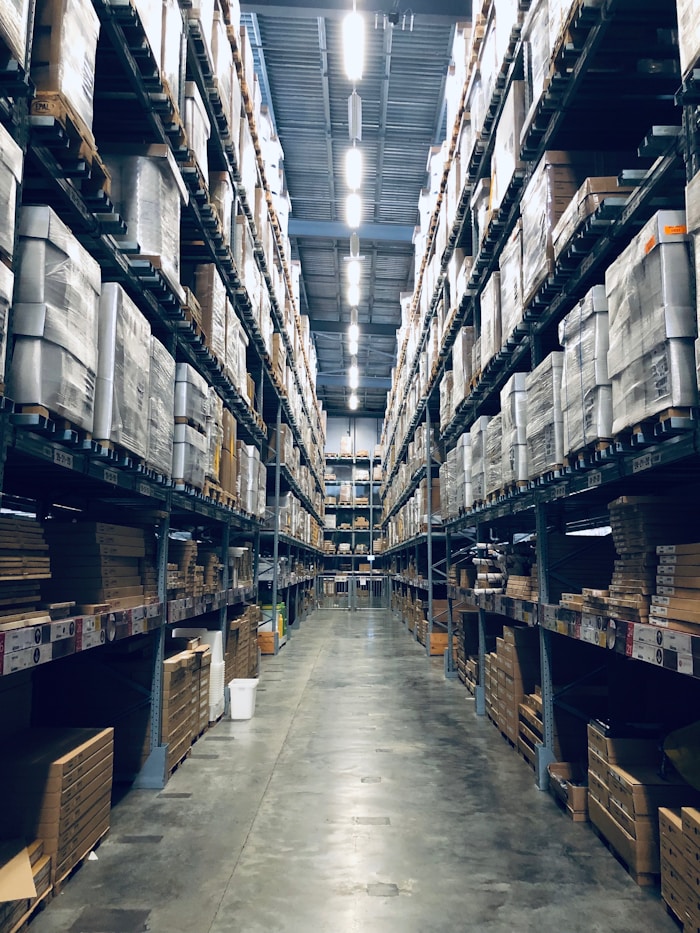
Step 1 — Inbound Packaging & Tamper Check
Most teams put goods straight onto the shelf the moment they arrive. We don't. The first gate isn't the packing table — it's the receiving dock. Before a single unit enters active stock, every inbound batch goes through a structured packaging integrity check designed to catch damage, tampering, and handling risk that a supplier's warehouse would never flag on your behalf.
Batches that raise concern at this stage are quarantined immediately — they don't proceed to SKU check or function testing until the risk is assessed and documented. This keeps a compromised batch from contaminating your fulfilment queue and protects you from shipping problems you didn't even know arrived.
Step 2 — Function Testing & Spec Verification
The defects that generate the highest refund cost are rarely visible on the surface — they appear the first time a customer actually uses the product. Category-matched function testing intercepts these failures in our warehouse, not in your customer's hands. Different product types demand different check protocols — which is why we verify against the specific attributes that drive returns in each category.
Electronics & Tech
Power-on verification, charging path, button response, and basic functional loop — all run before any unit reaches the packing station.
- Power-on test — unit must boot correctly
- Charging port function & cable fit
- Button, switch & interface response
- Display / screen quality check
- Basic function cycle — primary use case verified
- Accessories & bundled component check

Fashion & Apparel
Size tolerance deviation and stitching inconsistency are the two leading causes of returns in apparel. We measure and inspect against your spec — not factory self-reporting.
- Size tolerance measurement (chest, waist, length)
- Stitch quality & seam integrity check
- Stain, snag & surface defect scan
- Workmanship consistency across batch
- Colour / shade batch-to-batch consistency
- Label, tag, and size marking verification
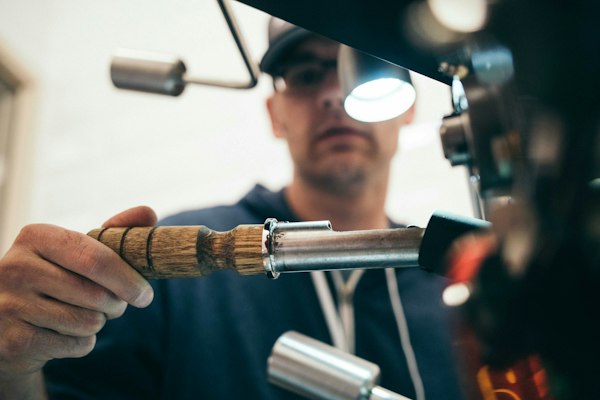
Accessories & Home
Wrong accessory counts and variant mismatches are invisible until the customer opens the box. We match every unit against its order SKU before it moves to packing.
- Accessory & component count verification
- Surface appearance consistency across batch
- Packaging match to product spec
- Colour variant & SKU match confirmation
- Assembly & joint integrity for multi-part items
- Barcode / label scan & order info match

Step 3 — Pre-Dispatch Visual Proof
QC without documentation is a claim without evidence. When disputes arise, the question is never "did you check?" — it's "can you prove what condition the product left in?" Pre-dispatch visual documentation creates an unambiguous record that sits between your QC pass decision and the carrier scan, so you always have something concrete to reference.
For high-value orders, high-ticket products, or batches flagged for additional scrutiny, we can arrange targeted photo and video documentation — capturing product condition, key angles, label match, and packing reference before the unit ships. This is not cosmetic; it is operational evidence that resolves disputes faster and strengthens your position with payment processors and platform review systems.

Before vs. After: Unchecked Platform Order vs. Private Agent QC
The difference isn't visible in the listing. It shows up in your dispute rate, your review score, and your payout stability three weeks after you scale. Drag the slider to compare what leaves your warehouse with and without a QC gate.


Defective Units Should Be Quarantined
Before They Reach the Packing Table
Finding a defect is only half the job. What happens next — and how fast — determines whether that unit gets dispatched by mistake or gets handled correctly. Our quarantine protocol ensures that no flagged unit makes it to packing without a documented resolution decision.

Batch release suspended pending supplier confirmation or additional sample testing. No units ship while hold is active.
Secondary inspection run on the full batch to determine whether the defect is isolated or systematic across the lot.
Defective units are replaced from good stock or returned to supplier source. Client is notified with a clear record of what was affected.
Case: TechFlow — Function Testing Before Dispatch
A consumer electronics seller scaling aggressively on Shopify — strong creative, solid traffic, but a growing dispute rate driven by charging failures and dead-on-arrival units nobody caught before the order left the warehouse.

TechFlow was receiving batches directly from their supplier and forwarding to fulfilment without a function check gate. Charging failures, non-responsive buttons, and DOA units were slipping through — customers only discovered the defects post-delivery. Dispute filings rose as order volume scaled, and their payment processor flagged elevated chargeback activity.
- Mandatory power-on test applied to every inbound unit of this SKU
- Charging port and button response cycle verified before release
- Failed units quarantined and batch origin flagged to supplier
- Pre-dispatch photo documentation introduced for high-ticket units
With a function check gate in place, defective units stopped reaching customers. Dispute filings dropped substantially as the source of claims was eliminated at origin. Payment processor pressure eased, and TechFlow was able to continue scaling ad spend without backend risk blocking growth.
Case: LuxeApparel — Size Tolerance & Workmanship Check
A fashion brand running paid social to a Shopify storefront — strong ROAS on creative, but size-related returns and stitching complaints were quietly eroding margins and review scores batch after batch.
LuxeApparel's supplier was self-reporting measurements that drifted 2–3 cm across batches — enough for customers to receive items that matched the listing photo but not the size they ordered. Stitching inconsistencies also varied by production run. Customer service volume was high, and size-related disputes were accumulating across their review channels.
- Size tolerance check applied to every sampled unit — chest, length, waist measured against approved spec
- Stitching quality and seam integrity reviewed across multiple points per garment
- Batch-to-batch colour and finish consistency documented by run
- Out-of-tolerance units held and supplier notified with measurement records
Size-related returns dropped materially once out-of-tolerance units stopped shipping. Workmanship complaints declined as stitching review caught inconsistencies at source. Customer service ticket volume fell, and review scores recovered as the product quality customers received matched what they expected from the listing.

Who This QC System Is Built For
This is not a universal service for every seller. It is designed for a specific operator profile — one where quality consistency is a direct driver of business outcomes. If that matches where you are, the fit is strong.
Strong Fit — You Should Be Here
Probably Not the Right Fit
What This QC Page Covers —
And What It Does Not Pretend to Be
Professional QC is defined as much by what it clearly excludes as by what it delivers. Understanding the boundaries prevents misaligned expectations and helps you assess whether this is the right operational layer for your current situation.
- Appearance & surface condition check
- Random batch sampling inspection
- Function verification by category
- Sizing, stitching & accessories check
- Packaging & tamper integrity review
- Pre-dispatch visual documentation
- Defect quarantine before release
- QC-to-fulfilment direct integration
- Laboratory testing or regulatory certification
- Full factory production audit
- Platform policy or risk score guarantee
- Logistics transit time or carrier SLA
- Zero-defect or zero-risk contractual warranty
Don't Let a Weak Back End Burn Your Ad Spend
What you need is not a cheaper supplier. You need a China-based execution team that physically handles your inventory, catches defects before they ship, and takes accountability for outcomes — not a platform that routes orders and calls it fulfilment.
RuntoDropship operates as your private back-end partner in China: physical warehouse, real inspection gate, documented decisions, and direct integration between QC and dispatch. When you scale your ads, the backend scales with you — without quality drift eroding what you built.