
Apparel Order Fulfillment – RuntoDropship
Apparel Fulfillment · China-Based Operations

Apparel Order Fulfillment for Fast-Moving DTC Brands

Control variant complexity, returns pressure, and brand presentation — all from China. Built for brands where size, color, and style aren't optional details, they're the entire product.

  • Size / Color / Style variant accuracy at scale
  • Branded unboxing & presentation standards
  • Returns processing that protects your margins
  • On-time dispatch even through flash sales & drops
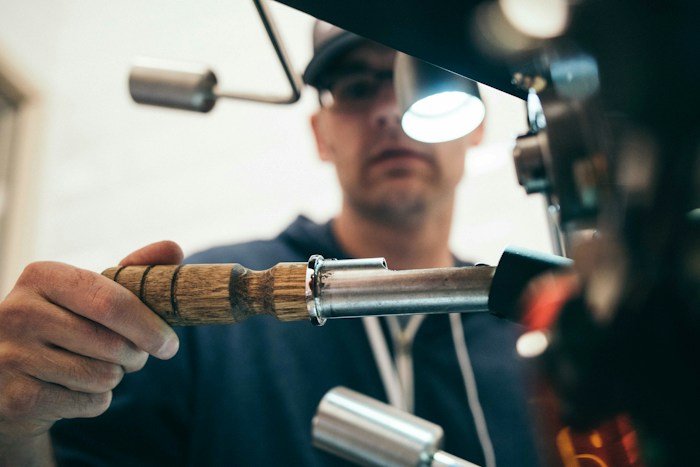
Apparel fulfillment quality check and folding packaging process
99.3%
Variant Accuracy Rate

The Fulfillment Trap

Why Apparel Sellers Get Burned by Standard Fulfillment

Most fulfillment operations are built for simple SKUs. Apparel is not simple — and when the cracks show, it's your customers and your margins that take the hit.

Too Many Variants, Too Many Mistakes

One style in 5 sizes x 8 colors = 40 SKUs. Without variant-level scanning at pick, wrong-size errors are inevitable — and every one triggers a return, a complaint, or both.

Trend Cycles Move Faster Than Your Inventory

A viral TikTok can empty a colorway overnight. Slow warehouse feedback loops mean you are still receiving the wrong size run when demand has already shifted to the next drop.

Returns Pile Up, Margins Disappear

Apparel return rates routinely hit 20–30%. Without a structured re-inspection and re-shelf flow, returned stock sits in limbo — dead inventory eating your cash and your reorder budget.

Cheap Packaging Destroys Brand Perception

A wrinkled shirt in a generic poly mailer is a silent brand killer. The product can be perfect — but if it arrives looking like an afterthought, customers screenshot it and post it. You do not get a second first impression.

Warehouse Cannot Keep Up with Flash Sales

A flash drop generates 500 orders in 2 hours. Warehouses not staffed for surge response miss dispatch windows — then the late delivery complaints roll in before the campaign ROI even settles.

Multi-Channel Inventory Goes Out of Sync

Selling on Shopify, TikTok Shop, and Amazon simultaneously without real-time stock sync means overselling your last 3 units of size M across all channels — and fielding three cancellation complaints at once.

Sound familiar? These are not edge cases — they are the standard experience with non-specialist fulfillment.

See How We Solve This →

Industry Education

Why Apparel Fulfillment Is a Different Discipline Entirely

1 Style = Exponential Complexity
1 Apparel Style
5 Sizes
XS · S · M · L · XL
6 Colors
Black · White · Navy +3
3 Batches
Jan · Apr · Jul restock
= 90 Unique SKU Lines to Track, Pick & Verify
A single scanning miss at pick triggers a chain of downstream costs that far exceeds the item's profit margin.

A Fulfillment Error in Apparel Is Not Just "Slow" — It's Multi-Dimensional

In most product categories, a fulfillment error means a delayed package. In apparel, an error means wrong size, wrong color, wrong style, or wrinkled presentation on arrival — each one triggers a different customer pain point and a different recovery cost.

Wrong variant = automatic return. A size S customer receiving size L cannot use the product. Unlike most categories, there is no "good enough" — it either fits or it does not.
Poor folding = damaged perceived value. A creased, loosely packed garment signals the buyer they bought something cheap — regardless of the actual product quality or price point.
Slow returns recovery = markdown loss. Every day a returned garment is not inspected, refolded, and relisted is a day it sits as dead stock. In seasonal apparel, that window is short.
Generic QC misses apparel-specific defects. Loose threads, label mismatches, and storage stains are invisible to dimensional QC. Apparel needs a garment-trained inspection SOP.

The Cost of Getting It Wrong

One Wrong Pick. A Cascade of Downstream Damage.

In apparel fulfillment, errors do not stay contained. Each mistake triggers a sequence of costs your ad spend, customer service team, and repeat purchase rate all absorb.

Primary Risk Chain: Variant Picking Error

01
Wrong Variant Picked
Size, color, or style mismatch at the pick station
02
Customer Disappointment
Unboxing reveals the error — frustration is immediate
03
Return / Exchange Ticket
CS ticket opened, return label issued, stock locked in transit
04
Margin Erosion
Double shipping + CS cost + inventory hold wipes the profit
05
Brand Trust Damage
Review posted. Repeat purchase rate drops. LTV shrinks.

Secondary Risk Chain: Packaging Failure

01
Poor Packaging / Wrinkled Presentation
02
Lower Perceived Value
03
More Complaints / Less Repeat Purchase

Our Apparel Fulfillment Capability

Five Systems Built Specifically for Apparel Order Control

Standard fulfillment handles boxes. We handle garments — with the variant precision, inspection depth, and brand presentation discipline that apparel DTC brands actually need.

01

Variant-Level Inventory Control

Every size, color, and style is slotted, scanned, and tracked as a discrete SKU. Your inventory is visible at variant grain — not just style level — so pick accuracy is enforced by system, not by memory.

Eliminates wrong-size / wrong-color dispatch errors at source
02

Pre-Shipment QC for Apparel

Every garment is inspected against an apparel-specific checklist before it leaves our facility. Loose threads, stitching defects, label mismatches, and stains are flagged and quarantined — not shipped and returned.

Catches defects before they reach your customers or trigger disputes
03

Folding / Bagging / Labeling Standards

Each garment is folded to a defined SOP — flat lay, roll, or hang — then bagged and labeled per your brand's specification. No improvised packing. Every order looks identical on arrival.

Consistent presentation that reinforces brand value at unboxing
04

Brand-Safe Packaging & Inserts

We support branded mailers, custom tissue paper, thank-you card inserts, and supplier-blind packaging. All upstream identifiers are removed. Your customer's experience is your brand — not ours, not the factory's.

Protects brand identity and enables premium unboxing at scale
05

Returns Inspection & Rework Flow

Returned apparel is received, inspected, graded, and either re-bagged for resale or quarantined for disposal. We close the loop fast — resellable stock returns to available inventory within days, not weeks.

Converts high return rates from a margin drain into a recoverable asset

Core Execution Process

From Inbound to Carrier Handover — How Every Apparel Order Gets Processed Correctly

Speed alone does not prevent errors. The only thing that does is a documented, repeatable SOP at every stage — from the moment your inventory arrives to the moment the carrier scans it out.
01
Apparel inbound receiving by style size color
Step 01 · Inbound

Receiving by Style / Size / Color

Every inbound shipment is received against your purchase order at the variant level — not just carton count. Each size and color is counted, logged, and immediately reconciled against your expected inventory. Discrepancies are flagged before product enters the pick floor.

Variant-level count verification PO reconciliation on receipt Discrepancy alert workflow
02
Apparel warehouse inventory slotting and sync
Step 02 · Slotting

Variant Slotting & Inventory Sync

Each variant is assigned a dedicated slot location by style, size, and color. Slot assignments are fed into your inventory system in real time — so your Shopify, TikTok Shop, or WooCommerce store reflects live stock levels before the next order comes in.

Dedicated slot per variant Real-time inventory sync Multi-platform stock visibility
03
Apparel QC inspection stitching stains labels
Step 03 · Quality Control

QC Check: Stitching / Stains / Loose Threads / Wrong Label

Every garment is inspected against an apparel-specific defect checklist before it enters the fulfillable pool. We do not just check quantity — we check condition, labeling accuracy, and presentation readiness. Defective units are quarantined and reported, never shipped.

Apparel defect checklist Label accuracy verification Defect quarantine & reporting
04
Apparel folding bagging insert packaging SOP
Step 04 · Pack & Present

Folding / Bagging / Insert / Packing by SOP

Each garment is folded to your specified method — flat lay, roll fold, or display fold — then bagged, labeled, and packed with any inserts per your brand SOP. No worker improvisation. The same fold, the same bag orientation, the same insert placement — every single order.

Brand-defined fold SOP Insert & tissue placement Supplier-blind outer packaging
05
Carrier handover tracking sync dispatch
Step 05 · Dispatch

Carrier Handover & Tracking Sync

Orders are handed to the carrier with a confirmed scan, and tracking numbers are automatically pushed back to your store platform. Your customer receives a tracking notification before they even think to ask. On-time handover rates are monitored daily — not just promised.

Confirmed carrier scan at handover Auto tracking push to store OTDR monitoring & reporting

Pre-Shipment Quality Control

What We Intercept Before Your Apparel Order Ships

Generic QC checks quantity and dimensions. Apparel QC checks everything a customer sees, feels, and judges the moment they open the package. These are the six defect categories we actively screen for — and stop.

Apparel quality control inspection process China warehouse
100%
Units Inspected
< 0.8%
Defect Slip Rate
Every defect caught here is a return, a dispute, and a 1-star review that never happens. QC at origin costs a fraction of what it costs after delivery.
Loose Threads
Exposed thread ends at seams, hems, or buttonholes that signal poor production quality and degrade first impressions at unboxing.
Stitching Defects
Skipped stitches, uneven stitch lines, or broken seam runs that can cause structural failure during the first wash or wear cycle.
Wrong Size / Color Label
Mislabeled garments are the single highest driver of avoidable returns. We verify the physical size against the sewn-in label and outer barcode before every dispatch.
Stains & Marks
Storage oil, ink transfer, dust accumulation, and handling marks are inspected under consistent lighting. Any staining that cannot be cleaned is flagged for quarantine.
Fabric Damage
Snags, pulls, pilling, holes, or abrasion damage from transit and storage are caught at the garment level — not discovered by your customer when they unfold the item.
Accessory Omission
Missing hang tags, spare button packets, drawstring cords, inner linings, or belt components. Each item ships with its complete accessory set or it does not ship at all.

Brand Experience & Unboxing

Apparel Is Not Just Delivered — It Has to Look Worth It

DTC apparel customers make their repeat purchase decision at the moment they open the package — not when they place the order. What they see in that first five seconds either builds your brand or quietly undermines it.

Without RuntoDropship
Generic poly mailer apparel packaging no branding
Generic poly mailer with no branding
Garment crumpled or loosely folded in transit
No insert card, no thank-you note, no tissue
Factory address or Chinese labels visible on package
Customer perceives brand as low-quality regardless of product
VS
With RuntoDropship
Branded apparel packaging folded garment thank you card insert
Branded mailer or custom box per your specification
Garment folded to brand SOP, clean-bagged and presentation-ready
Thank-you card, tissue paper, insert placed per your template
All supplier markings removed — fully blind, brand-first fulfillment
Unboxing builds trust, drives repeat purchase & organic UGC

Low MOQ on branded packaging. We work with China-based suppliers for branded mailers, tissue, and insert cards at volumes as low as 500 units — meaning even early-stage DTC brands can afford to present like an established label.

Returns Management

High Return Rates Are Structural in Apparel. How You Handle Them Is Not.

Apparel returns are not a customer service problem — they are a fulfillment operations problem. Without a structured returns loop, every return becomes a permanent margin loss. With one, it becomes a recovery.

Without a Returns Flow
Returns ship back to China at full cost

International return freight often exceeds the item's wholesale value, making the unit an immediate write-off before it even arrives back at the warehouse.

No inspection = no recovery

Without grading returned items, sellable units sit mixed with damaged ones. You lose track of what's resellable and write off inventory that was actually recoverable.

Slow restock = inventory drain

Items that take weeks to return, inspect, and relist are effectively dead stock during their high-demand window — especially for seasonal or trending apparel.

Markdown spiral begins

Unreturned, un-inspected inventory builds up until you either clear it at a loss or dispose of it. Both outcomes directly reduce your effective margin per unit.

Our Returns Processing Flow
01
Local Return Intake
Returns are received at our China warehouse with a logged intake timestamp. Local processing eliminates international return freight — the single biggest cost driver in apparel returns.
02
Inspection & Grading
Each returned item is inspected against the same defect checklist used at QC. Items are graded: Resellable / Needs Rework / Damaged Beyond Resale. Grade is logged in your inventory system.
03
Re-fold / Re-bag / Relabel
Resellable items are re-folded to brand SOP, re-bagged in a clean polybag, and relabeled for return to sellable stock. Rework items — minor stains, loose threads — are remediated if cost-effective.
04
Restock if Resellable
Items that pass re-inspection are slotted back into available inventory and synced to your store in real time. Recovered units are ready to ship again — typically within 3–5 business days of return receipt.
05
Quarantine / Dispose if Not Resellable
Items graded as unsellable are quarantined and reported to you with photos before any disposal action. You retain visibility and decision-making authority on every unit — nothing is written off without your sign-off.
3–5
Days to Restock
Resellable Returns
60–70%
Typical Recovery Rate
of Returned Apparel
0
Units Disposed Without
Your Approval

Frequently Asked Questions

Last Questions Before You Decide

Answers to what apparel DTC sellers ask us most before getting started.

Yes — variant-level inventory control is the foundation of how we operate for apparel. Each size, color, and style is assigned a dedicated slot location and tracked as a discrete SKU. Pick operations use barcode scanning at the variant level, not just the style level. We currently handle brands with 50+ active SKU variants without pick error escalation.
Yes. We support custom-branded mailers, tissue paper, insert cards, and thank-you notes. We work with China-based packaging suppliers to keep your MOQ low — typically 500–1,000 units for basic branded poly mailers. All upstream supplier information is stripped from every package. Your customer receives a fully brand-consistent unboxing experience.
Three layers: (1) Dedicated variant slotting — each size/color gets its own physical location with no mixing. (2) Barcode scan verification at pick — the system flags mismatches before the item reaches the packing station. (3) Pre-ship QC — a second check that confirms the picked variant matches the order label. Together, these reduce variant pick errors to under 0.5% across apparel SKUs.
Yes. We integrate with Shopify, TikTok Shop, WooCommerce, and other major platforms via API or middleware connectors. Inventory levels update in real time as orders are picked, dispatched, and returned. If you sell across multiple channels simultaneously, we can push unified stock levels to prevent overselling across platforms.
Returns are received at our China warehouse — no international return freight cost for your customers. Each item is inspected, graded, and either re-folded, re-bagged, and relisted within 3–5 days, or quarantined with a photo report for your decision on disposal. Typically 60–70% of returned apparel is recoverable to resellable condition under our rework process.
Yes. We build surge capacity planning into every apparel fulfillment arrangement. For known events — seasonal launches, flash sales, TikTok drop campaigns — we coordinate staffing, packaging pre-staging, and carrier capacity in advance. We do not treat spikes as surprises; we treat them as scheduled operations. Provide lead time of 5–7 business days and we can scale throughput to match your expected volume.

Ready to Take Apparel Fulfillment Off Your Risk List?

Get a direct assessment of your current fulfillment setup — variant complexity, packaging requirements, returns volume — and a clear picture of what our China operations team can take off your plate.

No commitment required Response within 24 hours English-speaking operations team