
From AliExpress to a Private Agent: How a Growing Store Rebuilt Private Agent Workflow Control Without Breaking Ongoing Orders
This case shows how a scaling store moved away from fragmented AliExpress sourcing, inconsistent dispatch, and generic buyer experience into a controlled China private dropshipping agent workflow built around sourcing ownership, QC interception, and stable shipping execution.
The Store Had Outgrown Marketplace-Level Fulfillment
By the time this store reached out, it wasn't struggling to sell it was struggling to deliver on what it sold. The fulfillment model that helped it start was now costing it buyers.
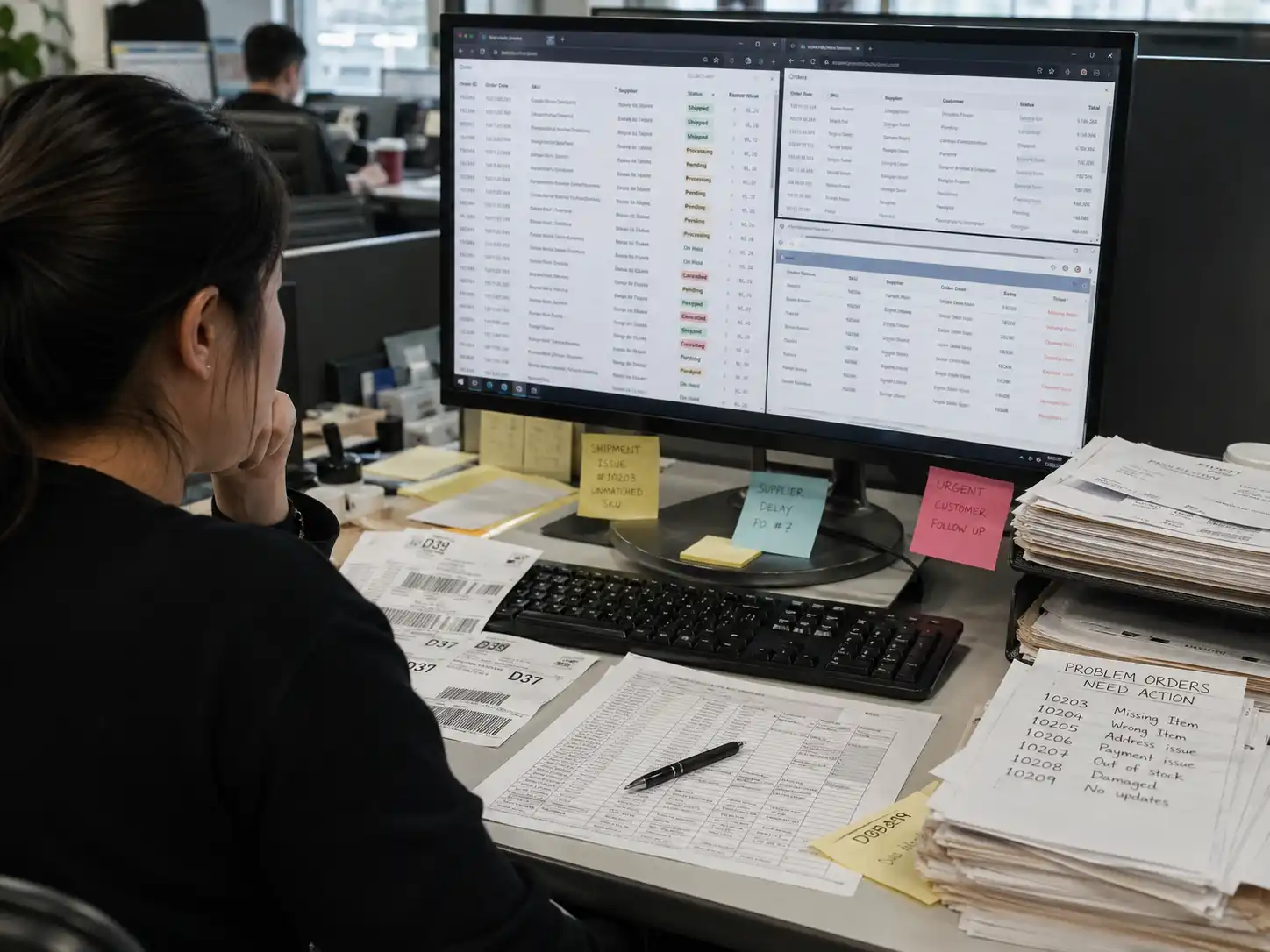
Why Staying on AliExpress Had Stopped Being "Convenient" and Started Becoming Expensive
AliExpress helped this store test products early. But once order flow became consistent, the weaknesses of a seller-by-seller model started showing up as operational risk.
Too Many Sellers, No Single Owner
Each SKU came with a different seller, different response speed, and different dispatch discipline. When something went wrong, nobody owned the full order experience.
Buyer Expectations Were Rising Faster Than Fulfillment Quality
As volume became more stable, late packages, wrong items, and packaging inconsistency became harder to absorb without brand damage.
Support Work Was Replacing Growth Work
Instead of spending time on product expansion and marketing, the store owner was spending more time chasing sellers, explaining delays, and handling avoidable complaints.
The tipping point was not "AliExpress stopped working." It was that the store had outgrown a fragmented model and needed a controlled one.
What the Store Was Losing Before Any Formal Supplier Invoice Reflected It
This is where the case stopped being about sourcing price and became about operational control.
What We Changed First — and What We Deliberately Did Not Change Yet
This store was not moved off AliExpress in one risky cutover. The transition was structured in stages so active orders could keep flowing while sourcing ownership, QC control, and dispatch discipline were rebuilt around a more stable operating model.
We Started With the SKUs Creating the Most Operational Friction
The first products reviewed were not simply the best sellers. They were the SKUs causing the most supplier chasing, inconsistent delivery expectations, packaging exposure, or preventable complaint risk. That gave the transition a practical starting point instead of a theoretical one.
A Smaller Controlled Batch Was Used to Test the New Workflow
Before more meaningful volume was moved, a smaller batch was run through the new process to check sourcing responsiveness, product consistency, packaging condition, and how exceptions were handled when something was slightly off. The goal was not to "hope it works" but to see how the workflow behaved under real order conditions.
QC, Packaging, and Dispatch Rules Were Locked Before More Orders Were Routed In
Once the first batch showed where control needed tightening, inspection checkpoints, packaging expectations, and dispatch handling rules were aligned before additional live orders entered the new workflow. That is what turned the switch from a supplier replacement into a controlled operational handover.
Not Every SKU Was Moved at Once — and That Was Intentional
Higher-risk or more operationally sensitive SKUs moved first. Lower-risk tail products stayed under observation until the new workflow proved stable enough to absorb more catalog volume. The objective was not speed for its own sake. It was reducing risk while rebuilding control.
What We Actually Took Over After the Store Moved Beyond AliExpress
The transition was not just about replacing sellers. In this case, we gradually took over six parts of the order journey that had previously been fragmented across multiple AliExpress suppliers. That shift is what turned a reactive fulfillment setup into a more controlled operating workflow.
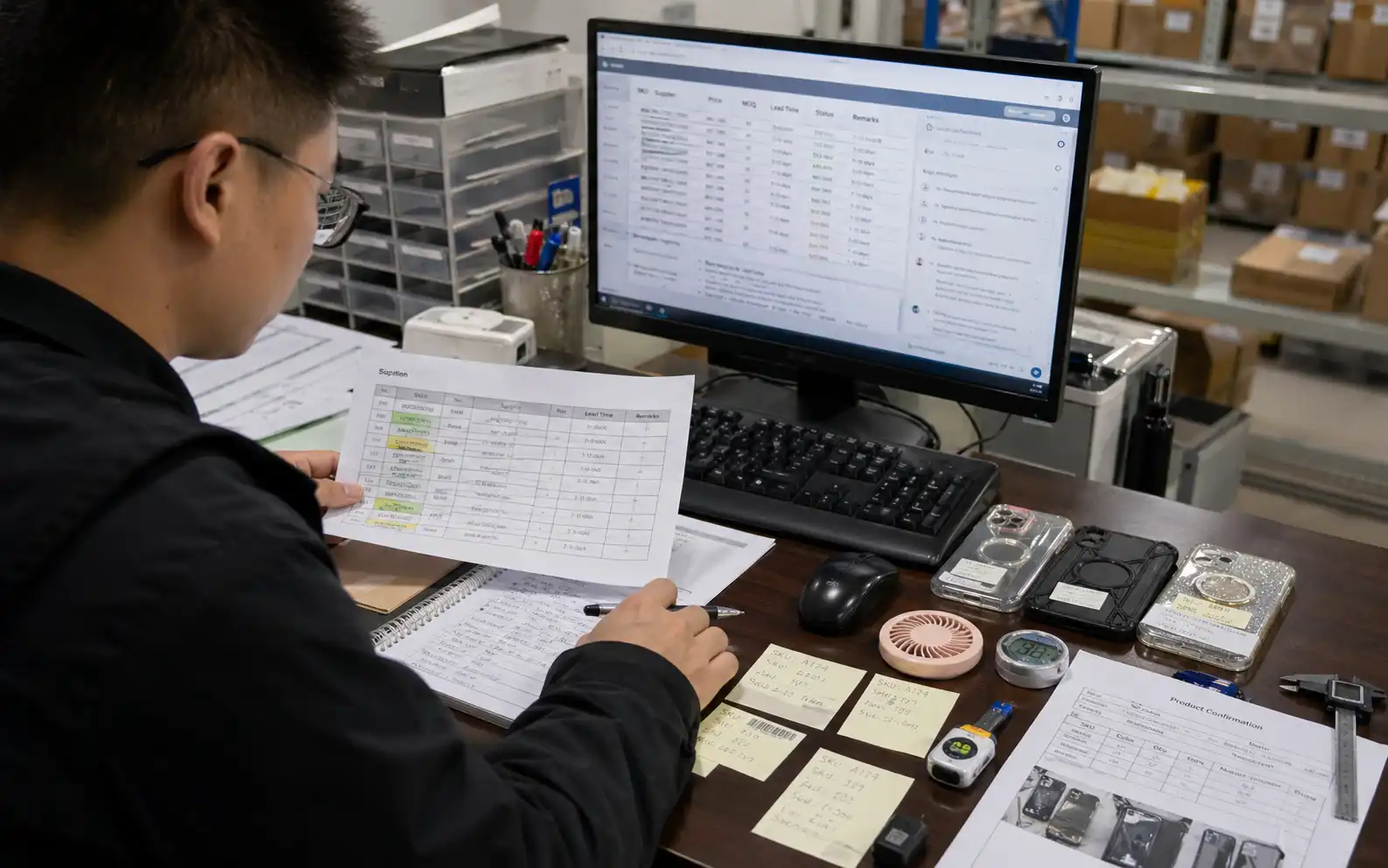
We Took Over Supplier Coordination
Before the transition, the store was relying on multiple AliExpress sellers for overlapping products, which made stock confirmation, variant matching, and issue follow-up slow and inconsistent. After the move, the sourcing side became more centralized, so the client no longer had to chase different sellers to keep orders moving.
Explore Sourcing Control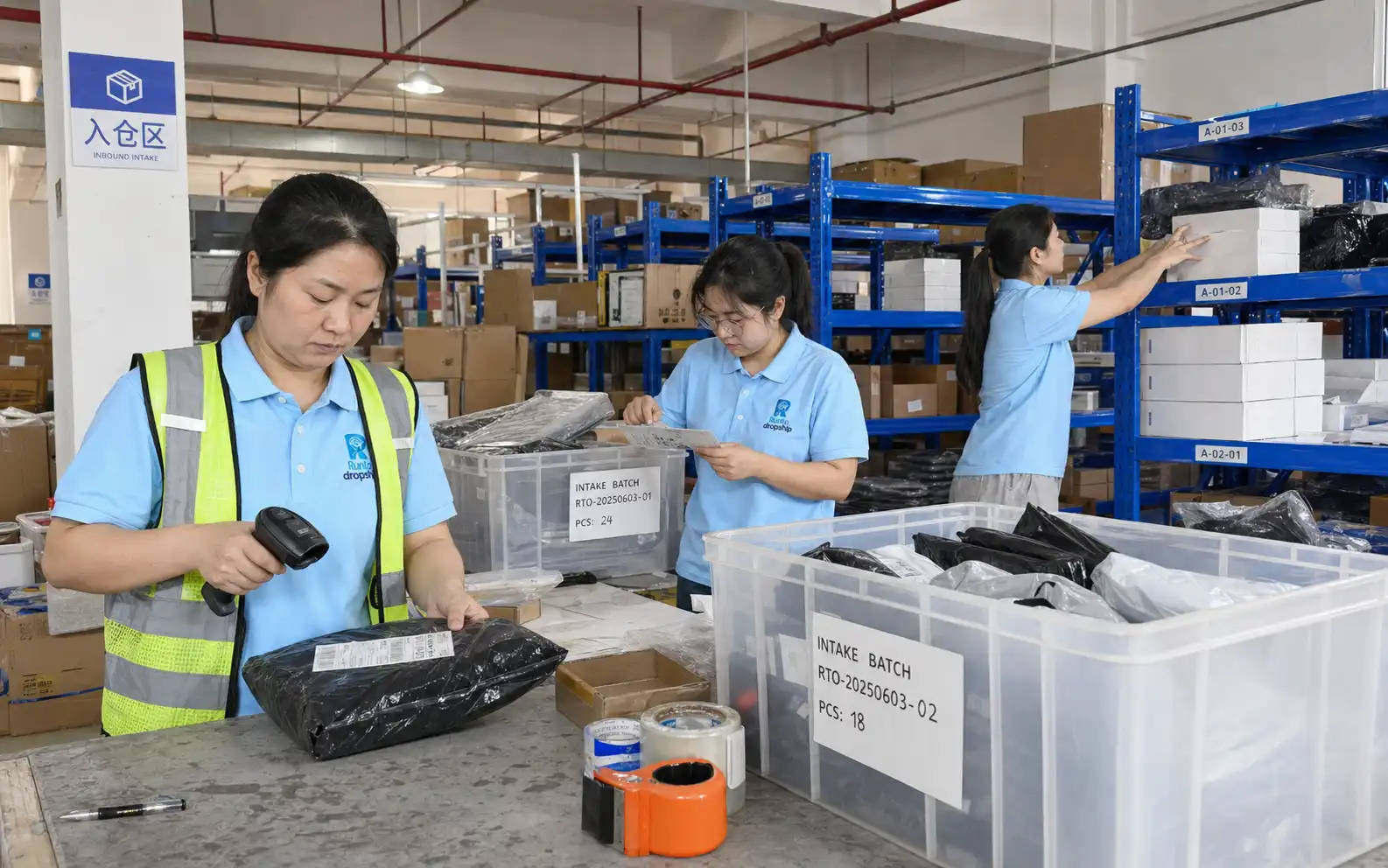
We Added a Warehouse Checkpoint Before Dispatch
Under the old model, products were often moving directly from scattered sellers toward the end customer. In the new workflow, migrated SKUs first entered a controlled warehouse process, which created physical visibility before release and made order handling less dependent on seller-level habits.
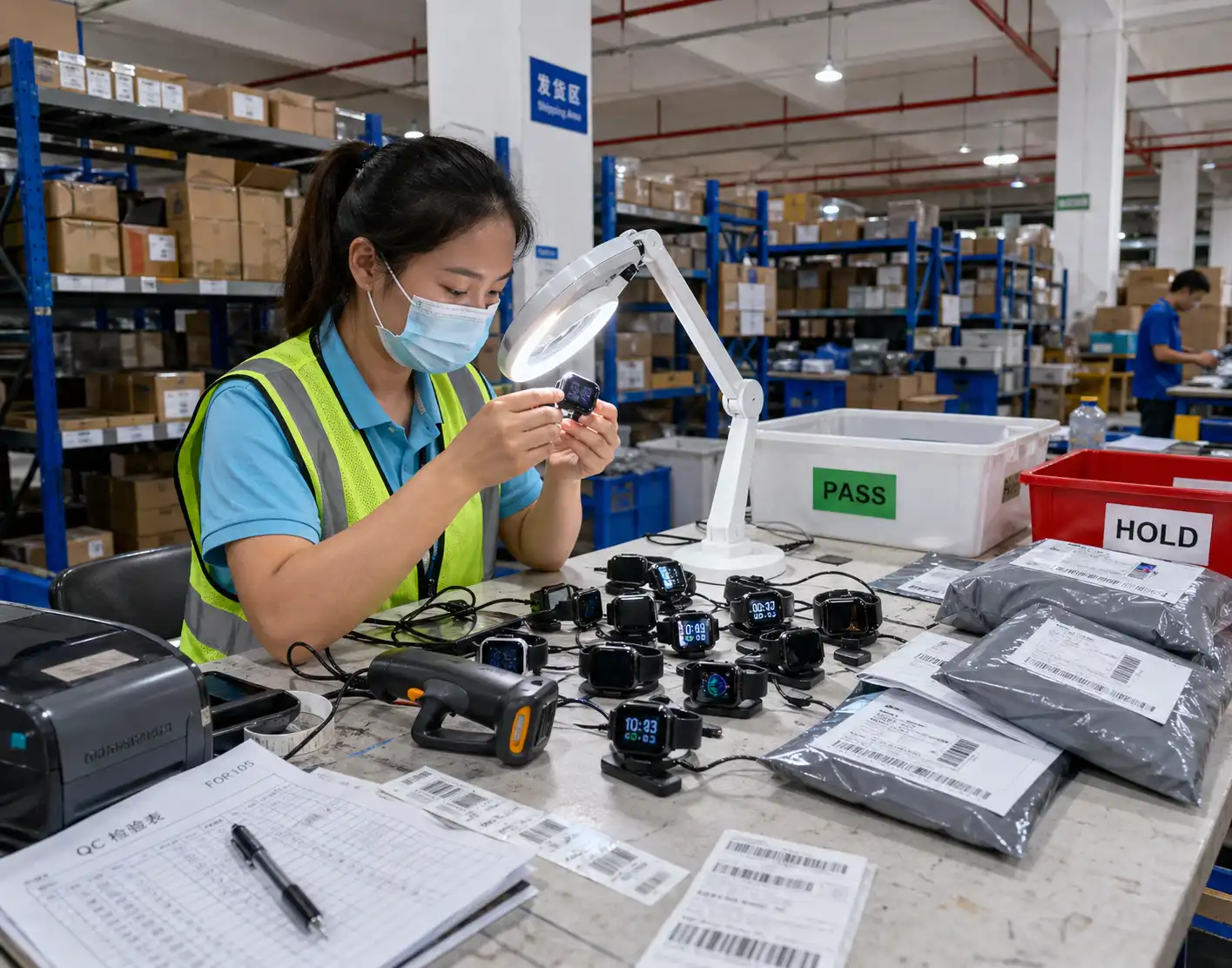
We Moved Quality Control Upstream
One of the biggest changes in this case was that defect risk stopped reaching the buyer first. Units were checked before shipment, which made it possible to intercept visible issues earlier instead of turning them into complaints, refunds, or repeated support tickets after delivery.
Explore QC Workflow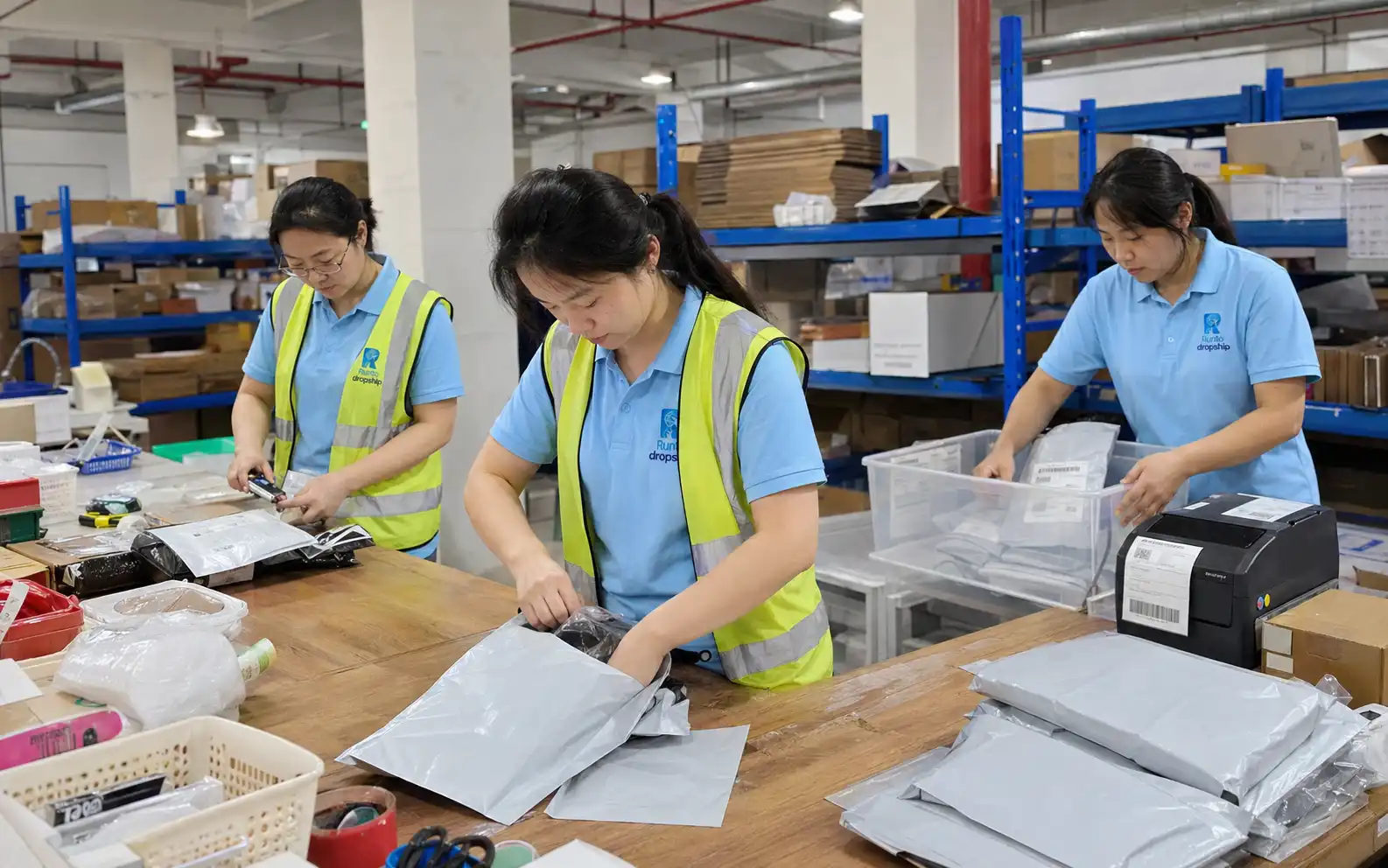
We Cleaned Up the Parcel Experience
The old parcel experience still looked and felt like a marketplace order. After the switch, packaging became more controlled and more store-safe, with blind-shipping practices helping reduce marketplace exposure and making the delivery experience feel more consistent from the buyer's side.
Explore Brand-Ready Packaging Control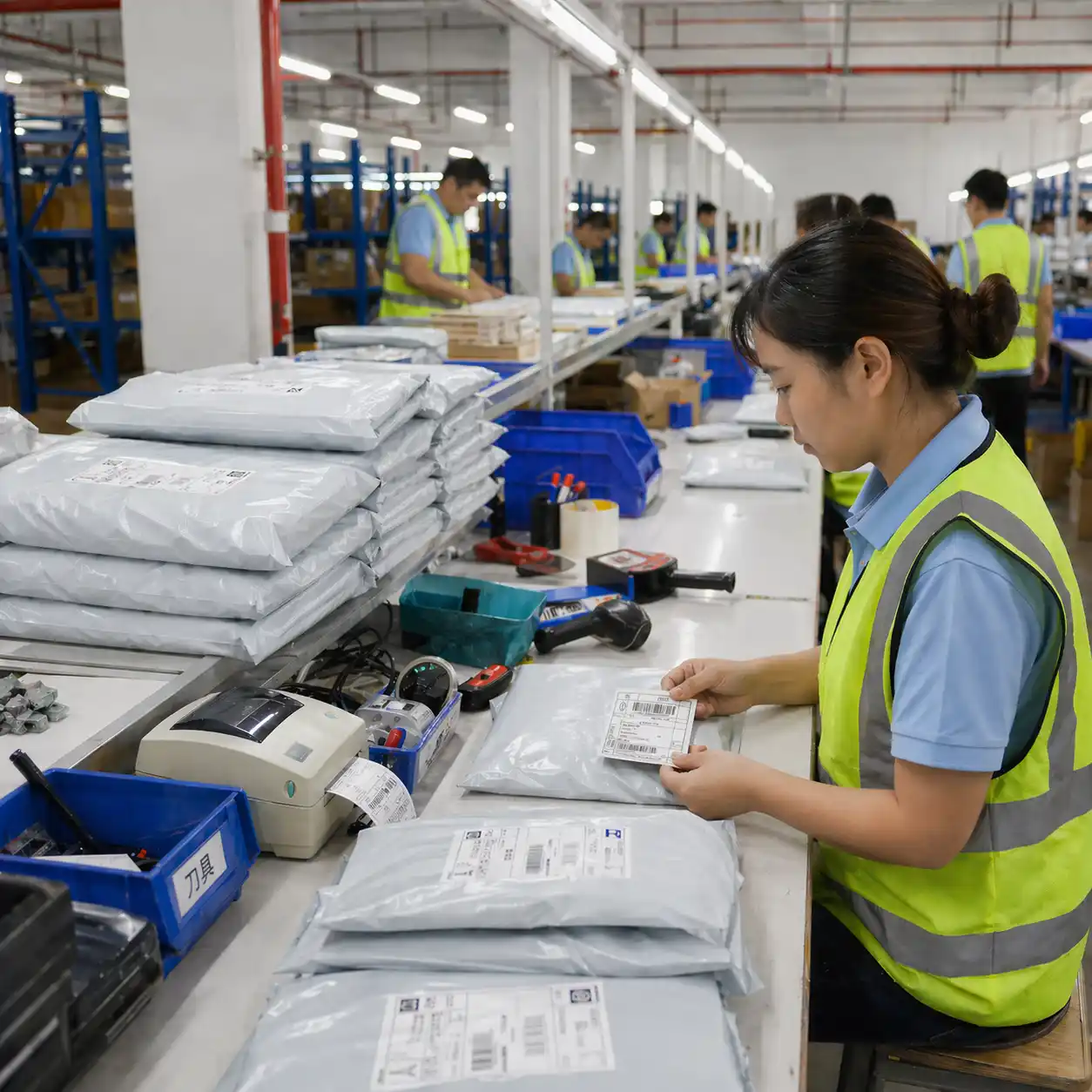
We Brought More Structure to Dispatch and Shipping
Previously, dispatch timing depended too much on individual sellers. In the new setup, more of the release rhythm and shipping coordination moved into one workflow, which helped the store reduce delivery uncertainty and improve visibility after the order left the warehouse.
Explore Shipping Control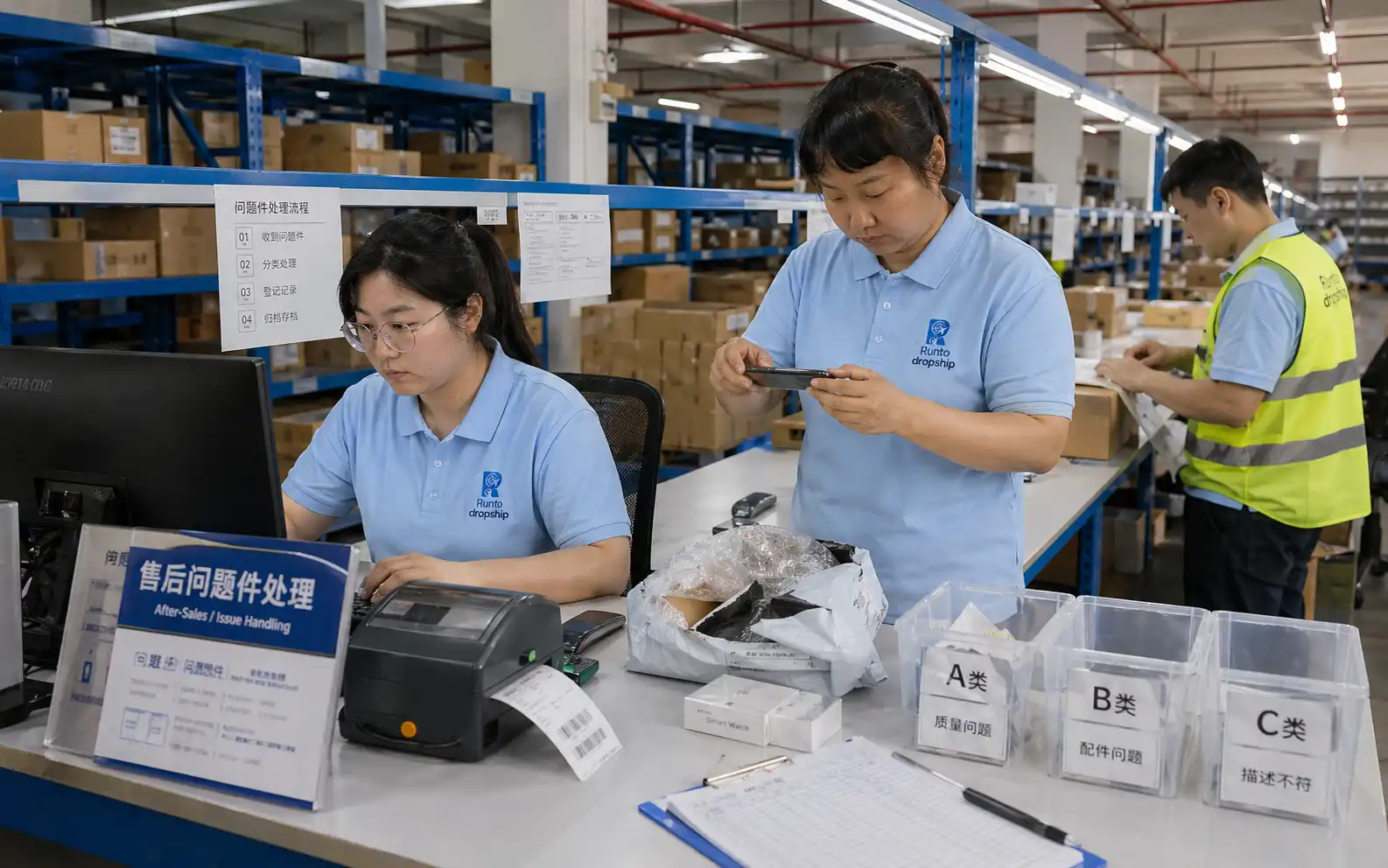
We Created a Clearer Path for Issue Handling
Before the transition, when something went wrong, the store owner often had to go back and forth with different sellers to work out responsibility. After the move, after-sales communication became more centralized, which made issue handling more accountable and easier to manage when an order needed follow-up.
See How Returns Are HandledHow a Live Order Was Handled After the Store Moved Beyond AliExpress
This is what changed at the order level in the case. Instead of being pushed through disconnected seller workflows, a migrated order started moving through one more controlled handling path from confirmation to dispatch.
Order Received Into One Workflow
After the transition, migrated orders were no longer split across multiple AliExpress sellers. They entered one operating flow instead of being scattered across separate supplier habits.
Product Readiness Was Checked Before Release
Before a parcel moved forward, stock readiness and sourcing alignment were confirmed inside the new workflow, reducing the guesswork that used to sit between checkout and dispatch.
QC Happened Before the Buyer Saw the Problem
Inspection moved upstream. Instead of letting the customer discover avoidable issues after delivery, the order passed through a warehouse-level checkpoint before packing.
Packing Followed Store-Safer Rules
The parcel no longer had to look like a marketplace order. Blind-shipping and cleaner packing standards made the delivery experience feel more aligned with the store the customer had actually purchased from.
Dispatch Became More Structured and Easier to Track
Once released, the order moved through a more organized dispatch process, which made timing more stable and post-purchase communication easier to manage.
What changed was not just who supplied the product. What changed was how a live order was handled from the moment it entered the private agent order execution workflow.
What Actually Changed After the Store Left AliExpress-Based Fulfillment
The point of the transition was not to make the store look bigger. It was to make operations behave in a more controlled way.
What Changed After the Store Moved Into a Private Agent Workflow
These client-side comments reflect the practical changes that mattered most after the transition: fewer avoidable complaints, clearer order visibility, and a cleaner post-purchase experience.
“We finally had one accountable workflow instead of chasing different sellers.”
“Before the transition, every issue meant contacting another AliExpress seller and waiting for unclear answers. After moving into the private agent workflow, sourcing follow-up, warehouse intake, QC checks, and dispatch updates were handled through one operating path. It became much easier to know what was happening before orders reached customers.”
“The biggest difference was catching problems before buyers saw them.”
“We were not only looking for cheaper products. The real issue was that wrong variants, damaged units, and packaging problems were reaching customers. Once pre-dispatch checks were added before release, support pressure became easier to manage and fewer complaints turned into refunds or reships.”
“The parcels stopped feeling like marketplace orders.”
“Customers used to receive generic parcels that made the experience feel disconnected from our store. After the packaging and blind shipping workflow changed, the post-purchase experience became cleaner and more consistent. It helped us protect the brand impression after checkout.”
Questions Sellers Ask When Their Store Starts Outgrowing AliExpress
When should a store move from AliExpress to a private dropshipping agent?
The trigger is rarely product sourcing alone. It is usually the combination of rising support burden, weaker delivery predictability, and the need for more control over the buyer experience once you hit a consistent 10-20 orders per day.
Can the transition happen without interrupting live orders?
Yes. In this case, the shift was phased. Higher-risk and more operationally sensitive SKUs moved first, while lower-risk tail SKUs stayed under observation until the new workflow proved stable without breaking ongoing fulfillment.
How are QC issues handled before dispatch?
Inspection is moved upstream. One operating side starts owning warehouse intake and QC interception, ensuring visible defects are caught before the parcel is packed, rather than waiting for customer complaints after delivery.
Can tracking write-back stay connected during the transition?
Yes, a professional private agent workflow integrates directly with your store (via Shopify, WooCommerce, etc.). This ensures tracking numbers sync automatically and dispatch coordination remains seamless during the supplier switch.
Do private agents require high Minimum Order Quantities (MOQs)?
Unlike traditional Alibaba sourcing, most private dropshipping agents do not require high MOQs for standard products. They operate on a dropshipping model (fulfilling 1 by 1) but process your volume centrally rather than scattering it across random sellers.
How does a private agent handle custom packaging?
Because fulfillment is centralized in one warehouse, a private agent can store your branded poly mailers, custom boxes, or thank-you cards and apply them to your orders. This is almost impossible to coordinate when using multiple AliExpress sellers.
Is sourcing through a private agent cheaper than AliExpress?
Often yes for the product itself, as agents source directly from 1688 or factories. While premium shipping lines might cost slightly more, the real margin savings come from bundled shipping (multiple SKUs in one box), fewer refunds, and drastically reduced customer support overhead.
How do private agents manage returns and refunds?
Instead of relying on lengthy marketplace dispute processes, reliable private agents typically have direct credit or reship policies for verified defects, lost packages, or wrong items, making your after-sales support much faster.
Can an agent source products not listed on AliExpress?
Yes. Private agents source directly from China's domestic wholesale markets (like 1688 and Taobao) and local factories. This means they can find items, variants, or upgrades that are not yet saturated on western-facing marketplaces.
What shipping lines do agents use compared to standard marketplace shipping?
Agents utilize dedicated direct air freight lines (like YunExpress, 4PX, Yanwen) which bypass standard postal networks. This offers faster transit times (usually 6-12 days to Tier 1 countries) and much more reliable last-mile tracking.