
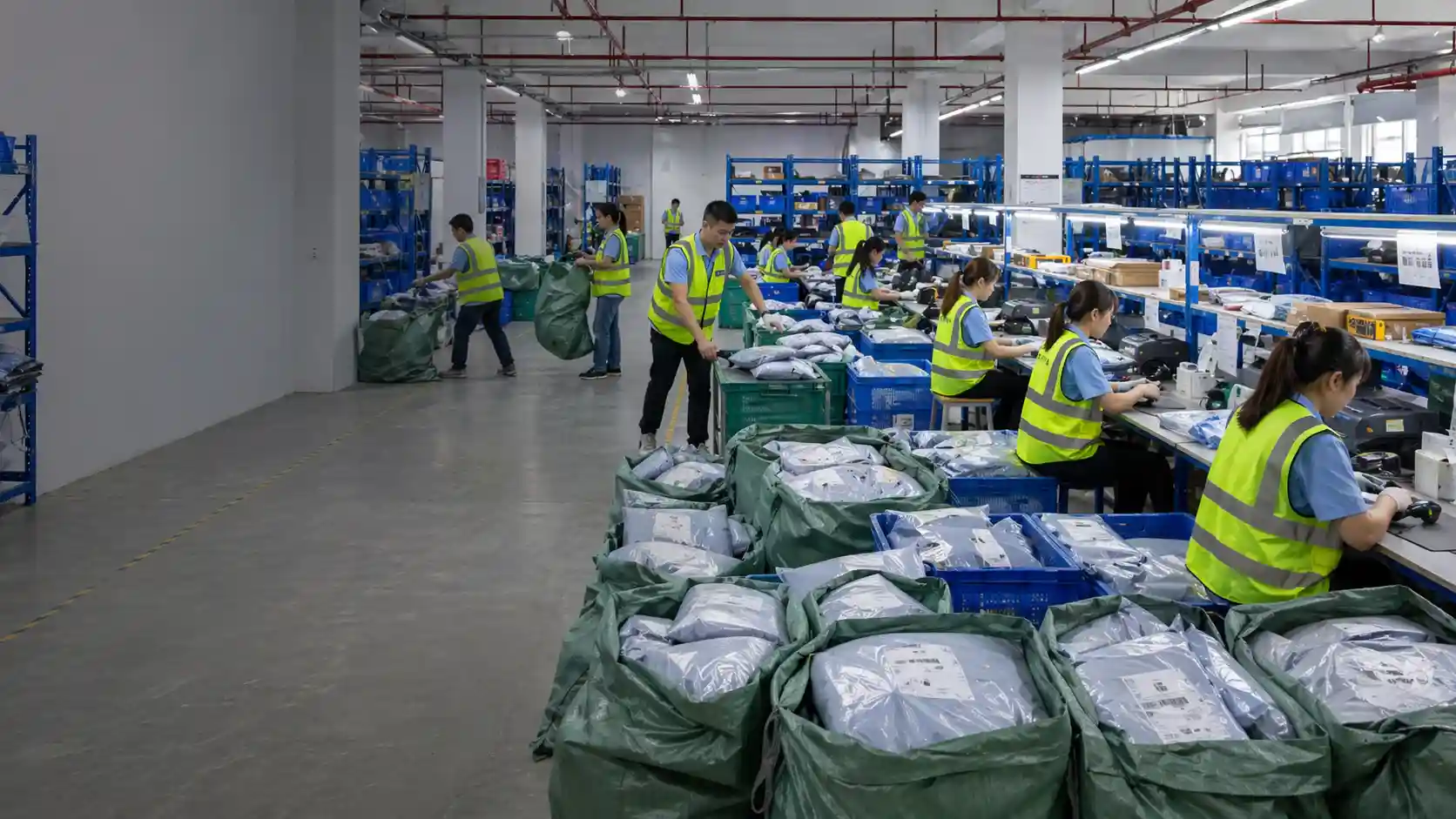
Dropshipping Store Growth Case Study: How a Private Dropshipping Agent Rebuilt Sourcing, QC, Packing, and Shipping for Multi-Store Expansion
This client was already generating demand, but growth kept breaking at the order execution layer: inconsistent product quality, slow delivery, generic packaging, and rising support pressure. We rebuilt the backend execution workflow around sourcing control, QC, brand-ready packing, and predictable shipping—so the store could scale without amplifying the same problems.
What Changed, and Why It Mattered
Before we improved growth, we had to remove the operational friction that was poisoning the customer experience behind it.
Scaling DTC Store
Selling proven products with growing demand, but backend execution was too unstable to support the next stage.
Growth Was Creating More Problems
As order volume increased, defects, delivery delays, generic fulfillment, and buyer complaints became harder to contain.
Backend Rebuild, Not Surface-Level Fixes
We tightened sourcing consistency, added pre-dispatch QC, upgraded packaging, and moved the store onto more predictable shipping lines.
A Better Post-Purchase Experience
Buyers received more consistent products, cleaner deliveries, and a more professional unboxing experience.
Phased Operational Upgrade
The backend was not changed in one move. It was rebuilt step by step, with each layer stabilized before the next one scaled.
Ready to Replicate
Once the backend stopped leaking quality and support problems, the store was no longer just sellable—it became repeatable.
Why This Store Was Struggling to Grow Cleanly
Demand was not the real problem. The store had demand. What it lacked was a backend stable enough to protect margins, buyer trust, and repeatability as order volume increased.
Product Consistency Was Too Weak
The client could sell the product, but not every order delivered the same experience. Batch variation and missing QC created preventable complaints.
Delivery Was Too Unpredictable
Shipping did not feel controlled enough to support confident scaling. Transit anxiety created buyer hesitation and support pressure.
The Order Experience Felt Generic
The package delivered a product, but not a brand memory. There was no stronger reason for buyers to remember the store after the first order.
Volume Exposed Backend Fragility
As the store grew, the same issues scaled with it: more exceptions, more support work, more operational stress, and less confidence in expansion.
The Four Backend Changes That Made Growth More Reliable
We did not “optimize growth” in the abstract. We rebuilt four operational layers that were directly shaping buyer experience, support pressure, and scale readiness.
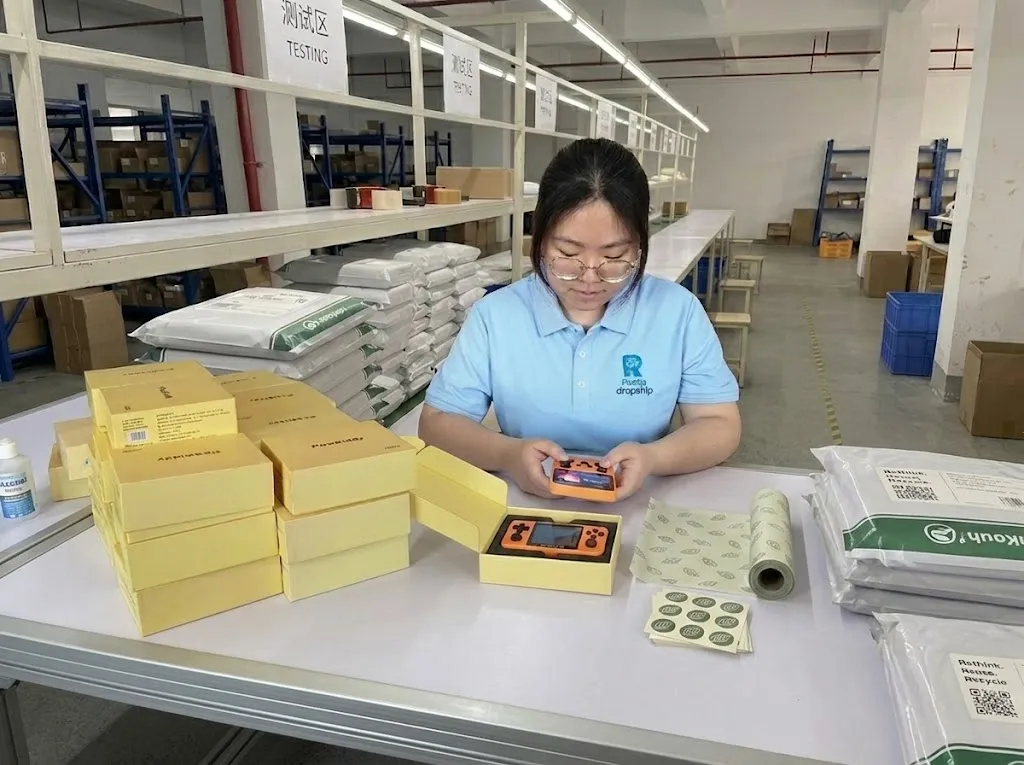
Sourcing Was Tightened First
We reduced product inconsistency by improving supplier selection, specification alignment, and order-level coordination. The goal was simple: fewer surprises after the order was placed.
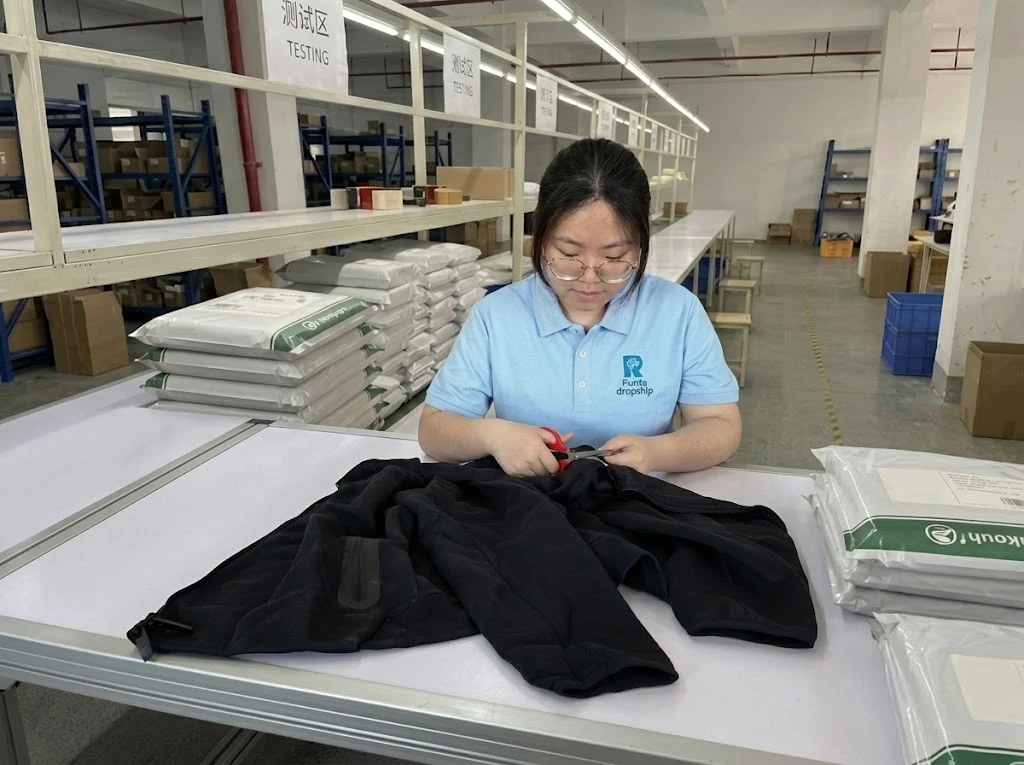
QC Moved Upstream Before Dispatch
Instead of letting defects become refunds, we intercepted issues before the parcel left the warehouse. That reduced avoidable complaints and gave the store a cleaner delivery experience.
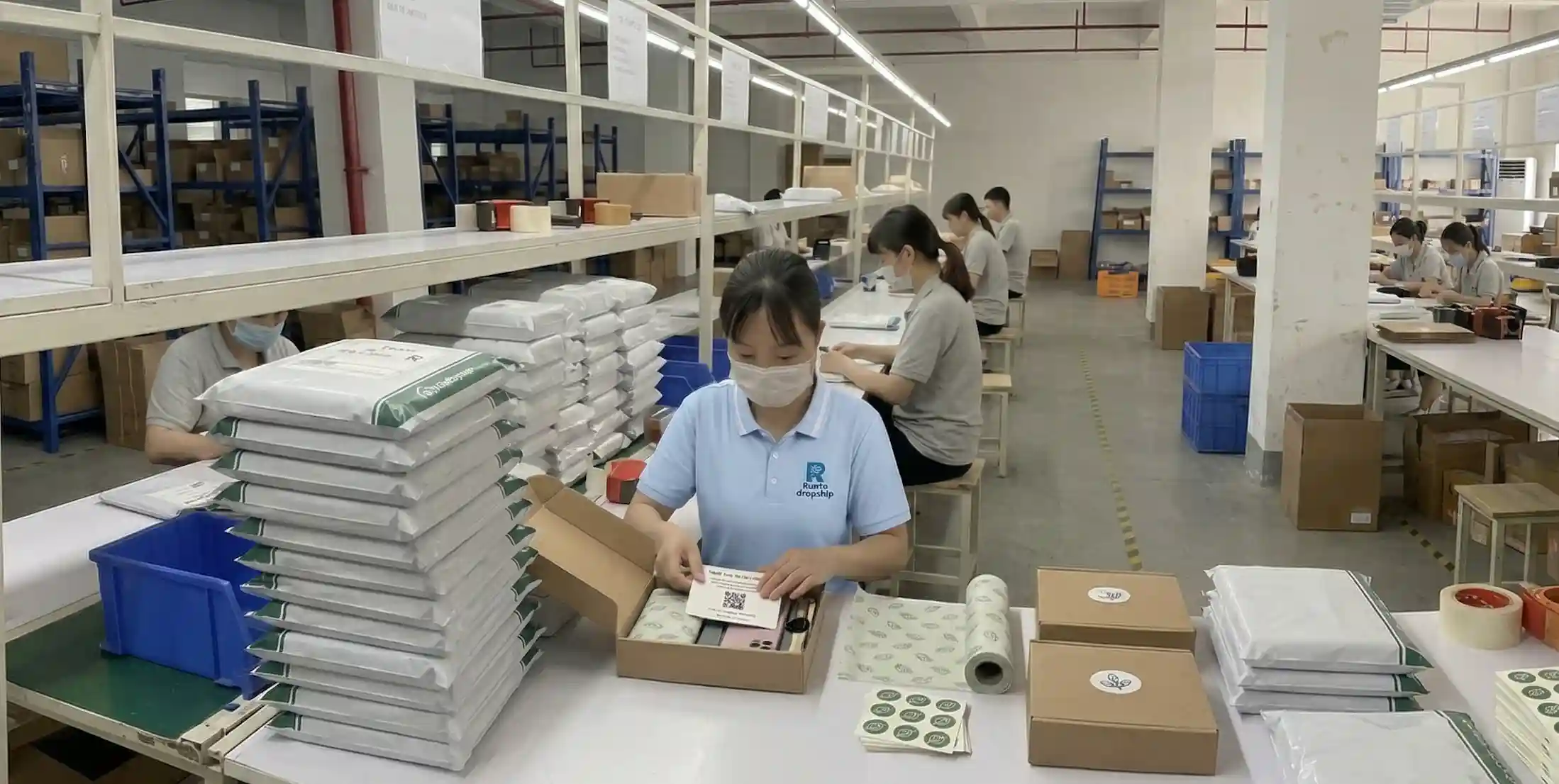
Packaging Started Supporting Brand Recall
We upgraded the order from a generic marketplace parcel to a more brand-ready experience, using cleaner packing, insert options, and presentation consistency that buyers could actually remember.
Shipping Became More Predictable
We did not chase speed for its own sake. We prioritized delivery windows the store could communicate clearly and hit more consistently, which reduced anxiety and support tickets.
Once these four layers started working together, buyer experience stopped being random—and growth stopped being as fragile.
How We Rebuilt the Store Step by Step
We did not change everything at once. Each layer had to become stable before the next layer could contribute to growth cleanly.
Stop Inconsistencies
Identifying where product variation and supplier inconsistency were creating complaints before anything else could improve.
QC Front-Gate
Putting strict QC before dispatch to stop bad units from entering customer hands before shipping started.
Upgrade Parcel
Improving unboxing experience with cleaner presentation and brand recall discipline that buyers could associate with the store.
Predictable Shipping
Aligning expectations with stable shipping lines the store could trust and communicate clearly to buyers at checkout.
Standardized System
Reaching a daily backend rhythm stable enough to support scalable growth without rebuilding on every demand spike.
The real milestone was not "more orders."
It was reaching a daily backend rhythm stable enough to support more orders without breaking trust.
What Changed in the Private Agent Warehouse Execution Workflow
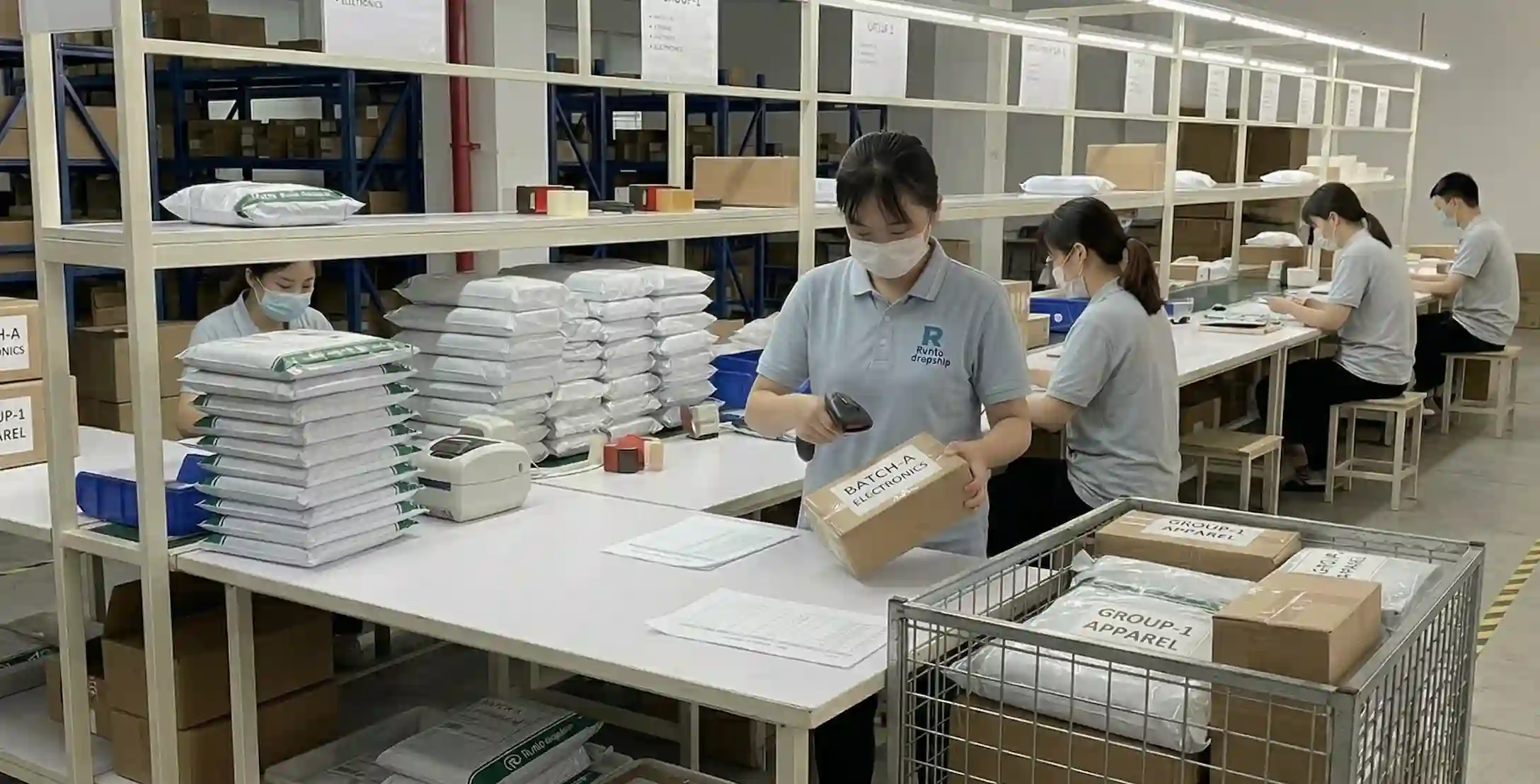
The strongest case evidence is not abstract. It lives in the warehouse workflow, the parcel output, and the kinds of support problems that stop appearing.
QC Before Dispatch, Not After Complaints
This is where the change became real. Defects were intercepted before shipment, not discovered by the buyer after arrival.
- Pre-dispatch product check
- Packing table inspection record
- Photo confirmation before release
The Parcel Started Looking Like a Store Order
Once the product experience became reliable, we upgraded the order presentation to support stronger buyer memory.
- Cleaner parcel presentation
- Insert / thank-you card option
- Brand-ready packing consistency
Fewer "Where Is My Order?" Problems
More predictable shipping and cleaner dispatch rhythm reduced the support load as the store scaled.
- Tracking issued faster
- Easier window communication
- Less avoidable support friction
What Improved for Buyers—and What Stopped Hitting the Support Inbox
The biggest sign that the backend was improving was not just operational. Buyers experienced fewer disappointments, and the store had fewer fires to put out after dispatch.
What Buyers Started Noticing
- Orders arrived in better condition
- Delivery felt more trustworthy
- Packaging looked more professional
- Product quality felt more consistent
What Support Started Seeing Less Of
- "Where is my order?" messages
- Damage-on-arrival complaints
- Wrong-item / inconsistent-item complaints
- Refund pressure caused by preventable order execution mistakes
The store did not grow because buyers suddenly became easier to impress.
It grew because the order experience gave them fewer reasons to lose trust.
Why the Backend Could Be Reused Instead of Rebuilt
The real win was not just smoother order execution in one store. It was building an operational model stable enough to support more volume—and later, more than one storefront.
Standards Became Defined
Supplier handling, QC checks, packing requirements, and shipping rhythm stopped depending on guesswork.
Daily Output Became Predictable
The operation reached a cleaner dispatch rhythm, which made volume easier to absorb without multiplying support chaos.
Platform Expansion Became Easier
Once the backend was stable, launching additional store activity became an execution problem—not a reinvention problem.
See How We Integrate with Scaling Platforms
This repeatable backend supports growth directly from your primary sales channels.
From a Single Store Operation to a Backend That Could Support More
The transition did not happen because the client "wanted more stores." It happened because the first store finally had a backend clean enough to support expansion without carrying the same old problems into the next launch.
One Store with Demand, but Too Much Friction
The store could generate orders, but the backend was still leaking trust, margin, and support time.
Cleaning the Core (The Rebuild)
The first store became more operationally predictable after sourcing, QC, and shipping rhythm were stabilized.
The Multi-Store Scale Out
With the blueprint proven, the client could replicate the same backend for new stores with total confidence.
The infrastructure we built isn't just for one store.
It is a repeatable engine for sustainable e-commerce growth.
Questions Store Owners Ask Before They Scale
These are the objections and uncertainties that typically come up before a store owner commits to rebuilding their supply chain. They deserve direct answers—not more sales copy.
Was the main problem demand or backend execution?
Demand already existed. The real bottleneck was that order execution quality, delivery consistency, and post-purchase experience were not stable enough to support cleaner scaling.
Did the client need to pre-fund large overseas inventory to grow?
No. The backend was improved through tighter sourcing control, QC, packing discipline, and more predictable shipping—not by forcing heavy upfront inventory risk.
What changed first: branding, shipping, or quality control?
Quality stability had to come first. There is no point upgrading the parcel experience if the product arriving inside it is still inconsistent.
Why did dispatch and QC consistency matter for repeat orders?
Because buyers remember the first order experience. A more reliable product, cleaner arrival condition, and more professional package create fewer reasons to avoid a second purchase.
What made the backend ready for more than one store?
The operation became documented, repeatable, and less dependent on random outcomes. That is what made it reusable.
Who is this kind of backend rebuild best for?
It fits sellers who already have demand, are feeling more operational friction as they grow, and need a more controlled supply chain before volume increases further.
Already getting orders—but not fully trusting your backend to handle more?
We'll review where your current growth is being limited: sourcing inconsistency, QC gaps, packaging weakness, shipping instability, or support pressure after dispatch.