
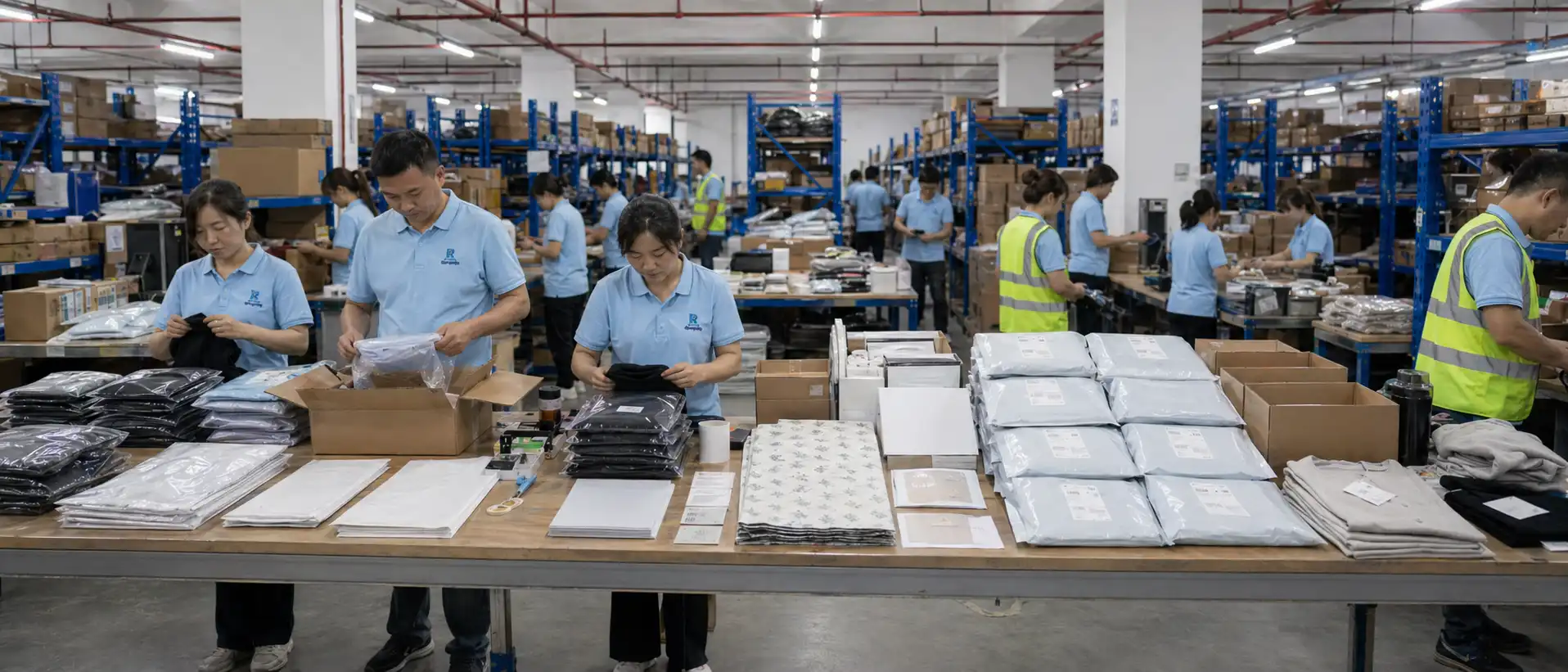
From Dropshipping to Private Label: How a Store Built Brand Ownership With a Dedicated China Agent
This store did not start with custom molds or a full product line. It started with a validated product, unstable operations, and generic customer experience. Over 8 months, we helped the founder stabilize sourcing, remove quality risk, automate order execution and tracking write-back, launch branded packaging, and move the brand onto the product itself.
The Store Had Demand, But It Did Not Yet Have an Operation That Could Protect That Demand
When this client first came to us, the product was already selling. Ads were working. Buyers were responding. But the operation behind those orders was still too fragile to support brand building. Every increase in volume exposed a new weakness.
-
A validated product with active orders
-
Paid traffic that could produce conversions
-
Early signs of repeat buyer interest
-
A founder willing to invest into brand building
-
Supplier consistency and real stock visibility
-
Pre-dispatch quality control
-
Order execution speed without manual supplier follow-up
-
Any memorable brand experience after checkout
We Did Not Push This Store into Private Label Too Early — We Waited Until the Foundation Justified It
This client did not need a branding fantasy. They needed the right sequence. We only moved the store into the brand layer after three conditions were clear.
The product had already proven it could sell. The store was not guessing. It had demand signals, ad feedback, and enough order history to justify investing in a better customer experience.
Before adding branding costs, we confirmed that sourcing, QC, and fulfillment could be controlled. Without that, branded packaging would only make a fragile business look more polished.
This store was no longer trying to win only on short-term price spread. The founder wanted repeat buyers, stronger reviews, and a customer experience buyers could actually remember.
Before We Added Branding, We Fixed the Parts of the Business That Could Destroy Buyer Trust
The first job was not packaging. It was control. We worked backward from the customer experience and removed the operational risks that would have made scaling more expensive and more fragile.
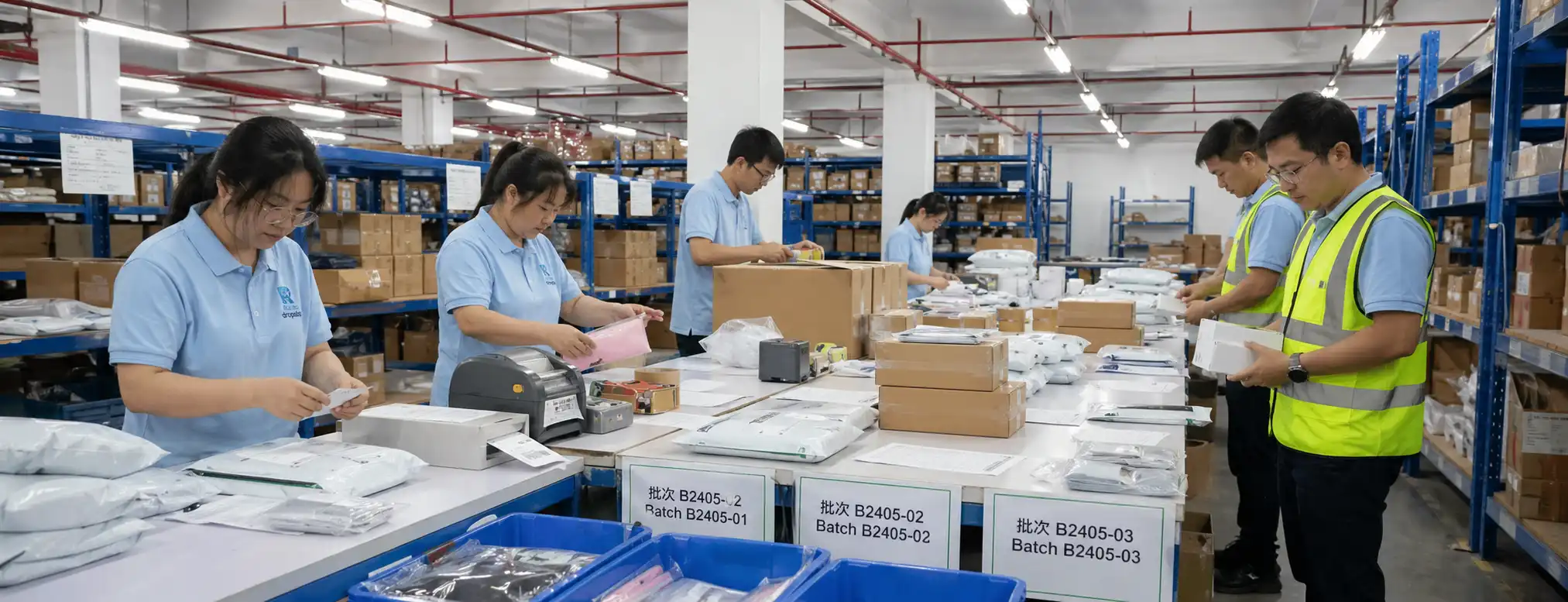
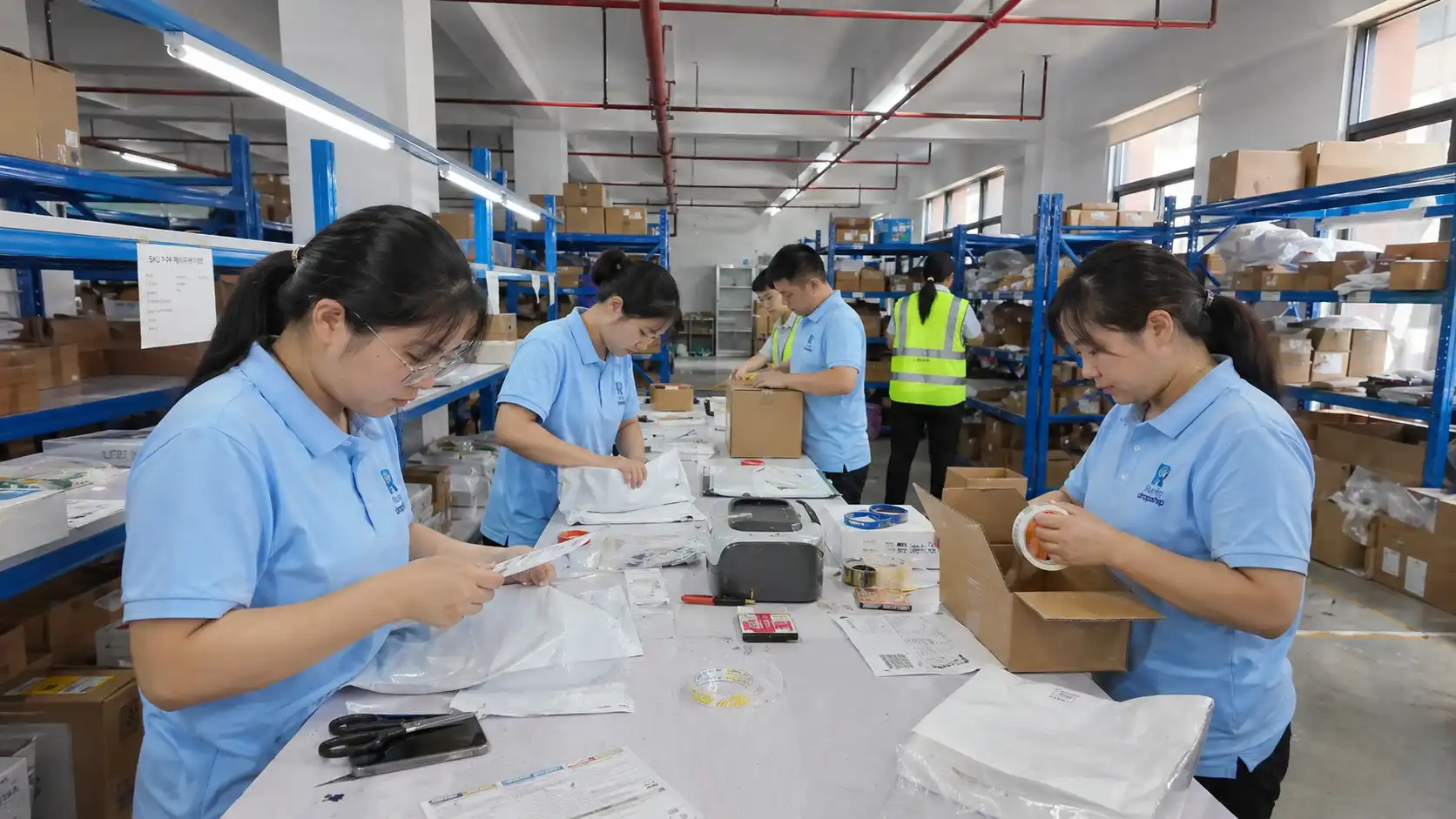
We rebuilt the sourcing side around more reliable factory access, clearer cost visibility, and tighter replenishment planning. The goal was not to chase the cheapest quote. It was to stop margin from being damaged by instability.
We introduced a pre-dispatch QC gate so defective units were intercepted before they reached buyers. That protected refunds, reviews, and paid traffic performance.
We standardized the handoff from receiving to packing to dispatch, so the store no longer depended on ad hoc supplier follow-up just to get orders out.
The Store Stopped Running on Manual Work — and That Changed What the Founder Could Focus On
Once the operation was stable, the next bottleneck was time. The founder was still spending too much energy on order handling, supplier follow-up, and exception management. We reduced that drag so growth effort could move where it belonged: acquisition and brand building.
Orders had to be watched manually. Tracking updates needed checking. Small operational delays kept pulling the founder back into daily order execution issues instead of growth.
Order flow became more synchronized, tracking write-backs became more consistent, and the founder no longer had to spend the day protecting the backend.
The System Could Absorb More Orders
As order volume increased, the operation did not collapse into reactive work. The store could push spend without rebuilding its process every time demand jumped.
Founder Time Moved Upstream
Instead of spending most of the week chasing dispatch, tracking, and exception details, the founder could spend more time on ads, product learning, offer testing, and the early pieces of brand development.
"We did not just need more orders. We needed the backend to stop stealing the time required to actually grow."
The First Visible Brand Upgrade Happened in the Package — Not Yet in the Product
This was the point where the customer experience stopped feeling generic. We did not begin with a new product. We began with the moment the buyer opened the parcel.
The Parcel Became Memorable
The buyer received a package that looked connected to a brand, not a random marketplace order. That shift happened without touching the product itself.
Repeat Contact Became Possible
Thank-you cards and inserts created a bridge back to the store, turning a one-time delivery into an opportunity for ongoing brand relationship.
Perceived Quality Improved
The unboxing experience made the purchase feel more deliberate and more premium, even before the client moved further into product-level branding.
Brand equity did not start with a mold. It started with a package that buyers could remember.
Once the Package Was Working, the Brand Moved onto the Product Itself
Packaging changed the first impression. Product branding changed what buyers could remember. At this stage, the store moved beyond a better unboxing experience and began making the product itself carry the brand.
How the Product Layer Was Executed
We coordinated logo application on the supplier production side without forcing the client into unrealistic early-stage volume commitments.
Branding details were verified before dispatch, so the logo placement, color, and finish were confirmed on every batch.
The product no longer looked like a generic item that any other store could ship unchanged. The brand was now visible on the item itself.
The buyer used to receive a product that looked the same as any other marketplace order. After the logo upgrade, the item itself created a brand moment — the first time the customer could see the store's identity on the thing they actually purchased.
When a brand is visible on the product, repeat buyers can associate quality with a specific identity. That makes loyalty harder to lose and makes the store harder to replicate.
This was the turning point from looking branded to becoming identifiable.
See How We Protect Product-Level QCThe Store Did Not Just Look More Branded — It Became More Defensible, More Memorable, and Easier to Scale
The result of this project was not one packaging change or one logo file. It was a business that moved from generic dropshipping execution toward real brand ownership. Below are the verified qualitative outcomes of this operational upgrade.
Before
- Demand existed, but the backend was fragile
- Order execution consumed founder attention
- Buyer experience ended at delivery
- The product looked replaceable
- Growth created more operational stress
After
- Supply, QC, and dispatch were more controlled
- Founder time moved back toward growth work
- Buyers received a recognizable brand experience
- The product itself began carrying brand identity
- Scaling no longer depended on manual firefighting
Manual Order Handling Time Reduced
The founder was no longer forced to spend disproportionate time protecting dispatch, tracking, and exception-handling basics.
Refund Pressure Reduced
Supply, QC, and dispatch became more controlled, catching defects before they shipped and protecting paid traffic margins.
Repeat Purchase Conditions Improved
A more consistent product and delivery experience created better conditions for customer satisfaction, repeat purchases, and stronger feedback loops.
Branded Packaging Adoption Completed
Packaging and product-level branding gave buyers something to remember, establishing a clear path toward deeper proprietary product development.
Who This Path Fits Best And What the Next Step Looks Like
This case isn't a template for every store. It's a specific sequence that works for stores at a specific stage. Here's how to know if that's you and what to do about it if it is.