
Choosing between dropshipping and wholesale depends entirely on your capital, risk tolerance, and scaling goals, as both models offer distinct paths to e-commerce profitability. Running an online store is exciting, but managing supply chains can quickly become overwhelming. You spend hours sourcing products, only to face stockouts or get stuck with unsold inventory that drains your budget. By comparing Dropshipping vs Wholesale, you can identify the exact fulfillment framework that matches your budget and operational capacity.
Struggling with cash flow while attempting to scale can paralyze an online business before it even secures a stable customer base. Investing heavily in bulk products risks dead stock, while low-margin fulfillment models can starve your marketing budget. This comprehensive guide will dissect the structural differences to help you choose the right path. Let us delve into the core operational dynamics.
What is the core difference in Dropshipping vs Wholesale?
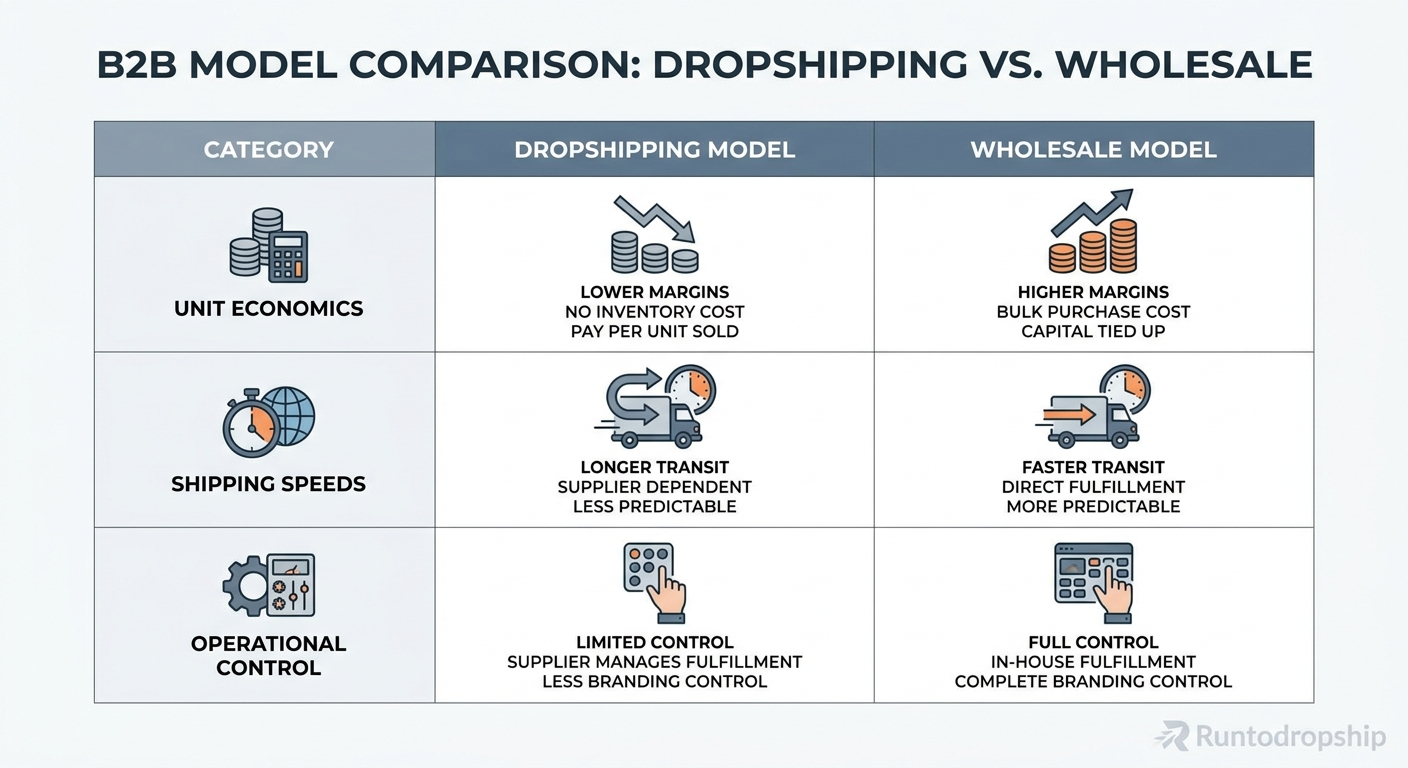
The core difference lies in inventory ownership and order fulfillment, where dropshipping requires no inventory purchase upfront, while wholesale demands buying products in bulk. Under a wholesale model, you act as the inventory holder and must store goods before selling them to customers. In contrast, dropshipping shifts the entire storage and shipping responsibility to a third-party partner. Understanding these fundamental mechanisms is crucial before analyzing their economic implications.
What is the mechanical workflow of dropshipping?
The dropshipping workflow initiates when a customer places an order on your online store, which is then forwarded to your supplier for direct shipment. You collect the retail price from the customer, pay the wholesale cost to the supplier, and keep the difference as profit. Because you never handle the physical product, your primary focus remains on marketing, customer acquisition, and store optimization. This hands-off approach allows you to launch and test new products with minimal operational friction.
How does the traditional wholesale process work?
The traditional wholesale process requires you to purchase bulk quantities of products directly from manufacturers at a deeply discounted rate. Once purchased, you must transport the goods to your warehouse, manage inventory levels, and ship individual orders directly to end consumers. This model gives you complete control over the shipping speed, packaging quality, and stock availability. However, it requires significant labor and logistics coordination to keep the operation running smoothly.
How do the upfront capital requirements compare?
Upfront capital requirements represent the largest barrier to entry, with wholesale requiring thousands of dollars in bulk inventory purchases while dropshipping can be launched with negligible initial funding. Traditional wholesale models rely on Minimum Order Quantities (MOQs) set by manufacturers, forcing you to tie up capital in unsold goods. Conversely, dropshipping bypasses inventory costs entirely, allowing you to allocate your budget toward digital marketing and platform subscriptions. Evaluating your budget carefully will determine which path is viable for your current business stage.
Why does wholesale require massive initial capital?
Wholesale demands significant capital because suppliers enforce strict Minimum Order Quantities to justify their discounted bulk pricing structures. In addition to purchasing the stock, you must fund warehouse storage space, shipping insurance, and freight transportation costs. These upfront expenses can quickly accumulate to several thousand dollars before your first customer sale. For cash-strapped entrepreneurs, this high financial barrier can severely restrict initial growth and market entry.
Can you start dropshipping with nearly zero budget?
You can start dropshipping with a minimal budget because you only purchase products from your supplier after a customer has paid you. This pay-as-you-go financial model eliminates the risk of dead stock and keeps your overhead costs extremely low. Your main expenses will consist of web hosting, domain registration, and initial marketing campaigns. To streamline your product sourcing and order fulfillment, utilizing an automated dropshipping software dashboard can significantly reduce setup times and manual entry errors.
Key Takeaway: If you have limited capital, dropshipping is the logical starting point to build cash flow, whereas wholesale is best reserved for established businesses with available investment funds.
Which model offers better profit margin potential?

Wholesale offers significantly higher profit margins because buying in bulk allows you to secure the lowest possible unit cost from manufacturers. In comparison, dropshippers pay a premium price per unit because they purchase items individually, which severely compresses their net margins. To maximize your profitability, you must carefully weigh the unit discount against the storage overhead of holding inventory. Let us explore how these pricing structures behave under real-world market pressures.
How do bulk discounts impact wholesale margins?
Bulk discounts directly expand wholesale profit margins by lowering your Cost of Goods Sold (COGS) to the absolute minimum. When you buy hundreds or thousands of units at once, manufacturers offer steep tier-based price reductions. This lower cost base gives you the pricing flexibility to run aggressive marketing campaigns, offer discounts, or sell to other retailers. As a result, wholesale margins typically range between 40% and 100%, providing a comfortable cushion for operational expenses.
Why do dropshipping margins face heavy competition?
Dropshipping profit margins are typically narrow, ranging from 10% to 20%, due to higher individual product costs and low barriers to entry. Because anyone can list the same items, price wars frequently erupt on major e-commerce platforms, forcing sellers to lower their prices. Additionally, advertising costs can quickly eat into your slim margins if your conversion rates are low. Securing unique products or negotiating better rates with suppliers is essential to protecting your profit margins.
Key Takeaway: Choose wholesale if you want sustainable long-term profitability and pricing power, but start with dropshipping if you prefer to test market demand without high margin expectations.
Who manages the inventory and shipping logistics?
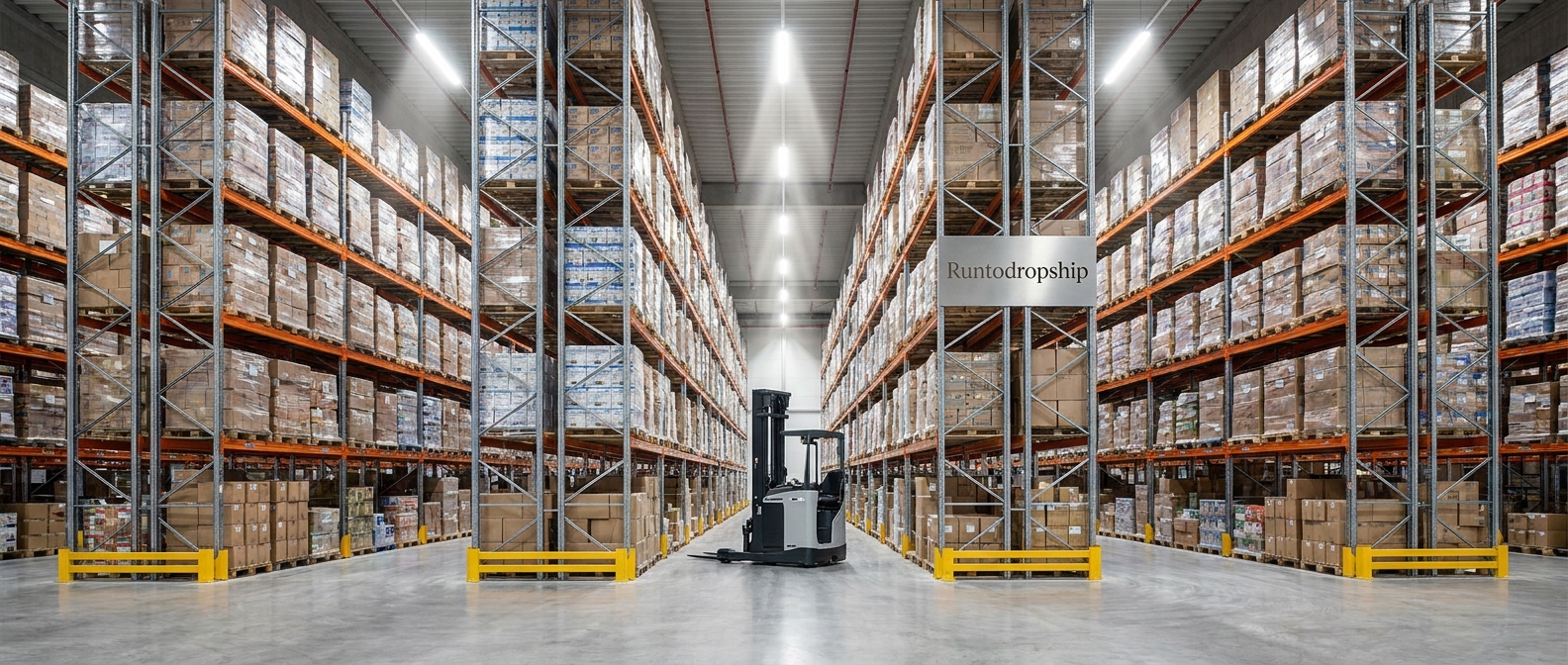
Logistics management is completely split between the two models, as wholesale requires you to handle warehousing and shipping, while dropshipping outsources all fulfillment to the supplier. This operational divergence shapes your daily workload and the level of control you maintain over the customer experience. While hands-on shipping ensures pristine packaging, hands-free fulfillment frees up your valuable time for business development. Selecting the right logistics strategy depends heavily on your physical capacity and administrative resources.
Who handles the storage and fulfillment duties?
In a wholesale model, you are fully responsible for secure storage, inventory tracking, packaging materials, and courier handoffs. This requires hiring warehouse staff, buying packing supplies, and integrating robust inventory management software. Conversely, a dropshipping partner stores the inventory and packs each package on your behalf. This hands-off approach eliminates the need for physical space but requires seamless software connections to avoid order processing delays.
How do shipping speeds differ between models?
Wholesale shipping can be faster when products are already stored in a domestic warehouse, because you control stock location, packing speed, and carrier handoff. Dropshipping gives you more flexibility, but shipping performance depends on supplier location, dispatch timing, route choice, tracking updates, and product type. If your store is scaling and overseas delivery is creating customer support pressure, working with a fast shipping dropshipping agent can help coordinate route selection and dispatch workflows without requiring you to buy wholesale inventory upfront.
Key Takeaway: If fast shipping and packaging control are vital to your brand reputation, domestic wholesale logistics are superior; otherwise, dropshipping offers unmatched location independence.
How do you control product quality and packaging?
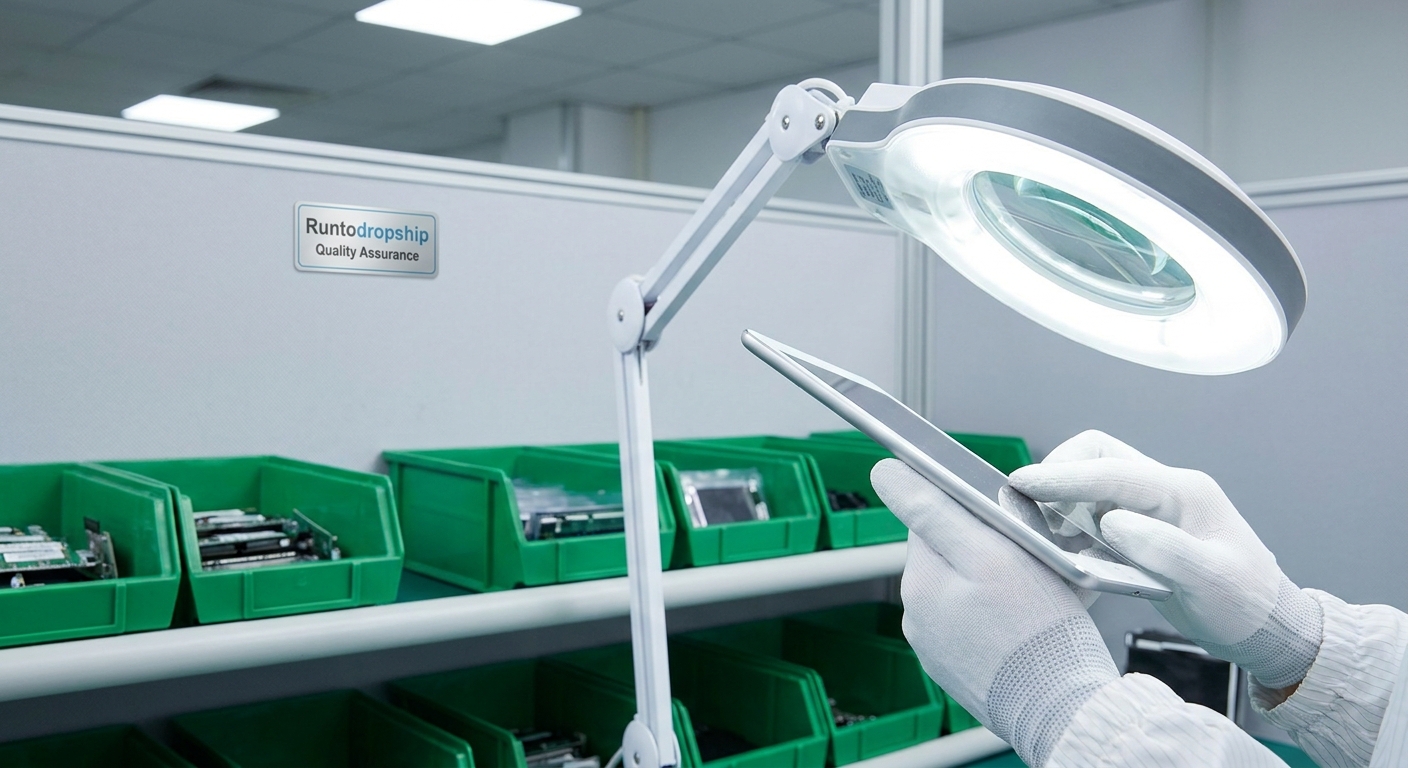
Product quality and brand customization are highly controllable under a wholesale model, whereas standard dropshipping offers very limited oversight. When you purchase inventory upfront, you can personally inspect every batch before it is dispatched to customers. This level of quality control is incredibly difficult to replicate when packages ship directly from third-party suppliers. Let us examine how each model impacts your ability to build a memorable, high-quality brand.
Can you inspect products before they reach customers?
Wholesale allows you to inspect products before they reach customers because the stock is physically under your control. In standard dropshipping, you may never see the product before it ships, which increases risk when the category depends on sizing, color accuracy, fabric feel, labels, packing condition, or variant matching. This is especially clear in apparel dropshipping, where a small size or color mismatch can quickly turn into a return, refund, or negative review.
How does customized packaging build brand equity?
Customized packaging matters even more when the product category depends on trust, presentation, cleanliness, and repeat purchase behavior. In wholesale, you can control how products are packed because inventory is already in your hands, but dropshipping requires a partner who understands product-specific handling before dispatch. For example, cosmetics dropshipping needs more than a generic mailer because leakage risk, shade accuracy, seal condition, batch visibility, and parcel presentation can directly affect customer confidence.
Key Takeaway: Wholesale is the superior choice for building a premium private label brand, though modern sourcing solutions can help dropshippers customize packaging to some extent.
What are the primary supply chain risks involved?

The primary supply chain risks are diametrically opposed, with wholesale presenting the threat of dead stock and dropshipping carrying high inventory volatility risks. Wholesale locks your capital into physical goods, leaving you vulnerable if consumer trends shift suddenly. Conversely, dropshipping relies entirely on supplier stock levels, which can vanish overnight without prior warning. Navigating these unique hazards requires a strategic approach to supplier relationships and stock tracking.
What happens if your supplier runs out of stock?
Supplier stockouts in dropshipping can halt your sales immediately and lead to bad customer reviews or chargebacks. If your supplier runs out of inventory while your ads are active, you will be forced to cancel orders or delay shipments. This issue is rare in wholesale because you already own and store the physical stock in your own warehouse. Maintaining real-time communication channels with your supply partners is critical to preventing these abrupt stockouts from disrupting your store.
How do you handle customer returns and refunds?
Handling customer returns is straightforward in wholesale but highly complex and costly under a dropshipping model. Wholesale merchants receive returned items directly at their facility, inspect them, and restock them if they are undamaged. Dropshippers must coordinate with overseas suppliers who may refuse returns or charge high return shipping fees. This often forces dropshipping store owners to absorb the full cost of refunds to maintain customer satisfaction.
Key Takeaway: Mitigate wholesale risk by conducting thorough market research before buying bulk, and reduce dropshipping risk by working with suppliers who offer real-time inventory syncing.
How can you scale your e-commerce operations?
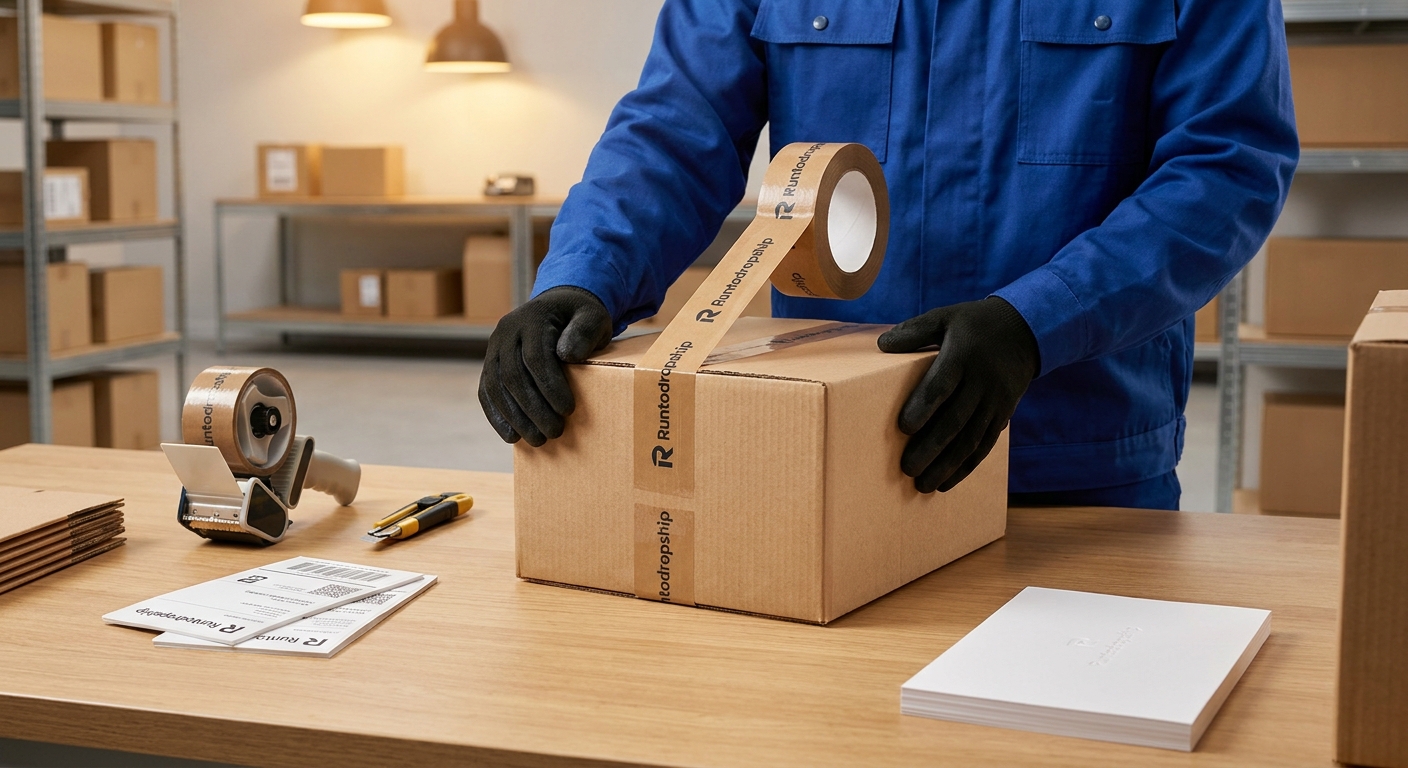
Scaling e-commerce operations is not only about choosing dropshipping or wholesale. The real question is whether your backend can keep product quality, packaging, shipping, tracking, and customer support stable as order volume grows. A dropshipping store growth path usually requires tightening sourcing, adding product checks before dispatch, improving parcel presentation, and making shipping more predictable before higher sales volume turns small operational gaps into repeated support problems.
Is dropshipping easier to scale than wholesale?
Dropshipping is significantly easier to scale rapidly because it does not require physical expansion or inventory management. You can easily test dozens of new product categories and expand into international markets with a few clicks. Your primary scaling bottleneck is simply managing your digital advertising budget and optimizing customer service. This operational agility allows dropshipping businesses to grow exponentially without immediate logistical bottlenecks.
What operational bottlenecks slow down wholesale?
Wholesale scaling is slowed down by capital constraints and physical logistics bottlenecks that require careful planning to resolve. To double your sales, you must double your inventory purchase, which requires substantial cash reserves upfront. You must also recruit warehouse employees, expand physical storage space, and handle higher volumes of shipping labels. These physical demands create operational friction that makes rapid scaling far more challenging than in virtual business models.
Which supply chain model fits your business goals?
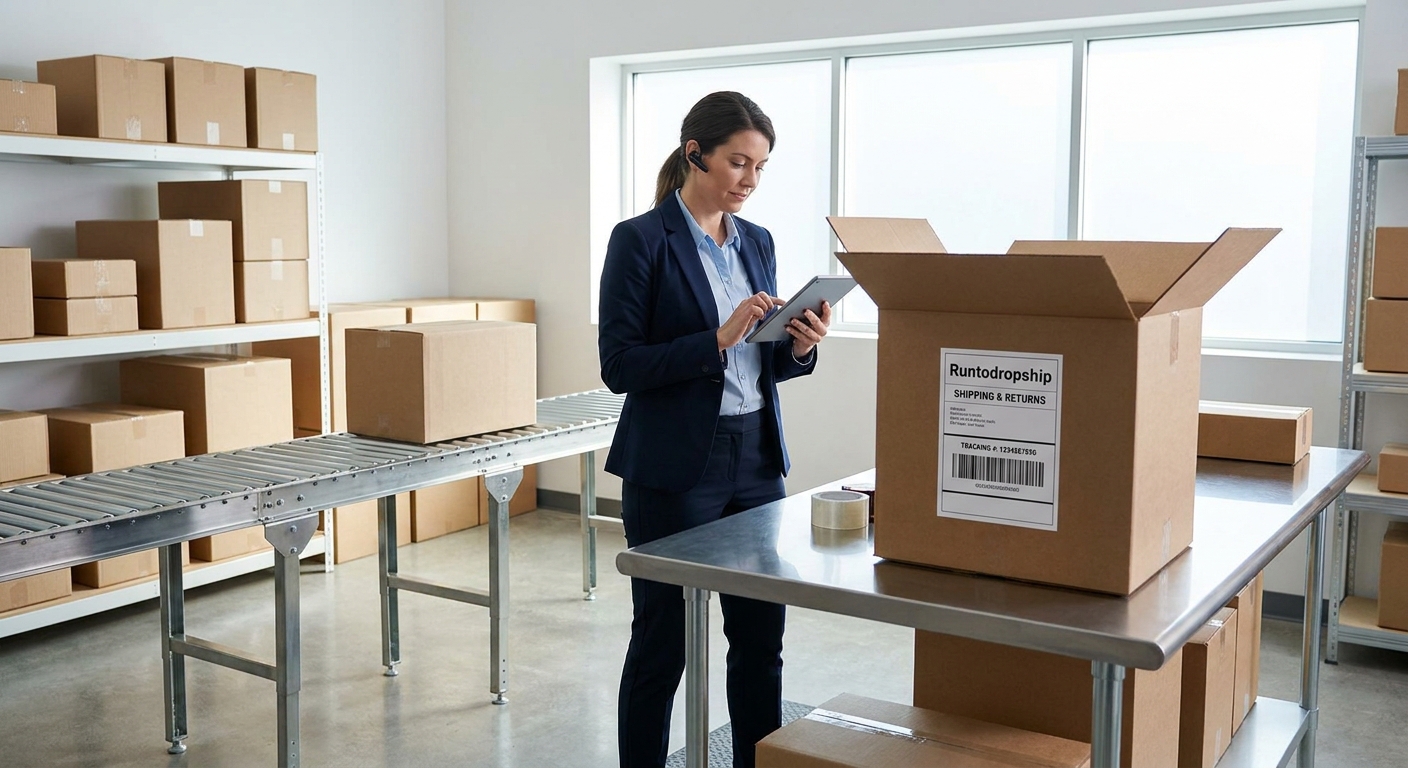
The right model for your business depends on your available capital, desire for operational control, and long-term brand vision. If you prefer low-risk testing and location independence, starting with dropshipping is highly practical. For those focused on building a premium brand with robust margins and fast shipping, wholesale is the superior long-term vehicle. Let us examine a structured comparison to help you finalize your supply chain strategy.
| Metric | Dropshipping | Wholesale | Private Agent Model |
|---|---|---|---|
| Upfront Capital | Very Low | High | Very Low |
| Profit Margins | 10% – 20% | 40% – 100% | 20% – 35% |
| Inventory Risk | Zero | High | Zero to Low |
| Shipping Speed | Moderate to Slow | Fast (Domestic) | Fast (Express Line) |
| Quality Control | Low (Blind Shipping) | High (Self-Inspected) | High (Agent Inspected) |
| Brand Packaging | Extremely Limited | Highly Customizable | Highly Customizable |
This comparison highlights how a specialized agent service offers a balanced compromise, offering high-end customization and quality control without the financial burden of bulk wholesale orders.
When should you transition between these models?
Many successful merchants start with dropshipping to validate product demand and then transition to wholesale to secure higher profit margins. This hybrid approach allows you to build customer demand and generate steady cash flow with minimal upfront risk. Once a specific product proves to be a consistent bestseller, you can confidently invest in wholesale bulk quantities to lower your cost of goods. This transition strategy combines the low risk of dropshipping with the high profitability of traditional wholesale.
How does a private agent bridge the operational gap?
A private dropshipping agent bridges the operational gap by offering customized packaging and strict quality control without bulk inventory requirements. They combine the flexibility of dropshipping with the branding advantages of traditional wholesale. They can source products directly from top factories in China, perform professional quality checks, and customize your unboxing experience. This unique hybrid service allows you to enjoy premium brand control while maintaining a lean, scalable business model.
Ultimately, this guide resolves the classic debate by demonstrating that you do not have to choose between extreme risk and zero brand control. By partnering with a dedicated private dropshipping agent, you can source premium products, inspect every order, and customize your packaging without the financial burden of bulk wholesale orders. At Runtodropship, we empower e-commerce brands to scale effortlessly by handling the physical complexities of global supply chains. Let us build a reliable, high-performing storefront that delights your customers and secures your market position.
Frequently Asked Questions
Can I transition from dropshipping to wholesale later?
Yes, you absolutely can. Many merchants use dropshipping to test product demand first, and then purchase bulk quantities via wholesale once they identify their bestsellers to increase profit margins.
What’s the best model for a complete e-commerce beginner?
Dropshipping is the best starting model. It requires minimal upfront capital, eliminates the risk of unsold inventory, and lets you focus on learning digital marketing and store design.
How do I know if a product is suitable for wholesale?
A product is suitable for wholesale when it has consistent, high-volume demand and stable pricing. If you are consistently selling dozens of units daily through dropshipping, wholesaling that product will drastically lower your unit costs.
Can I customize my packaging when dropshipping?
Yes, but you must work with a specialized agent. While traditional platforms do not support custom branding, a professional partner can customize boxes and inserts even for single-unit shipments.
How do I manage shipping times with overseas suppliers?
You can manage shipping times by choosing express shipping lines instead of standard postal mail. Working with an agent who has direct access to local shipping lines in China ensures much faster and more reliable delivery times.