
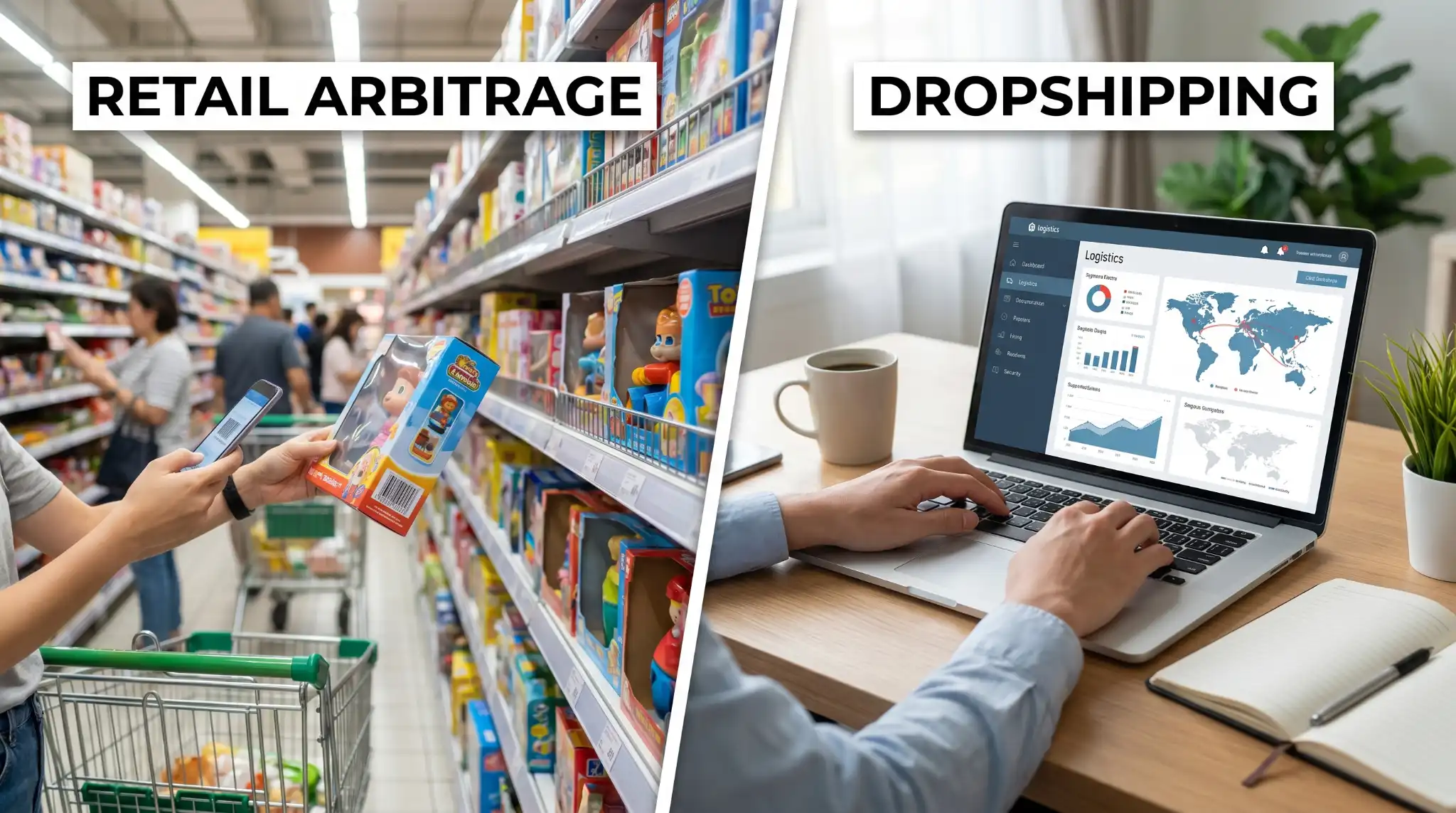
Choosing between retail arbitrage and dropshipping depends entirely on whether you want physical control over a small inventory or hands-off scalability with no upfront product costs. Imagine spending hours driving to local retail stores, scanning clearance racks, and packing boxes, only to find that your profit margins are eaten alive by shipping fees. Or, you try launching a standard dropshipping store, but customer complaints about slow shipping and cheap products threaten to shut down your business. The constant anxiety of account suspension, shifting marketplace rules, and supplier stockouts can turn your dream of e-commerce freedom into a high-stress, 24/7 job. The key to breaking this stressful cycle is a clear, comparative analysis of retail arbitrage vs dropshipping that helps you identify where to focus your resources for sustainable, long-term growth. By understanding both models, you can transition from high-friction retail hunting to an automated, brand-driven business that scales predictably.
Is retail arbitrage vs dropshipping better for you?
Deciding which model is better depends on your budget, risk tolerance, and long-term business goals. Retail arbitrage gives you immediate, tangible inventory but demands intense physical labor, while dropshipping offers boundless scale but requires highly strategic supplier management.
To make the best choice, you must weigh how each model handles backend logistics and upfront capital. Let us break down the exact operational divisions so you can choose the correct pathway.
What is the main difference in inventory risk?
The main difference in inventory risk is that retail arbitrage requires you to buy products upfront, whereas dropshipping carries zero inventory risk because you only purchase goods after a customer pays you. With arbitrage, you run the risk of holding dead stock that you cannot sell. Conversely, dropshipping protects your cash flow but leaves you vulnerable to sudden supplier stockouts.
How do the startup costs compare?
Dropshipping features significantly lower startup costs because you do not need to invest capital into physical inventory before launching your store. You can open a digital storefront and begin marketing with just a few hundred dollars. While arbitrage is accessible, you still need a dedicated fund to buy clearance products, rent storage spaces, and purchase shipping supplies to manage fulfillment.
While beginners often lean towards retail arbitrage to manually inspect and verify their inventory, the upfront costs and physical shipping limits make it difficult to grow. Moving to dropshipping eliminates inventory overhead entirely. However, the key to protecting your store margins is partnering with product sourcing services that verify item quality at the source before shipping them to your buyers.
| Feature | Retail Arbitrage | Dropshipping |
|---|---|---|
| Upfront Cost | Moderate ($500 – $1,000) | Very Low ($100 – $300) |
| Inventory Risk | High (Unsold stock) | None (Buy on demand) |
| Fulfillment | Manual (Self-shipped) | Automated (Supplier shipped) |
| Profit Margins | 30% – 50% (High per item) | 15% – 25% (Volume-dependent) |
The table demonstrates that while retail arbitrage can yield higher immediate margins per item, dropshipping remains the superior model for cash flow protection and digital automation.
Key Takeaway: Start with dropshipping if you want to protect your capital and scale rapidly without physical limitations, but be prepared to transition to professional sourcing partners to safeguard product quality.
How does retail arbitrage work for beginners?
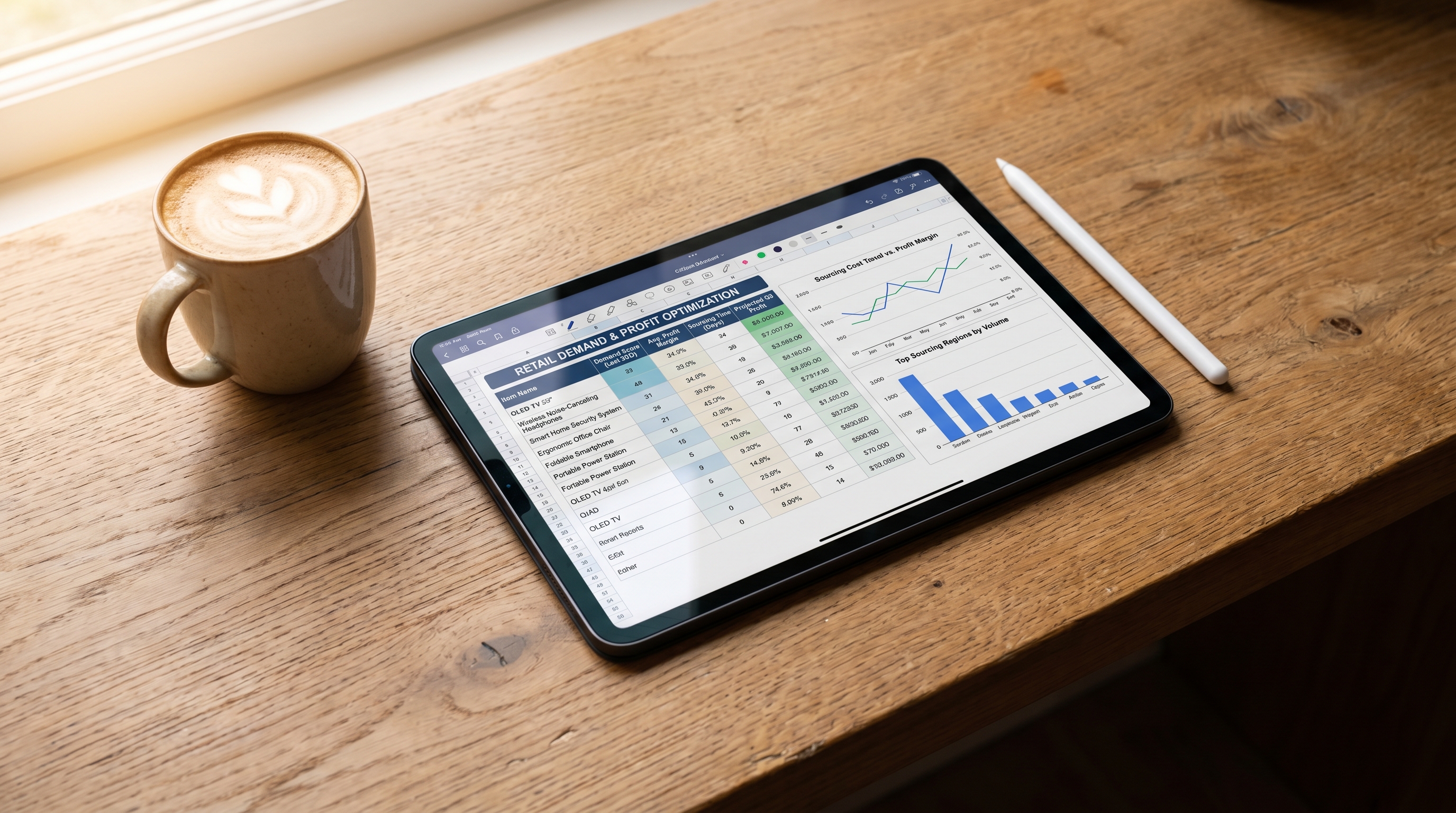
Retail arbitrage works by sourcing discounted brand-name products from brick-and-mortar stores and reselling them for a profit on online marketplaces like Amazon or eBay. Amazon describes retail arbitrage as buying products from retail stores at lower prices and reselling them for profit, which matches the hands-on model this section explains. You scan items in physical stores, purchase them at a discount, and list them online at a higher price after checking fees, demand, and resale restrictions.
This hands-on process teaches you basic e-commerce principles like supply and demand, margin calculation, and customer service. Now, let us look at the practical ways you can execute this strategy on the ground.
Where do you find profitable inventory?
You can find profitable inventory by targeting clearance aisles, liquidation sales, seasonal markdowns, and local thrift stores. Apparel, accessories, and branded seasonal goods often appear attractive because discounts can be deep, but they also bring size, color, condition, and return-risk issues that many beginners underestimate. If you later move from physical arbitrage into apparel dropshipping, those same details still matter because sizing, fabric, color consistency, labeling, and packing accuracy directly affect refunds and customer complaints.
What tools make sourcing easier?
Utilizing specialized mobile scanning applications is the fastest way to verify item profitability while sourcing in physical stores. These tools instantly display the product’s current online selling price, marketplace fees, and sales velocity rank. Armed with this real-time data, you can avoid buying slow-moving products and protect your capital.
Is dropshipping more profitable than retail arbitrage?
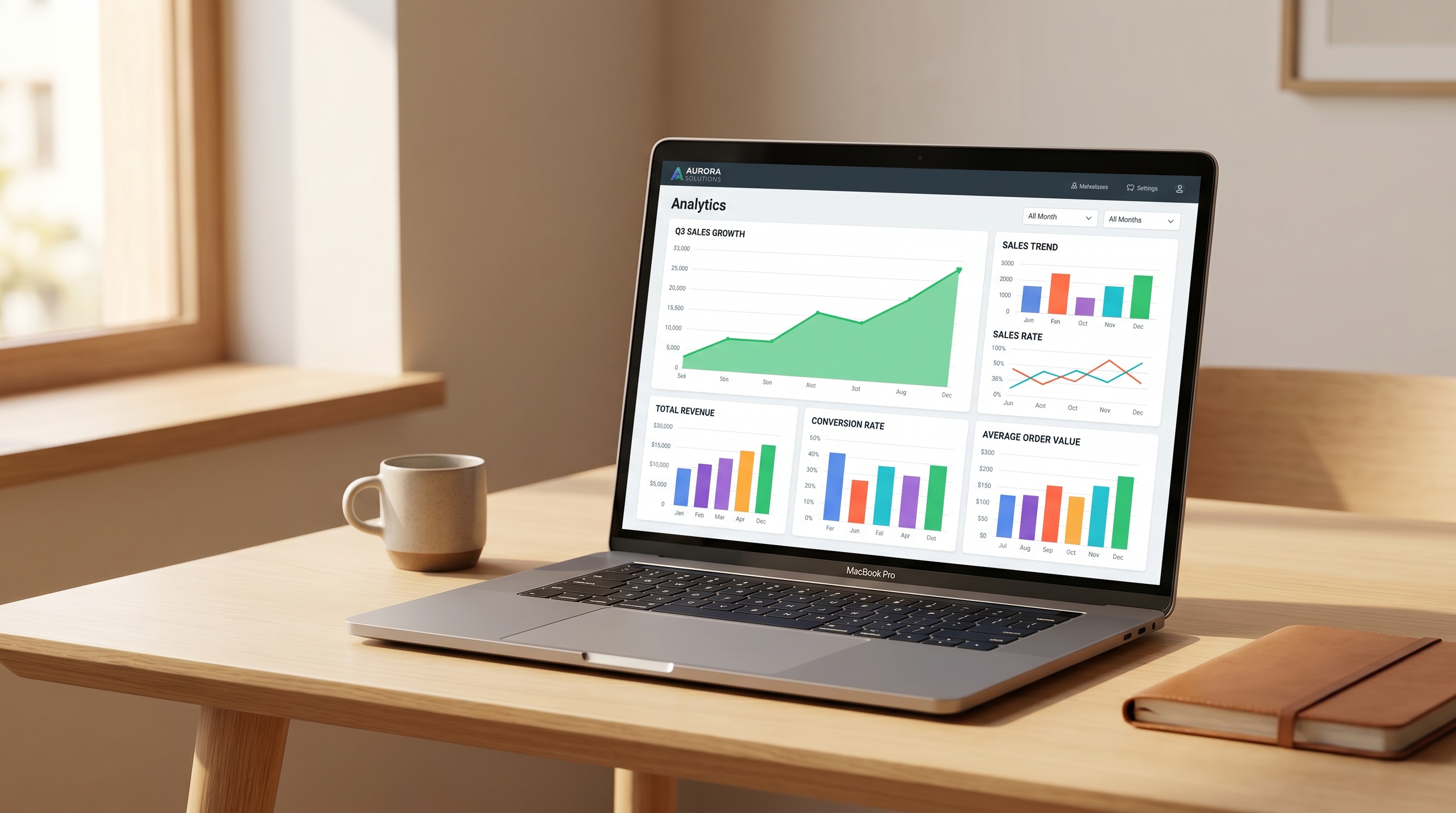
Dropshipping can become more profitable in total revenue when you can scale product testing, advertising, and order volume without physically buying and packing every item yourself. Shopify explains the dropshipping business model as selling products without handling inventory or shipping directly, with suppliers sending orders to customers. That structure can reduce upfront stock pressure, but it also means your profit depends heavily on supplier reliability, shipping consistency, product quality, and customer support control.
Understanding how these financial dynamics play out in real-world scenarios is essential for planning your business’s financial future. Let us examine the precise breakdown of margins and operational expenses.
How do margins compare between models?
Retail arbitrage typically yields higher individual margins of thirty to fifty percent because you purchase heavily discounted physical clearance items. Dropshipping margins generally range between fifteen and twenty-five percent due to platform fees and competitive pricing. However, dropshipping lets you sell thousands of items simultaneously, easily eclipsing the manual profit limits of arbitrage.
What hidden fees should you expect?
You must expect hidden costs like shipping surcharges, marketplace listing fees, and customer return costs in both business models. In dropshipping, unexpected supplier price hikes and international transaction fees can quietly erode your margins if left unmonitored. For arbitrage, fuel expenses, packaging materials, and warehouse storage fees are major profit drains.
Key Takeaway: While retail arbitrage offers attractive double-digit margins per sale, dropshipping is the undisputed winner for compounding your overall profits through infinite volume scaling.
What are the main risks of selling on Amazon?

The main risks of selling on Amazon include aggressive intellectual property complaints, intense buy-box price wars, and strict account health metrics that can trigger sudden store suspension. Selling brands without explicit authorization exposes your store to immediate legal and platform-level flags.
Navigating these platform minefields requires constant vigilance and an in-depth understanding of marketplace policy compliance. Let us analyze how these risks manifest and what you can do to protect your digital storefront.
Why do brand IP complaints happen?
Brand intellectual property complaints happen when trademark owners report unauthorized third-party sellers to protect their exclusive distribution networks. If you source items through retail arbitrage, you lack direct invoices from authorized manufacturers, making it nearly impossible to appeal these claims. Amazon will quickly suppress your listings and freeze your payouts if you fail to provide verifiable proof of authorization.
How does account health impact sales?
Your account health score directly dictates your listing visibility, Buy Box eligibility, and ultimate survival on the Amazon marketplace. Falling below standard performance targets due to late shipments, high order defect rates, or policy violations can cause permanent store suspension. Maintaining immaculate operational metrics is mandatory if you want to keep selling.
Key Takeaway: Selling branded goods without verified supply chain paperwork on Amazon is a high-risk gamble that can lead to permanent fund freezes and account termination.
How do you automate your daily business operations?
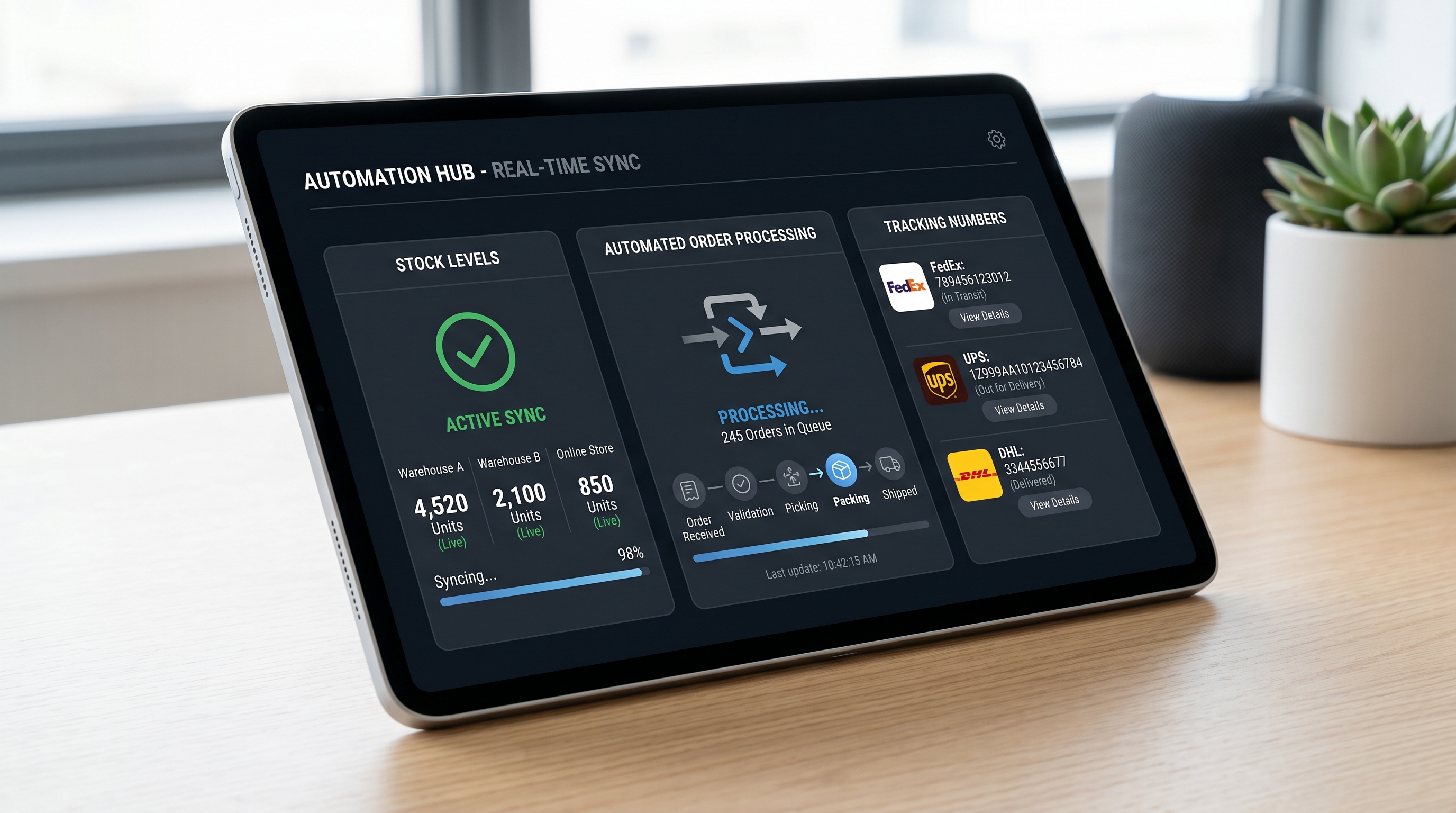
You can automate your daily business operations by deploying integrated software solutions that automatically sync stock levels, process customer orders, and upload tracking information. Automation removes human error from repetitive tasks and frees up your schedule to focus on high-level marketing.
Moving away from manual data entry is the only way to scale your online storefront without burning out. Let us look at the core software integrations that make hands-off management possible.
Can you auto-sync inventory levels?
Yes, modern e-commerce software can automatically sync your inventory levels between your suppliers and sales channels in real-time. This prevents the disastrous scenario of selling out-of-stock items, which can damage your seller reputation and lead to customer cancellations. It ensures your store remains open and accurate around the clock.
What is the best way to track orders?
The best way to track orders is by utilizing automated fulfillment platforms that instantly fetch tracking numbers from suppliers and upload them directly to your store. This keeps your customers informed at every stage of the shipping journey without requiring manual email updates.
Relying on manual order processing caps your store’s potential. Smart sellers build a hands-off business by integrating automation tools that handle product listings, sync stock levels, and upload tracking numbers automatically. For a detailed breakdown of how to automate your store logistics, choose private dropshipping agent solutions to handle fulfillment, product verification, and tracking sync effortlessly.
Which model is easier to scale for long-term growth?
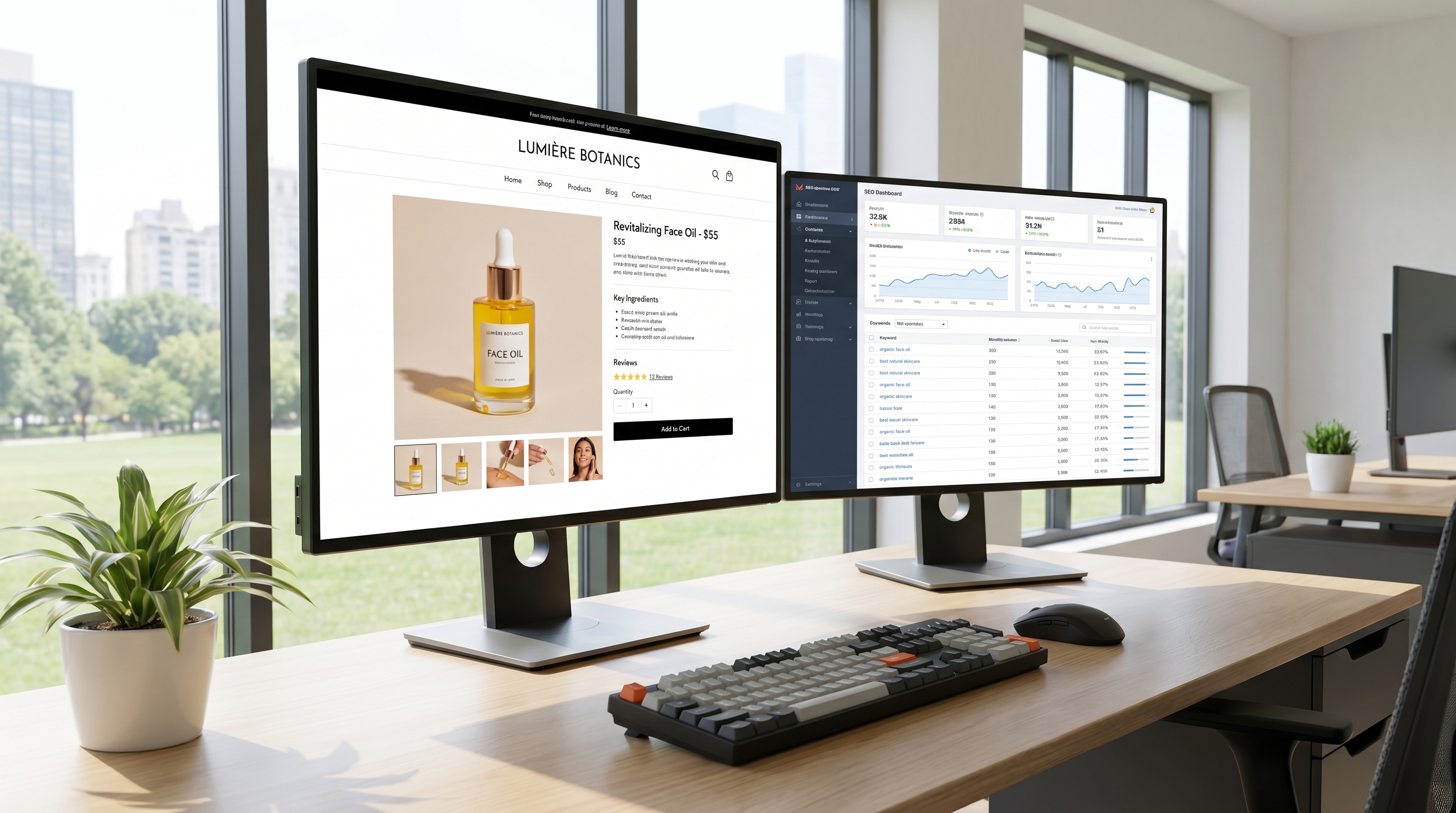
Dropshipping is significantly easier to scale for long-term growth because it detaches your revenue generation from physical labor, packing, and geographic limits. Since you do not physically handle the products, your business can process ten orders or ten thousand orders a day with minimal infrastructure changes.
However, scaling a dropshipping store comes with its own unique logistical hurdles that you must proactively manage. Let us examine how to bypass typical growth bottlenecks and build real, long-term brand equity.
How do fulfillment bottlenecks happen?
Fulfillment bottlenecks happen when a sudden surge in sales overwhelms manual order processing or exceeds your supplier’s available physical stock. If your supplier fails to ship orders within your promised delivery windows, you will face a wave of chargebacks, negative reviews, and platform penalties. This makes establishing direct, reliable fulfillment channels critical during high-growth periods.
Why is branding key to longevity?
Branding is key to longevity because it helps your store stop competing only on price and gives customers a clearer reason to remember your product experience. Retail arbitrage usually depends on existing brand demand, while dropshipping gives you more room to build your own presentation once a product has proven demand. A private label success path usually starts after the seller has stable sales, clearer product standards, and enough confidence to add packaging, inserts, labels, or other brand-owned details without creating unnecessary inventory risk.
Key Takeaway: To scale sustainably, you must abandon public marketplace suppliers and transition your dropshipping store into a custom-branded brand supported by dedicated supply chain partners.
How do manual and automated pricing strategies compare?
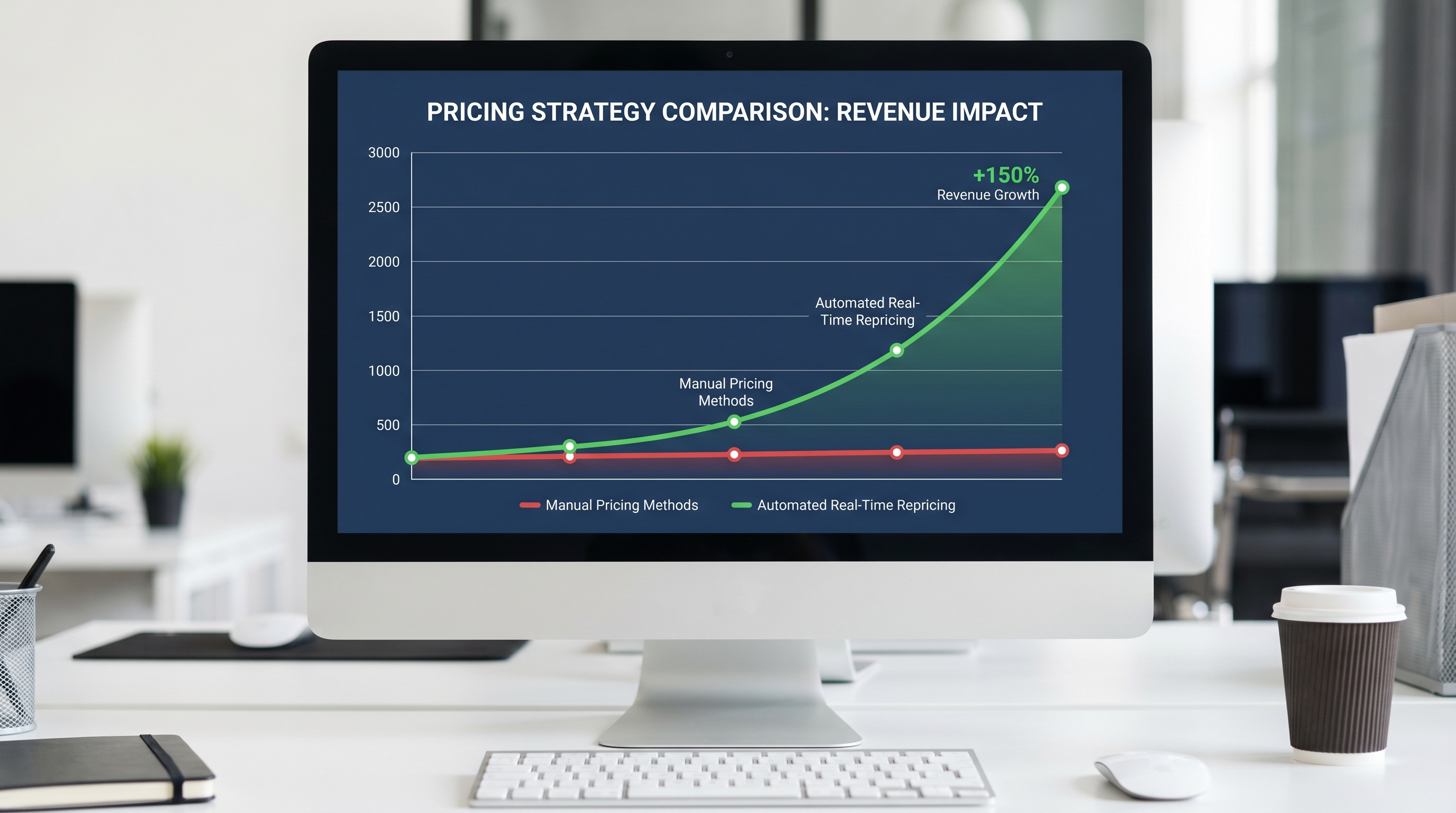
Automated pricing strategies far outperform manual repricing by adjusting your listing prices in real-time to match competitor changes and protect your profit margins. Manual repricing is too slow to keep up with hyper-competitive digital marketplaces, often causing you to miss out on sales or lose profits.
Understanding the operational differences between these two pricing methods will help you maximize your store’s conversion rates. Let us evaluate how automated tools can secure your competitive edge.
Why does manual repricing slow you down?
Manual repricing slows you down because it requires you to constantly check competitor listings, calculate margins, and update prices one item at a time. On fast-moving platforms, prices can change multiple times an hour, making human monitoring completely obsolete. This delay costs you valuable sales and eats up hours of your working day.
How do automated repricers protect margins?
Automated repricers protect your margins by instantly raising or lowering your prices within your pre-set minimum and maximum limits based on competitor actions. These tools ensure you remain competitive to win the Buy Box without accidentally selling products at a loss. This programmatic safety net keeps your pricing dynamic and your business highly profitable.
Key Takeaway: Implement automated repricing software immediately to stop bleeding margins and to ensure your store captures peak sales traffic without manual supervision.
How can a private dropshipping agent solve your scaling bottlenecks?

A private dropshipping agent solves your scaling bottlenecks by acting as your dedicated supply chain partner in China to handle product sourcing, quality control, and customized shipping. Instead of dealing with unreliable public suppliers on AliExpress, an agent secures lower product costs and guarantees faster, unbranded shipping.
Working with a private agent bridges the gap between the high quality of retail arbitrage and the effortless scale of dropshipping. Let us explore the direct structural advantages this partnership provides for your growing e-commerce brand.
What is the role of quality control in scaling?
Quality control is crucial when scaling because it ensures every single item shipped to your customers matches your exact standards, drastically reducing return rates and bad reviews. A private agent physically inspects goods at their warehouse before shipping them out. This step prevents defective batches from ever reaching your buyers, safeguarding your valuable seller accounts.
How does custom packaging build your brand?
Custom packaging builds your brand by transforming a standard delivery into a premium unboxing experience that drives customer retention and trust. When you use custom packaging options, you elevate your business above generic dropshippers and establish real market authority. This memorable branding touchpoint encourages word-of-mouth marketing and supports higher pricing.
Conclusion
Navigating the operational divide between retail arbitrage and dropshipping is a critical milestone for any digital entrepreneur. While retail arbitrage offers excellent hands-on learning, it lacks the scalability required to build a hands-off business. Traditional dropshipping solves the inventory issue but exposes you to serious quality control and shipping risks when relying on public, unverified suppliers.
To build a resilient, long-term brand, you must secure the absolute best of both worlds. Partnering with a dedicated private dropshipping agent allows you to enjoy flawless product sourcing, rigorous quality control, custom branding, and fast international shipping without holding any physical stock. Stop letting logistics cap your growth—partner with Runtodropship today to automate your supply chain and scale your e-commerce brand with confidence.
FAQ
Can I transition from retail arbitrage to dropshipping?
Yes, you can easily transition by moving your best-performing arbitrage products to a dropshipping supply model. This allows you to scale up order volume without physically packing boxes.
What’s the best way to avoid account suspension on Amazon?
The best way is to source directly from authorized suppliers and keep complete invoice records for all your inventory. Avoid listing restricted brands without clear, written manufacturer approval.
How do I know if my supplier is reliable?
You can verify their reliability by tracking their shipping speed, communication quality, and product consistency over a trial period. Better yet, work with a private agent who performs physical quality checks at the warehouse.
Can I use automated repricers on eBay?
Yes, automated repricers can monitor pricing fluctuations on your sourcing platforms and adjust your eBay listing prices instantly. This protects your margins without demanding constant manual supervision.
How do I start branded dropshipping with low capital?
You should start by finding a high-margin product and partnering with a private agent who offers customized packaging options. This approach allows you to build real brand equity without buying thousands of items in bulk upfront.