

Is YunExpress Legit? Yes, YunExpress is a real cross-border shipping company, not a fake carrier or a built-in scam. The risk for ecommerce sellers is usually not whether the carrier exists; it is whether your supplier, agent, route choice, tracking communication, packaging control, and local-carrier handoff are managed well enough for the customer promise you make.
Core Summary: YunExpress can be a legitimate and useful route for dropshipping and cross-border ecommerce, especially for China-origin parcels. However, many negative reviews come from problems around fake early tracking numbers, late supplier handoff, poor product quality, damaged packaging, final-mile scan gaps, and customer expectations that were set too aggressively. If you use it, judge the whole order-to-door workflow, not only the carrier name.
Picture the typical situation: your store gets a sale, the supplier prints a label quickly, a tracking number appears, and the customer thinks the package is moving. Several days later, the tracking still looks quiet. The buyer emails support, searches “yunexpress scam,” reads angry delivery reviews, and assumes the carrier is the problem. Sometimes the route is slow. Sometimes the real delay happened before the parcel entered YunExpress at all. The safer way to operate is to separate supplier preparation, carrier acceptance, line-haul movement, customs, and local delivery before you promise a delivery date.
Is YunExpress Legit

YunExpress is legitimate, but legitimacy does not automatically mean every shipment experience will be smooth. A real carrier can still have delayed scans, weak local partners, lost packages, unclear handoffs, or angry customer reviews when the seller’s front-end promise is unrealistic.
For sellers, the better question is: “Can this route support my product, destination, customer promise, and support workflow?” A legitimate carrier can be the wrong route for a fragile product, a premium branded package, a remote destination, or a store that promises fast delivery without checking processing time.
YunExpress appears in ecommerce operations because it focuses on cross-border parcel movement from China to international markets. The company presents itself as a cross-border ecommerce logistics provider, with services around B2C dedicated lines, tracking, marketplace support, and international parcel movement. That makes it different from a random tracking-number website or a fake delivery notice.
Seller discussions also tend to treat YunExpress as a normal shipping option rather than a fake company. Experienced operators usually debate route speed, cost, handoff quality, product restrictions, and destination performance, not whether the company exists.
Before judging negative reviews, sellers should first understand what YunExpress is: a cross-border shipping route with supplier handoff, carrier acceptance, international movement, and local delivery stages. These stages explain why a real carrier can still create confusing tracking experiences.
Key Takeaway: Treat YunExpress as a real carrier route, not a scam by default. Your real due diligence should focus on supplier behavior, package handoff, tracking visibility, destination performance, and customer-facing promises.
Why YunExpress Reviews Can Look So Negative

YunExpress reviews often look negative because buyers judge the visible shipping label, while the real problem may have started with the seller, supplier, product, or tracking promise. This gap is one reason public reviews can look much harsher than what sellers see in daily operations.
Many customers only discover the carrier name after a problem. They do not see the supplier who delayed dispatch, the dropshipper who oversold delivery speed, or the store that chose the cheapest route without checking the product fit. When the parcel arrives late, damaged, or different from the advertised product, the label may be the only name the buyer can identify.
The Review Gap Between Sellers and Consumers
Seller-side and consumer-side reviews often measure different things.
This distinction matters because a carrier may perform normally after acceptance, while the full customer timeline still feels slow. A carrier may move the parcel within a reasonable route window after acceptance, while the full customer timeline still feels long because the supplier took days to source, pack, or hand over the item.
Public review platforms also overrepresent unhappy customers. That does not mean you should ignore negative reviews. It means you should read them by cause: tracking delay, no delivery, damaged parcel, wrong item, support issue, or seller deception.
Is YunExpress Safe for Dropshipping Sellers?
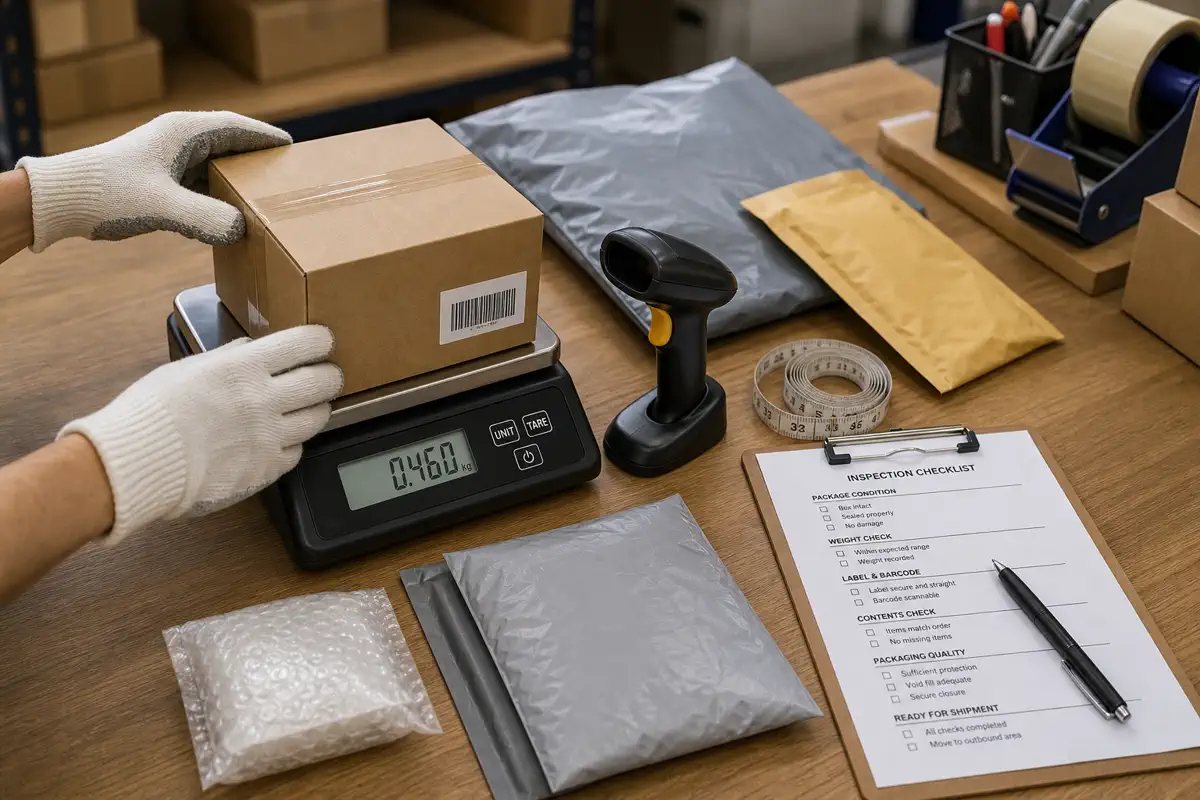
YunExpress can be safe for dropshipping sellers when you control product fit, dispatch timing, address accuracy, packaging expectations, and customer communication. It is not safe as a blind shortcut where any supplier can print a tracking number and leave the customer waiting.
Safety has several layers. A real shipping route can still create business risk if you use it for the wrong item or write the wrong delivery promise. For example, lightweight general goods may fit a standard cross-border route better than oversized, fragile, battery-heavy, liquid, cosmetic, or premium packaged products that need route checks and packing confirmation.
What “Safe” Should Mean Operationally
For a seller, “is yunexpress safe” should mean:
- The parcel is actually handed to the route, not only label-created.
- The product category is allowed and suitable for the destination route.
- The packaging method will protect the item and match the customer’s expectation.
- Tracking updates can be explained in your support workflow.
- The local delivery partner is acceptable for your target country and customer segment.
- Your shipping policy separates processing time from transit time.
If you sell through Shopify, TikTok Shop, WooCommerce, Amazon, or another channel with customer-visible delivery expectations, this distinction matters. A clean tracking number is not enough.
Runtodropship has worked with YunExpress-related shipping options for eight years, and the practical lesson is simple: the carrier route is only one part of the backend. Product sourcing, pre-shipment checks, packing confirmation, route selection, tracking upload, and after-sales response all shape whether buyers experience the shipment as reliable.
Delivery range planning should be based on YunExpress shipping time, including processing time, transit time, customs, weekends, and local-carrier delivery. It separates processing time, transit time, customs, weekends, and local-carrier delivery so sellers do not confuse a route estimate with the full customer wait.
Key Takeaway: YunExpress is safer when it is managed as part of a controlled order workflow. It becomes risky when sellers treat a label, tracking number, or advertised route range as proof that the full customer experience is under control.
Is YunExpress a Real Company or a Fake Tracking Name?
YunExpress is a real company, not just a fake tracking name. The official YunExpress About page identifies the company behind YunExpress and presents it as a cross-border small-parcel logistics provider for global ecommerce merchants.
That said, a real carrier name can still be misused by bad sellers. This is where confusion starts. Some suppliers or sellers may create a shipping label before they physically hand over the item. The customer sees a tracking number, but the parcel has not yet entered the carrier network. If several days pass without movement, the buyer may think the tracking is fake.
Label Created Is Not the Same as Carrier Acceptance
This distinction is critical:
For US-bound parcels, this is similar to the USPS status Shipping Label Created, USPS Awaiting Item, which means a label exists but the package has not yet been given to USPS. That same logic helps sellers explain why a tracking number can exist before the parcel is physically moving.
If a buyer asks “is yunexpress fake,” the honest answer is usually no. But if the seller printed a label too early, the tracking experience can feel fake. That is a seller-process issue, not proof that the carrier does not exist.
For ecommerce operators, the fix is to publish better tracking expectations, avoid uploading tracking too early if it creates confusion, and monitor parcels that remain label-only for too long.
How to Verify Whether a YunExpress Tracking Number Is Real
A YunExpress tracking number is more trustworthy when it shows more than label creation. Look for carrier acceptance, export movement, customs movement, destination-country arrival, and a local-carrier handoff number when available.
If the tracking only shows a label-created stage for several days, the parcel may not have entered the carrier network yet. That does not prove YunExpress is fake, but it does mean the seller or supplier needs to confirm physical handoff.
For buyers, the practical step is to check the number on YunTrack, a neutral tracking tool, and the local carrier once a final-mile number appears. For sellers, the operational step is to flag orders that stay label-only beyond your internal processing promise.
Why People Search “YunExpress Scam”
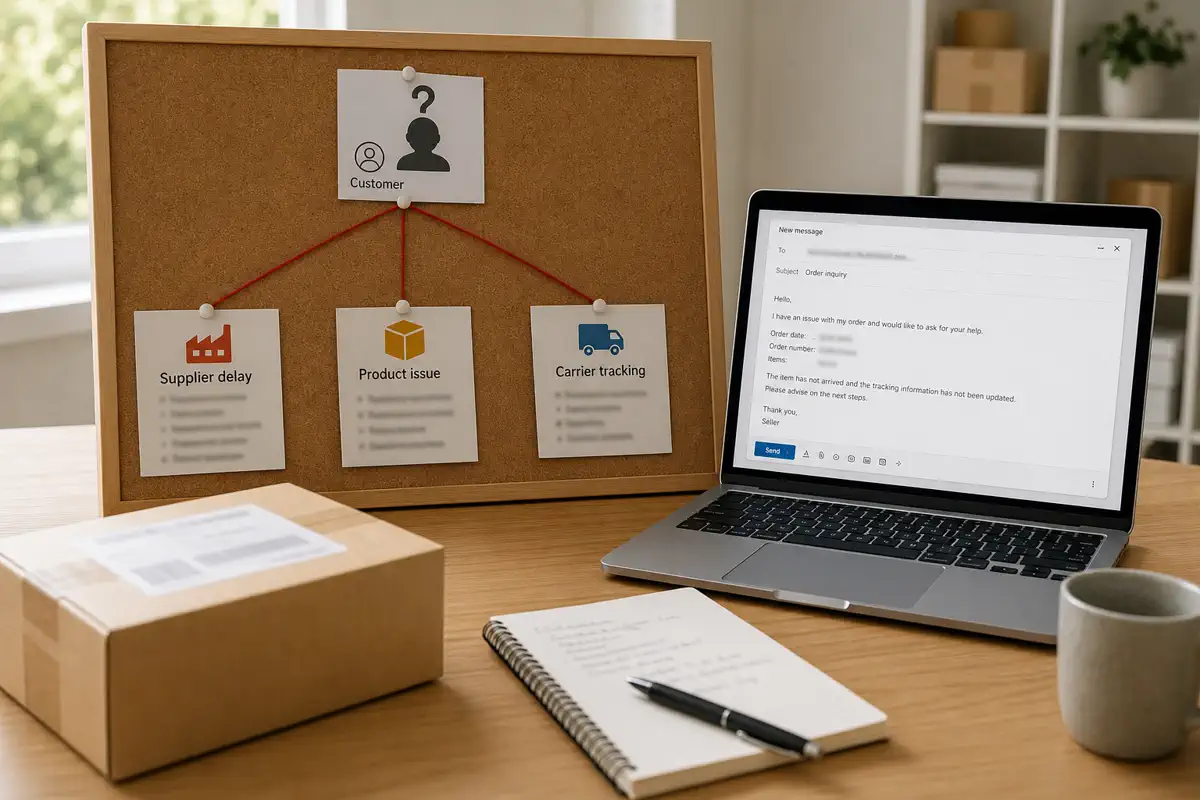
People search “yunexpress scam” because delayed scans, poor seller behavior, and bad product experiences get bundled under the carrier name. The customer may not know whether the issue came from the supplier, store, route, customs, local delivery partner, or carrier.
One common pattern is the bait-and-switch problem. A customer buys a product from a store, receives something cheap, broken, incomplete, or different from the product page, and then sees YunExpress on the parcel label. The buyer blames the carrier, even though the product problem belongs to the seller or supplier.
Another pattern is the early-tracking problem. A seller creates a label quickly to calm the buyer, but the product is still being sourced, packed, checked, or moved to the carrier.
This is why supplier control matters before the carrier decision. A dropshipping sourcing agent can help compare suppliers, confirm product details, and reduce the chance that tracking is created before the item is actually ready to move.
Separate Carrier Risk from Seller Risk
Use this simple diagnostic:
If the product is wrong, cheap, broken, incomplete, or very different from the product page, the first problem is usually seller or supplier quality control, not YunExpress.
If the tracking number appears quickly but does not show real parcel movement for several days, the problem may be early label creation, supplier preparation delay, or late physical handoff to the carrier.
If the parcel shows international movement but becomes quiet near customs or destination-country transfer, the issue may be customs clearance, line-haul timing, or local-carrier handoff.
If the tracking says delivered but the customer did not receive the parcel, check the final-mile delivery record, address accuracy, proof of delivery, and local carrier status before blaming the cross-border carrier.
If the customer mainly complains that delivery took longer than promised, compare your published processing time and delivery promise with the real order-to-door timeline.
This is also why “is yunexpress trustworthy” has a conditional answer. The carrier can be trustworthy enough for many ecommerce routes while a bad seller using the same carrier is not trustworthy at all. Trust should be assigned to the whole workflow.
Key Takeaway: Do not let the word “scam” collapse every problem into one bucket. Verify whether the issue is label timing, supplier delay, product quality, customs, local delivery, or customer expectation before blaming the carrier.
The Real Seller Pain Point: Last-Mile Handover Gaps
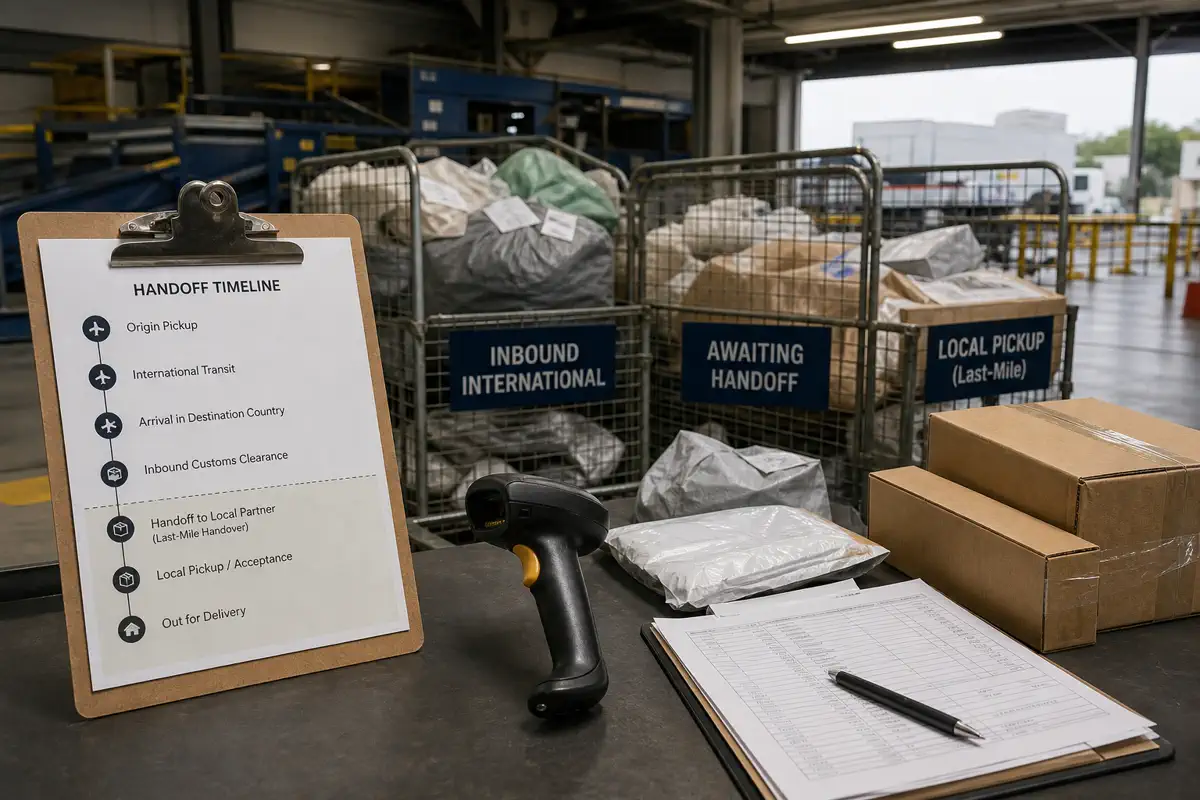
The most frustrating YunExpress issue for sellers is often the last-mile handover gap, where the parcel appears to stop moving as it transfers from the cross-border route to a local carrier. This can create support pressure even when the package is still moving.
In the United States, sellers often watch for USPS or another local carrier to show a meaningful update. A customer may see wording like “awaiting item” and assume the package has not shipped. In reality, the parcel may be between international movement, customs release, destination sorting, and local induction.
Some seller discussions also mention concern around certain final-mile partners, including GoFo Express in some US delivery contexts. Because final-mile partners can vary by route, destination, and time, treat this as a reason to test destinations and monitor exceptions, not as universal proof.
How to Reduce Handover Support Tickets
You can reduce the damage of handover gaps with three practical habits.
First, use tracking tools that show both the YunExpress movement and the local-carrier number when available. Second, train support to explain the stage without promising a delivery date local tracking does not support. Third, track destination patterns. If one route creates repeated final-mile complaints for a specific country, state, or postcode group, a fast shipping dropshipping agent can help compare route options, dispatch control, and tracking visibility before the same complaint pattern scales. A direct route comparison such as 4PX vs YunExpress can help sellers think beyond one carrier name.
Packaging and Product-Presentation Risks

YunExpress-related complaints are not only about speed; packaging and product presentation can also damage customer trust. A route that reduces parcel volume or repacks items may not fit premium products unless the seller confirms packaging rules first.
One seller-side case shows the risk clearly: a premium handbag was shipped without its original branded box after warehouse-side repacking. The stated reason was volume reduction, but the customer received a damaged-looking presentation and the seller faced complaints. This type of issue is not only a carrier question. It is a packaging-control question.
When Repacking Becomes a Brand Problem
Repacking may sound harmless for low-value generic goods. It can be harmful for:
- Premium accessories that depend on presentation.
- Giftable products where the box is part of perceived value.
- Private-label items with inserts, branded sleeves, or custom packaging.
- Fragile items that need structure, not only a mailer bag.
- Products where original packaging proves compatibility, version, or authenticity.
If your store sells premium, branded, or giftable products, confirm what can be removed, compressed, folded, or repacked before you scale the product.
This is where a private-agent workflow matters. Product checks and packing confirmation can catch risks before dispatch. As a private dropshipping agent, Runtodropship can help sellers coordinate sourcing, pre-shipment checks, packaging confirmation, shipping route choice, and after-sales communication in one accountable workflow.
How to Read YunExpress Reddit and Trustpilot Discussions

YunExpress Reddit discussions and YunExpress Trustpilot reviews should be read as problem signals, not as a single verdict. They can reveal real pain points, but they mix carrier performance, seller behavior, supplier quality, and buyer frustration.
Reddit seller discussions are useful because operators often understand the difference between transit time and total delivery time. Some sellers report US deliveries around 10 to 12 days in their own experience, while also warning that supplier preparation can add another week before the carrier receives the parcel. That is an anecdote, not a guarantee, but it teaches the right lesson: transit time does not equal customer delivery time.
Public YunExpress reviews are useful for another reason: they show what customers feel when tracking updates, delivery attempts, local-carrier handoff, or customer communication breaks down. If many reviews complain about no updates, missing packages, or confusing delivery status, you should examine whether your store’s tracking page and support scripts explain each stage clearly enough.
For sellers with repeated WISMO tickets, a customer service for dropshipping workflow can turn tracking gaps, delivery exceptions, refund requests, and review complaints into documented support rules instead of emotional one-by-one replies.
A Better Review-Reading Method
When reviewing public complaints, classify them into buckets:
Seller-side problems: wrong product, misleading product page, fake store, weak refund policy, or no response after the customer complains.
Supplier-side problems: slow sourcing, late packing, delayed warehouse processing, or a tracking number created before the parcel is physically handed over.
Carrier-route problems: slow transit, limited tracking visibility, export delay, customs delay, or destination-country transfer delay.
Final-mile problems: local carrier waiting for the parcel, failed delivery attempt, marked delivered but not received, wrong address handling, or weak delivery proof.
Packaging problems: damaged outer packaging, removed retail box, compressed product presentation, or insufficient protection for fragile or premium items.
Expectation problems: the seller promised delivery too aggressively, failed to separate processing time from transit time, or did not explain tracking gaps before the customer became anxious.
If you only ask whether YunExpress is good or bad, reviews will confuse you. If you ask which part of the workflow failed, reviews become useful operating data.
How to Use YunExpress Without Damaging Customer Trust
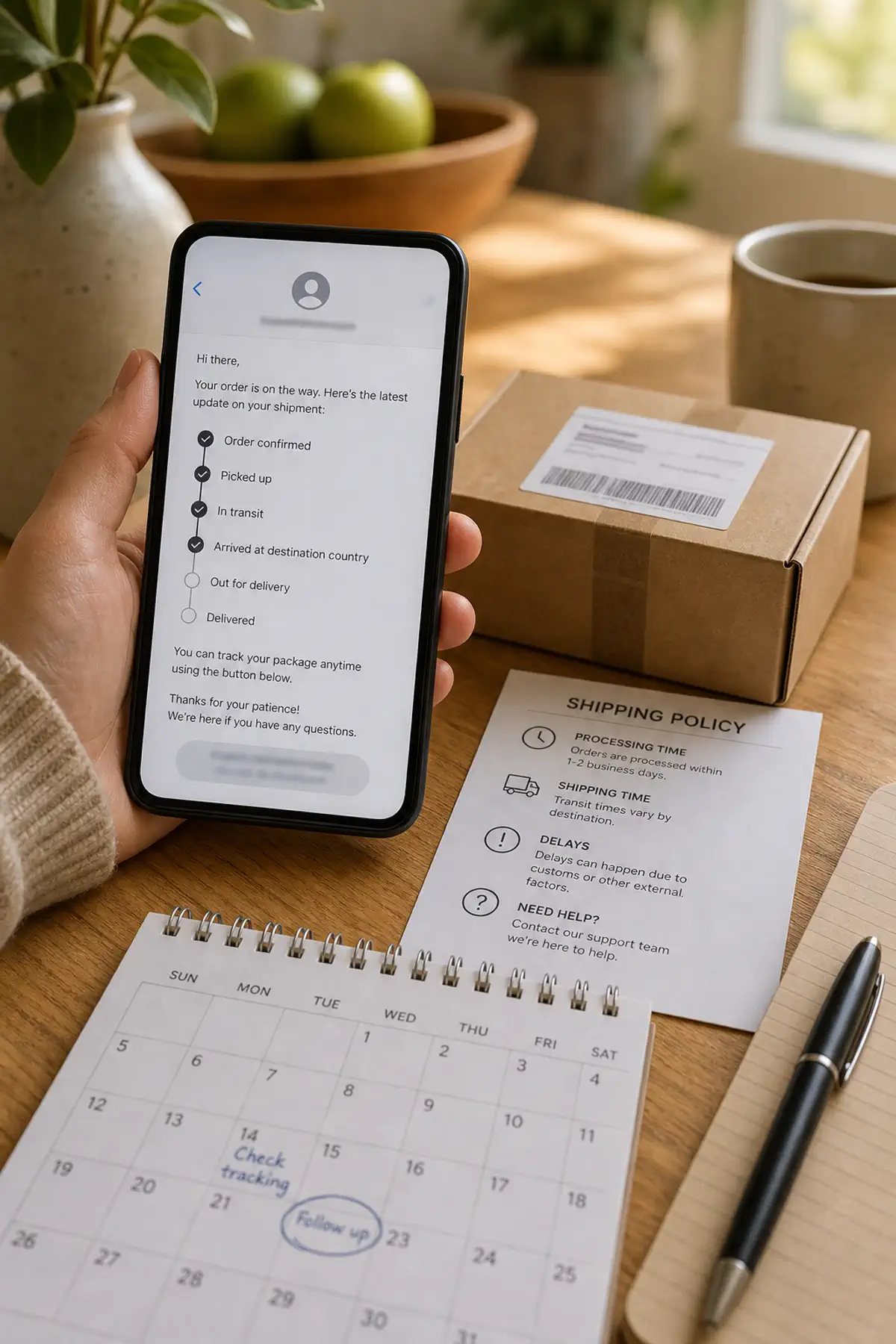
The safest way to use YunExpress is to build rules around route selection, processing visibility, tracking communication, and escalation. Do not rely on the carrier name alone to protect your store.
Start before the first order. Decide which product categories can use standard cross-border routes, which need a faster or more controlled option, and which should not be sold until packaging and destination restrictions are confirmed.
Seller Checklist Before Scaling
Use this checklist:
- Confirm the supplier can hand over parcels within the processing time you publish.
- Separate label creation from physical carrier acceptance in your internal tracking.
- Test the route to your main countries before promising a delivery range.
- Confirm whether original packaging, inserts, and branded materials will be preserved.
- Check the local delivery partner for key markets.
- Prepare support replies for label-only, customs, handoff, and delivery-exception stages.
- Review refund, replacement, and resend handling before high-volume sales begin.
If you use YunExpress Standard-class routes, compare the tradeoffs in the YunExpress standard shipping guide. Standard routes can be practical, but they should be matched to product value, customer expectations, and destination reliability.
What to Tell Customers
Your public copy should avoid both overpromising and vague excuses:
“Your order is prepared before the carrier transit stage begins. Tracking may show limited movement during handoff, customs, or local-carrier transfer. Once the local tracking number is active, final delivery updates will come from the local carrier.”
That message does not guarantee speed. It sets a realistic process expectation.
Key Takeaway: Use YunExpress with route rules, tracking-stage language, packaging checks, and escalation standards. A carrier route is a tool; customer trust depends on how the full seller workflow is managed.
When You Should Avoid YunExpress

You should avoid YunExpress for a specific product or market when the route cannot support your customer promise, packaging requirements, product category, or support tolerance. The carrier can be legitimate and still be the wrong operational choice.
Avoid or pause the route when:
- Your supplier cannot prove quick physical handoff after label creation.
- The product needs premium retail packaging that may be removed or compressed.
- The destination has repeated final-mile complaints under your current route.
- The item is fragile, restricted, oversized, liquid, magnetic, or battery-related and route suitability is unclear.
- Your store promises fast delivery but does not control processing time.
- Your support team cannot explain tracking-stage gaps clearly.
- A better tested route exists for the same product and destination.
This is not an argument against YunExpress. It is an argument against using any shipping option blindly. If your store is scaling, the right answer may be dynamic routing by product, destination, and customer promise.
For Runtodropship clients, route choice can be handled as part of the broader private-agent process: product sourcing, supplier communication, product checks, packing confirmation, and shipping arrangement are considered together rather than as disconnected decisions.
FAQ
Is YunExpress reliable?
YunExpress can be reliable for suitable China-origin ecommerce parcels, but reliability depends on product fit, supplier handoff, destination route, local carrier, and tracking communication. Do not judge it by carrier name alone.
Is YunExpress a scam?
No, YunExpress itself is not a scam by default. Many scam complaints come from bad sellers, fake expectations, early labels, poor products, or local delivery problems that customers associate with the carrier name on the parcel.
Why does YunExpress tracking stop updating?
Tracking can stop updating during supplier handoff, export movement, customs, destination sorting, or local-carrier transfer. Check whether the parcel has a real carrier acceptance scan and whether a local tracking number is available.
Should I trust YunExpress reviews?
You should read reviews carefully, but classify the complaint type. A late scan, wrong product, damaged box, missing package, and bad seller support are different problems requiring different fixes.
Is YunExpress good for Shopify dropshipping?
It can be useful for Shopify dropshipping when you set realistic processing and delivery ranges, test the route, monitor handoff gaps, and use a reliable backend process. It is risky if you promise fast delivery without controlling supplier preparation.
Is YunExpress tracking fake?
Usually no. A YunExpress tracking number can be real even if it looks inactive for several days. The important distinction is whether the seller only created a label or the parcel has received a real carrier acceptance scan. If tracking stays label-only too long, ask the seller to confirm physical handoff.
Who delivers YunExpress packages in the US?
YunExpress often hands parcels to a local final-mile carrier after the cross-border stage. The exact partner can vary by route and destination, so sellers should check the local tracking number when it becomes available instead of assuming one universal delivery partner.
Conclusion
YunExpress is a real and commonly used cross-border shipping option, but it is not magic. The big operational lesson is that a legitimate carrier route can still produce angry customers when the seller uploads tracking too early, hides processing time, ignores packaging risks, chooses a weak final-mile route, or fails to explain handoff gaps.
If you are deciding whether to use YunExpress, do not stop at “legit or scam.” Check whether your supplier can hand over parcels quickly, whether the route suits your product, whether the destination has acceptable final-mile performance, and whether your customer support can explain the full tracking journey. A store that manages those pieces well can use YunExpress more responsibly than a store that treats the tracking number as the whole solution.
For qualified sellers, mentors, agencies, and operators who need sourcing, pre-shipment checks, packaging confirmation, route selection, tracking coordination, and after-sales support in one workflow, Runtodropship can help review your products, target countries, and order volume before you scale a route. Send your product links and main destinations to discuss a practical shipping plan.