
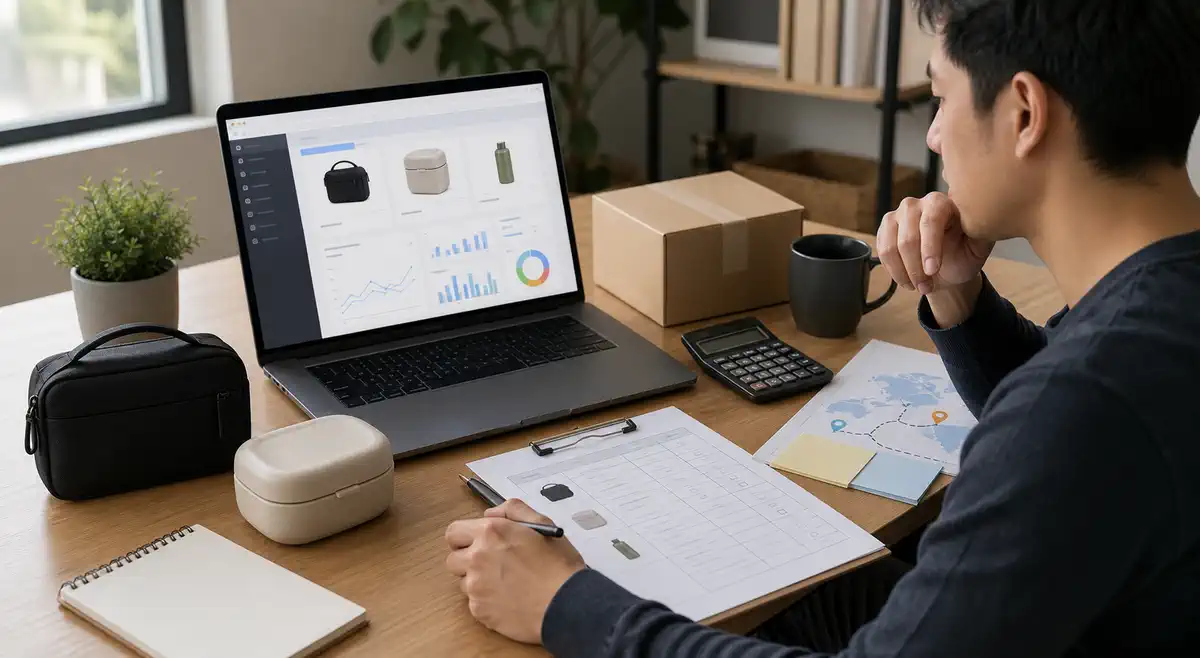
The aliexpress dropshipping center is an AliExpress account-based product-research area for finding listings, comparing demand signals, and reviewing products before you decide what to test.
Quick Answer: Sign in to your AliExpress account, open the DS Center, use its product search to build a shortlist, and paste promising listing URLs into Product Analysis. Treat the results as clues, not proof: confirm the supplier, sample, packed cost, shipping to your target country, and customer demand before you spend heavily on a product.
A typical seller sorts by popularity, assumes the first rising item is a winner, and launches it without checking the parcel or supplier. The listing may then change price, arrive too slowly, or fail to match the store promise. A safer approach uses the tool to narrow your search, then tests the product, supplier, delivery route, and offer separately.
What Is the aliexpress dropshipping center?
It is an AliExpress product research workspace, often called the DS Center, that helps ecommerce sellers discover products and inspect marketplace demand signals. It does not build your store, import listings, place customer orders, or guarantee that a product will sell.
Current guides consistently show two core jobs:
- Find Products to Sell: browse or search AliExpress items and narrow them with available filters.
- Product Analysis: paste an AliExpress product URL and review its sales-interest pattern over time.
Some accounts or interface versions may also show image search, sponsored-product areas, supplier information, warehouse or destination filters, or request-for-quotation features. AliExpress changes interfaces, so use the labels visible in your own account rather than expecting every screenshot from an older tutorial to match.
The tool is most useful at the beginning of a product decision. It can help you replace random browsing with a shortlist, but it cannot tell you whether your ad angle, selling price, product quality, shipping promise, or customer experience will work.
How to Access the DS Center
The most direct route is to sign in to AliExpress and use its official DS Center address. That endpoint returned a live response during research on July 14, 2026, although the page may redirect or display differently by account, language, region, or interface version.
If the dashboard does not appear:
- Confirm that you are signed in to the intended AliExpress account.
- Open the direct address in a desktop browser.
- Reload the page or clear the site cache.
- Try another supported browser or a private window.
- Check whether AliExpress asks you to accept terms or join its business program.
- Contact AliExpress support if the account still cannot reach the tool.
Avoid installing an unrelated extension merely because it uses the same name. At least one Chrome Web Store extension says it is not linked to AliExpress and acts as a shortcut. Read the publisher, permissions, privacy disclosure, and affiliate terms before adding any third-party browser tool.
Key Takeaway: Start with the official AliExpress domain while signed in. If access varies, troubleshoot the account and browser first instead of giving an unknown extension access to your shopping activity.
Use the Tool to Build a Product Shortlist
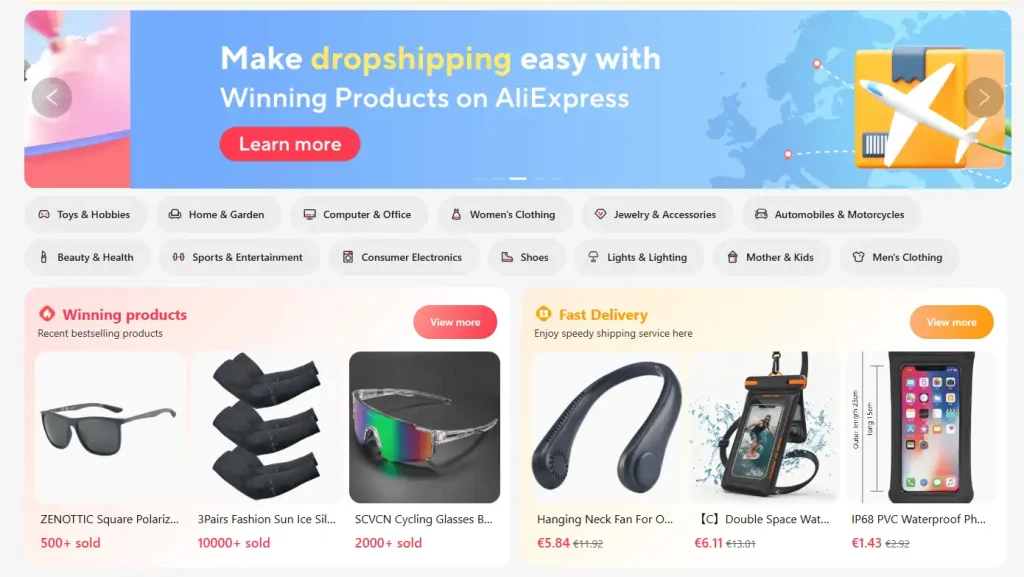
Use the research workspace to reduce a large catalog to a small group of products worth checking outside the dashboard. A useful shortlist is not a list of whatever has the most orders; it combines demand clues with product, customer, and delivery fit.
Start with a customer problem or use case
Enter a product type, category, or image only after you can describe who might buy it and why. A visible sales curve cannot rescue a product that has no clear customer, is difficult to demonstrate, or creates avoidable safety, intellectual-property, or shipping problems.
Filter for the market you will actually serve
Set the destination, ship-from location, price range, category, and delivery options when those filters are available. A product that looks attractive before the destination is selected may have a very different shipping cost or delivery estimate for your customers.
Keep several candidates
Save three to five listings that solve the same customer problem. Record the product URL, supplier, item price, shipping quote, delivery estimate, reviews, order history, and any important variant differences. This makes the next comparison evidence-based instead of emotional.
Product discovery should also extend beyond one marketplace. Comparing the same idea with Google Trends for dropshipping can show whether interest is seasonal, regional, rising, or fading outside AliExpress.
Read Product Analysis Without Overtrusting It
Product Analysis is a screening signal, not a sales forecast. Use it to compare relative patterns and identify questions, then verify those questions with current listing details and a real test.
Look for a pattern, not one high point
Paste a candidate listing URL into the analysis field and review the visible trend. A steady pattern may justify more investigation, while one sudden peak may reflect a short promotion, season, viral post, or temporary listing effect.
Some versions describe the graph as an index rather than exact units sold. Do not convert a relative score into revenue, market size, or guaranteed order volume. Record only what the interface actually labels.
Compare like with like
Two similar listings may differ in variant, package size, ship-from location, destination, delivery method, or supplier. Confirm those details before treating their price or performance signals as comparable.
Cross-check external demand
Search marketplaces, customer reviews, social comments, keyword-interest tools, and competitor offers for the same buyer problem. You are looking for consistent evidence that real people want the outcome, not simply evidence that an AliExpress listing has activity.
Key Takeaway: Let the graph decide which candidate deserves another check, not which product deserves a large advertising budget. A dashboard trend becomes useful only after you match it to the exact listing, destination, customer need, and test plan.
Check the Supplier and the Physical Product
Research data cannot confirm what a customer will receive. Before listing a product, order the exact variant and check the supplier’s communication, product, package, and delivery journey.
Ask the supplier to confirm:
- current stock for the exact variants you will sell;
- processing time before the parcel enters shipping;
- shipping methods, tracking, and destination limits;
- whether invoices, promotions, QR codes, or marketplace branding appear in the parcel;
- what happens after a wrong, damaged, incomplete, or undelivered order;
- whether price, material, accessories, or packaging may change.
Then place a sample order through the same route you expect customers to receive. Check function, material, dimensions, included parts, labels, packaging protection, tracking events, delivery condition, and the accuracy of the listing. Reviews and seller history help you choose where to test, but they do not replace a sample.
When visible defects, wrong variants, or missing parts would create customer-facing risk, define a dropshipping quality control process around specific inspection points rather than a vague request to check quality.
Calculate the Complete Test Cost
The listing price is only one part of the amount you risk when testing a product. Calculate the cost of one delivered order and the cost of learning whether the offer works.
Use this practical structure:
Delivered order cost = item + shipping + packaging or handling + payment and currency costs + applicable duties or taxes you are responsible for + a reasonable allowance for replacements and refunds
Your test budget may also include the sample, creative production, store tools, payment fees, advertising, customer support, and returns. Use current destination-specific quotes; do not reuse an old shipping price or assume that a local-warehouse filter guarantees local stock.
Compare candidates using the same destination, variant, shipping method, and packed dimensions. If the margin works only when every uncertain cost is ignored, the product is not ready for a paid test.
Run a Controlled Test Before Scaling
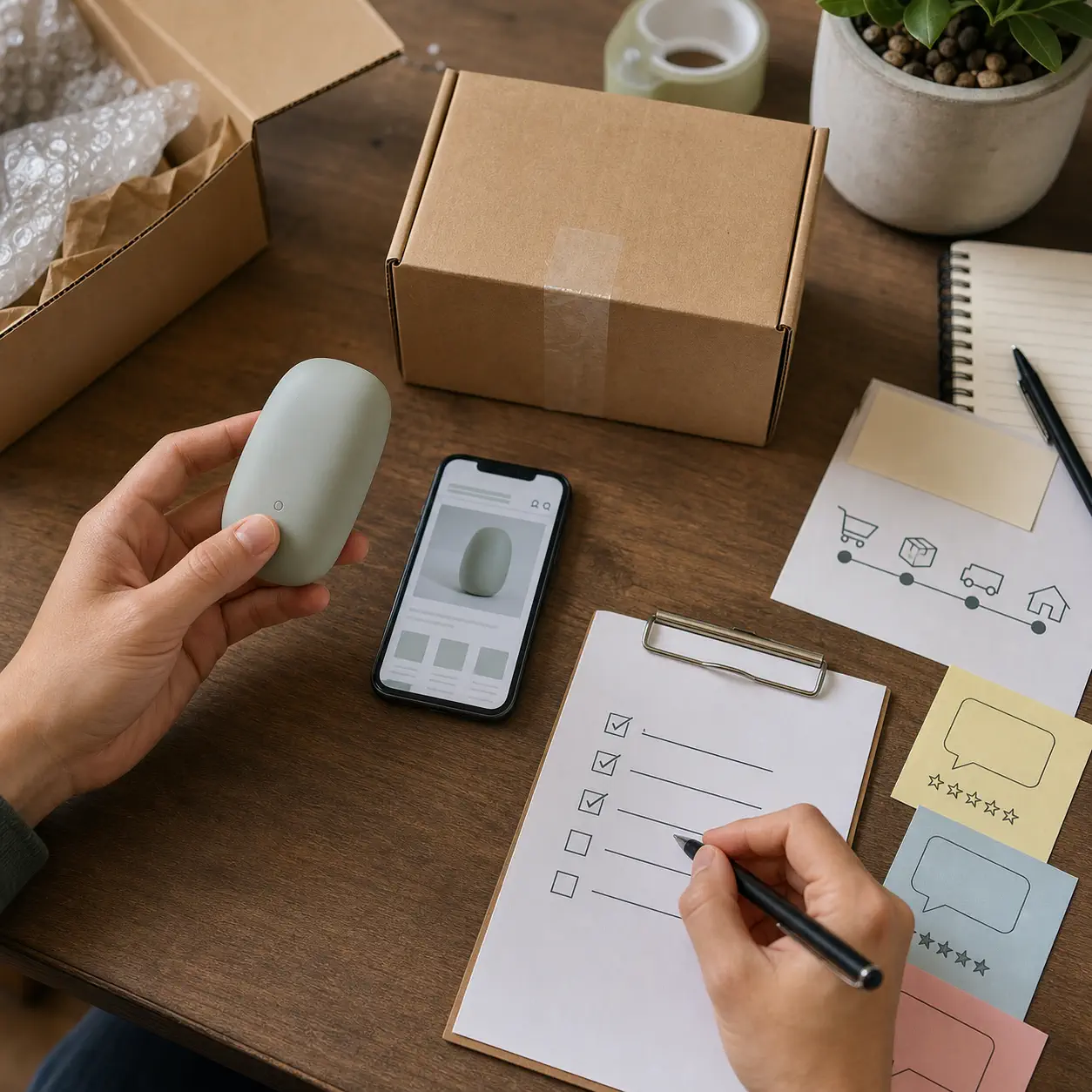
Run a small, measurable test before increasing ad spend or committing inventory. Decide in advance what evidence will make you continue, change the offer, switch the supplier, or stop.
Test the complete promise
Use the exact product, page promise, destination, shipping route, and customer communication you intend to keep. Monitor product-page engagement, checkout behavior, paid-order quality, supplier acceptance, dispatch, tracking, delivery condition, customer questions, and returns.
Separate product failure from execution failure
Weak demand may mean the product or offer is wrong. Late dispatch, incorrect variants, poor packaging, or silent tracking may mean the supplier workflow is wrong. Treating every failure as a marketing problem can keep you spending on a product that cannot be delivered reliably.
Change one major variable at a time
If you change the product, price, creative, audience, supplier, and shipping route together, you will not know what improved or broke the result. Keep a simple test record and make the next decision from observed behavior rather than a dashboard label such as hot or trending.
Key Takeaway: Scale only after both sides of the test pass: customers respond to the offer, and the supplier can repeat the promised product and parcel journey. Product interest without reliable execution is not a scalable result.
Know When the Research Tool Is No Longer Enough
The DS Center remains useful for discovering and comparing AliExpress listings, but it does not manage the physical work behind a growing store. It does not independently inspect stock, enforce a packaging specification, combine products from several suppliers, choose a route for each destination, or investigate every exception.
Keep using AliExpress for controlled testing when listings are stable, samples pass, and the supplier can repeat your required process. Consider a different operating model when the same products sell consistently and you need clearer control over sourcing, incoming checks, packing, shipping coordination, or after-sales follow-up.
If the problem is the marketplace model rather than product discovery, compare AliExpress alternatives by seller need before switching. This separates a need for better research software from a need for a different supplier or operating model.
Sellers with stable orders who need a coordinated transition can map product, supplier, stock, packaging, and shipping responsibilities through an AliExpress-to-private-agent workflow. The transition should preserve live orders while each responsibility moves to a named owner.
The decision is not AliExpress versus an agent in every case. Use the lightest model that gives your current order volume enough control, and upgrade when recurring exceptions consume more time or customer trust than the marketplace convenience saves.
FAQ
Is the native DS Center free, and do related apps cost extra?
Current accessible guides describe the native research area as free with an AliExpress account. Browser extensions, store connectors, automation apps, and other third-party tools may have separate prices, affiliate arrangements, permissions, and terms, so check the publisher before using them.
Can I use it before I have a store or if I use another supplier later?
Yes, you can use the research signals to investigate product ideas before your store is ready, and the shortlist can still inform later sourcing. You will still need a separate way to build the store, test the offer, buy or source the product, process orders, and return tracking information to customers.
What should I save in case a shortlisted listing changes or disappears?
Save the listing URL, supplier name, exact variant, visible specifications, quoted item and shipping costs, destination, screenshots of important details, and at least one backup listing. This record helps you spot a material change instead of assuming that a similar-looking replacement is identical.
Is AliExpress Business the same thing as the DS Center?
Do not assume the names are interchangeable. Current and older tutorials use labels such as DS Center, Dropshipper Center, Business Program, and AliExpress Business inconsistently, so follow the functions visible in your account and verify the exact terms before relying on an old setup path or benefit description.
Conclusion
Use AliExpress’s research workspace to turn random marketplace browsing into a disciplined shortlist, but keep the decision boundary clear: trend data can suggest what to inspect, while samples, supplier checks, destination-specific costs, and controlled orders show whether you can keep the promise to customers.
When repeat orders make product checks, packaging instructions, multi-supplier coordination, shipping choices, and exception follow-up too important to leave scattered across marketplace chats, Runtodropship can support that backend as your private dropshipping agent. Send the product links, target countries, expected order pattern, packaging needs, and current pain points to discuss a practical test or transition plan.