
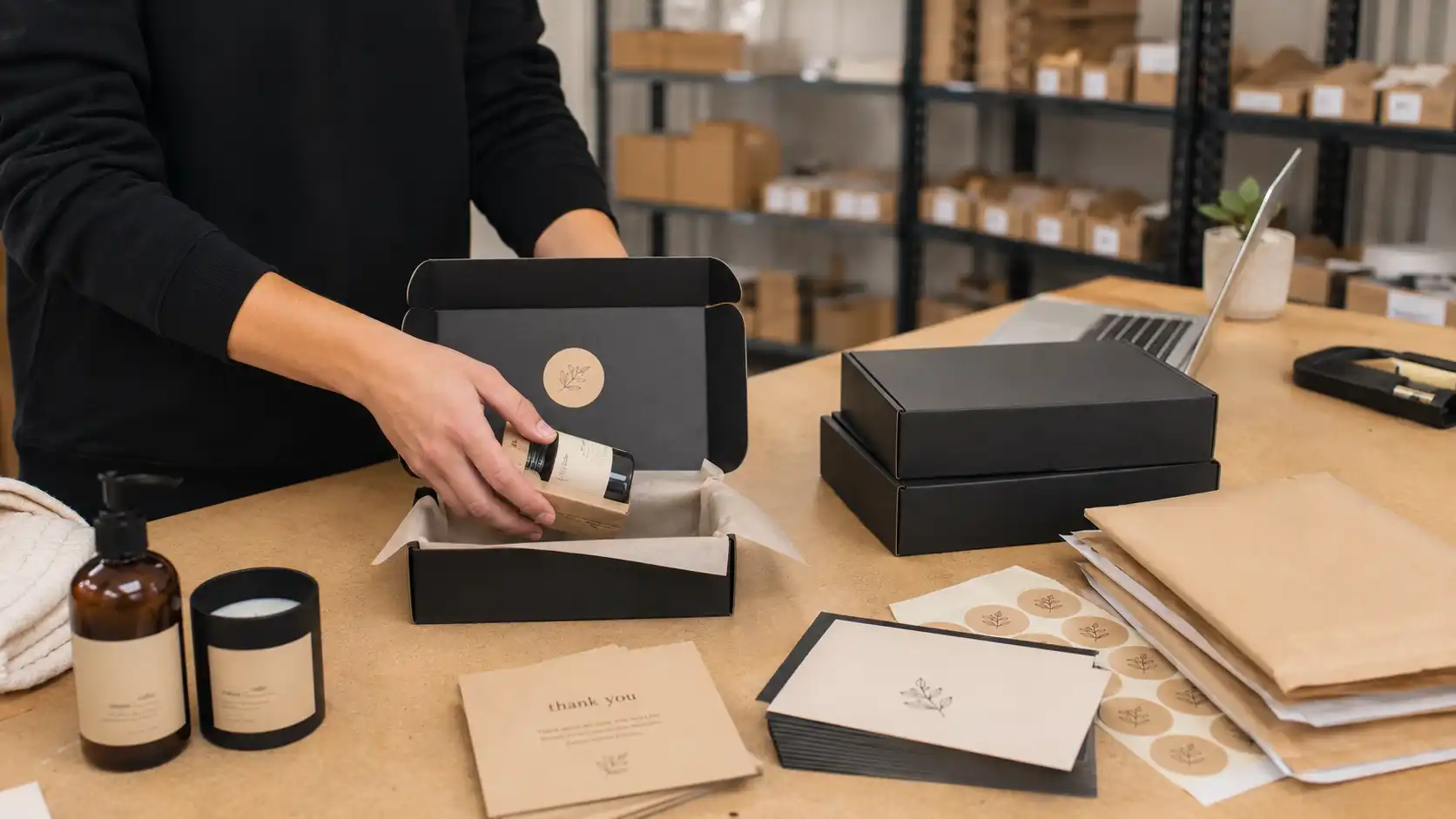
Branded dropshipping is an e-commerce fulfillment model where you sell custom-branded products manufactured and shipped directly by a third-party supplier to your end customer. Many e-commerce entrepreneurs struggle with soaring customer acquisition costs and low customer retention due to generic, unbranded products. Without a unique identity, your business is constantly exposed to price wars and copycat competitors who quickly erode your hard-earned profit margins. By transitioning to a custom-branded setup, you can build a sustainable, defensible digital asset that commands premium retail pricing without holding heavy physical inventory.
In 2026, the digital landscape demands authentic customer relationships that go beyond basic commodity trading. This comprehensive guide outlines the exact strategies required to scale your business into a high-value, recognizable brand. You will learn how to bypass common logistical bottlenecks and build deep customer trust from day one.
Why is branded dropshipping the ultimate e-commerce model?
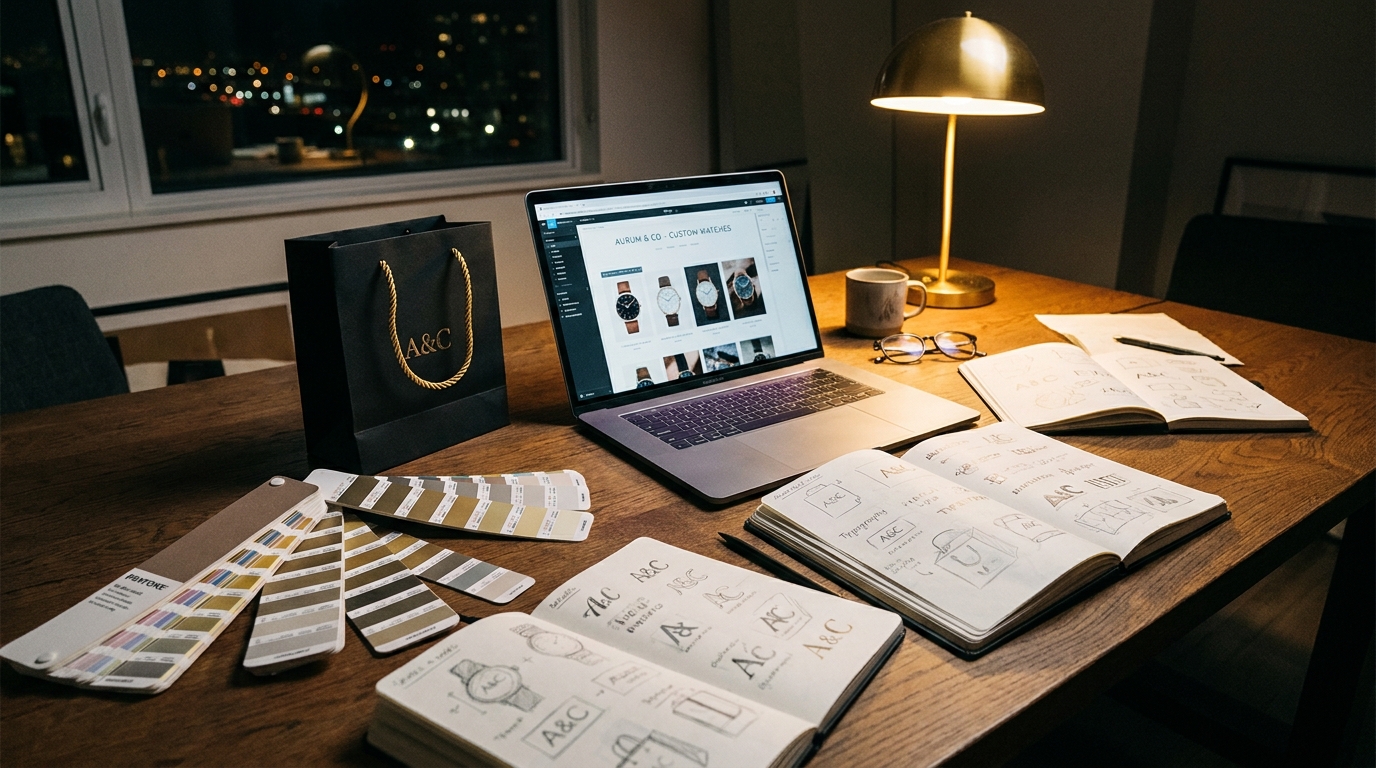
This approach is the ultimate e-commerce model because it combines the low risk of outsourced fulfillment with the high asset value of a proprietary digital brand. You no longer have to choose between saving cash and constructing a real business. Let’s explore how customization translates directly into measurable balance sheet equity.
Can you build real brand equity?
You absolutely can build high-value enterprise equity by owning your product designs, unique customer experience, and custom-branded assets. Unlike standard stores that sell generic items, a branded storefront becomes an attractive acquisition target for larger e-commerce aggregators. This transforms your daily marketing spend into a long-term investment in a sellable asset. By securing your own proprietary trademark and visual patterns, you establish a defensible moat.
How does customization boost profit margins?
Customization boosts your margins by allowing you to transition from commoditized pricing to high-value, value-based pricing. When your products feature unique packaging and tailored labels, consumers no longer compare your storefront directly with low-cost marketplaces. This physical differentiation allows you to command a premium price that easily covers your advertising acquisition costs. Ultimately, superior presentation justifies a higher retail markup that scales your business rapidly.
How does custom labeling beat traditional order fulfillment?
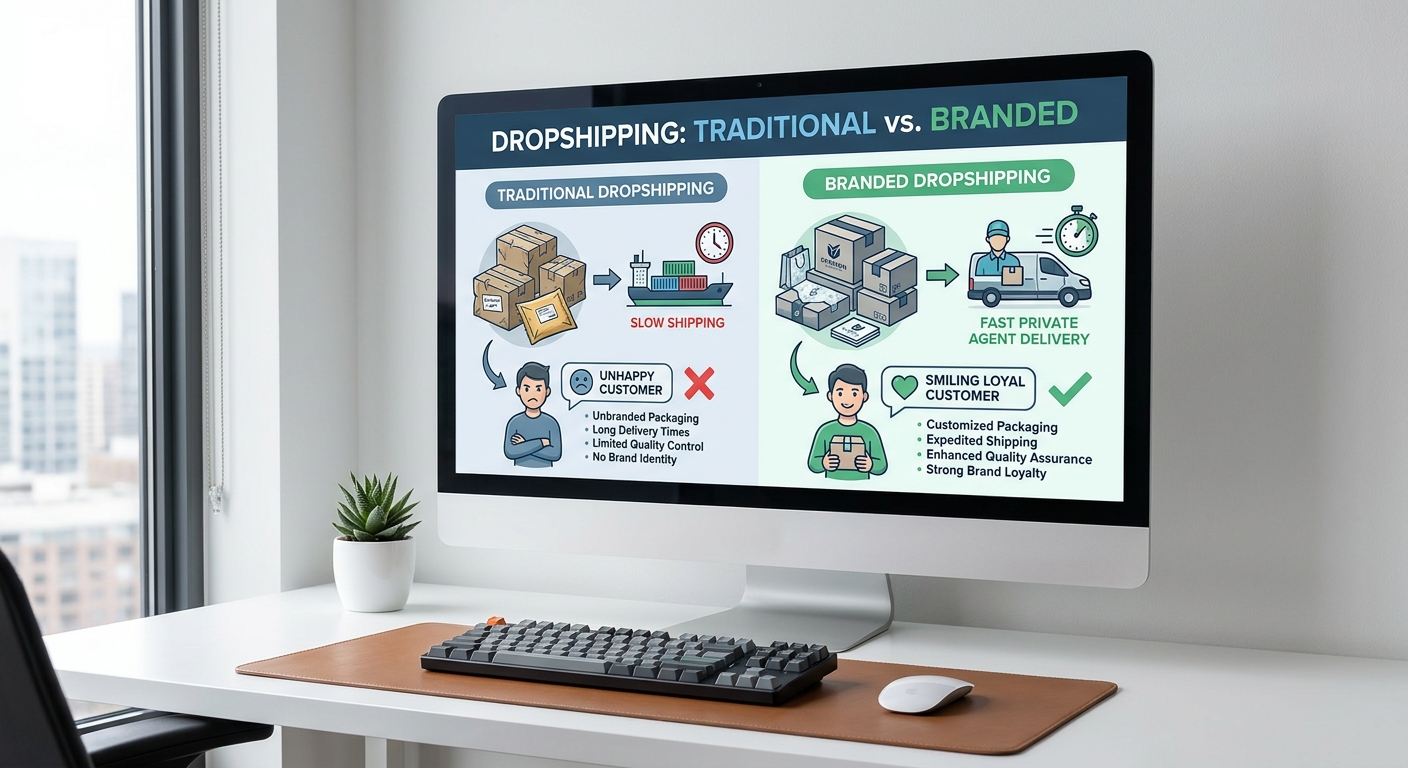
Custom labeling beats traditional fulfillment by creating a professional retail presence that dramatically lowers your customer return rates and increases average lifetime value. While generic shipping methods often leave customers feeling skeptical, bespoke branding reassures them of your product’s superior quality. To see the stark differences in real-world performance, look at the comprehensive operational comparison below.
| Performance Metric | Traditional Dropshipping | Branded Fulfillment (Custom Labeling) |
|---|---|---|
| Packaging Customization | Generic mailers with zero identity | Custom boxes, tape, and thank-you inserts |
| Average Delivery Time | 10 to 20 business days via slow postal lines | 5 to 8 business days via dedicated shipping |
| Profit Margins | Lower margins (typically 10% to 15%) | Higher premium margins (typically 30% to 50%+) |
| Customer Lifetime Value (LTV) | Minimal repeat purchases (< 5% rate) | High retention and repeat buyer rates (20% to 35%) |
This comparative matrix clearly demonstrates that custom-labeled setups generate significantly higher customer retention and pricing power than generic fulfillment pipelines.
Key Takeaway: To scale successfully, you must transition away from generic packaging immediately, as custom labeling is the only way to secure high repeat purchase rates.
What are the actual costs of scaling your own brand?

The actual costs of scaling your own brand involve upfront custom packaging inventory and design assets, rather than purchasing bulk product inventory. This capital-efficient structure allows you to maintain healthy cash flow while building out a premium customer-facing identity. Let’s break down the exact operational costs you should expect when initiating your custom branding project.
What are the packaging production costs?
Your packaging production costs typically range from $0.50 to $2.00 per unit depending on materials, structural complexity, and printing techniques. When looking for private label dropshipping solutions, you can offset these expenses by ordering custom mailers or custom stickers in moderate batches. Storing these assets with a dedicated logistics specialist keeps your ongoing fulfillment fee highly competitive. This physical presentation directly justifies your higher retail price tags.
How do MOQs impact your initial budget?
Minimum Order Quantities (MOQs) for custom boxes often require an upfront purchase of 500 to 1,000 units, which directly affects your starting capital. While the core items are still shipped one-by-one as orders come in, you must pre-purchase and store the custom boxes at your supplier’s facility. This requires an initial cash outlay but results in much lower unit costs for your custom packaging. Partnering with flexible logistics experts can help you secure lower MOQ thresholds to test new concepts quickly.
Key Takeaway: Budget for a minimum upfront investment of $1,000 for packaging inventory, and always verify that your logistics partner offers free warehousing for your custom boxes.
How do you design high-converting product packaging?
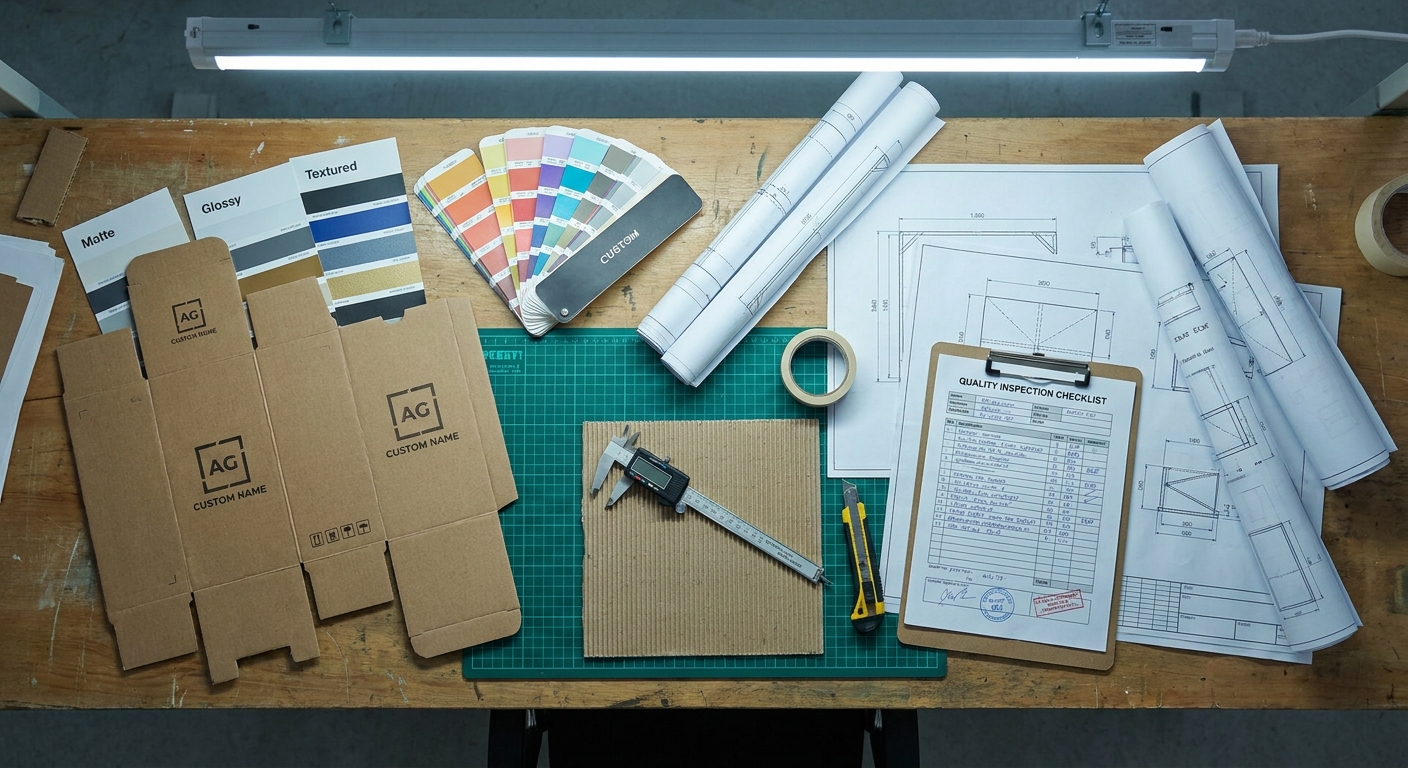
You design high-converting product packaging by focusing on minimalist visual aesthetics, functional protection, and clear brand messaging that immediately resonates with your target audience. A clean, premium box layout signals high product value before the customer even sees the actual physical item. Using high-quality matte finishes and subtle metallic foil accents instantly elevates the perceived retail quality of your merchandise. This visual presentation builds trust and sets your business apart from generic online merchants.
Before choosing custom boxes, inserts, or branded mailers, it helps to understand the basic packaging and shipping decisions behind a professional ecommerce order experience.
To achieve this, you can collaborate with your supplier to execute tailored custom packaging that aligns with your brand guidelines. Custom inserts, structured card stock, and personalized thank-you notes create a professional presentation that encourages immediate social sharing. This deliberate design strategy turns regular shipping boxes into active customer retention tools. Next, you must discover where to source the premium goods that will fill these custom packages.
Where do you source premium products for private labels?
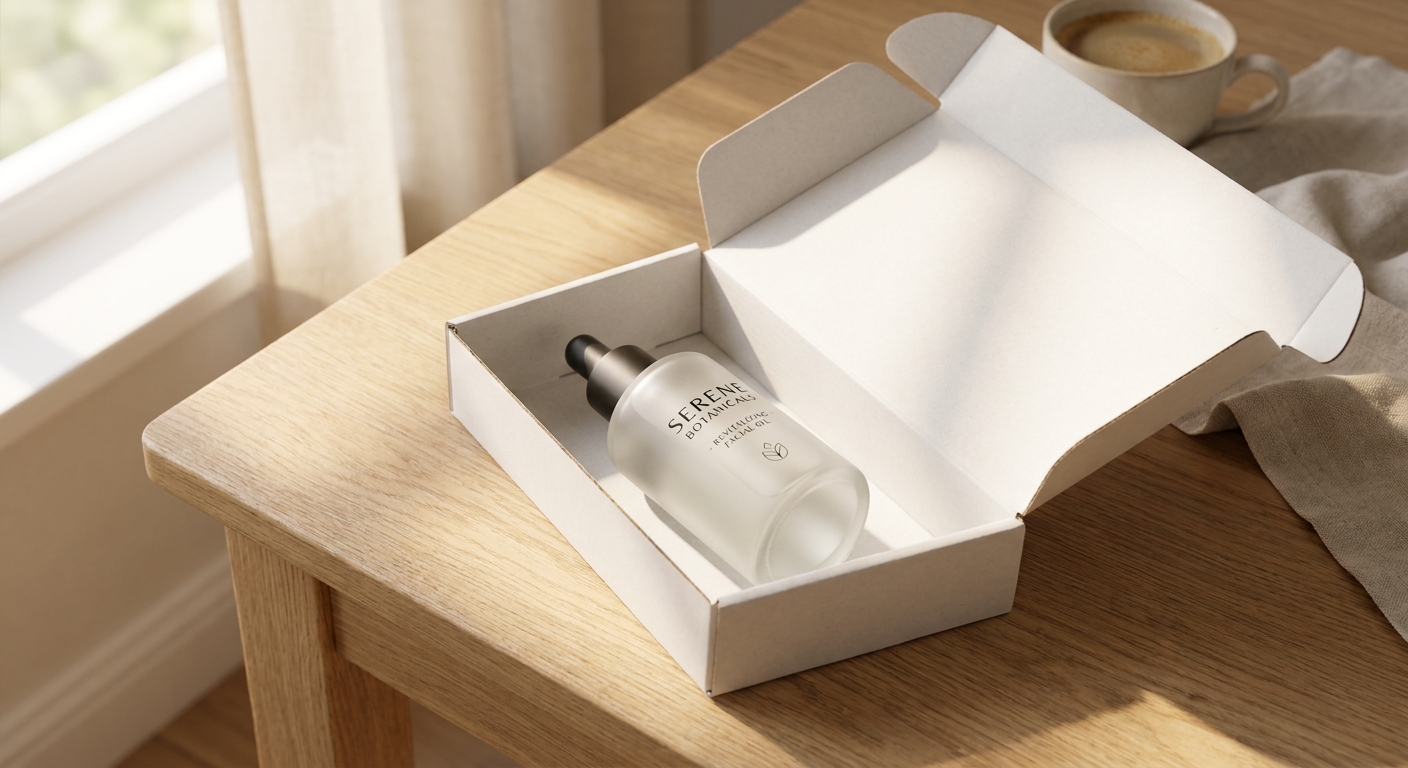
You source premium products for private labels by partnering with dedicated sourcing agents who can bypass public directories to negotiate directly with verified Chinese factories. These professional agents navigate the local manufacturing landscape to secure superior product quality and highly competitive unit pricing. They eliminate the communication barriers and quality inconsistencies common when dealing with unverified marketplace sellers. This direct factory access ensures your brand sells only premium-grade inventory.
Working with a specialized partner also allows you to customize product features and easily bundle matching accessories. They manage the logistics of assembling, inspecting, and preparing your custom goods for direct-to-consumer dispatch. This supply chain control is vital for maintaining consistent product performance as your order volume grows. Once your premium inventory is secured, implementing robust quality checks is the next critical step to protect your brand.
What quality control steps prevent costly customer returns?
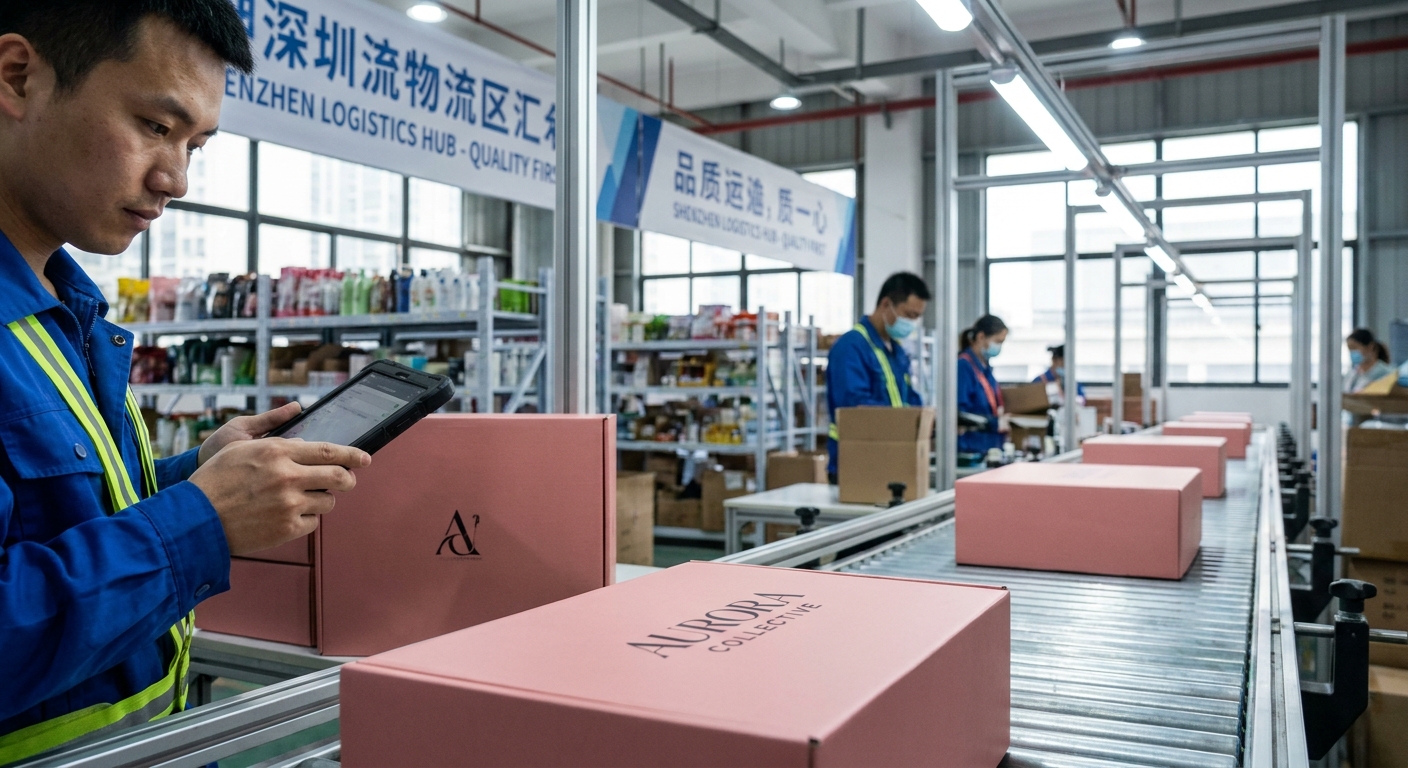
The most effective quality control steps to prevent costly customer returns involve a structured pre-shipment inspection process covering functional testing, visual appearance, packaging durability, and category-specific risk checks. For products sold into the U.S. market, sellers should also review applicable consumer product safety requirements before scaling higher-volume campaigns, especially when dealing with electronics, household goods, children’s products, or other regulated consumer categories. By intercepting defects and compliance-sensitive issues before dispatch, you protect your brand reputation, reduce refund pressure, and prevent avoidable customer complaints.
- Functional Testing: Verifying that electronics power on, moving parts operate smoothly, and all structural components meet safety guidelines.
- Visual Inspection: Checking for surface scratches, paint chips, incorrect logo placement, and alignment errors on your custom-branded surfaces.
- Packaging Audit: Confirming that custom box dimensions are accurate, protective foam inserts are properly seated, and shipping labels are clear.
This rigorous pre-dispatch workflow ensures your custom products always arrive in pristine condition, laying the groundwork for a spectacular customer experience. Let us look at how you can leverage this pristine quality to craft a truly memorable unboxing moment.
How do you create an unforgettable unboxing experience?
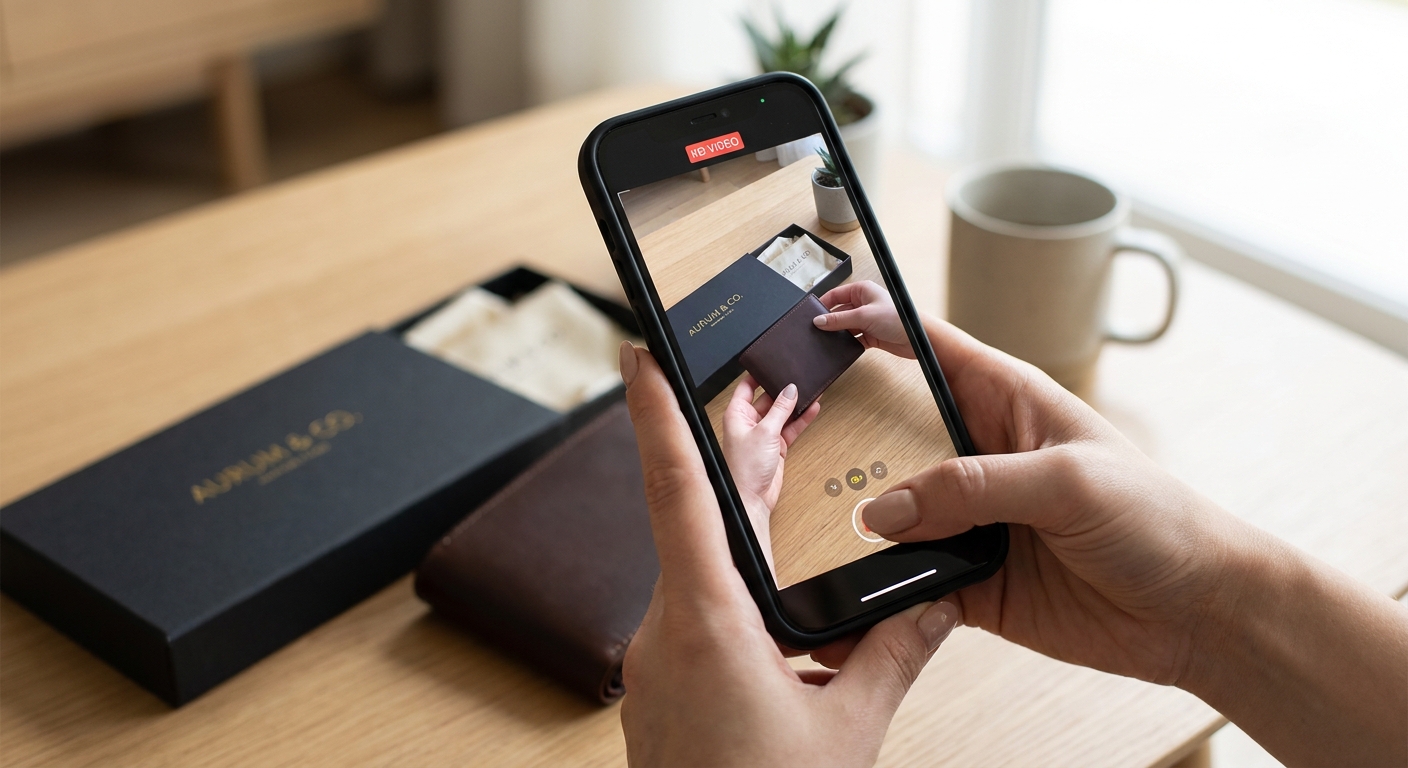
You create an unforgettable unboxing experience by combining high-quality packaging materials, pleasant tactile textures, and personalized touches that make your customers feel valued. The physical opening of your product package is the very first tangible touchpoint a buyer has with your business. Using customized tissue paper, branded sticker seals, and heavy cardstock boxes transforms a routine delivery into a premium event. This deliberate attention to detail turns casual buyers into passionate brand advocates.
Including a personalized thank-you note or an exclusive discount code inside the box significantly boosts your customer retention rates. These simple, high-impact inserts encourage buyers to share their physical unboxing moments on social media platforms like TikTok and Instagram. This organic user-generated content acts as powerful, free marketing that drives new customers directly to your storefront. However, maintaining this high-caliber experience requires you to defend against hidden supply chain vulnerabilities.
What hidden risks could instantly kill your custom brand?
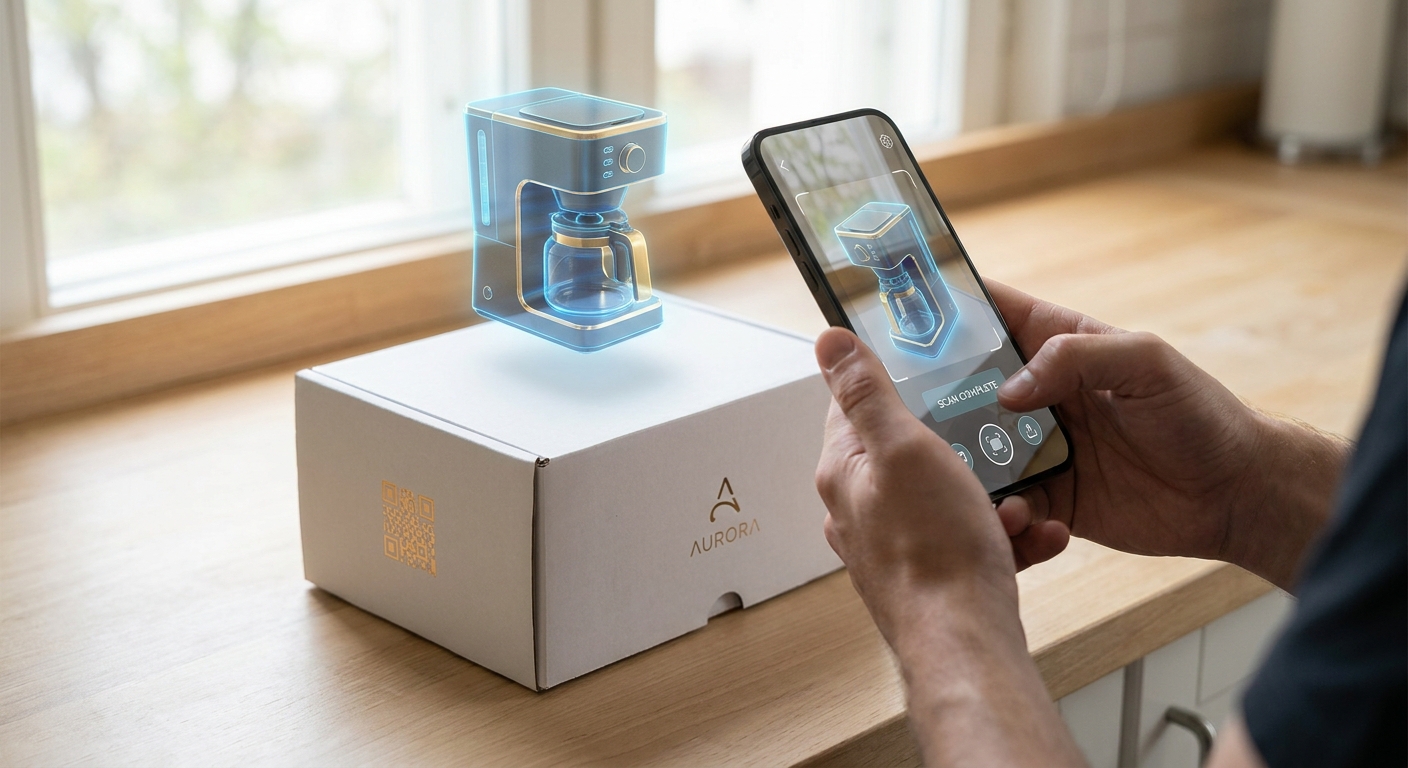
The most dangerous hidden risks that can kill your custom brand include sudden supplier stockouts, international shipping bottlenecks, and intellectual property disputes. Because your brand relies on custom-made packaging, any sudden disruption in production will immediately halt your order fulfillment. Unlike standard stores that can swap suppliers instantly, you are strategically bound to your manufacturing partners. Understanding these operational vulnerabilities early protects your business from sudden cash flow shutdowns.
To safeguard your business, you must build operational redundancies into your logistics and supply chain system. This includes maintaining buffer stock for custom packaging, securing backup shipping routes for peak seasons, and choosing suppliers that can support stable branded production. You should also trademark your brand assets early so your name, logo, and visual identity are less exposed to copycats as your store gains visibility. Proactively managing these risks helps your e-commerce brand avoid sudden fulfillment shutdowns, margin loss, and brand identity disputes.
Key Takeaway: Conduct regular inventory audits with your supplier, trademark your brand assets early, and secure secondary shipping lines to mitigate the risk of sudden operational shutdowns.
Conclusion: Ready to scale your e-commerce brand?
Building a highly profitable custom brand in 2026 requires moving away from outdated, generic supply chain models and adopting premium fulfillment strategies. By partnering with a dedicated private dropshipping agent, you gain direct factory access, comprehensive quality control, and custom packaging warehousing all in one place. This operational foundation allows you to focus 100% of your energy on marketing and customer acquisition. Taking control of your supply chain is the single most important step to securing long-term market authority.
This article outlined how to design high-converting custom packaging, negotiate low MOQs, and prevent costly customer returns through strict quality inspections. Our end-to-end custom sourcing and logistics services are built to solve these exact fulfillment friction points for ambitious e-commerce brands. We believe that modern e-commerce success belongs to those who build genuine brand equity through exceptional physical product presentation. Partner with us today to transform your dropshipping store into an elite, sustainable brand that dominates the digital retail landscape.
Frequently Asked Questions
Can I start branded dropshipping with zero upfront budget?
No, you cannot successfully launch this model with zero capital. While you do not need to buy bulk product inventory, you must invest in custom packaging design and initial packaging stock, which typically requires at least a few hundred dollars. This small upfront investment is essential to secure your custom brand assets and build a professional customer experience.
What’s the best product category for a custom brand?
Skincare, cosmetics, and premium consumer tech accessories are the best categories for custom-branded fulfillment. These niches feature high profit margins, high visual appeal, and lightweight profiles that make shipping highly cost-effective. Additionally, consumers in these sectors are heavily influenced by premium unboxing experiences, which naturally drives social media virality and repeat purchases.
How do I know if my supplier is reliable enough for custom orders?
You know a supplier is reliable when they provide fast communication, send high-quality physical samples, and offer clear quality control check options. A trustworthy partner will readily share photos of your custom packaging stock and answer technical production questions without hesitation. If they struggle to provide clear answers or delay sample shipments, they are not suitable for a premium brand.
Can I use custom packaging for all my dropshipped products?
Yes, you can absolutely utilize custom packaging for all your products by partnering with an experienced private logistics agent. They will manufacture your custom boxes or mailers in advance, store them in their local warehouse, and pack your items on demand as orders come in. This allows you to maintain a unified, premium brand presentation across your entire e-commerce catalog.