How to Source Digital Dropshipping Products Safely
By Tina
Published: June 4, 2026
Calculating...
Selling high-margin products with zero inventory is best achieved by launching a digital dropshipping business that delivers downloadable assets instantly to global buyers. You are likely tired of the relentless headache caused by rising shipping rates, broken items, and endless customer service emails that eat up your day. These physical logistics act as a silent killer of e-commerce profits, leaving you with razor-thin margins after paying suppliers and ad networks. Transitioning away from physical goods allows you to reclaim your peace of mind and escape the constraints of a traditional supply chain.
When you spend valuable resources trying to scale a physical store, a sudden warehouse delay or shipping bottleneck can destroy your customer retention overnight. This constant state of anxiety is unsustainable for entrepreneurs looking to build a highly scalable, automated business model. Fortunately, the rise of digital dropshipping offers a frictionless alternative where your margins remain near 100% and fulfillment occurs in milliseconds. By focusing on intangible assets, you can scale infinitely without ever holding a single piece of physical inventory.
What is digital dropshipping and how does it work?
Digital dropshipping works by allowing you to sell intangible, non-physical products that are delivered automatically to your customers immediately after purchase. This operational framework shifts your focus from logistics to value curation, changing the way you manage inventory. Transitioning to this asset model allows you to remove the most common physical bottlenecks completely.
How does the virtual supply chain operate?
In this business model, your customer makes a purchase on your digital storefront and receives a download link via email or on the confirmation screen instantly. There is no physical supplier packing a box, which removes the traditional shipping bottleneck and lowers your overhead costs. You focus your efforts entirely on marketing and converting traffic, while automated software handles the delivery. This automated loop functions continuously in the background, allowing you to generate sales while you sleep.
If your main goal is to avoid physical fulfillment, compare digital products with other low-overhead models before choosing a path. This affiliate marketing vs dropshipping comparison by cost, risk, and control helps separate commission-based content income from running your own product storefront.
To connect these processes smoothly, a reliable delivery platform is linked directly to your checkout page to distribute the secure files. This seamless connection means you can scale to hundreds of daily orders without ever needing to expand warehouse space.
Why is the market moving toward downloadable assets?
Modern consumers demand instant gratification, meaning they are no longer willing to wait weeks for a basic physical product to arrive. Downloadable assets solve this problem perfectly by providing immediate utility the moment the customer inputs their payment details. This shift allows you to sell digital files that have virtually zero reproduction costs, meaning every subsequent sale is almost pure profit. Understanding this fundamental market transition is the key to identifying why virtual goods represent the future of e-commerce.
Recognizing these operational differences will help you understand why so many experienced merchants are abandoning physical inventories.
Why are e-commerce brands shifting to virtual goods?
E-commerce brands are shifting to virtual goods because they completely eliminate physical manufacturing expenses, high shipping fees, and inventory storage risks while maximizing net profitability. This strategic pivot allows you to scale rapidly without investing heavy capital in physical infrastructure. It helps you focus your working capital entirely on marketing and scale.
How do profit margins compare to physical items?
Traditional dropshipping stores typically operate on thin net margins between 15% and 30% due to costs like sourcing, international shipping, and packaging. In stark contrast, virtual products offer margins between 80% and 95% because there are no physical goods to purchase or ship. This vast difference means you keep almost every dollar earned, dramatically increasing your return on ad spend.
While scaling physical products to six figures often requires partnering with a reliable supplier to manage high-volume quality control and fast global shipping, digital files achieve similar scaling with zero physical oversight. This makes virtual goods highly attractive for solo operators looking to skip logistics entirely.
Can you eliminate logistics delays entirely?
Logistics delays are completely eradicated because digital assets require no shipping, customs clearance, or physical transport across borders. Your customers receive their files within seconds of completing checkout, which eliminates delivery-related support tickets and dispute risks. This hands-off fulfillment loop protects your payment processors from being frozen due to high chargeback rates. By moving away from ocean freight and postal carriers, you reclaim control over the customer experience.
Analyzing these two business structures side-by-side reveals the massive economic advantages of virtual fulfillment.
Operational Metric
Physical Dropshipping
Digital Dropshipping
Average Net Profit Margin
15% – 30%
80% – 95%
Sourcing & Cost of Goods
Ongoing variable cost per unit
One-time creation or licensing fee
Fulfillment Time
7 – 21 days globally
Instantaneous automated delivery
Supply Chain Risks
Stockouts, transit damage, customs holds
None (unlimited electronic copies)
The comparison highlights how removing physical logistics dramatically improves financial health and operational security for modern e-commerce stores.
Key Takeaway: If your primary business risk is cash flow disruption from shipping delays or payment holds, pivoting to digital downloads eliminates logistics-based chargebacks entirely. Focus on virtual products if you want to scale ad campaigns without worrying about inventory stockouts.
Which digital products generate the highest returns?
The digital products generating the highest returns are structured templates, specialized prompt libraries, and professional-grade creative presets that solve immediate professional challenges. By offering functional tools to specialized audiences, you can command higher price points. These product categories convert exceptionally well because they offer immediate utility to your buyers.
Why are productivity systems and templates in demand?
Businesses and individuals eagerly purchase pre-configured workspace templates because building these systems from scratch requires hours of intensive technical labor. Highly specialized Notion setups, tracking databases, and business management planners are incredibly popular as they streamline complex daily workflows. You can easily target these active buyers because they are looking for functional solutions rather than generic aesthetic files. By positioning your templates as professional tools, you can command premium price points.
How can you monetize specialized prompt libraries?
As artificial intelligence tools expand rapidly, professionals are seeking expert-engineered prompt libraries to bypass the steep learning curve. Curated prompt packages for copywriting, software development, or image generation sell exceptionally well because they save users dozens of hours. You can compile these libraries quickly, package them into searchable databases, and retail them to busy freelancers. This micro-niche is expanding rapidly, making it a highly profitable sector to enter.
Selecting the right product category is critical, but you must also understand how to obtain these digital assets without spending months creating them.
Key Takeaway: Prioritize utility-driven digital assets over purely aesthetic ones, as businesses will pay a premium for tools that save them time or money. Verify demand by searching online marketplaces to see what functional systems are currently generating high review volumes.
How can physical dropshipping sellers use digital add-ons to increase order value?
Digital dropshipping is not only for selling standalone digital files. Physical dropshipping sellers can also add a useful digital asset to a real product order to increase average order value without adding package weight, inventory cost, or warehouse handling.
For example, a seller can add a small digital guide, video, checklist, or delivery-related resource to each order. The physical product remains the main offer, while the digital add-on gives customers extra value and gives the seller a simple way to earn more from every purchase.
Can a fast shipping digital add-on increase revenue per order?
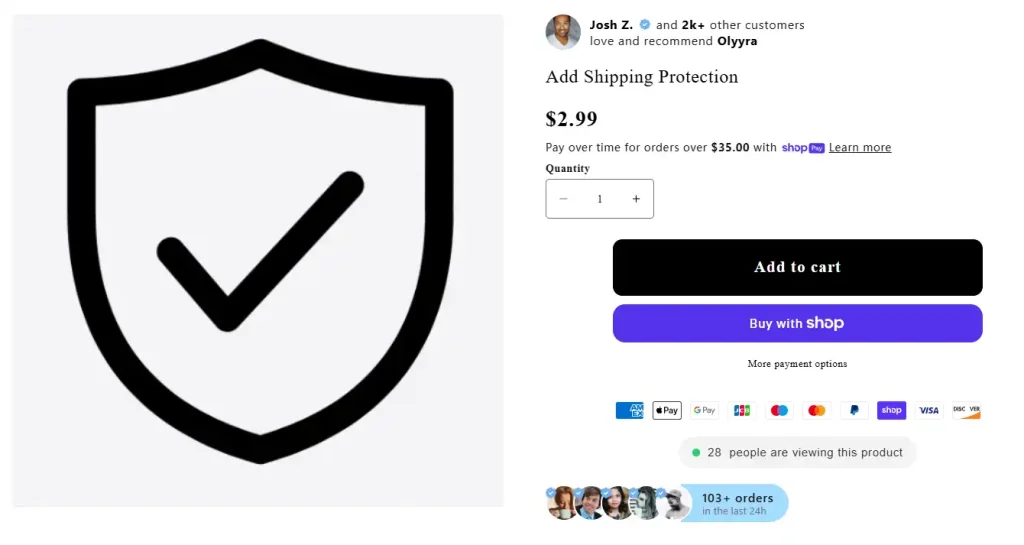
A simple shipping protection add-on can help physical dropshipping sellers increase order value without adding product weight.
Yes. If a seller adds a $2 fast shipping-related digital asset to each order, such as a delivery guide, shipping upgrade explanation, or order tracking checklist, it can create extra revenue without adding another physical item to the parcel.
This works best when the digital asset supports the buyer’s delivery experience. For physical product sellers who also need faster real delivery, connecting the offer with a reliable fast shipping dropshipping agent workflow can make the value clearer and more trustworthy.
Can fitness products be bundled with digital videos?
A physical product can feel more valuable when it includes a relevant digital guide, tracker, video, or usage resource.
Yes. A fitness product can be sold together with a workout video, beginner training plan, stretching guide, or usage tutorial. This makes the product feel more complete because the buyer is not only getting the item, but also learning how to use it.
For example, a resistance band, massage tool, posture corrector, or home workout product can include a short training video as a digital bonus. This helps the seller raise the perceived value of the offer without changing the product’s shipping weight or fulfillment process.
Key Takeaway: Physical dropshipping sellers can use digital add-ons to increase order value, improve customer experience, and make simple products feel more valuable without adding inventory or shipping complexity.
How do you source electronic assets without creation?
You can source high-quality electronic assets without creating them by leveraging master resell rights, purchasing private label licenses, or partnering with skilled freelance creators. This strategy bypasses the tedious product development phase entirely, allowing you to launch in days. By selecting the right sourcing channel, you protect your margin and guarantee product quality.
What roles do master resell rights and licensing play?
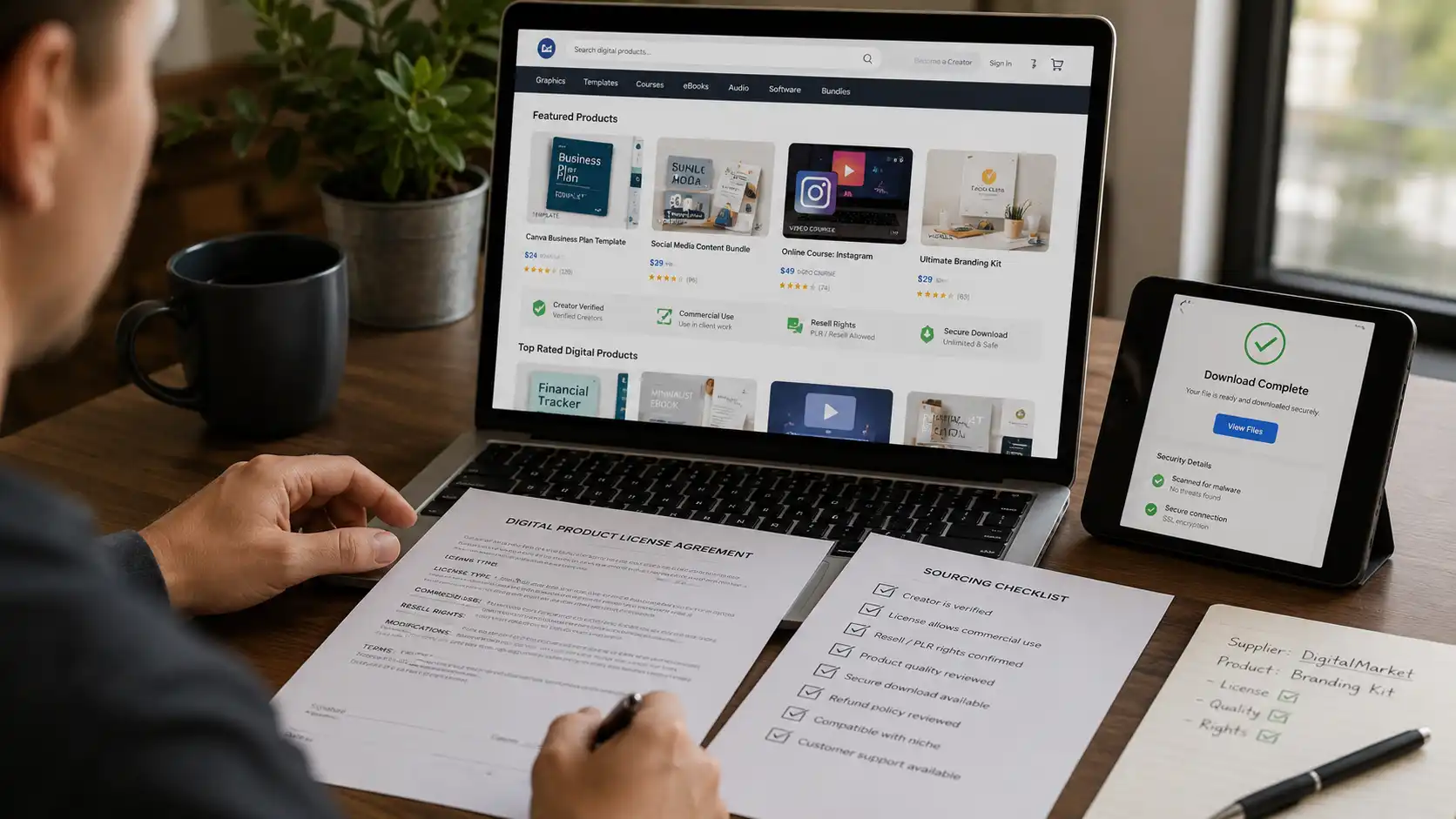
Master Resell Rights (MRR) and Private Label Rights (PLR) are legal frameworks that allow you to purchase a digital asset once and resell it indefinitely. PLR licensing is particularly powerful because it permits you to modify the content, add your own branding, and claim ownership of the asset. This approach cuts your time-to-market down from months to minutes while preserving your ability to build a unique brand. You must carefully review each licensing agreement to ensure you have the full legal authority to market and resell the files.
How do you partner with independent creators?
Partnering with independent creators allows you to acquire completely unique digital products that no other competitor can access. You can hire talented developers or designers on platforms like Upwork to build bespoke templates, paying them a one-time flat fee. This strategy guarantees product exclusivity, which protects your pricing power and shields your store from copycats. Over time, these unique partnerships will establish your brand as an authority within your specific niche.
Once you have secured high-quality assets, your next challenge is designing a high-converting storefront that turns visitors into buyers.
Key Takeaway: Always demand written proof of licensing rights when purchasing PLR assets to avoid intellectual property disputes. Spending a slightly higher upfront fee for exclusive creator-built products is a safer long-term strategy than selling over-saturated, generic templates.
Why do traditional storefront checkouts lose sales?
Traditional storefront checkouts lose sales because their multi-step structures introduce excessive friction, killing the impulse-buying momentum that drives digital asset purchases. When users encounter complex cart pages, they often abandon their checkout in frustration. Optimizing this flow is crucial to converting casual traffic into immediate buyers.
Does the multi-step shopping cart cause friction?
A multi-step process forcing users to go from a product page, to a shopping cart, and finally to a complex shipping address form causes massive abandonment. Since downloadable files require no physical delivery, asking for physical addresses is unnecessary and makes customers highly suspicious. You need a streamlined, one-page checkout flow that captures payment instantly with minimal input fields. Removing these unnecessary steps can double your conversion rate overnight.
To build long-term value, you can transition your winning digital assets into physical brands using customized private labeling solutions once you have established a solid customer base. Runtodropship provides the ideal physical infrastructure to support your brand’s growth as you expand.
How does immediate delivery affect customer trust?
Immediate file delivery satisfies the customer’s desire for instant access, which significantly boosts overall satisfaction and reviews. If your delivery process is delayed even by a few minutes, anxious buyers may file chargebacks or contact customer support. Using automated systems to send files immediately ensures a smooth post-purchase experience. This rapid confirmation builds deep trust, encouraging buyers to return for future purchases.
Examining checkout flows clearly illustrates why traditional e-commerce designs struggle with non-physical assets.
Checkout Element
Standard Multi-Page Cart
Simplified Single-Page Flow
Required Fields
Shipping address, phone number, multi-step inputs
Email, name, and basic payment details
Average Conversion Rate
1.5% – 2.5%
4% – 7%
Friction Levels
High (multiple page reloads and forms)
Low (single-click checkout experience)
Upsell Capability
Limited (restricted to standard cart pages)
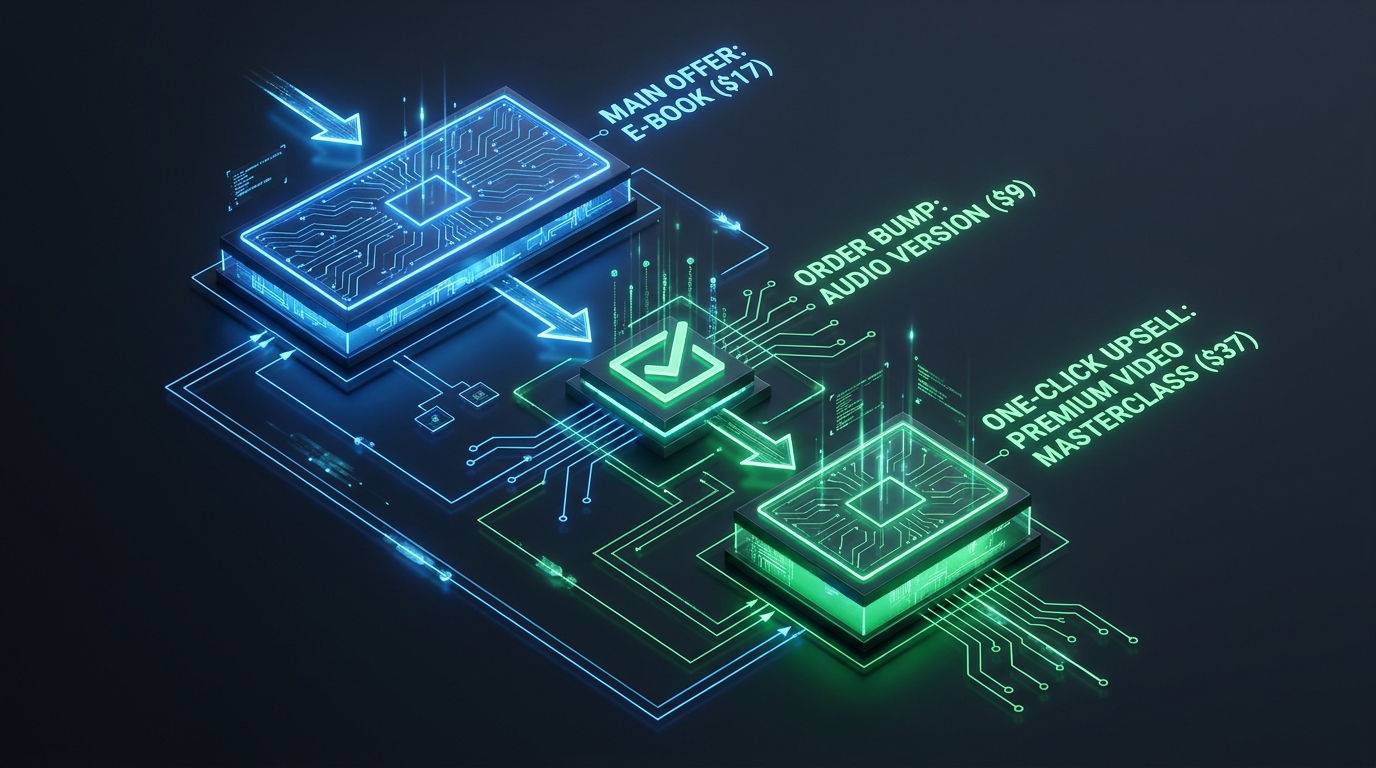
High (supports order bumps and 1-click upsells)
This data indicates that reducing customer friction directly translates into higher sales volume and vastly improved marketing efficiency.
Key Takeaway: Eliminate all physical shipping address fields from your checkout screens when retailing virtual downloads to lower purchase friction. High checkout friction is the single greatest driver of abandoned carts for digital merchants.
What is the step-by-step roadmap to launch this business?
The step-by-step roadmap to launch involves identifying a high-value audience problem, selecting the right digital asset, building a high-converting sales funnel, and driving organic traffic. Establishing these core pillars step-by-step minimizes your upfront setup risk. Once optimized, this digital system runs continuously in the background.
How do you identify high-value customer problems?
To build a highly profitable business, you must focus on solving painful, specific problems for a well-defined audience. You should research online communities and professional groups to find out what software workflows or resources are causing frustration. For instance, if video editors struggle to achieve cinematic color grading, you can source specialized LUT packages to resolve that exact issue. By focusing on a highly specific solution, you ensure that your target audience immediately recognizes the value of your product.
What tools do you need to automate distribution?
You need a secure digital delivery system integrated with your checkout software to automate the distribution of your downloadable files. Platforms like Shopify, when paired with specialized fulfillment apps, can automatically trigger emails containing encrypted download links. This automation means your business runs entirely on autopilot, freeing up your time to focus on marketing and brand scaling. Choosing reliable, high-performance hosting ensures your downloads are delivered instantly without error.
With your infrastructure in place, you must establish clear operational guidelines to protect your brand from unexpected risks.
Key Takeaway: Map out your customer journey before choosing your software stack to ensure your payment gateways, checkout forms, and file hosting services integrate seamlessly without data leaks.
How do you protect your brand from intellectual risks?
You can mitigate intellectual property and quality risks by performing thorough licensing audits, verifying reseller rights, and establishing robust customer support systems. Protecting your store from copyright claims ensures the long-term survival of your digital brand. Taking proactive legal measures safeguards your processed income.
How do you verify resell rights legally?
You must secure explicit written licensing documentation for every digital asset you acquire to verify your right to resell, modify, or bundle the file. A license should clearly explain whether you can reproduce, distribute, edit, rebrand, or resell the product, because these actions may involve the copyright owner’s exclusive rights. If the license is unclear, do not treat the asset as safe to sell until the usage rights are confirmed in writing.
What quality controls prevent refund issues?
Implementing rigorous quality control checks on every digital file before publication is critical to reducing refund rates and building customer trust. You should personally download, test, and use the templates or guides on multiple devices to ensure they are fully functional. If your customers find broken links or corrupt files, they will immediately request chargebacks. Maintaining high product standards is the most effective way to protect your processing accounts.
Developing a highly secure, reliable operation is the final step toward building a long-term, profitable digital enterprise.
Key Takeaway: Never purchase digital goods from unknown suppliers without obtaining a verifiable license agreement certificate. Take the time to test every file on multiple operating systems to confirm quality before marketing to the public.
Conclusion
Transitioning to virtual products allows you to scale a highly profitable online business without the operational stress of managing inventory. By focusing on high-converting checkout funnels and high-utility assets, you can achieve remarkable net profit margins and bulletproof your cash flow. If you decide to diversify into high-end physical products as your brand expands, partnering with a professional private dropshipping agent like Runtodropship will ensure your supply chain remains flawless.
The digital market is expanding rapidly, making now the perfect time to build your secure sales infrastructure. Do not let complicated shipping networks or high logistics costs hold back your business growth. Start your digital venture today, automate your file distribution, and watch your margins soar to new heights.
Digital Dropshipping FAQs
Can I start this business model with zero budget?
No, you cannot start completely for free, although the upfront cost is remarkably low compared to physical retail. You will still need to invest in a custom web domain, secure file hosting, and a high-converting checkout builder to present a professional brand.
What’s the best digital product category for beginners?
The best category for beginners is structured software templates or productivity planners. These assets are highly functional, have high perceived value, and can be easily sourced or customized using drag-and-drop design tools.
How do I know if a PLR product has legal resell rights?
You can determine this by reviewing the explicit license certificate provided during purchase. A legitimate license will explicitly state that you possess “Master Resell Rights” (MRR) or “Private Label Rights” (PLR), allowing you to rename, modify, and resell the digital files.
Can I run this alongside a physical e-commerce store?
Yes, you can easily integrate digital downloads into a physical storefront as complementary upsells or value-added bonuses. This hybrid approach significantly increases your average order value while boosting overall customer satisfaction.
Share this article:
Written By
Tina
Founder and CEO at RuntoDropship. Supply chain expert and dedicated private dropshipping partner. Focused on helping scaling ecommerce brands build resilient and branded supply chain operations from China. We provide a private agent workflow with sourcing, pre-dispatch QC, shipping coordination, blind shipping, and after-sales coordination.
Scale Your Brand With a Dedicated Supply Chain Partner
Stop relying on public platforms. We provide a private agent workflow with sourcing, pre-dispatch QC, shipping coordination, blind shipping, and after-sales coordination. We provide 1-on-1 private sourcing, strict QC, and 5-8 day fast shipping lines. Let's discuss your dropshipping operations.