
Inventory Management
Manage product and packaging availability without confusing a supplier’s stock signal with confirmed supply. These articles cover reservations, small stock buffers, replenishment, substitutions, inventory reconciliation, and store settings. Use the guidance to decide what can be promised to customers, when materials need reordering, and which stock changes require approval before orders continue.

How to Transition Dropshipping Agents and Protect Shopify Orders
To transition dropshipping agents without disrupting orders, separate every live order by owner, prove the new SKU and tracking workflow with test…

How to Manage Shopify Dropshipping Custom Inserts Logistics
Shopify Dropshipping Custom Inserts Logistics is the process of sourcing, storing, assigning, placing, and checking branded cards, stickers, or small printed materials…

What Makes Dropshipping Order Execution Reliable?
Dropshipping order execution support is the controlled work that turns a paid Shopify order into a correctly sourced, checked, packed, dispatched, and…

How to Use Dropshipping Supplier Communication to Avoid Errors
Dropshipping Supplier Communication is not just about sending polite messages to a factory; it is the operating system behind product availability, order…
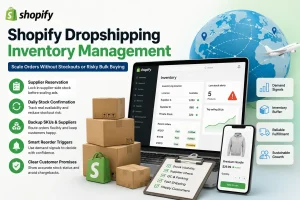
How to Build Shopify Dropshipping Inventory Management Rules for Scaling Stores
Shopify dropshipping inventory management is not just about counting stock. For a scaling store, it means controlling supplier availability, SKU substitutes, order…

What Makes Dropshipping vs Wholesale Better for Beginners?
Choosing between dropshipping and wholesale depends entirely on your capital, risk tolerance, and scaling goals, as both models offer distinct paths to…

How to Scale e commerce dropshipping with Better Fulfillment
Choosing between traditional ecommerce and dropshipping depends entirely on your capital, risk tolerance, and long-term brand goals. Imagine launching an online store…