
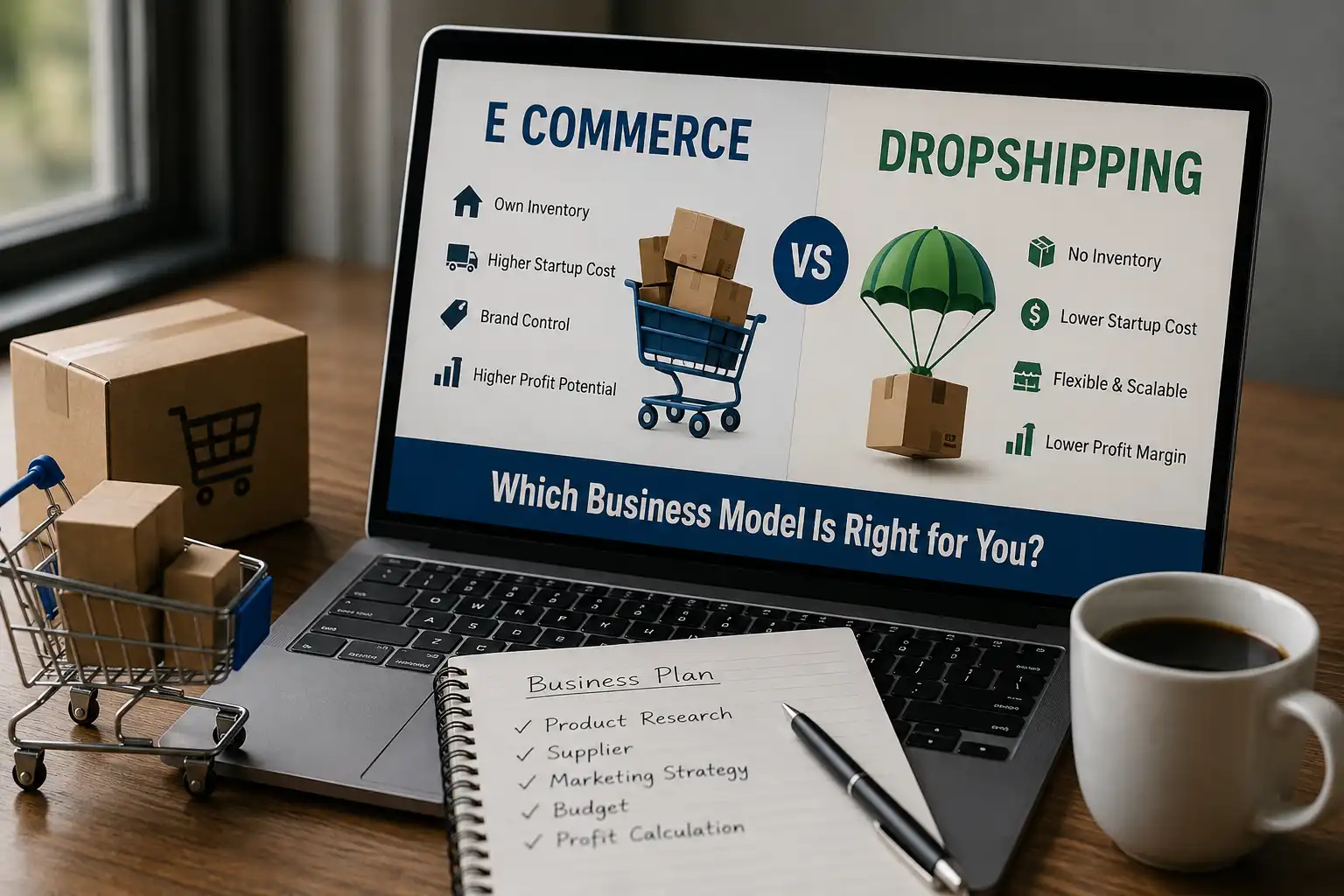
Choosing between traditional ecommerce and dropshipping depends entirely on your capital, risk tolerance, and long-term brand goals. Imagine launching an online store with high expectations, only to watch your hard-earned capital get swallowed by bulk inventory that sits dead in a dark warehouse. It is incredibly stressful to manage complex supply chains and shipping logistics while wondering if your products will ever sell. Fortunately, understanding how e commerce dropshipping compares to standard retail models allows you to build a profitable, streamlined business without the shipping headaches.
What is e commerce dropshipping and how does it work?
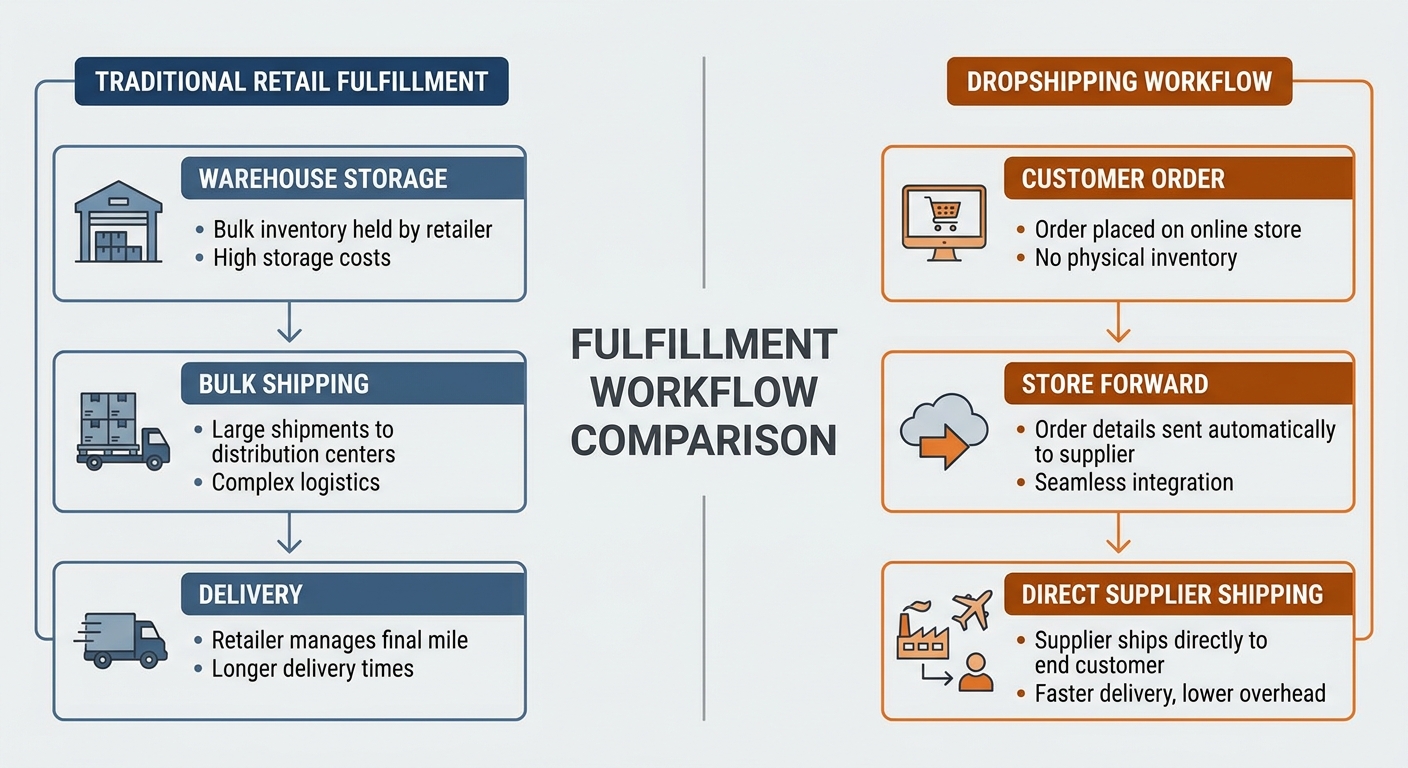
E commerce dropshipping is a retail fulfillment model where your online store sells products that a third-party supplier packs and ships directly to your customers. In this setup, you never handle physical inventory or manage a warehouse yourself. When a customer places an order, your system automatically forwards the details to the supplier who handles the rest. This streamlined chain of custody makes starting an online business much more accessible for beginners.
What defines traditional ecommerce?
Traditional ecommerce requires you to buy products in bulk and store them yourself. At a basic level, an ecommerce business model involves selling products or services through online transactions, while fulfillment methods can vary by store type.You manage the physical inventory, package every order, and handle the shipping logistics. This model gives you complete control over your supply chain and branding. However, it demands significant storage space and active daily labor to keep running.
How does the dropshipping model differ?
Dropshipping shifts the entire burden of storage and shipping to your suppliers.For readers new to the dropshipping model, Shopify explains that sellers can sell products without storing inventory or shipping products themselves. You focus exclusively on marketing, customer service, and website optimization. The supplier remains completely invisible to the end customer throughout the process. This allows you to run a global storefront from a single laptop.
At this stage, the platform should match how the business sells. If you are deciding between a complete ecommerce storefront and a focused funnel-led offer, this ClickFunnels vs Shopify comparison for physical-product sellers helps clarify which system should become your main operating base.
Is standard ecommerce better than dropshipping?
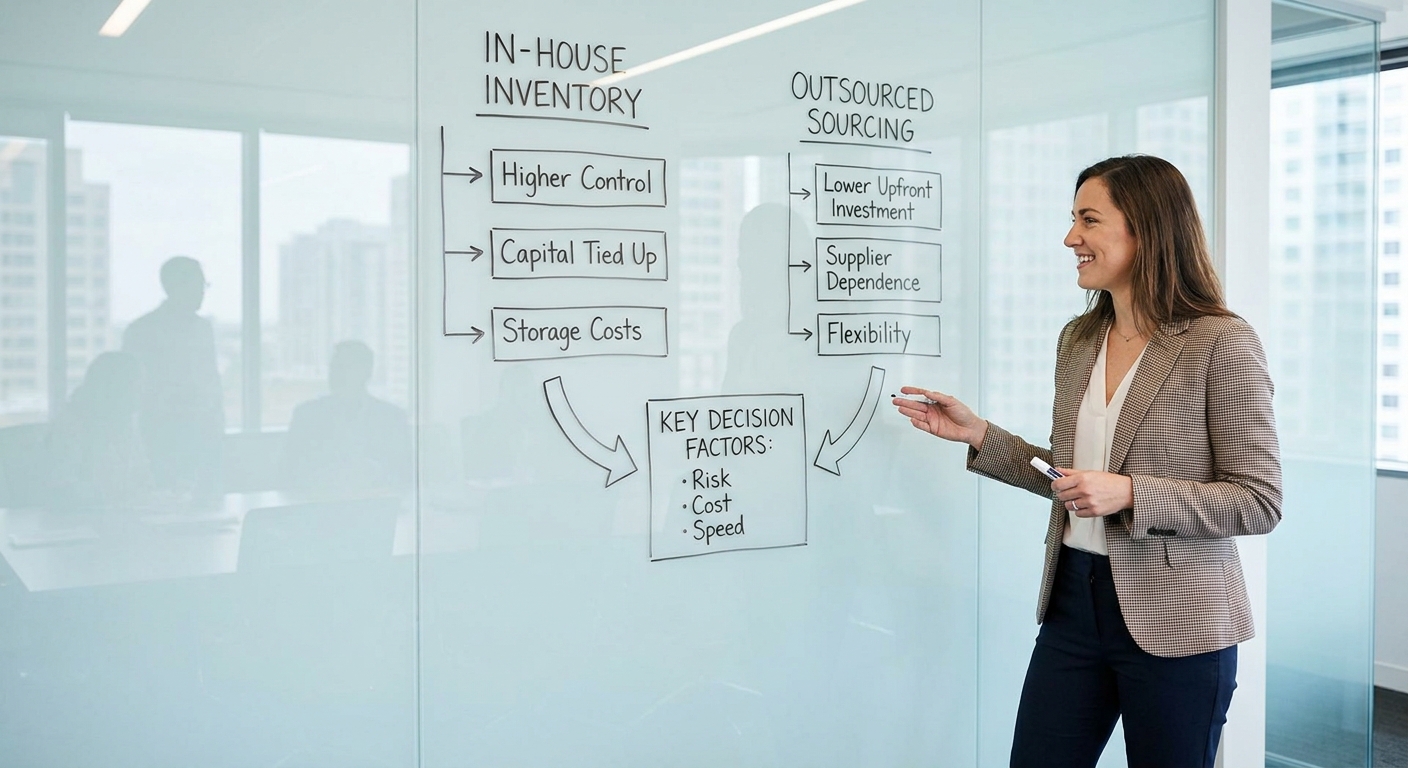
Standard ecommerce is better if you prioritize brand equity and high profit margins, while dropshipping wins for rapid testing and low operational stress. Traditional retail allows you to command higher prices because you can guarantee packaging quality. Conversely, outsourcing fulfillment lets you pivot your entire product catalog overnight without financial penalty. Your ultimate choice depends on whether you want to build an asset or a flexible income stream.
When should you choose traditional retail?
You should choose traditional retail when you have established capital and want custom products. Having your goods physically present allows you to inspect every single item before delivery. It is the ideal path for creators building proprietary formulas or unique fashion lines. This hands-on approach builds long-term customer loyalty through consistent product quality.
When is dropshipping the better path?
Dropshipping is the better path when you want to validate products without financial risk. It is perfect for entrepreneurs who prefer digital marketing over physical logistics management. You can launch a niche storefront within days and test different consumer trends easily. This hands-on fulfillment model keeps your overhead extremely low during the initial launch phase.
Deciding which model fits your lifestyle is only the first step; next, you must look at the actual launch capital required.
If you are still comparing online business models before choosing a storefront, the bigger decision may be whether you want traffic-only commission income or a store you control. This affiliate marketing vs dropshipping cost and risk comparison breaks down that difference before you commit to inventory, suppliers, ads, or content.
Key Takeaway: Choose traditional retail for high-margin, custom-branded long-term assets, or opt for dropshipping to test market demand with minimal financial risk and operational complexity.
Which model has lower upfront startup costs?
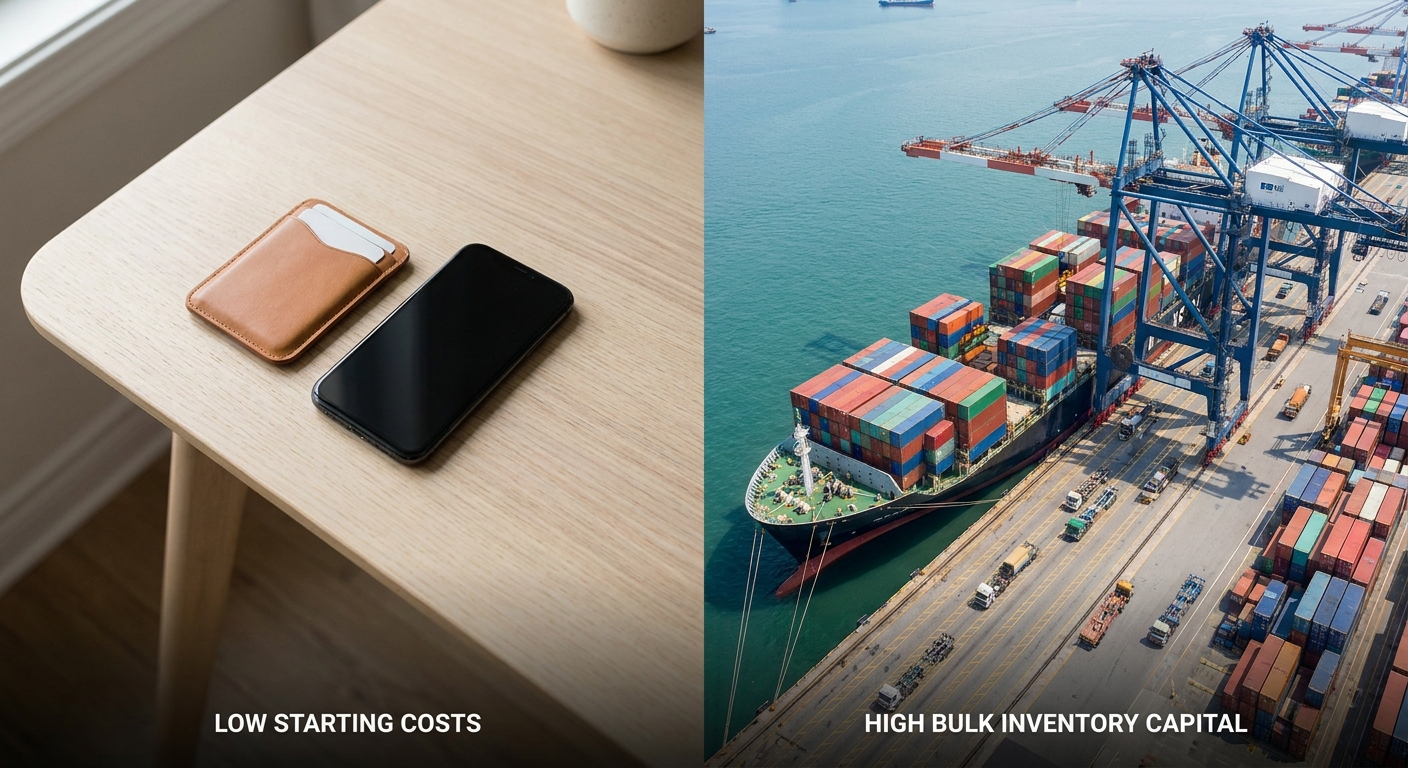
Dropshipping has significantly lower upfront startup costs because you do not buy inventory before making a sale. Traditional ecommerce requires thousands of dollars in manufacturing runs and warehouse deposits. With outsourced shipping, your primary expenses are website hosting and digital advertising.Before you choose a low-inventory model, a clear dropshipping business plan can help you map startup costs, ad testing budgets, supplier risks, and cash flow before you spend money. This drastic difference in capital requirements makes launching an online store highly accessible.
| Cost Category | Traditional Ecommerce | Dropshipping Model |
|---|---|---|
| Initial Inventory | High ($1,000 – $5,000+) | Zero ($0) |
| Storage & Warehousing | High monthly rental fees | Zero ($0) |
| Packaging Materials | Custom boxes & tape costs | Minimal (Supplier handles) |
| Shipping Infrastructure | Label printers & postage | Managed by fulfillment partner |
Analysis: The table clearly shows that traditional ecommerce requires heavy upfront capital for stock and storage, whereas dropshipping carries almost no initial inventory risk.
While the low startup barrier is attractive, you must also consider how inventory management impacts your ongoing risk.
Key Takeaway: Minimize your initial financial exposure by launching with a dropshipping framework, then transition to bulk purchasing once you have consistent sales data.
How do inventory risks impact your profit margin?
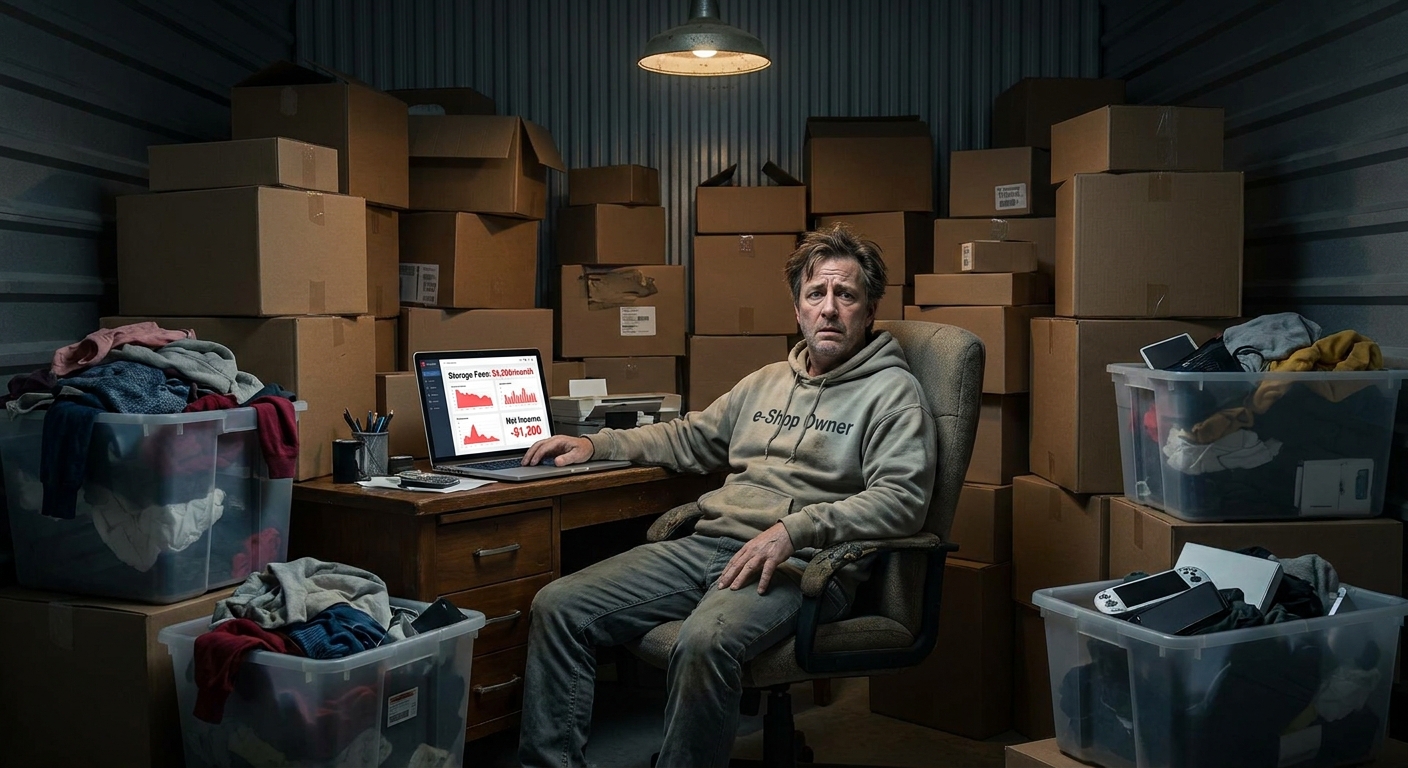
Inventory risks directly squeeze your profit margins through expensive warehouse holding fees and the threat of unsold dead stock. When you purchase bulk goods, your cash is completely frozen in physical cardboard boxes. If consumer tastes shift suddenly, you are forced to liquidate items at a heavy loss. Conversely, buying items individually ensures you never lose money on unsold stock.
Why is dead stock a cash flow killer?
Dead stock drains your business capital by sitting uselessly on warehouse shelves. You continue to pay storage fees for items that are no longer generating revenue. This continuous drain prevents you from reinvesting in high-performing marketing campaigns. Keeping your inventory lean is essential to maintaining healthy business cash flow.
How do stockouts damage customer trust?
Running out of popular items disappoints excited shoppers and drives them to competitors. Traditional retail requires complex forecasting to prevent these sudden supply gaps. If your supplier delays production, your store’s reputation suffers immediate damage. Balancing inventory levels is one of the hardest challenges in physical commerce.
Beyond managing physical stock levels, maintaining consistent product presentation is critical to keeping customers happy.
Key Takeaway: Protect your profit margins by utilizing demand-driven fulfillment to bypass storage overhead and eliminate the risk of depreciating dead stock.
Who controls the product quality and packaging?
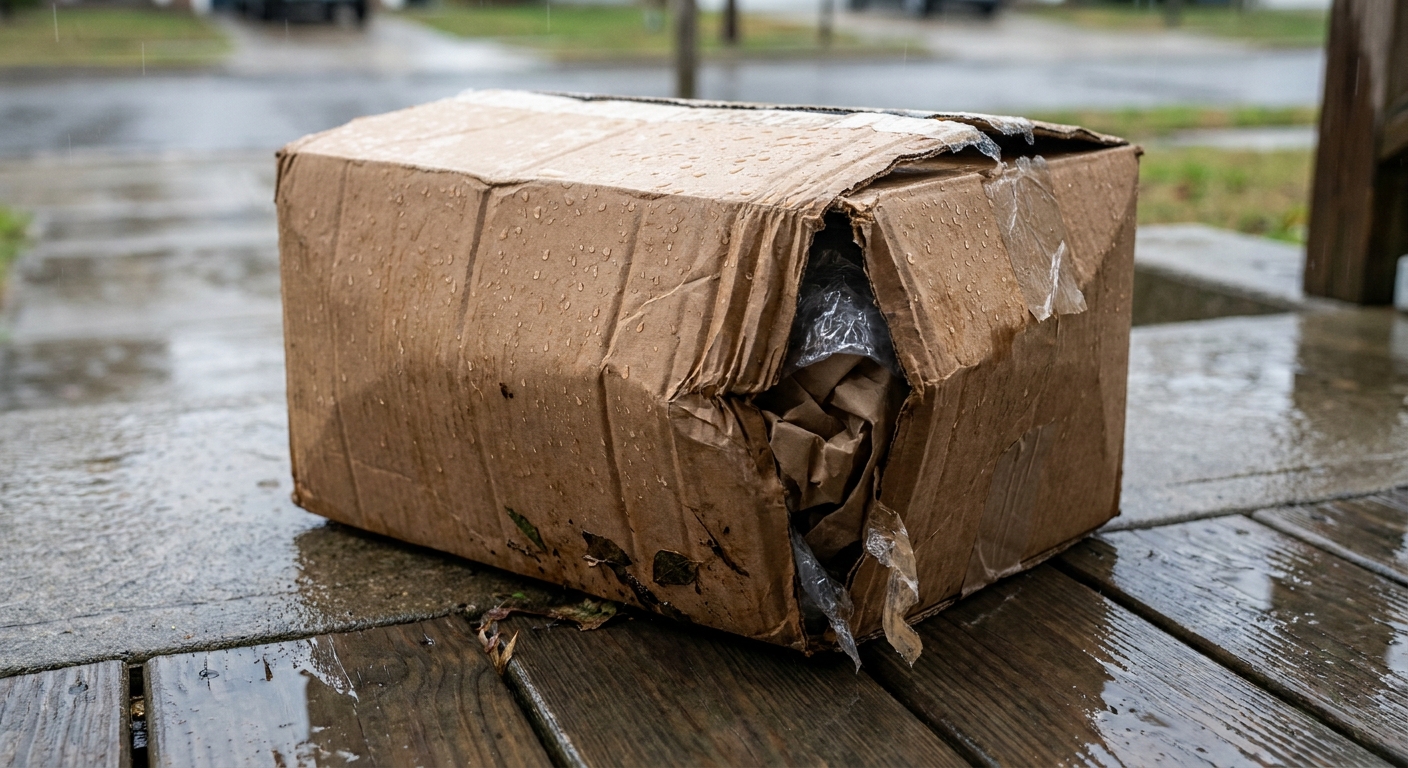
Traditional retail gives you total control over product quality and custom packaging, whereas standard dropshipping leaves these critical details to distant third-party suppliers. If a supplier ships a defective item, your customer blames your store, not the manufacturer. This lack of control often leads to high return rates and negative reviews. However, you can secure professional quality control by upgrading your fulfillment strategy.
How can you protect your brand reputation?
Protecting your brand requires setting strict quality benchmarks with your fulfillment partners. You must establish clear communication channels to resolve packaging defects quickly. Frequent sampling of your own products is a great way to monitor supplier performance. Consistent inspection ensures that every shipped box meets your high standards.
What role does custom packaging play?
Custom packaging creates an unforgettable unboxing experience that encourages repeat purchases. Standard brown boxes look generic and fail to build emotional connections with buyers. Incorporating professional custom branding services helps your store stand out in a crowded market. Investing in custom presentation is a proven way to increase customer lifetime value.
Once you have secured product quality, your focus must shift toward how quickly you can scale your operations.
Key Takeaway: Do not sacrifice your brand equity to cheap shipping; implement strict quality inspections and custom packaging to build a loyal customer base.
Can you easily scale a dropshipping store?

Scaling a dropshipping store is highly achievable because fulfillment is outsourced, but you will quickly face severe communication bottlenecks as order volumes surge. When your daily orders jump from ten to hundreds, manual order processing becomes impossible. Standard suppliers often struggle to keep up with sudden, massive spikes in demand. Without automated logistics systems, your customer service team will be completely overwhelmed.
Why do shipping bottlenecks occur?
Shipping bottlenecks happen when multiple overseas suppliers process your orders independently. Customers who buy multiple items may receive separate, confusing packages on different days. This fragmentation increases your overall shipping costs and complicates package tracking. Consolidating your shipments is the best way to resolve this logistical issue.
As orders grow, you must carefully monitor all associated expenses to protect your bottom line.
Key Takeaway: Scale your business efficiently by automating order processing systems early, preventing customer service backlogs as your daily order volume increases.
What are the hidden costs of both business models?
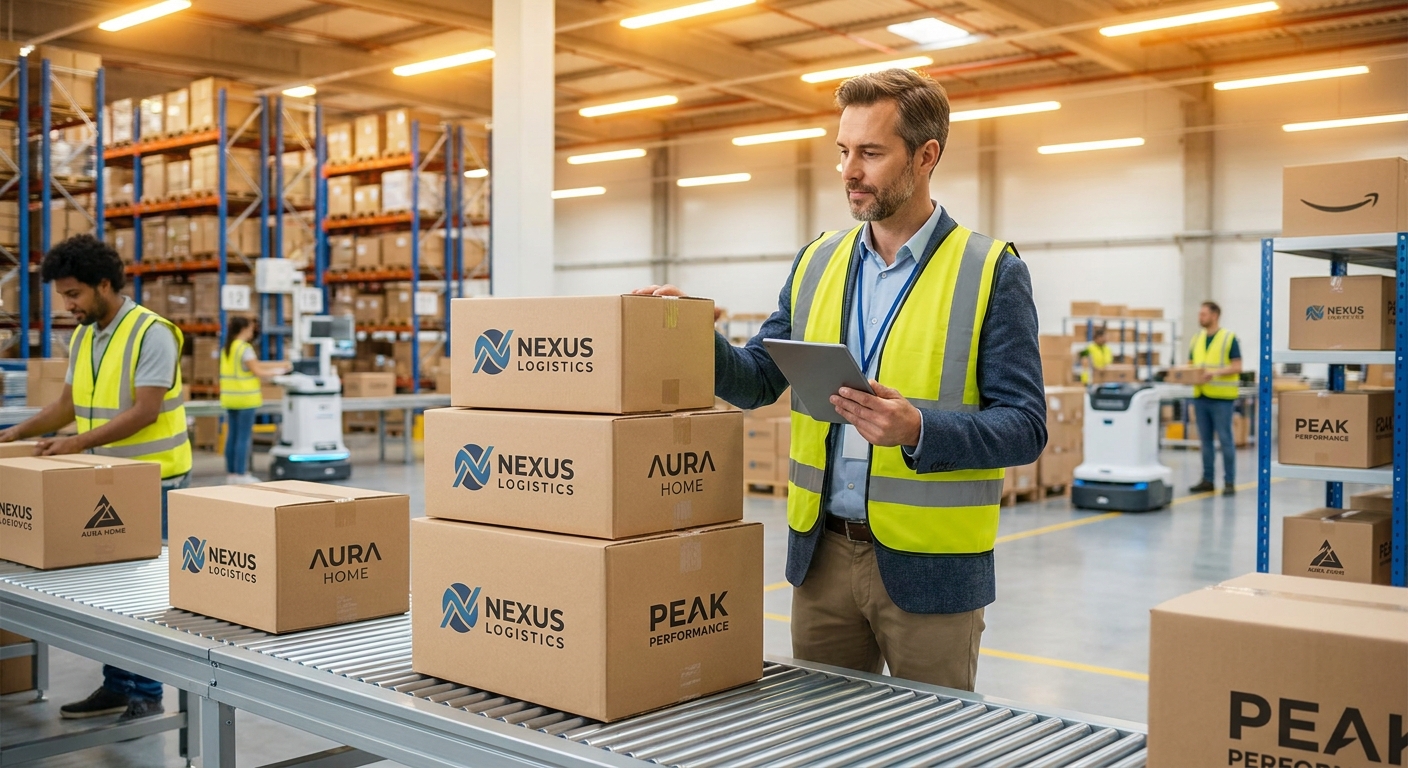
Hidden costs include expensive storage fees and return shipping in traditional retail, balanced against high transaction charges and premium product sourcing rates in dropshipping. Beginners often forget to calculate the cost of custom packaging and payment processor fees. Overlooking these small fees can quickly turn a profitable month into a financial loss. Partnering with a professional dropshipping fulfillment center can help consolidate these expenses.
How do return fees impact your bottom line?
Return fees drain your profits when customers send back damaged or incorrect items. If your supplier refuses to cover return costs, you must absorb the loss. Developing a clear and fair return policy helps protect your margins. High return rates are a clear sign of underlying product quality issues.
Recognizing these hidden expenses allows you to explore advanced fulfillment strategies that optimize your supply chain.
Key Takeaway: Build a detailed financial buffer for transaction and return fees to maintain a truly profitable digital storefront.
How does a private dropshipping agent solve scaling pains?

A private dropshipping agent solves your scaling pains by consolidating suppliers, performing strict quality control, and offering custom branding solutions. They act as your dedicated feet on the ground in manufacturing hubs. This direct partnership bridges the communication gap between you and overseas factories. Working with an agent combines the low risk of dropshipping with the branding power of traditional retail.
What does a private agent actually do?
A private agent locates reliable factories and negotiates bulk prices on your behalf. They inspect every item at their warehouse before shipping it to your customer. Partnering with a dedicated product sourcing agent ensures your inventory is always secure and high-quality. This personalized service eliminates the main headaches of standard overseas sourcing.
How does custom branding build brand equity?
Custom branding elevates your store from a generic site to a recognizable brand. Agents can add custom thank-you cards and branded inserts into every package. This premium unboxing experience dramatically boosts customer trust and retention. Building brand equity is the ultimate key to escaping price wars.
Conclusion
Navigating the choice between traditional ecommerce and dropshipping no longer has to be a risky, stressful venture. We help you source top-quality products, inspect every order, and custom-brand your packages through our premium services. By partnering with a dedicated private dropshipping agent, you can scale your store with absolute confidence and elite quality. Our mission is to empower digital entrepreneurs to build legendary global brands with zero logistical friction.
Key Takeaway: Partner with a private sourcing agent to combine low-inventory risk with premium quality control and custom packaging for rapid scaling.
Frequently Asked Questions
Can I transition from dropshipping to traditional ecommerce later?
Yes, you can easily transition. Once a product shows consistent sales, buying in bulk secures higher profit margins.
What’s the best business model for an absolute beginner?
Dropshipping is the best choice. It requires minimal upfront capital and carries zero risk of unsold inventory.
How do I know if my suppliers are reliable?
You can verify them through samples. Ordering samples yourself allows you to inspect product quality and shipping speed firsthand.
Can I build a private label brand while dropshipping?
Yes, you can build a brand. Partnering with a private agent allows you to add custom logos and branded packaging without buying bulk inventory.