
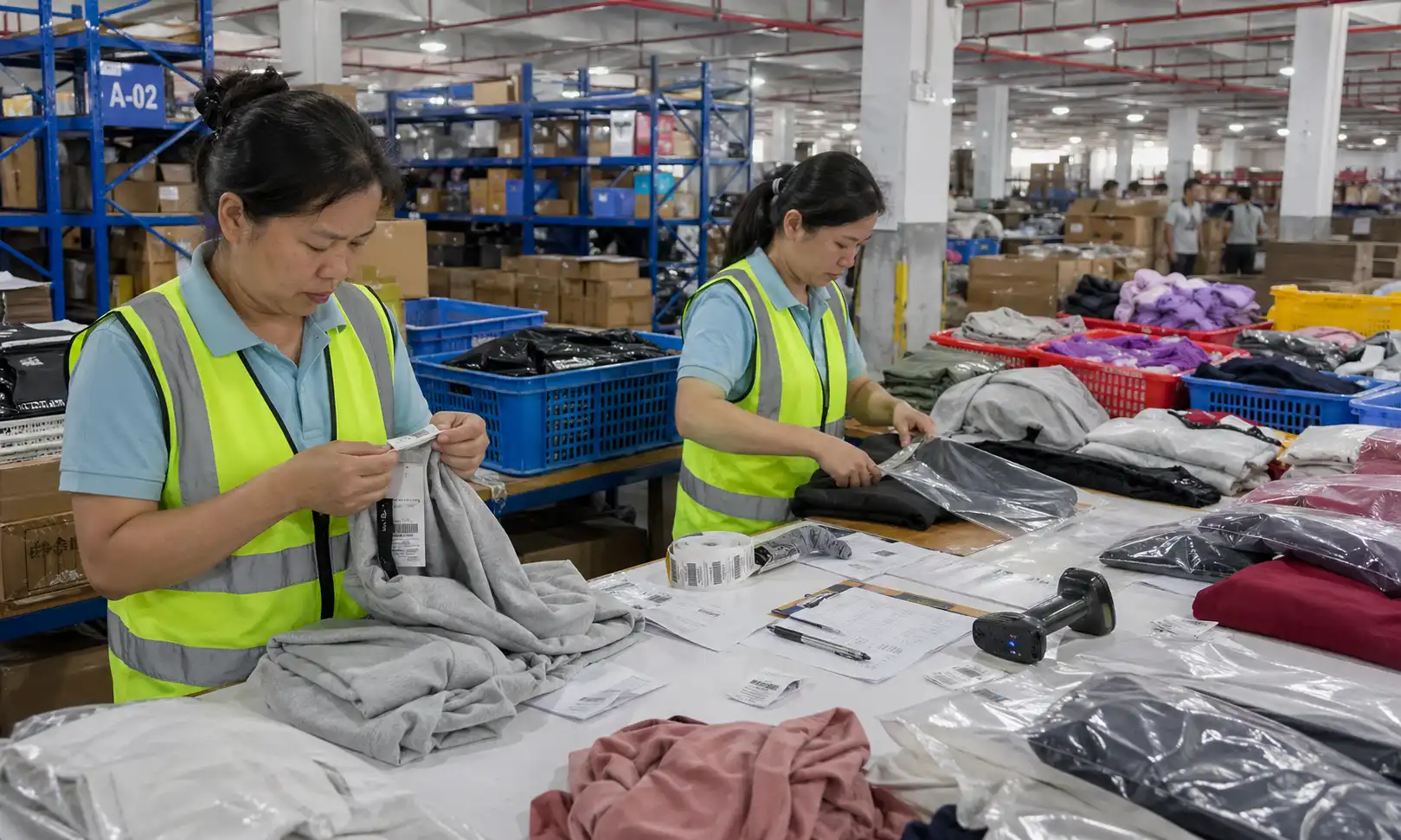
Starting a dropshipping clothing business in 2026 requires selecting a targeted fashion micro-niche, establishing a secure online storefront on a platform like Shopify, and partnering with a dedicated private agent to manage product sourcing, quality control, and rapid global delivery. Many aspiring e-commerce entrepreneurs launch generic apparel stores only to find themselves burning through their advertising budgets on platforms dominated by massive fast-fashion giants, leaving them with low conversion rates and devastating 35% return rates due to sizing inconsistencies. Frustrated by long shipping delays and cheap, uninspected garments sent by public suppliers, these builders often face suspended merchant accounts and angry customer disputes. To resolve these challenges, establishing a modern, structured supply chain supported by pre-dispatch quality inspections and fast direct-line shipping allows you to scale a profitable, sustainable apparel brand with minimal overhead. Whether you are a seasoned e-commerce entrepreneur or a complete beginner, launching a Dropshipping Clothing business allows you to capture high margins without the risk of unsold inventory.
How Do You Launch a Dropshipping Clothing Business?
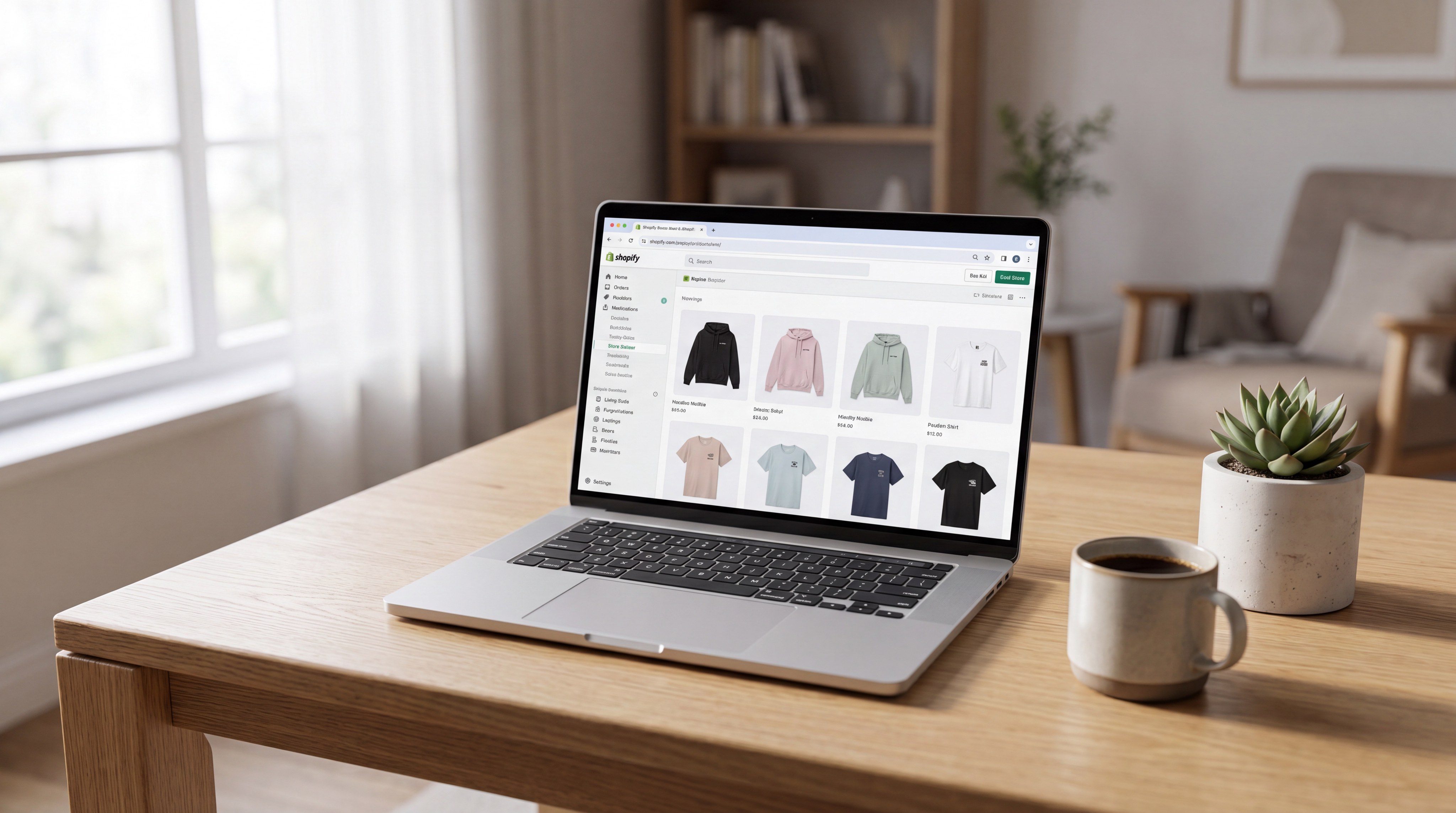
Launching a clothing business requires establishing a legal entity, configuring an online storefront, and linking your catalog to a reliable fulfillment partner. While the traditional retail path demands significant capital for upfront inventory, utilizing a zero-overhead model allows you to launch with minimal risk. By shifting fulfillment tasks to a logistics partner, you can concentrate entirely on brand development and customer acquisition. However, navigating the initial setup steps can feel overwhelming if you do not have a structured operational checklist to follow.
What is the step-by-step setup process?
To establish your storefront, you must register a custom domain and configure your chosen e-commerce platform. Once your site design is finalized, you can map out your business plan by determining your target audience. You will also need to connect your storefront’s backend API to synchronize inventory automatically.
If you want to build a solid foundation, understanding how to build a dropshipping business plan can clarify your long-term expansion goals. This ensures that you have calculated your software fees, domain costs, and marketing budgets before going live.
How much starting capital do you need?
You can launch a modern clothing store with a starting capital of $500 to $1,500. This budget is primarily split between e-commerce platform subscriptions, domain registration, and initial ad campaigns. Additionally, ordering physical samples is a critical expense that protects your brand from low-quality products.
If you want to turn a profit early on, balancing these startup expenses against your projected margins is essential. You should maintain a small cash reserve to cover unforeseen processing fees or customer returns.
| Expense Category | Average Cost (USD) | Priority Level |
|---|---|---|
| Store Platform Fee | $29 – $79 / month | High |
| Custom Domain Name | $10 – $15 / year | High |
| Physical Samples | $100 – $250 | Critical |
| Social Media Ads | $300 – $500 | High |
This initial cost breakdown shows that testing physical garment quality is just as important as funding your first ad campaign.
For a visual overview of how a clothing brand is planned before launch, this Shopify video is a useful companion. It helps beginners understand how brand positioning, product sourcing, pricing, and market selection connect before building a real Dropshipping Clothing store.
Key Takeaway: Launching your clothing brand successfully requires a balanced capital allocation that prioritizes product quality testing and early social media ads over expensive web design plugins.
How Can You Select a Profitable Fashion Niche?
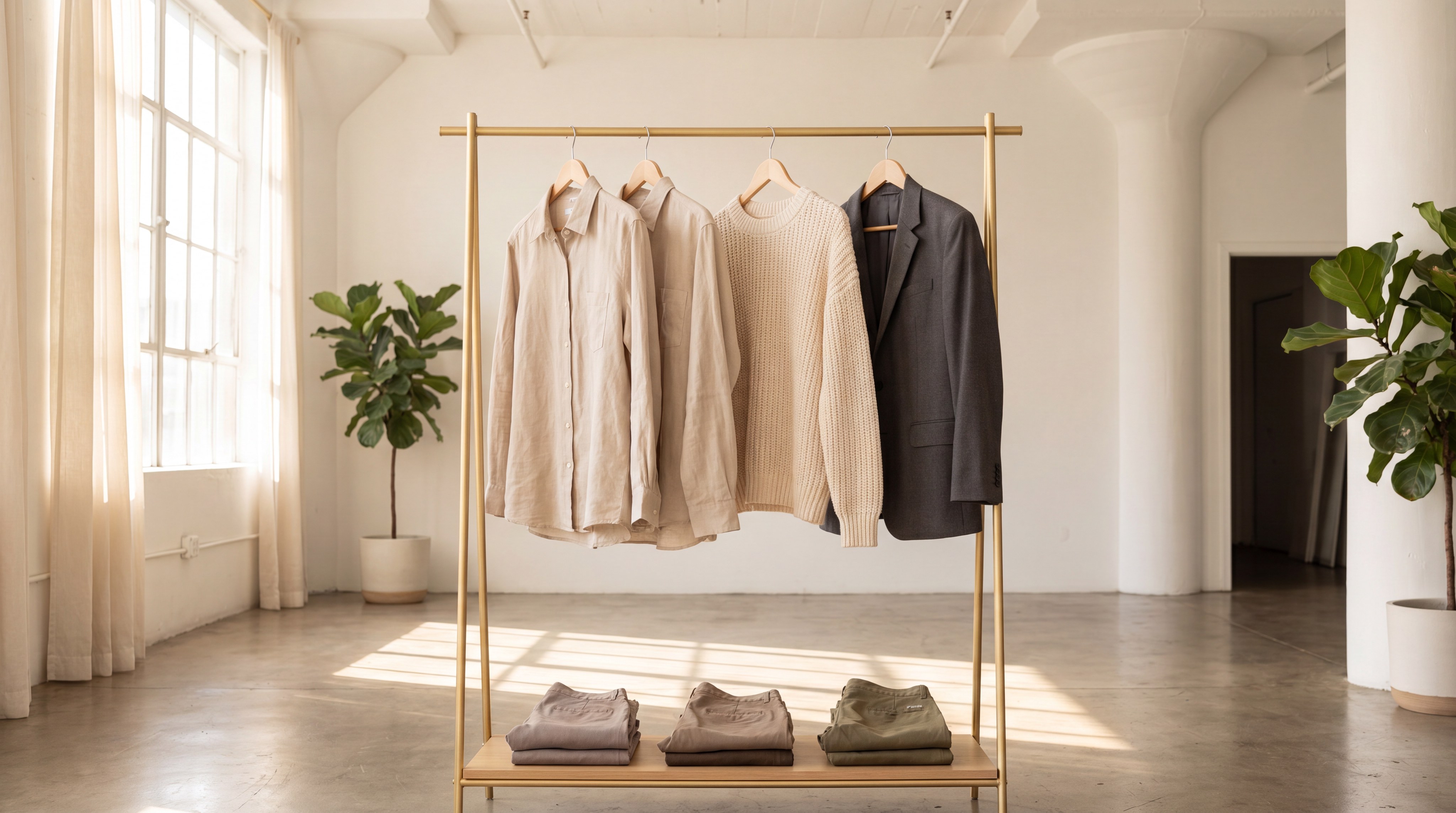
Selecting a profitable fashion niche involves analyzing market demand, measuring search trends, and identifying underserved consumer segments. Competing with global fast-fashion brands is a losing battle unless you target a highly specific audience. By narrowing your scope, you can focus on items like organic loungewear or oversized vintage streetwear that carry higher perceived value. Moving away from broad markets toward specialized categories will dramatically lower your customer acquisition costs.
Why is micro-niching better than general apparel?
Micro-niching allows you to dominate small but highly passionate customer communities online. Instead of selling standard t-shirts to everyone, you can market sustainable bamboo activewear specifically to yoga enthusiasts. This approach builds instant brand authority and fosters long-term customer loyalty.
If you want to explore other high-ticket options, researching modern dropshipping niches will reveal which apparel sub-categories are generating the highest profit margins this year. Focusing on these high-margin segments keeps your store competitive.
How do you validate demand using social data?
You can validate market interest by analyzing social media search metrics on platforms like TikTok and Instagram. Look for high-engagement hashtags, styling videos, and aesthetic trends that have consistent upward momentum. This raw social data tells you exactly what styles consumers want to purchase before you source them.
Additionally, tools like Google Trends can help you confirm if an apparel trend is a short-lived fad or a stable market. Choosing styles with sustained multi-month search volume ensures your store remains profitable throughout the season.
Key Takeaway: You must focus on a hyper-specific fashion micro-niche to bypass generic competitors and lower your advertising costs on visual platforms.
Where Can You Find Reliable Apparel Vendors?
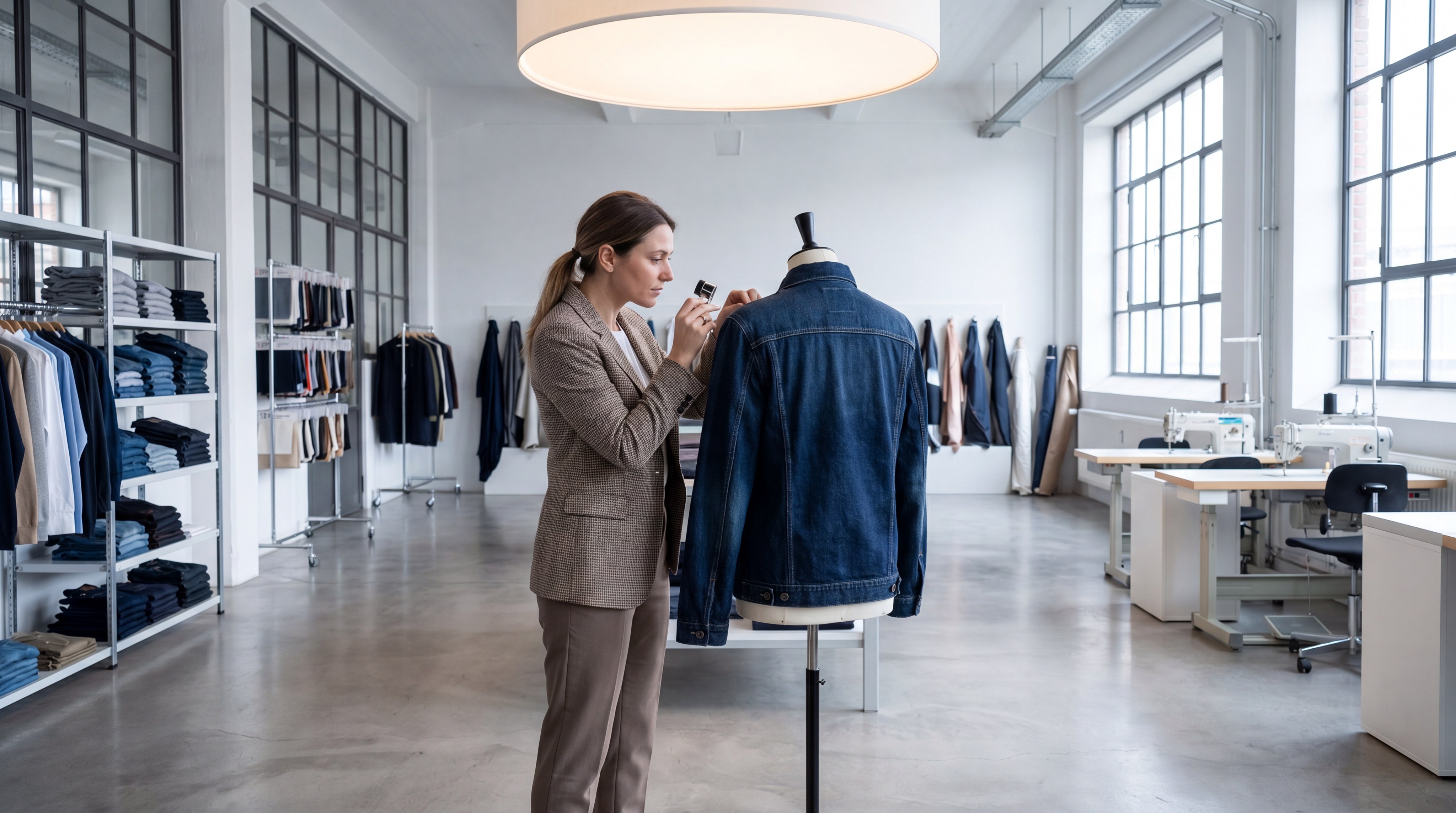
You can find reliable apparel vendors by comparing verified wholesale directories, trade show sources, factory-backed suppliers, and private agent teams that understand sizing, fabric consistency, color variation, packaging, and pre-dispatch checks. For sellers building an apparel dropshipping operation, supplier selection should not be judged by product price alone; the real standard is whether the partner can keep garments consistent across batches, check visible defects before dispatch, and support faster delivery routes as order volume grows.
What standards should you look for in a vendor?
A reliable clothing supplier must provide fast 5-to-8 day shipping, instant inventory synchronization, and custom packaging support. They should also possess a robust quality control process to catch defective garments before dispatch.
Furthermore, clear communication is an absolute necessity when managing your product supply. Ensure your prospective supplier offers a dedicated account manager who can resolve shipment errors or inventory shortages in real time.
How do you verify product quality in fashion?
You can verify product quality by ordering physical samples to your home before listing any clothing items on your store. This hands-on test allows you to inspect the stitch durability, fabric weight, and stretch consistency under real conditions. Never trust factory photos alone, as they rarely reflect the actual quality of the physical garment.
If a sample fails your personal standards, it will certainly disappoint your paying customers and spike your return rates. Taking this proactive quality check step preserves your merchant account standing and brand reputation.
| Sourcing Channel | Shipping Speed | Customization Level | Risk Profile |
|---|---|---|---|
| Traditional Platforms | 15 – 25 Days | Extremely Low | High Sizing Errors |
| Private Sourcing Agents | 5 – 8 Days | High (Branded Pack-ins) | Very Low (Pre-dispatch QC) |
Sourcing through private agents reduces your shipping times significantly while providing advanced customization that traditional platforms cannot match.
Key Takeaway: Never run an online boutique without personally testing physical samples to verify fabric quality, stitching strength, and size accuracy first.
Which Store Platforms Drive Modern E-Commerce Sales?
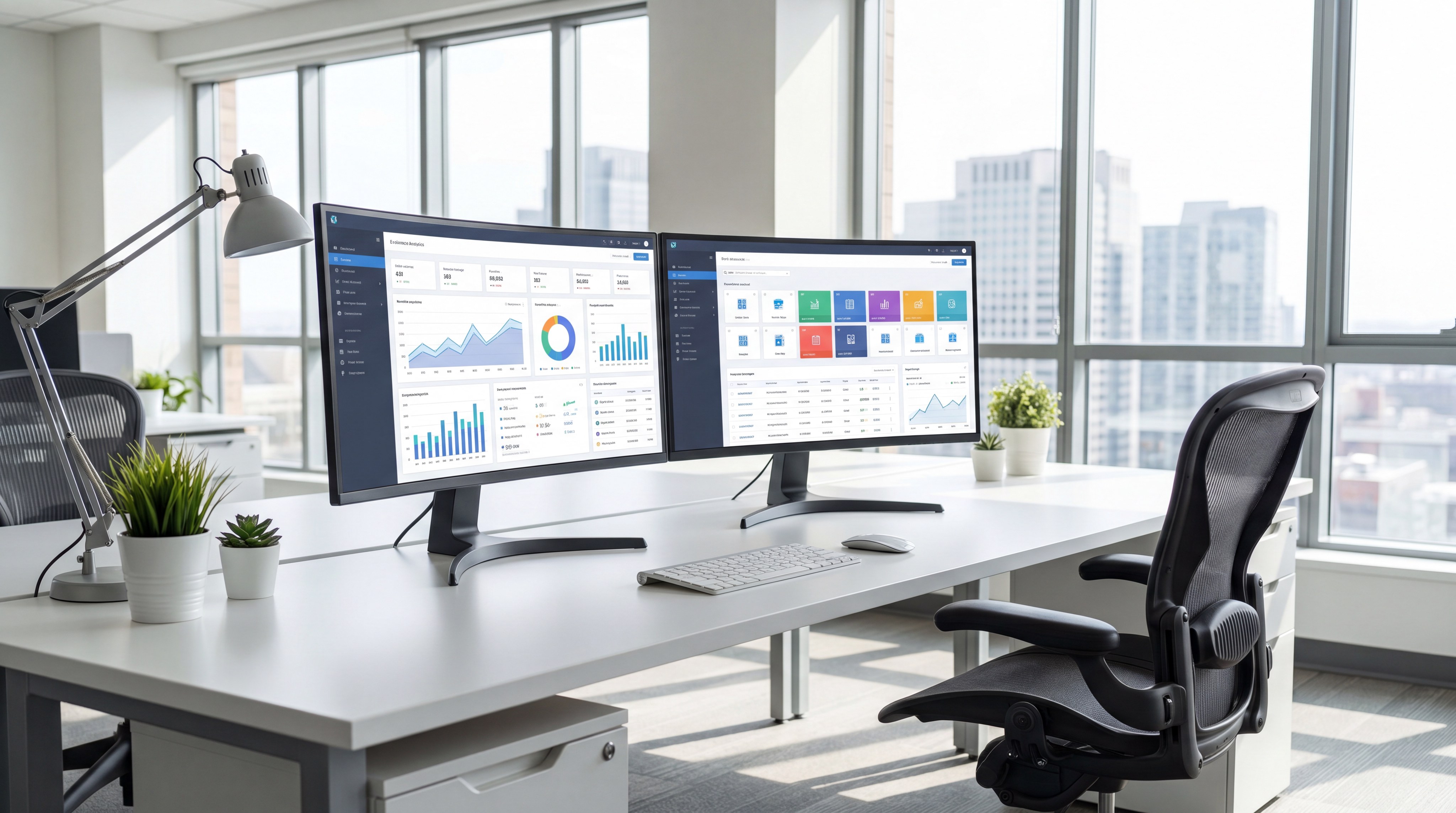
The most effective store platforms for driving modern e-commerce sales are Shopify and WooCommerce. Selecting the right software infrastructure determines how easily you can customize your design and process customer checkout transactions. Shopify is highly recommended for beginners due to its hosting security, native payment gateways, and immense app ecosystem. However, you must carefully evaluate your technical skills and budget before committing to a platform.
Why is Shopify preferred for fashion stores?
Shopify provides a seamless, user-friendly environment with themes designed specifically to showcase visual clothing catalogs. It integrates natively with most supplier APIs, allowing for automated order synchronization and 15-minute inventory updates. This hosted platform minimizes technical downtime and lets you focus entirely on your marketing campaigns.
If you are looking to scale your business smoothly, leveraging these native integrations is a great way to optimize e-commerce dropshipping operations. This infrastructure helps you maintain high seller ratings and fast dispatch metrics.
When should you consider WooCommerce?
WooCommerce is an open-source alternative that gives you complete control over your store’s backend code and database structure. It is built on WordPress, meaning you can customize every element of your design without paying recurring subscription fees. However, this flexibility requires you to manage your own web hosting, server speed optimizations, and security patches.
If you have technical experience or a developer on your team, this platform offers unmatched customization possibilities. It allows you to build completely custom checkout flows that can boost your conversion rates.
Key Takeaway: Use Shopify to build your storefront if you want to bypass technical development hurdles and launch your clothing brand quickly with automated order syncing.
How Should You Price Your Garment Catalog?
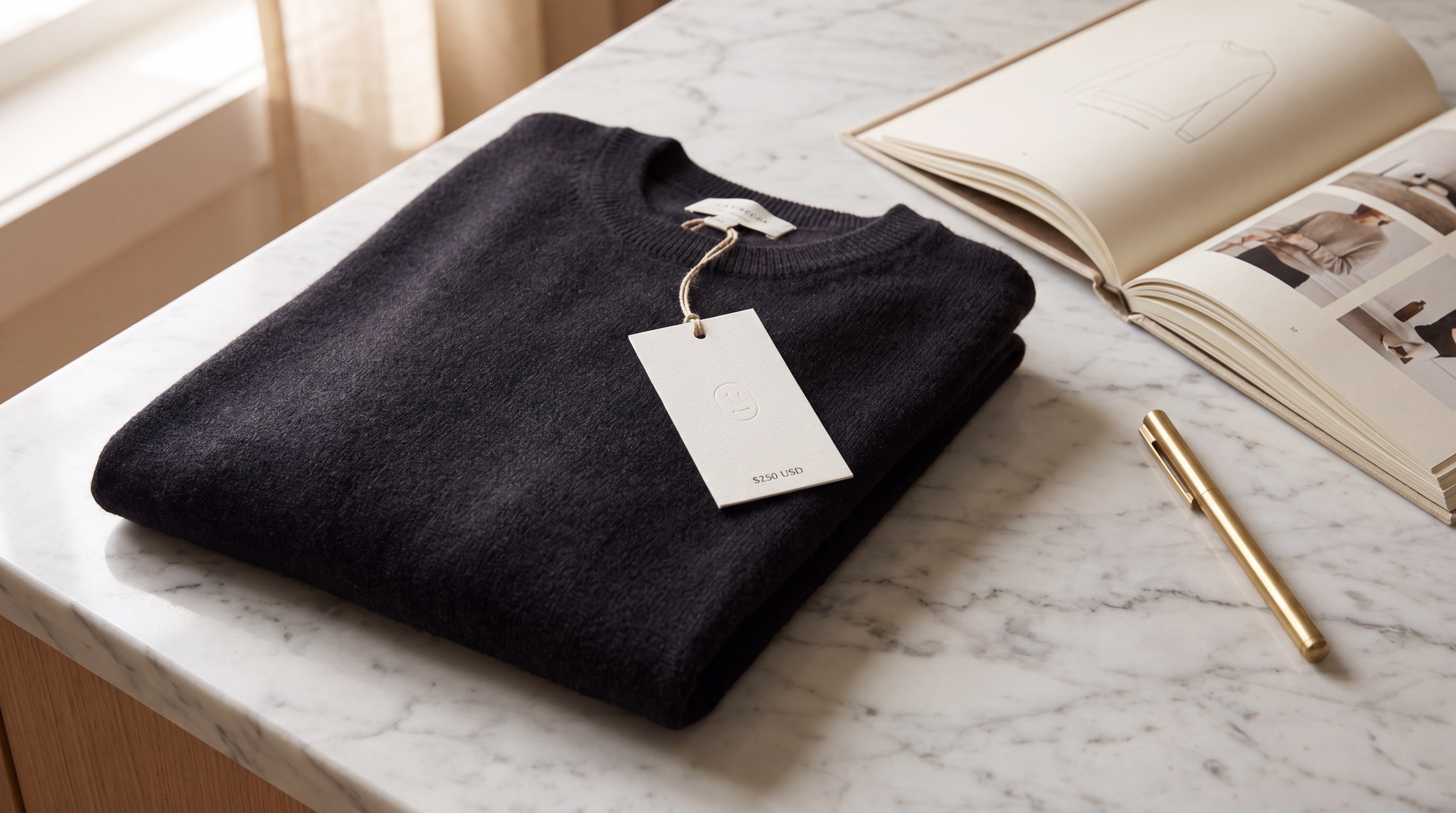
You should price your garment catalog using a value-based markup strategy that accounts for production, shipping, and marketing acquisition costs. In the fashion industry, underpricing your products can actually harm sales by signaling poor fabric quality to buyers. To remain highly profitable, you must target a minimum markup of three to four times the wholesale product cost. Transitioning to a premium pricing tier is the most sustainable way to offset rising ad costs.
What pricing formulas ensure high margins?
A solid pricing formula calculates all overhead expenses before setting the final retail price for your garments. For instance, if a shirt costs $10 to source and $5 to ship, your total base cost is $15. Pricing that garment at $45 to $60 gives you the margin required to cover advertising spend and still earn a healthy net profit.
How do you build premium perceived value?
Building perceived value relies on premium brand presentation, professional lifestyle photography, and compelling copywriting. Instead of using generic stock images, write descriptive product pages that detail the fabric weight, knit texture, and style fits. This attention to detail justifies your higher retail price points and builds customer trust.
Additionally, offering custom packaging, simple hangtags, branded inserts, and personalized thank-you cards transforms a basic parcel into a more memorable unboxing experience. When your store has repeatable demand, moving into private label dropshipping helps your clothing brand look less generic, justify higher retail pricing, and build stronger customer retention without jumping directly into heavy bulk inventory.
| Garment Type | Sourcing + Shipping | Target Retail Price | Gross Margin % |
|---|---|---|---|
| Basic Tee / Top | $8.00 | $29.00 | 72% |
| Premium Hoodie | $18.00 | $59.00 | 69% |
| Outerwear / Jacket | $28.00 | $89.00 | 68% |
This pricing matrix illustrates how maintaining a consistent 70% gross margin protects your bottom-line profitability from marketing expenses.
Key Takeaway: Price your garments at a minimum of 3x wholesale costs to guarantee your business remains profitable after absorbing ad costs and returns.
What Marketing Tactics Scale a Trend Store?
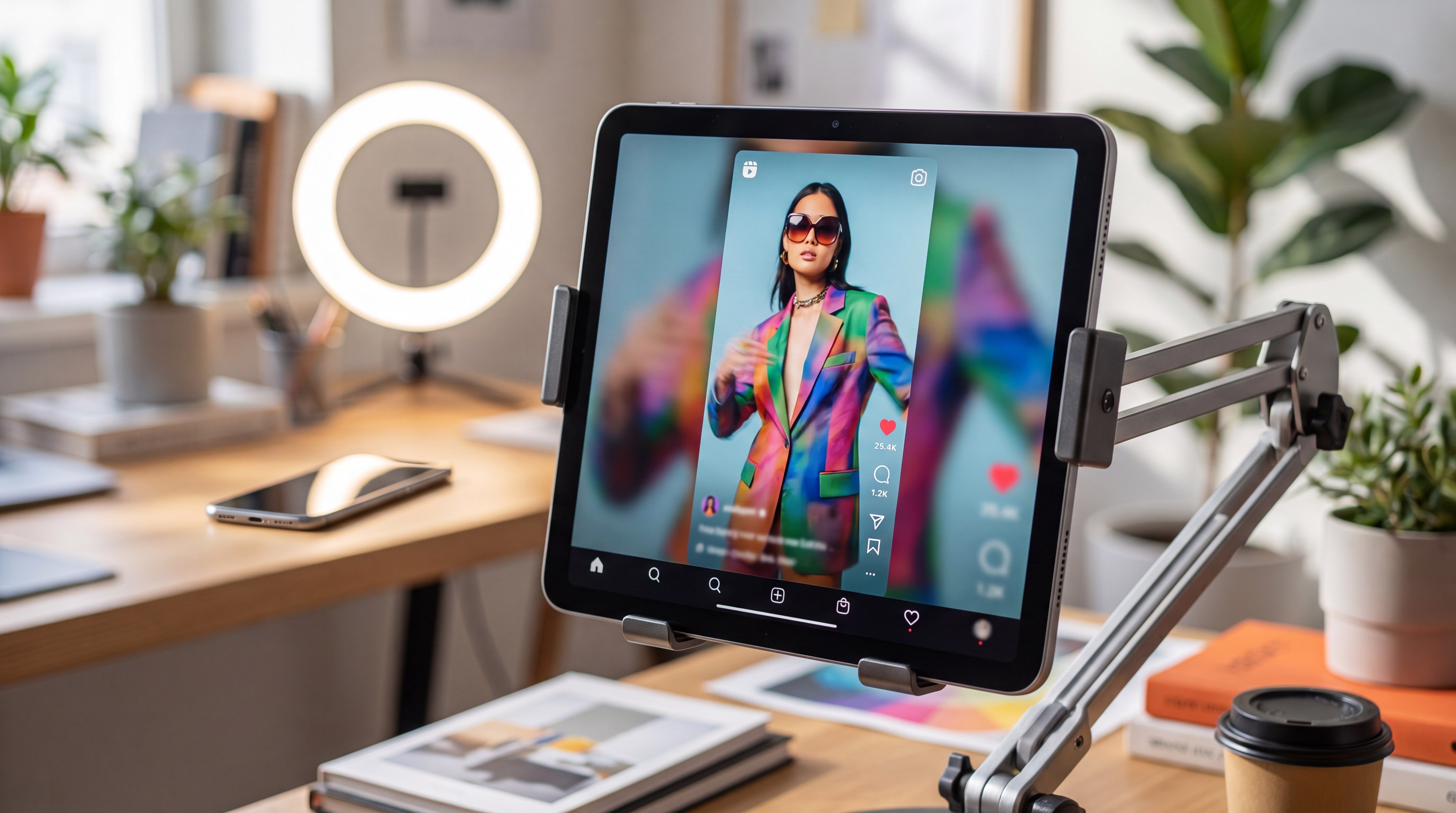
You can scale a trend store by leveraging viral short-form video content, collaborating with micro-influencers, and running high-converting visual ads. Because apparel is a highly visual and emotional purchase, traditional text-based advertising will not yield strong results. Creating engaging TikTok videos and Instagram Reels is the most cost-effective way to showcase how your garments fit in real life. However, you must align your content production with a structured paid acquisition strategy to see consistent sales.
How can you drive traffic using TikTok?
TikTok has become the ultimate discoverability engine for fashion brands looking to connect with younger, highly active consumers. By posting daily styling videos, “get ready with me” clips, and garment reviews, you can generate millions of organic views for free. This viral traffic can be directed straight to your product pages to build immediate sales momentum.
If you want to maximize this platform’s potential, exploring custom TikTok dropshipping tactics will help you automate order fulfillment while protecting your merchant account ratings. This ensures you can scale rapidly during a viral traffic spike without shipping delays.
Why does micro-influencer seeding work?
Micro-influencer seeding involves sending free garment samples to content creators with engaged audiences between 10,000 and 50,000 followers. In exchange, they produce authentic video reviews and styling reels that act as powerful social proof for your brand. This method generates high-quality visual assets that you can reuse in your paid ad campaigns.
Because their followers trust their personal style recommendations, micro-influencers yield significantly higher conversion rates than expensive celebrities. This cost-effective strategy lets you build a passionate community of customers on a budget.
Key Takeaway: Prioritize daily short-form video creation and micro-influencer gifting to drive highly engaged, low-cost traffic to your fashion storefront.
How Do You Minimize High Apparel Return Rates?

You can minimize high apparel return rates by implementing highly accurate, localized sizing charts and providing incredibly detailed product descriptions. Incorrect sizing remains the single greatest driver of returns in fashion e-commerce, often eating up over 30% of an online store’s profit. By proactively addressing this issue on your product pages, you can protect your margins and build long-term buyer trust. Taking control of this operational hurdle is crucial to stabilizing your monthly revenue.
Why are custom sizing guides essential?
Sizing terminology like “Small” or “Large” is highly inconsistent among global apparel manufacturers. To reduce confusion, publish detailed size guides with exact chest, shoulder, waist, length, and inseam measurements in both inches and centimeters, and keep your product data aligned with the Google Merchant Center size attribute so apparel variants are easier to understand across markets.
Additionally, including the model’s height and the garment size they are wearing in the product photos provides valuable context. This visual reference helps buyers visualize how the clothing will fit on their own body types.
How can you handle returns efficiently?
When returns do occur, having a clear and transparent policy in place is vital to maintaining buyer confidence. Set up a dedicated local returns address or partner with an agent who offers consolidated return processing to avoid sending packages back internationally. This system allows you to inspect, repackage, and restock clean items for future sales.
Providing seamless exchanges or offering immediate store credit is another excellent way to retain customer capital. This customer-first approach keeps your brand competitive and encourages repeat purchases.
| Return Cause | Operational Solution | Impact on Return Rate |
|---|---|---|
| Incorrect Sizing | Add Interactive Size Charts | Reduces Sizing Returns by 40% |
| Poor Fabric Quality | Order and Wash-Test Samples | Cuts Defect Complaints by 50% |
| Late Delivery | Use Fast Direct-Line Shipping | Minimizes “Item Not Arrived” cases |
This return-mitigation chart shows how proactive quality checks and detailed size specifications can slash your refund rates in half.
Key Takeaway: Implement hyper-detailed, localized sizing charts and model reference measurements on every product page to prevent the sizing errors that drive up returns.
Why Do Private Agents Beat AliExpress for Apparel?

Private dropshipping agents outperform public platforms like AliExpress by offering custom quality control, rapid direct-line shipping, and branded packaging with zero high minimum order requirements. While public platforms are suitable for absolute beginners testing their first products, they quickly become a liability as your order volume scales. A dedicated agent works directly on your behalf to negotiate wholesale factory rates and inspect garments before they are shipped overseas. Choosing this tailored logistics model is the ultimate way to transition from a generic store to a real brand.
The same caution applies when a seller tries to use a consumer fashion retailer as a hidden supplier. Before building an apparel store around direct retail ordering, check this SHEIN dropshipping risk guide for clothing sellers so product images, packaging, stock changes, returns, and platform rules do not become customer-facing problems.
How does pre-dispatch QC protect you?
Pre-dispatch quality control ensures that every jacket, dress, or shirt is inspected for loose threads, stitching errors, and accurate sizing tags. If a defect is found, the agent immediately rejects the item and gets a replacement directly from the factory, shielding your buyers from poor quality. This proactive defense keeps your store’s return rates and payment gateway disputes near zero.
If you are looking to build a sustainable brand, utilizing these customized quality checks is a vital step in branded dropshipping execution. This ensures your products always meet premium Western standards.
Can you customize packaging easily?
Yes, a private agent can easily source and store custom poly mailers, branded neck labels, and custom hangtags with minimal upfront investment. This professional presentation makes your packages look like they came directly from a high-end warehouse, instantly raising your brand’s authority. This branding is crucial to establishing high customer lifetime value.
Unlike traditional manufacturers that demand thousands of units to print a logo, private agents offer highly flexible branding solutions. This allows you to scale your private label on a dropshipping budget.
Key Takeaway: Move your store’s fulfillment from public channels to a private agent to secure faster shipping speeds, custom quality checks, and premium branded packaging.
Strategic Operational Steps
To establish a highly profitable and resilient apparel brand in 2026, you must transition your operations from uninspected, slow public supply lines to a structured, quality-controlled fulfillment system. Elevating your garment presentation, resolving sizing discrepancies, and securing fast 5-to-8 day delivery routes are the primary milestones of a successful scaling strategy. When you are ready to eliminate shipping bottlenecks, protect your merchant accounts, and build a lasting private label, partnering with a dedicated Runtodropship agent provides the complete product sourcing, pre-dispatch quality control, and branded packaging infrastructure required to scale your business seamlessly.
Frequently Asked Questions
Can I start dropshipping clothing with no money?
No, starting with absolutely zero budget is highly unrealistic due to baseline software and marketing costs. You will need a modest initial capital reserve to cover platform fees, custom domain registrations, physical testing samples, and initial advertising campaigns.
What’s the best way to handle sizing differences between Asian and Western charts?
The most reliable method is to publish precise, localized sizing charts on your product pages. Since manufacturer terms like “Medium” or “Large” vary globally, displaying exact fabric measurements in inches and centimeters ensures your buyers select the correct fit on their first try.
How do I know if an apparel supplier is actually reliable?
You can identify a reliable supplier by their willingness to provide fast shipping lines and direct communication channels. Additionally, their processing speeds should remain consistently under 48 hours to protect your storefront’s delivery ratings.
Can I build a private label clothing brand using dropshipping?
Yes, you can build a customized private label brand without purchasing bulk inventory. Collaborating with a dedicated agent allows you to source custom packaging, branded neck labels, and custom insert cards on a highly flexible budget.
What is the most effective platform for driving apparel traffic in 2026?
TikTok remains the premier platform for scaling online clothing storefronts. Its highly visual, video-first algorithm allows independent fashion brands to reach passionate consumer micro-communities organically through daily styling guides.