
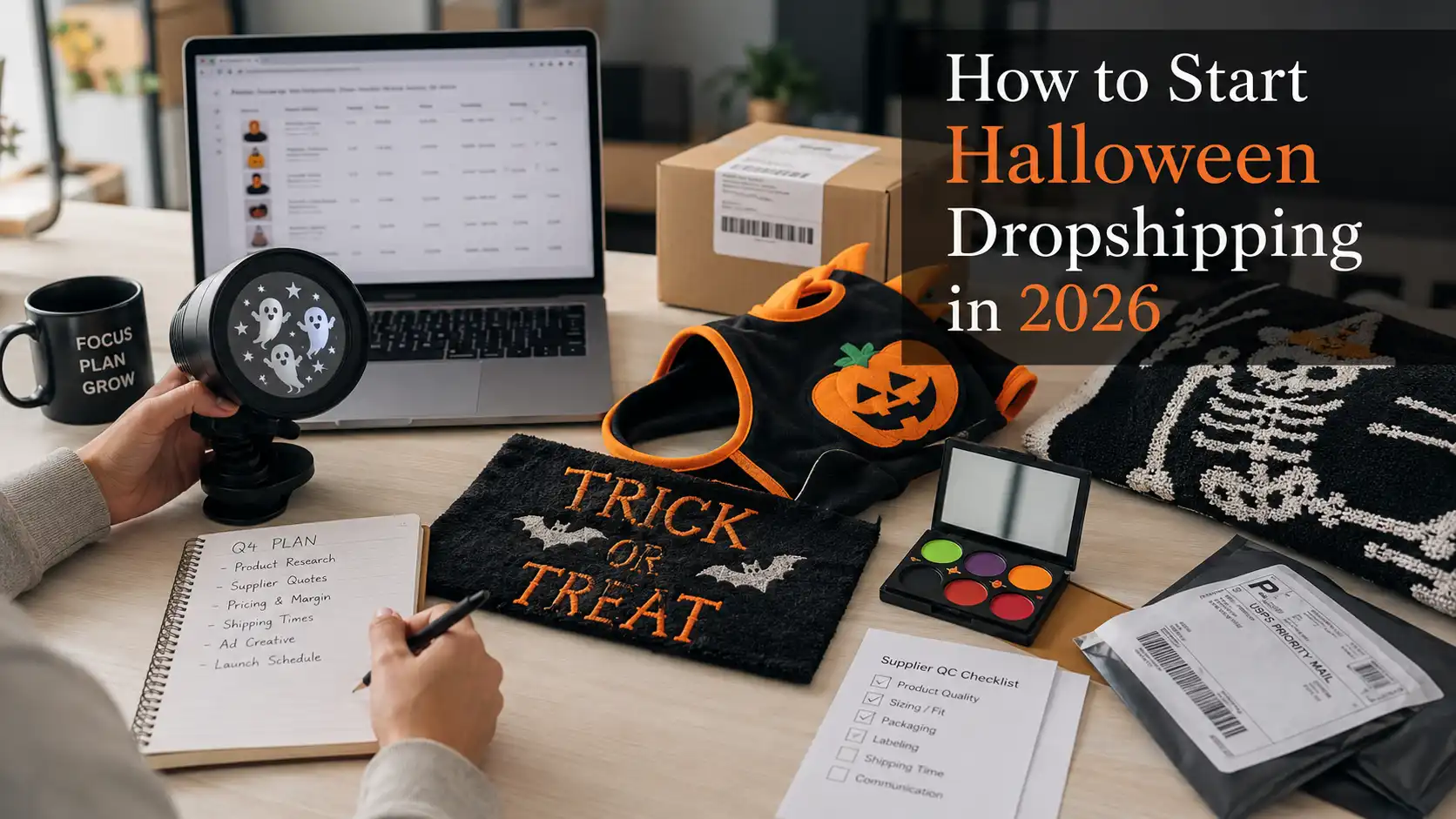
Picture a store owner in early October, watching competitors rack up sales while their own ads burn cash on products nobody wants. Every year, thousands of sellers miss the Halloween window because they picked the wrong items or started too late. The fix isn’t complicated: choose proven seasonal winners, source them early, and work with suppliers who can actually deliver in Q4. That’s exactly what this guide covers.
The 10 best products for halloween dropshipping in 2026 include animatronic props, projection lights, pet costumes, glow makeup kits, inflatable yard décor, themed drinkware, smart candy dispensers, spooky home textiles, costume accessories, and reusable trick-or-treat gear. Below, you’ll find why each one sells, when to launch, how to price them, and the risks most guides skip entirely.
What Is Halloween Dropshipping and Why Does It Work in 2026?
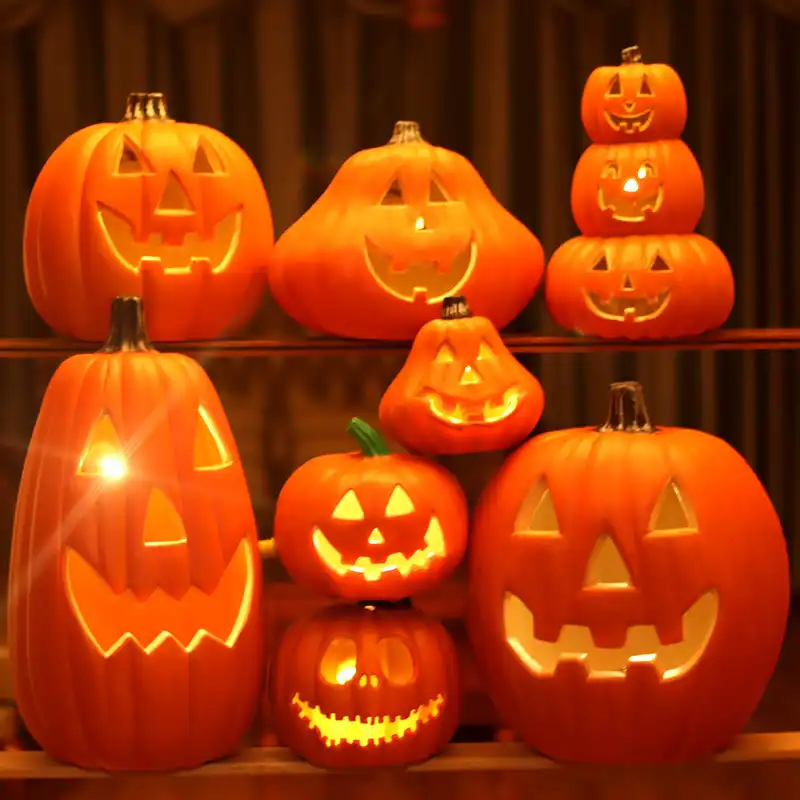
Halloween dropshipping means selling seasonal Halloween products online without holding inventory yourself — your supplier ships each order directly to your customer. The model fits Halloween perfectly because demand spikes hard for six weeks, then disappears, which makes bulk inventory a genuine gamble for small sellers.
Consumer appetite keeps growing, too. US Halloween spending has climbed from under $9 billion in 2019 to over $13 billion in recent years, with décor and pet costumes growing fastest. That growth gives you a real market — if you respect the calendar.
The trend line above shows a market that roughly doubled its low point within four years, which explains why seasonal sellers keep coming back every autumn.
Which 10 Halloween Products Should You Sell Online in 2026?
The strongest 2026 picks combine high perceived value, light shipping weight, and strong visual appeal for short-form video ads. Here’s the full list before we break down the standouts.
| # | Product | Why It Sells | Avg. Selling Price |
|---|---|---|---|
| 1 | Motion-activated animatronic props | Viral video potential | $35–$90 |
| 2 | Halloween projection lights | Replaces bulky décor | $25–$50 |
| 3 | Pet costumes | Fastest-growing segment | $15–$35 |
| 4 | Glow-in-the-dark makeup kits | TikTok tutorial fuel | $12–$25 |
| 5 | Inflatable yard decorations | High perceived value | $40–$120 |
| 6 | Skull & pumpkin drinkware | Year-round crossover appeal | $15–$30 |
| 7 | Smart candy dispensers | Novelty + contactless trend | $30–$60 |
| 8 | Spooky doormats & pillow covers | Cheap to ship, easy bundles | $10–$25 |
| 9 | Couples & group costume accessories | Multi-unit orders | $15–$40 |
| 10 | Reusable trick-or-treat bags | Eco angle, low cost | $8–$18 |
Notice how the highest-margin items (props, inflatables) also carry the highest shipping risk, while textiles and bags offer safer margins at lower ticket prices.
Why do animatronics and projection lights lead the list?
They win because they demo brilliantly on video, and video sells Halloween. A jumping spider prop or a window projection of dancing ghosts stops the scroll instantly, which drops your ad costs. Projection lights also solve a real problem: renters and small-home owners want dramatic décor without storage headaches.
What makes pet costumes a 2026 breakout category?
Pet spending keeps outpacing almost every other Halloween segment, with roughly one in five pet owners now dressing up their animals. Dog pumpkin outfits, lion manes, and matching owner-pet sets generate shareable content that markets itself. Sizes matter here — stock XS through XL or expect painful return rates.
Key Takeaway: Pick 3–4 products from this list rather than all 10. Test with small ad budgets in September, then push winners hard through mid-October — spreading budget across ten untested items is the most common way new sellers lose money.
When Should You Start Preparing Your Halloween Store?
You should start product research in July, launch your store by late August, and run ads from mid-September through the third week of October. Sellers who wait until October compete against established stores with proven creatives and warmed-up ad accounts — a fight you rarely win.
Here’s the timeline that consistently works, based on how buying behavior actually unfolds:
| Phase | Timing | Focus |
|---|---|---|
| Research & sourcing | July | Product selection, supplier vetting, samples |
| Store & creative build | August | Product pages, video ads, email flows |
| Soft launch | Early September | Small ad tests, data collection |
| Scale | Late Sept – Oct 20 | Push winners, retargeting |
| Wind down | Oct 21–31 | Clear stock, stop cold traffic |
The table makes one thing obvious: more than half the work happens before a single ad runs, which is exactly where late starters fall behind.
Key Takeaway: Set October 15–18 as your last safe day for standard-shipping orders. Selling past that date without express options guarantees refund requests from customers whose décor arrives in November.
How Do You Find Reliable Suppliers for Seasonal Products?
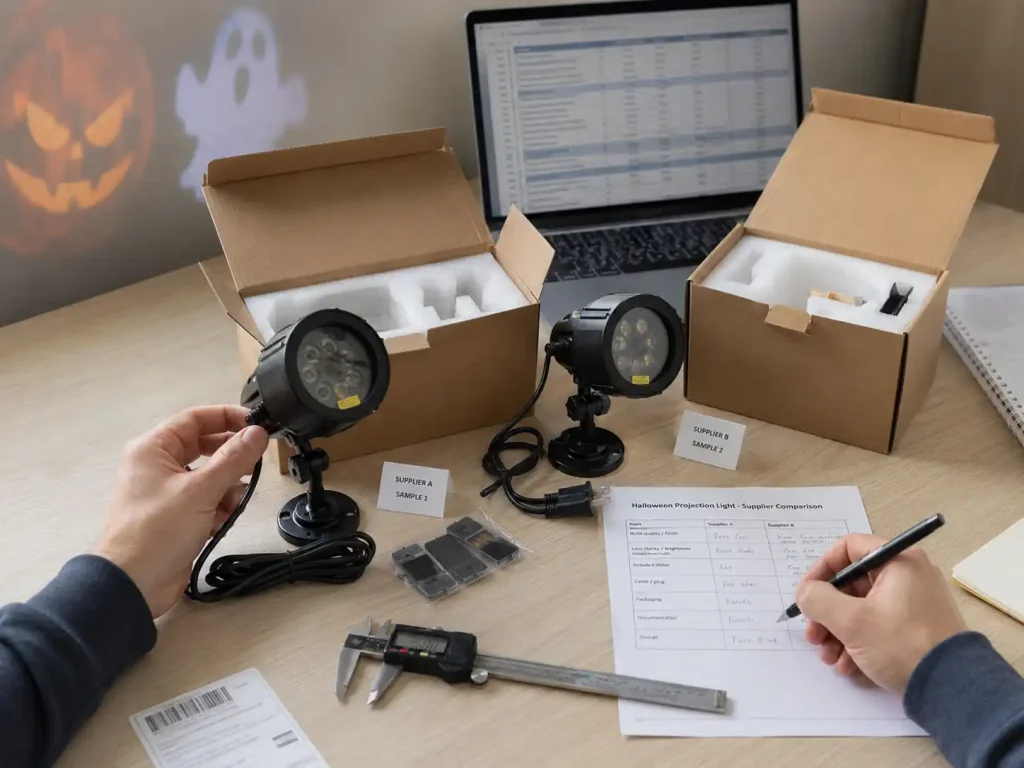
Reliable seasonal suppliers are found through sample testing, Q4 capacity questions, and backup sourcing — never through price alone. Halloween exposes weak suppliers brutally: factories get slammed in September, quality slips, and processing times quietly stretch from 2 days to 10. A dedicated product sourcing partner who vets factories and holds buffer stock removes most of this guesswork, especially for animatronics and electronics where defect rates run higher.
Before committing, ask every supplier three direct questions: What was your actual October processing time last year? Do you inspect electronic items before shipping? Can you reserve stock for my projected volume? Vague answers to any of these are your cue to keep looking.
What did one seller’s experience reveal about Q4 capacity?
One seller we worked with scaled a projection-light store to 80 orders per day in early October 2024, then hit a wall when the original factory ran out of stock mid-month. Because a backup factory had been vetted in August with samples already approved, fulfillment switched within 48 hours and only a handful of orders shipped late. The lesson: your backup supplier is decided in summer, not during the crisis.
Key Takeaway: Order samples from at least two suppliers per product in July. The $30–$50 sample cost is the cheapest insurance you’ll buy all season.
How Should You Price Halloween Products for Real Profit?
Price seasonal items at 3x–4x landed cost, not the 2x–2.5x markup typical of evergreen products. Halloween buyers shop on emotion and urgency, which supports premium pricing — and you need the extra margin to absorb Q4 ad costs, which typically rise 20–40% as the holiday season heats up.
| Product Type | Landed Cost | Target Price | Gross Margin |
|---|---|---|---|
| Animatronic prop | $18–$25 | $60–$90 | 65–72% |
| Projection light | $8–$12 | $30–$45 | 70–75% |
| Pet costume | $4–$7 | $18–$28 | 72–78% |
| Doormat/pillow bundle | $6–$9 | $22–$35 | 70–74% |
The pattern here rewards bundling: pairing a $10-cost doormat with pillow covers lifts average order value past $30 while shipping costs barely move.
Why do bundles outperform single products in October?
Bundles work because Halloween shoppers decorate whole spaces, not single corners. A “porch kit” combining a doormat, string lights, and window clings feels like a solution rather than a product, and it justifies free-shipping thresholds. Stores running bundles routinely see 25–40% higher average order values during peak weeks.
Key Takeaway: If a product can’t support at least a 65% gross margin after shipping, drop it — October ad costs will eat anything thinner.
How Do You Market Halloween Products Effectively?
Short-form video showing products in action outperforms every other Halloween marketing channel. A 15-second clip of an animatronic scaring a delivery driver, or a pet strutting in costume, generates organic reach that static images never match. UGC-style creative consistently beats polished studio ads for seasonal items, and building a recognizable brand around your seasonal store — custom packaging, thank-you cards, consistent visuals — turns October buyers into December repeat customers.
Beyond video, three tactics deliver outsized returns in this niche:
- Countdown urgency: “Order by Oct 16 for Halloween delivery” banners lift conversion 10–20% in the final stretch
- Retargeting flows: cart abandoners in October convert at nearly double normal rates because deadlines are real
- Early-bird email capture: September discount pop-ups build a list you can hit repeatedly through peak weeks
Whichever channels you choose, front-load your creative testing into September so October budget flows only into proven winners.
What Shipping Deadlines Matter for Halloween Delivery?
Shipping speed matters more for Halloween than for most evergreen products because an order arriving after October 31 can lose much of its value.
For standard fast-line parcels that fit the route, RuntoDropship currently lists typical delivery windows of 5–8 business days to the United States and major European markets, 6–9 days to Canada, and 6–10 days to Australia. Actual timing still depends on the destination, parcel profile, product type, and selected route.
Ready-stock orders can normally move through processing quickly, while the first carrier scan commonly appears within 24–36 hours after warehouse release. Oversized inflatables, sensitive cosmetics, electronics, remote destinations, or products waiting for supplier replenishment may require a different route or additional handling time.
How Should You Set Your Halloween Shipping Cutoff?
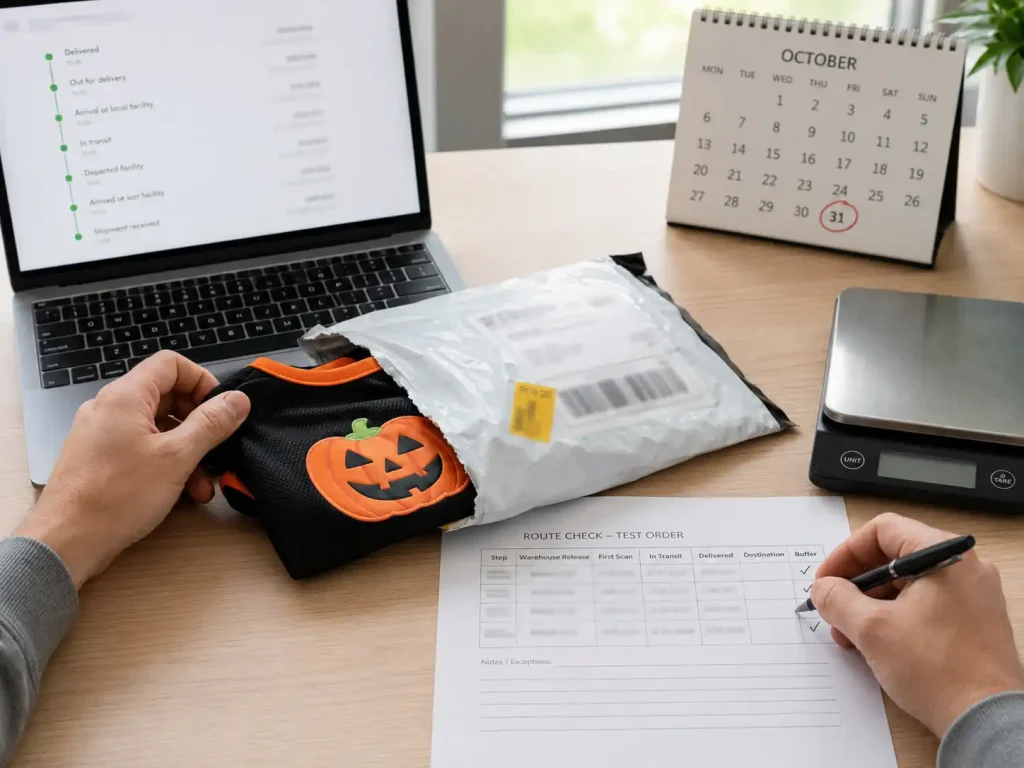
Do not use one universal October cutoff. Calculate it from the fulfillment route behind each SKU:
Latest safe order date = October 31 − processing/QC time − realistic transit time − contingency buffer
Before scaling a Halloween winner, send a real test order to the target market and verify processing time, first carrier scan, and actual delivery performance. Then publish a destination-specific cutoff and stop promising Halloween delivery when the remaining window no longer supports it.
Key Takeaway: Use the real shipping window for each product and destination. Fast lines can extend the selling period, but the delivery promise should always include enough buffer for seasonal disruption.
What Are the Hidden Risks of Selling Seasonal Halloween Items?
The biggest risks are trademark violations, post-holiday demand collapse, and quality failures on electronic props — and most product-list guides never mention them. Licensed characters (film villains, branded costumes) trigger listing takedowns and payment holds; stick to generic themes like witches, pumpkins, skeletons, and ghosts. Electronics deserve special caution, since motion sensors and motors fail at 3–8% rates without pre-shipment quality inspection on every batch, and October refunds land right when your cash flow matters most.
| Risk | Likelihood | Mitigation |
|---|---|---|
| Trademark takedowns | High for character items | Sell generic themes only |
| Nov. 1 demand collapse | Certain | Stop cold ads Oct 20; pivot messaging |
| Electronic defects | Medium | Batch inspection, video QC checks |
| Supplier stockouts | Medium–High | Backup supplier vetted in August |
| Payment processor holds | Medium | Gradual scaling, low dispute rates |
What stands out in this table is that every single risk has a preparation-stage fix — none of them can be solved in late October.
Can you sell anything Halloween-themed after November 1?
Yes, but only certain categories survive the cliff. Skull drinkware, gothic home textiles, and glow makeup carry into year-round “dark aesthetic” niches, while inflatables and animatronics become dead stock overnight. If you’re choosing between two similar products, pick the one with post-holiday life.
Key Takeaway: Budget as if 100% of your profit must be earned by October 25. Anything sold after that date is bonus, not plan.
Final Thoughts: Which Halloween Products Will You Test?
This guide answered the questions that decide seasonal success: which 10 products carry real demand in 2026, when to launch, how to price for 65%+ margins, where shipping deadlines actually fall, and which risks quietly kill unprepared stores. The sellers who win Halloween don’t work harder in October — they prepare smarter in July and August.
If sourcing, quality checks, and Q4 fulfillment feel like the weak links in your plan, that’s precisely the gap a private dropshipping agent like RuntoDropship exists to close — from vetted factories and batch inspections to faster shipping lines that extend your selling window. We believe seasonal selling shouldn’t be a gamble; with the right preparation and the right partner behind your store, every Q4 becomes your most profitable quarter. Pick your three test products this week — September will be here faster than you think.
FAQ
Q1: Can I start Halloween dropshipping in September and still profit?
Yes, but your window shrinks fast. Launching in early September gives you 2–3 weeks of testing before the mid-October shipping cutoff, so focus on one or two products with proven demand rather than broad testing.
Q2: What’s the best Halloween product for a complete beginner?
Pet costumes or doormat bundles. Both are lightweight, cheap to test, rarely break in transit, and avoid the electronic defect risks that make animatronics harder to manage for new sellers.
Q3: How do I know if a supplier can handle October volume?
Ask for last year’s actual October processing times and whether they’ll reserve stock for you. Confident, specific answers backed by numbers signal reliability; vague reassurances signal trouble.
Q4: Can I sell movie-character costumes without legal problems?
No, not safely. Licensed characters invite trademark takedowns and payment holds, so build your catalog around generic themes — witches, skeletons, pumpkins, and ghosts sell just as well without the risk.
Q5: What’s the best way to handle unsold interest after Halloween?
Pivot your messaging, not your store. Skull drinkware and gothic textiles rebrand into year-round niches, retargeting lists convert well for Black Friday offers, and your ad account data becomes the foundation for next season’s faster start.