

Dropshipping lingerie can be viable, but it is less forgiving than generic accessories because customers cannot verify fit, fabric feel, coverage, or packaging before delivery. A product that looks attractive in a supplier photo can still generate refunds when the band stretches differently than expected, the size chart is inaccurate, the material feels cheaper than described, or the parcel reveals too much.
The practical starting point is not a large catalog. It is one clearly defined customer need, a small group of testable products, an appropriate sourcing route, verified samples, product-specific measurements, and one complete customer-style order.
This guide explains which lingerie categories are easier or harder to test, where sellers can look for suppliers, how to evaluate fit and quality, what to publish on product pages, how to plan returns and promotion, and when a growing store may need a more controlled apparel dropshipping workflow.
Is Dropshipping Lingerie Worth It?
It is worth testing if you can offer a clear reason to buy from your store and control the details that affect customer confidence. It is a poor fit if your plan is to import hundreds of similar products, reuse every supplier photo, and compete only on price.
The model removes the need to buy a full collection before you know what sells. Your supplier ships each customer order, while you remain responsible for the product promise, payment, support, delivery communication, and resolution when something goes wrong.
The advantages
- Products are usually compact and easier to ship than bulky apparel.
- A focused range can serve a distinct need such as wireless comfort, fuller coverage, sleepwear, bridal pieces, or coordinated basics.
- Color, size, and bundle options can create natural ways to increase order value.
- You can test demand before committing to deeper inventory or custom production.
The disadvantages
- Fit varies across suppliers, products, and materials.
- Customers cannot touch the fabric or try the garment before buying.
- Intimate-item return rules can make a poor first purchase harder to resolve.
- Common catalog photos make different stores look interchangeable.
- Suggestive creative can reduce where and how you advertise.
A useful viability test is not “Can I add these products to a store?” It is “Can I make fit, quality, delivery, and customer support more dependable than the other stores showing the same catalog?”
Key Takeaway: Test this niche only if you are prepared to verify the physical product and own the customer experience. A large catalog is not a substitute for trust.
What Lingerie Products Should You Test First?
Start with one customer need rather than a mixture of unrelated styles. A store built around wireless everyday comfort requires different sizing, imagery, pricing, and promotion from a store selling bridal sets, shapewear, or highly stylized lingerie.
The goal is not to identify a universally “winning” product. It is to identify a product that your store can describe, measure, deliver, and support more reliably than the generic catalog versions already available.
| Product direction | Why it may suit an initial test | Main operating risk | First-test judgment |
|---|---|---|---|
| Wireless bralettes | Clear comfort positioning and a simpler size structure than fitted underwire bras | Band stretch, support, and coverage still vary by fabric | Suitable for a controlled test |
| Cotton or seamless basics | Bundle and repeat-purchase potential | Elastic strength, fabric weight, and sizing can change between batches | Suitable after comparing samples |
| Sleepwear and robes | Less dependent on precise cup sizing | Fabric feel, opacity, color accuracy, and gift presentation | Suitable when the material and packaging are verified |
| Coordinated multipacks | Can increase average order value | One wrong or inconsistent item can affect the entire set | Test only after checking every included piece |
| Bridal or gift sets | Higher presentation and packaging potential | Delivery deadlines and customer expectations are less forgiving | Use only with dependable processing and shipping |
| Plus-size lingerie | Serves a specific customer need that generic charts often handle poorly | High fit sensitivity and limited supplier measurement data | Launch only after measurement and fit verification |
| Underwire bras, corsets, and shapewear | Strong visual appeal and clear use cases | Complex support, pressure, construction, comfort, and return risk | Avoid as an uncontrolled first product |
| Fantasy or highly suggestive styles | Can serve a distinct audience | Greater advertising, creative, and platform-policy restrictions | Keep separate from an ordinary lingerie range |
Use three filters before adding any product to the sample list.
First, confirm that the item fits the customer need your store is built around. Second, check whether the supplier can repeat the same material, construction, color, measurements, and included pieces across future orders. Third, calculate whether the item remains viable after shipping, payment fees, support, refunds, and replacements.
Do not choose a product only because it appears in a trending-product tool or supplier bestseller list. Compare similar offers, review recurring customer complaints, and order the exact variant you intend to sell. The result of this step should be three to five sample candidates—not a published catalog.
Where Can You Find Lingerie Dropshipping Suppliers?
Lingerie sellers generally source through public marketplaces, app-based supplier networks, direct manufacturers or wholesalers, and private dropshipping agents. These routes are not interchangeable, and none should be treated as proof that an individual product is reliable.
| Sourcing route | Best used for | Main limitation |
|---|---|---|
| Public marketplaces | Product discovery and early sample comparisons | Product pages, seller history, and low prices do not guarantee repeatable sizing or batch consistency |
| App-based supplier networks | Easier product importing, order forwarding, and stock synchronization | Platform access does not mean every underlying product has been independently approved |
| Direct manufacturers or wholesalers | More stable specifications, larger ranges, and possible customization | Minimum quantities, manual communication, and integration requirements may be higher |
| Private dropshipping agent | Stores with validated demand that need coordinated sourcing, samples, QC, packaging, shipping, and issue handling | It should not replace initial product-market validation |
Public marketplaces such as AliExpress and Alibaba dropshipping can be useful discovery sources, but they serve different supplier and order models. Before using either one, confirm whether the exact supplier accepts single-order fulfillment, whether stock and size data are updated, what packaging reaches the customer, and whether the listing images and product details may be used.
App-based supplier networks may simplify store integration and order forwarding. However, automation solves data movement; it does not independently verify fabric, measurements, construction, hygiene packaging, or future batch consistency.
Direct manufacturers or wholesalers become more relevant when a seller needs repeatable product specifications, separate bra and bottom sizing, custom labels, or a more stable collection. The trade-off may be minimum quantities, longer setup work, or the need to coordinate order data and international shipping separately.
A private dropshipping agent becomes relevant after demand is validated and fragmented supplier sourcing and coordination starts creating problems across samples, variants, QC, packaging, shipping, or after-sales handling. Growing stores should use this route for execution control, not as a substitute for proving that customers want the product.
Before choosing that route, use these questions to ask a dropshipping agent to confirm who owns samples, QC, packaging, tracking, costs, and order exceptions.
Whichever route you choose, create a shortlist before publishing products. Record the exact supplier, product link, factory or seller identity where available, variant, material, measurements, processing time, packaging method, shipping route, return terms, and the date each detail was confirmed.
How to Evaluate a Lingerie Supplier
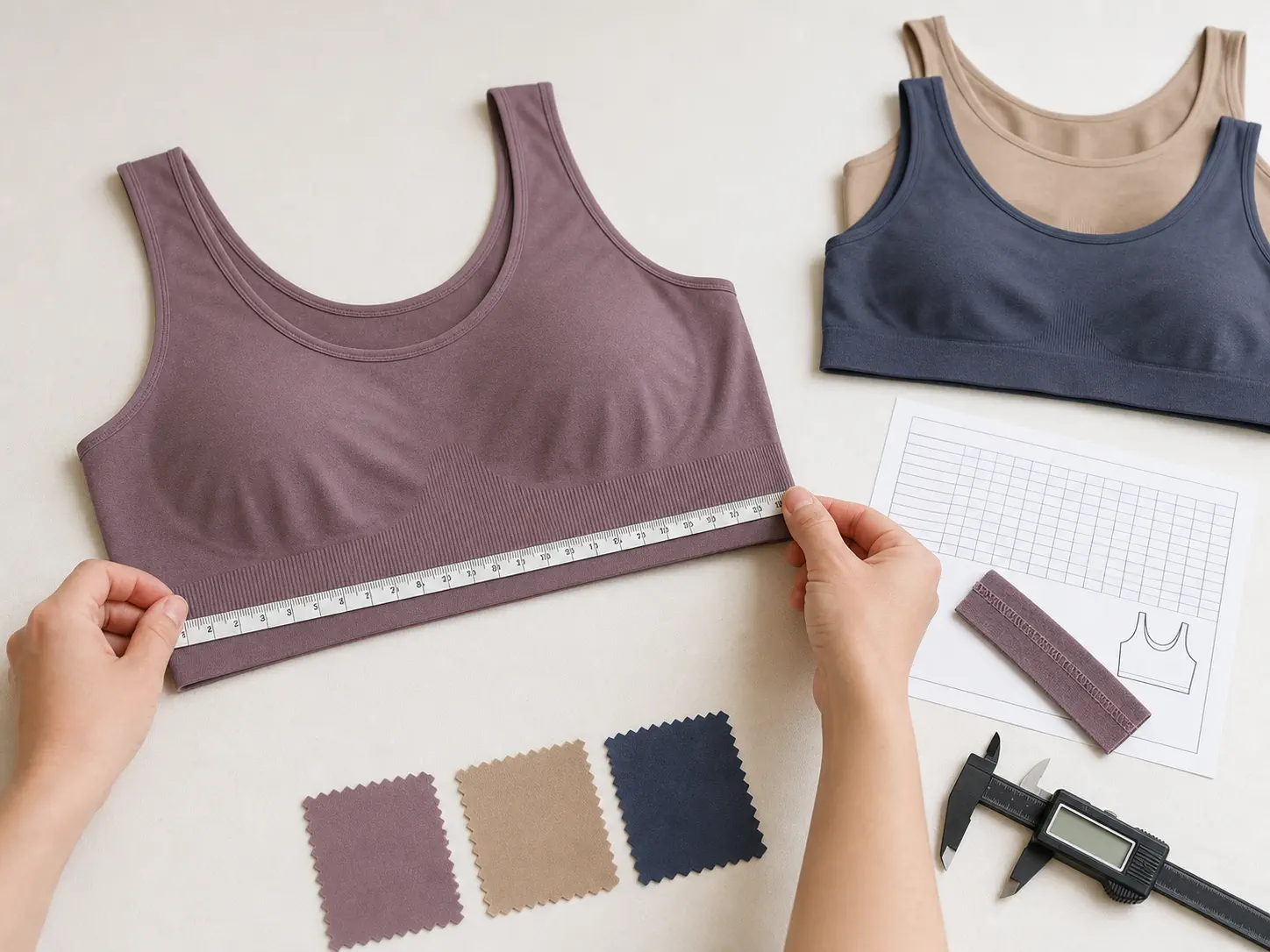
After choosing a sourcing route, evaluate the exact supplier and product rather than relying on the reputation of the marketplace, app, directory, or agent that introduced them. The correct supplier is the one that can reproduce the approved product specification and execute the agreed order process—not simply the one offering the lowest unit price.
Order and document samples
For each sample, record the unstretched and comfortably stretched measurements, fabric composition, opacity, seam quality, hardware, label details, color, odor, and packaging. Wash or wear-test only when you can do so responsibly and consistently; otherwise use a qualified product tester and document the method.
Compare the physical garment with the supplier listing. If the measurements, materials, or appearance do not match, pause the product rather than editing the page to disguise the difference.
Check the order process, not only the garment
Ask the supplier how stock changes are communicated, who confirms a variant before dispatch, what appears on the parcel, whether promotional invoices are included, how tracking is returned, and what happens after a wrong or damaged item is sent.
For a store that is already receiving orders, an apparel sourcing and order-execution workflow can connect supplier coordination, product checks, packaging confirmation, and shipping arrangement. The practical advantage is clearer responsibility when one physical detail changes.
Before scaling, define a repeatable product quality control checklist for every approved style and variant. A single sample is useful evidence for that sample; it does not guarantee every future unit, so ongoing checks still matter.
Key Takeaway: Approve a product specification, not a supplier promise. Keep measurements, photos, packaging requirements, and defect rules specific enough that another person can verify the next order.
Build Listings That Reduce Size and Trust Problems
Your product page should help a shopper decide whether the item suits their body, use, and comfort preferences. Decorative descriptions cannot replace measurements and material details.
Publish product-specific fit information
Do not copy one size chart across the whole store. Show the garment measurements supplied and verified for that style, explain how stretch affects the fit, state whether bra and bottom sizes are selected together or separately, and tell the customer how to measure.
If a product uses S/M/L sizing rather than band-and-cup sizing, make that limitation clear. Never convert measurements into an apparently precise cup-size promise unless the conversion has been verified for that product.
Watch: How Bra Measurements Are Taken
This University of Iowa Health Care demonstration shows how band and bust measurements are taken. Use it to understand the customer measurement process, but build each product recommendation from the measurements and fit testing of the exact style you sell.
Use honest images and descriptions
Show the actual color, coverage, fabric texture, back construction, closures, adjustable parts, and included pieces. Supplier images can be a starting input only when you have permission to use them and they accurately show the item; original flat-lay, mannequin, or sample photography makes verification easier for the buyer.
Describe what you can confirm. Avoid unsupported claims such as “perfect fit,” “luxury fabric,” “sustainable,” or “hypoallergenic.” If you sell into the United States, the FTC states that most textile products need labels identifying fiber content, country of origin, and the responsible manufacturer or marketer, while care instructions are governed by the Care Labeling Rule. Check the FTC apparel and labeling guidance and the rules for every market you serve.
Set the return expectation before checkout
Explain which intimate items may be returned, what condition they must be in, whether hygiene seals must remain intact, who pays return shipping, and how customers report a defect or wrong size. Your policy must match the consumer law that applies to the sale; a supplier’s own “no return” rule does not automatically remove your responsibility to the buyer.
Before launch, test the return steps from a customer message through final resolution.
When returns become frequent, the solution is usually broader than the policy page. Product data, measurement guidance, packing accuracy, and issue evidence need to work together through a clear returns management process.
Price Each Order with Returns and Delivery Included
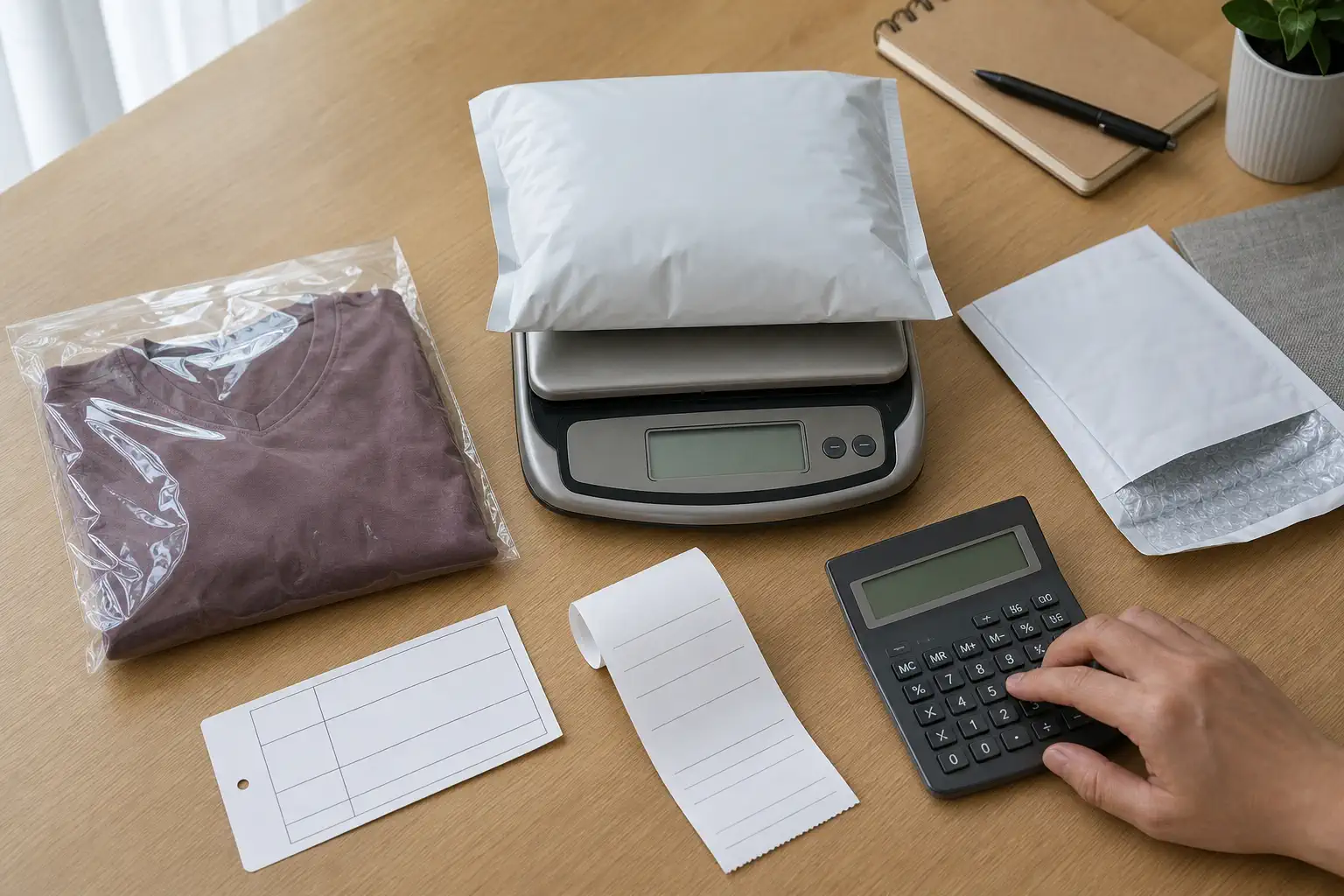
Set price from the complete expected cost of a delivered order, not from the supplier’s product price alone. Use this working calculation for every product and target market:
Expected profit per delivered order = selling price − product cost − packaging − shipping − duties and taxes you pay − payment fees − expected advertising cost − expected refund, replacement, and support allowance.
Use values from your own quote, store, test shipment, and campaign. Do not copy a margin percentage from another seller because its destinations, return rate, payment fees, and advertising costs may be different.
Run the calculation for a single item and for the bundles you intend to offer. A bundle can improve the economics, but it also increases the cost of a wrong size or an inconsistent set. Include discounts in the calculation rather than treating them as free conversion tools.
Define a stop rule before launch. For example, pause a product if verified delivered cost rises above your limit, if fit-related contacts exceed your service capacity, or if replacements remove the expected profit. The exact limit should come from your own business costs and risk tolerance.
Key Takeaway: A product is viable only when the expected delivered-order profit remains positive after ordinary friction. Calculate with real test data, then decide whether to improve the offer, raise the price, change the route, or stop the product.
Launch Marketing Without Treating Every Channel the Same
Lingerie can be promoted, but the product, image, wording, landing page, audience, and country can change what a platform allows. Build the promotion plan before depending on one paid channel.
For Shopify or WooCommerce stores, owned email, useful fit content, search visibility, creator partnerships, and customer referrals can reduce dependence on a single ad review system. Paid advertising still needs a channel-specific compliance check.
Google Merchant Center restricts sexually suggestive lingerie promotions and may limit where adult-oriented content appears. Its official policy also requires the `adult` product attribute or an account-level setting when the product or site meets its adult-content definition; some target countries have additional restrictions. Review the current Google adult-oriented content policy and adult attribute specification for the exact products and markets you submit.
Before importing products, check every target country and classify each item against the current feed rules.
TikTok’s advertising policy, updated in June 2026, does not allow sexually suggestive content, including lingerie that exposes or implies exposure of intimate areas. That does not mean every ordinary apparel presentation receives the same treatment, but it does mean you should validate the creative and landing page against the current TikTok adult-content policy before building your launch around TikTok ads.
Keep your images product-focused and non-exploitative, avoid sexualized claims, separate ordinary intimate apparel from adult products, and retain alternative acquisition channels. Platform approval is never guaranteed, and policies can change.
Run a Controlled Test Before You Scale

A controlled test should prove that the product page and the physical order tell the same story. Run the complete flow before increasing traffic or adding many variants.
- Place a normal customer-style order to a target destination.
- Confirm the correct product, color, and size enter the order system.
- Record processing events, tracking handoff, delivery, and every customer-facing message.
- Inspect the delivered garment, labels, odor, packaging, and parcel discretion.
- Submit a realistic support question and verify who answers it.
- Recalculate the delivered-order profit with the actual costs.
The usable output is a decision for each tested product: approve, fix and retest, or reject. Do not scale an item with unresolved measurement differences, weak tracking, visible supplier promotion, or a return path nobody has tested.
Repeat the check when the supplier changes material, factory, packaging, label, or shipping route. A growing store also needs spot checks across live orders rather than treating the first approved sample as permanent proof.
Key Takeaway: Scale only after one complete order passes product, packaging, delivery, support, and cost checks. A successful ad test cannot compensate for a broken physical order.
Move from a Catalog to a Defensible Brand
A store becomes harder to replace when customers recognize its product standard and service experience, not merely its theme and logo. Start with the operational controls that customers can feel: consistent fit guidance, accurate product pages, careful packaging, reliable updates, and accountable support.
Once a small group of products has stable demand, consider holding limited stock for the fastest-moving variants, improving packaging, requesting custom labels, or developing a private version. Keep slower or experimental styles supplier-direct if their process remains reliable. This hybrid approach lets you deepen control selectively instead of forcing every item into the same inventory model.
Document which variants stay supplier-direct and which move into stock before changing the delivery promise.
Growing sellers, agencies, mentors, and operators managing multiple stores may need one repeatable process for sourcing, samples, physical checks, packaging, shipping, and issue handling. A private label dropshipping path becomes relevant when verified demand justifies deeper product and packaging control.
FAQ
Can I dropship lingerie on Etsy?
Generally, not if you are reselling mass-produced lingerie that you did not make or design. Etsy’s current Seller Policy states that dropshipping and reselling are prohibited except in limited categories, such as certain craft supplies.
A seller-designed lingerie product may qualify when an approved production partner manufactures or ships it, but the seller must accurately disclose how the item was made, identify the production partner, and meet Etsy’s current image and creativity requirements. Generic supplier-catalog lingerie should not be listed as handmade simply because you created the storefront or changed the product description.
Can I sell branded or designer lingerie from a dropshipping supplier?
Only when you can verify that the products are authentic and that the supplier is authorized to distribute them in the markets where you sell. A supplier listing that says “original,” displays a luxury logo, or provides a generic invoice is not sufficient evidence.
Request documents that can be traced to the brand owner or an authorized distributor, confirm any territory restrictions, and verify whether you may use the brand name, logo, and product photography in your listings and advertising. If authorization cannot be verified, use unbranded products or develop your own label instead. Unauthorized branded goods can create trademark, platform-enforcement, payment, and customs risks.
How should I handle lingerie sets when customers need different top and bottom sizes?
Do not offer separate top and bottom size selectors unless the supplier maintains separate SKUs and your order system can send both selections correctly. A fixed-size set should be clearly described as fixed rather than presented as mix-and-match.
When customers commonly need different sizes, create separate bra, bottom, and accessory listings or work with a supplier that supports independent variants. Test the complete order mapping before launch, because a correct storefront selection is useless if the supplier still receives only one combined size. Lingerie buyers frequently report that sets using one S/M/L size across every piece do not fit their bust, waist, and hips consistently.
How can a new lingerie dropshipping store build trust before it has customer reviews?
Use evidence you can produce before the first sale: original sample photography, close-up construction images, clearly labeled garment measurements, model measurements where relevant, realistic delivery information, visible contact details, and a return process that explains what happens after a sizing, damage, or wrong-item problem.
You can also show the actual packaging and explain how products are sampled or checked. After real orders are delivered, request honest reviews without requiring a positive rating. Do not copy reviews from the supplier, purchase reviews, or publish invented testimonials. The FTC’s Consumer Reviews and Testimonials Rule prohibits creating, buying, or selling fake reviews, while lingerie shoppers discussing unfamiliar stores commonly focus on trust, product quality, shipping, and real customer experience.
What should I do if a supplier changes the fabric, sizing, or design after the product is live?
Pause the affected variant instead of quietly changing the listing. Obtain a new sample, compare it with the approved measurements, material, construction, color, included pieces, and photographs, and determine whether the revised product still meets the original customer promise.
Review unfulfilled orders before shipping them. If the change is material, inform affected customers and offer the appropriate cancellation, replacement, or revised option. For delivered orders that no longer match the listing, handle the case as a wrong or materially different product rather than treating it as a normal preference return.
Only reactivate the variant after the listing, QC record, supplier specification, and fulfillment instructions all match the revised product. Buyer discussions document cases where the lingerie received differed in pattern or design from the item shown, which is why silently updating the page does not resolve the original order problem.
Conclusion
A trustworthy lingerie store begins with a focused customer need, verified samples, product-specific sizing, honest listings, complete cost math, compliant promotion, and a real test order. Those controls help you decide what deserves more traffic and what should be fixed or removed.
When your store has consistent orders and you need tighter supplier coordination, physical checks, packaging confirmation, order execution, shipping arrangement, and after-sales support, RuntoDropship can support the work as your private dropshipping agent. Strong brands are built when the physical order keeps the promise made on the product page. Send your product links, target markets, and current order volume to discuss samples and a controlled test workflow.