
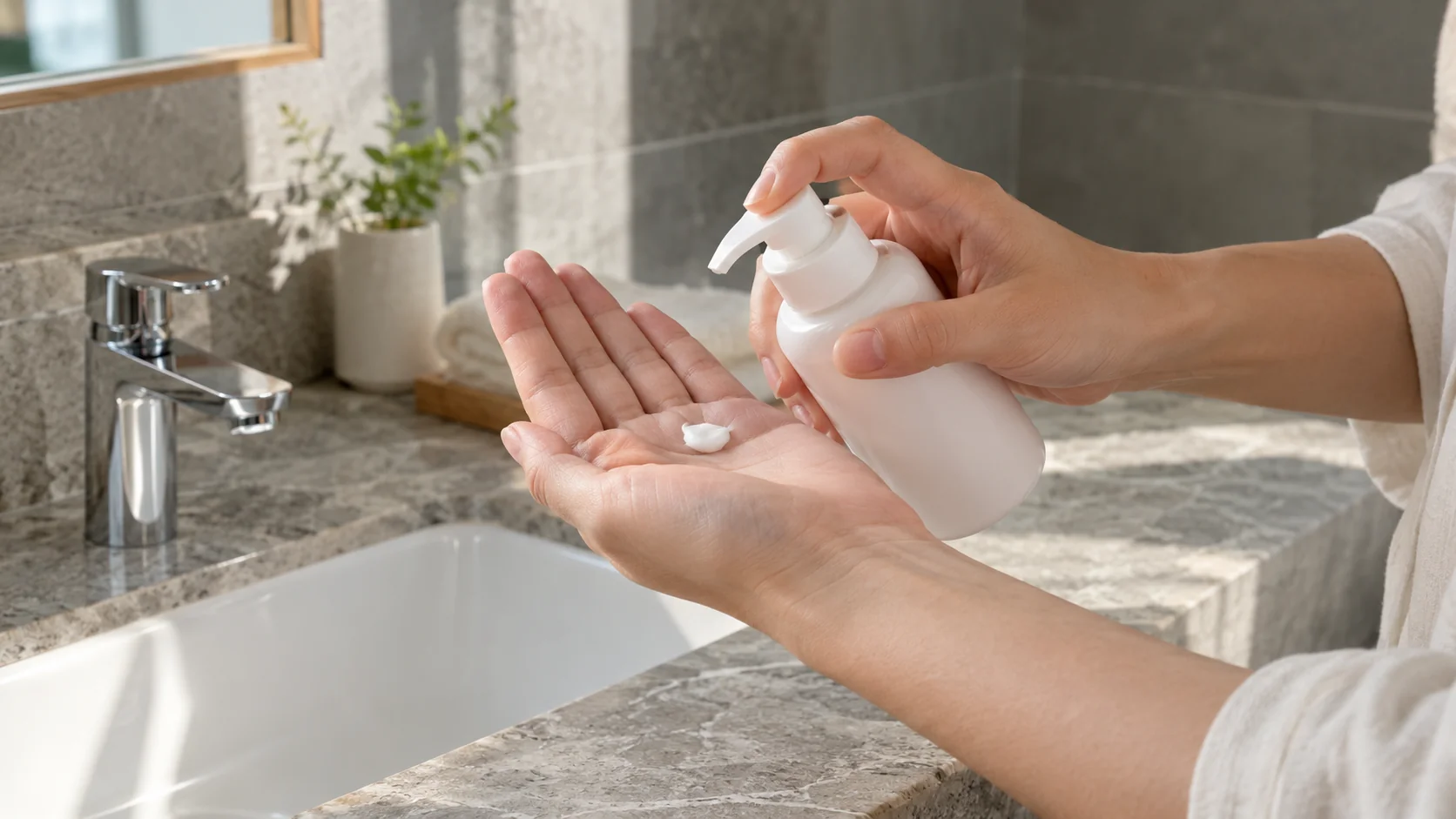
Your skincare ad brings visitors to a product page, but an unfamiliar buyer still cannot tell whether the bottle, benefit, or delivery promise deserves their trust. If orders do arrive, a leaking parcel or an exaggerated claim can turn that advertising bill into a refund bill. Testing skincare dropshipping cold traffic makes sense when the exact product supports a credible offer, the delivered order matches it, and the money left after fulfilling a first order can cover acquiring an unfamiliar buyer. Check those conditions together before treating clicks or a few purchases as permission to scale.
What must cold buyers know before choosing your skincare?
Cold buyers need to understand the product's purpose, evidence, price, and delivery conditions before they can judge an unfamiliar skincare offer.
Who is still unfamiliar with the offer?
Cold traffic describes people who have not developed enough familiarity with your product or brand to make an informed purchase. A paid click does not establish that status: an existing customer can click an ad, while a new visitor can arrive through an unpaid recommendation.
Separate these groups when reviewing results:
- Unfamiliar prospects seeing the product for the first time.
- Visitors who already viewed the product or engaged with the brand.
- Existing customers and people searching specifically for your brand.
Which questions should the first screen answer?
Start with what the shopper can verify. Show the product format, quantity, intended cosmetic use, supported benefit, and purchase price. Make the delivery and return conditions easy to find, alongside ingredient information and directions.
A familiar ingredient does not tell shoppers how your finished formula performs. Nor does a polished bottle explain who supplies it or whether the photographs match the item shipped. Give the buyer specific information rather than a collection of reassuring badges. Key takeaway: judge whether an unfamiliar visitor can understand this offer before comparing its purchase rate with warm traffic.
Which skincare offer is ready for a first paid test?
A ready skincare offer combines one understandable customer need with a traceable product code (SKU), a supportable cosmetic benefit, and an order you can execute as described.
Which product choice can you actually support?
Choose the item you can document and deliver, rather than a category advertised as universally profitable. An existing-brand product, a ready-made formula under your label, and a custom formulation involve different commitments. Dropshipping describes fulfillment; it does not establish branding rights or product readiness. Your skincare product and supplier checks should precede the ad test:
- Identify the exact formula, size, variant, and packaging.
- Confirm the source and any rights needed to sell branded goods.
- Review product documents and the actual US delivery route.
- Obtain a current quote and written exception-handling terms.
What should stay fixed in the offer?
A changed offer resets the comparison. Keep the SKU, formulation, quantity, packaging, and purchase conditions consistent while testing its message. Otherwise, a stronger result could come from a discount or different product rather than the creative.
A bundle also needs its own delivered-cost check. Multiple bottles can change handling, shipping, and replacement exposure, especially when supplied separately. Approve those arrangements before promoting a routine set. Key takeaway: establish one executable offer so your paid test compares messages under comparable product and delivery conditions.
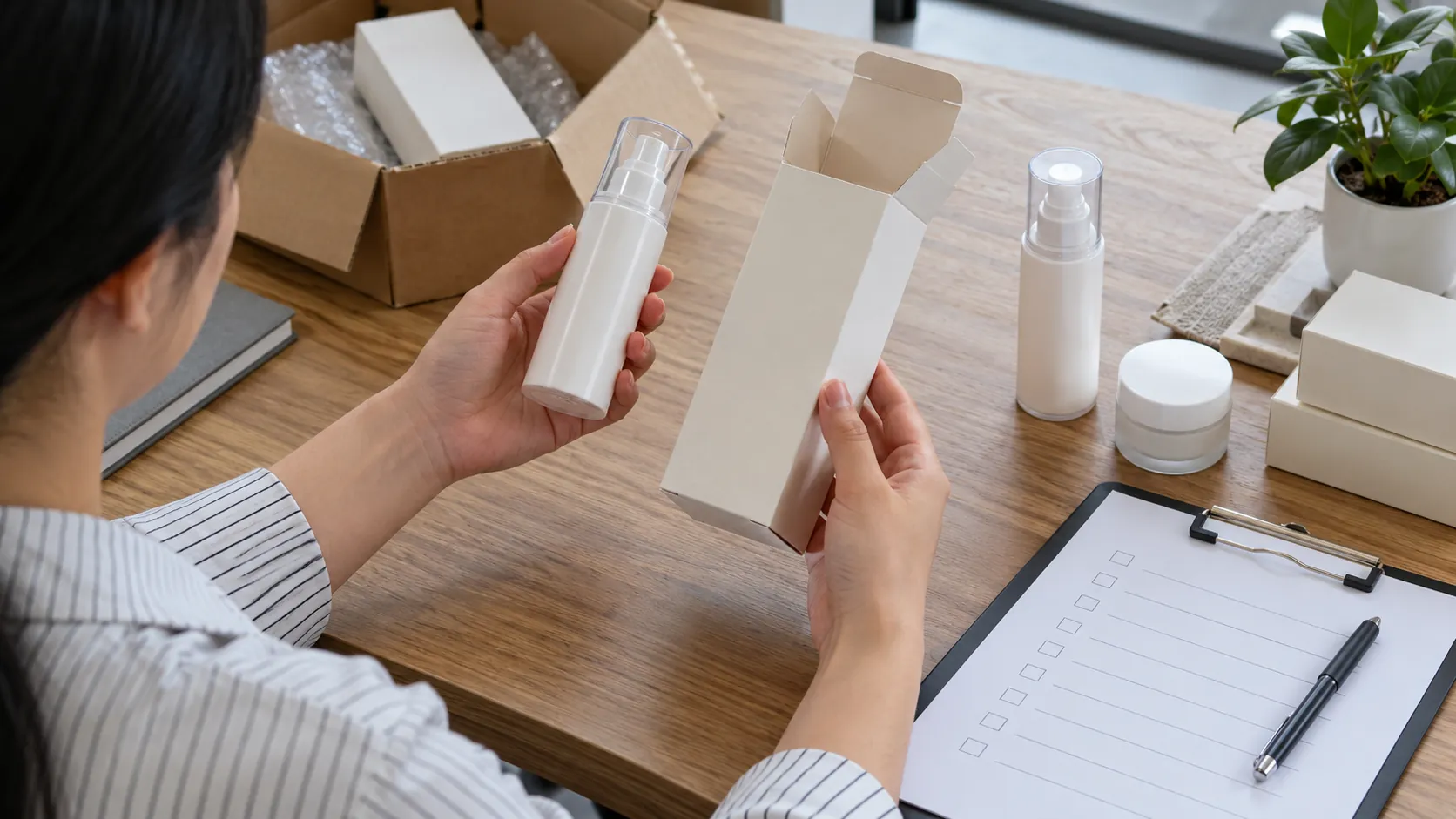
Which claims can the exact skincare product support?
The advertised skincare benefit needs evidence relevant to the exact product and claimed use; ingredient research or a supplier badge cannot establish every finished-formula claim.
Which evidence belongs to the advertised benefit?
Match the evidence to the promise. The FTC's health-product guidance explains that research must be relevant to the specific product, formulation, advertised benefit, and use conditions. Before approving the copy, check:
- Match the tested formula to the item you will sell.
- Check the claimed result and the conditions behind the evidence.
- Compare the images' implied result with the claim the evidence supports.
Showing a pump dispensing lotion can explain the format. It does not demonstrate clinical effectiveness or guarantee tolerance. Keep those claims separate.
When do claims change the product's obligations?
Changing the wording can change the obligations. The FDA's cosmetic-versus-drug guidance explains that advertising and online claims can establish intended use. Treatment and sun-protection claims need particular scrutiny because the product may fall under drug requirements.
For a US cosmetic offer, identify who holds the relevant safety records and handles applicable labeling and responsible-person duties. A sample or marketplace review cannot replace that documentation. The FDA's official cosmetic regulatory overview explains responsibilities, including safety substantiation and reporting. Key takeaway: approve the specific claim and its supporting evidence before spending money to distribute it.
How do delivery and refunds change your CAC ceiling?
Delivery charges and unrecovered refund or replacement losses reduce the first-order contribution available to acquire a skincare buyer.
Which costs belong to this SKU and route?
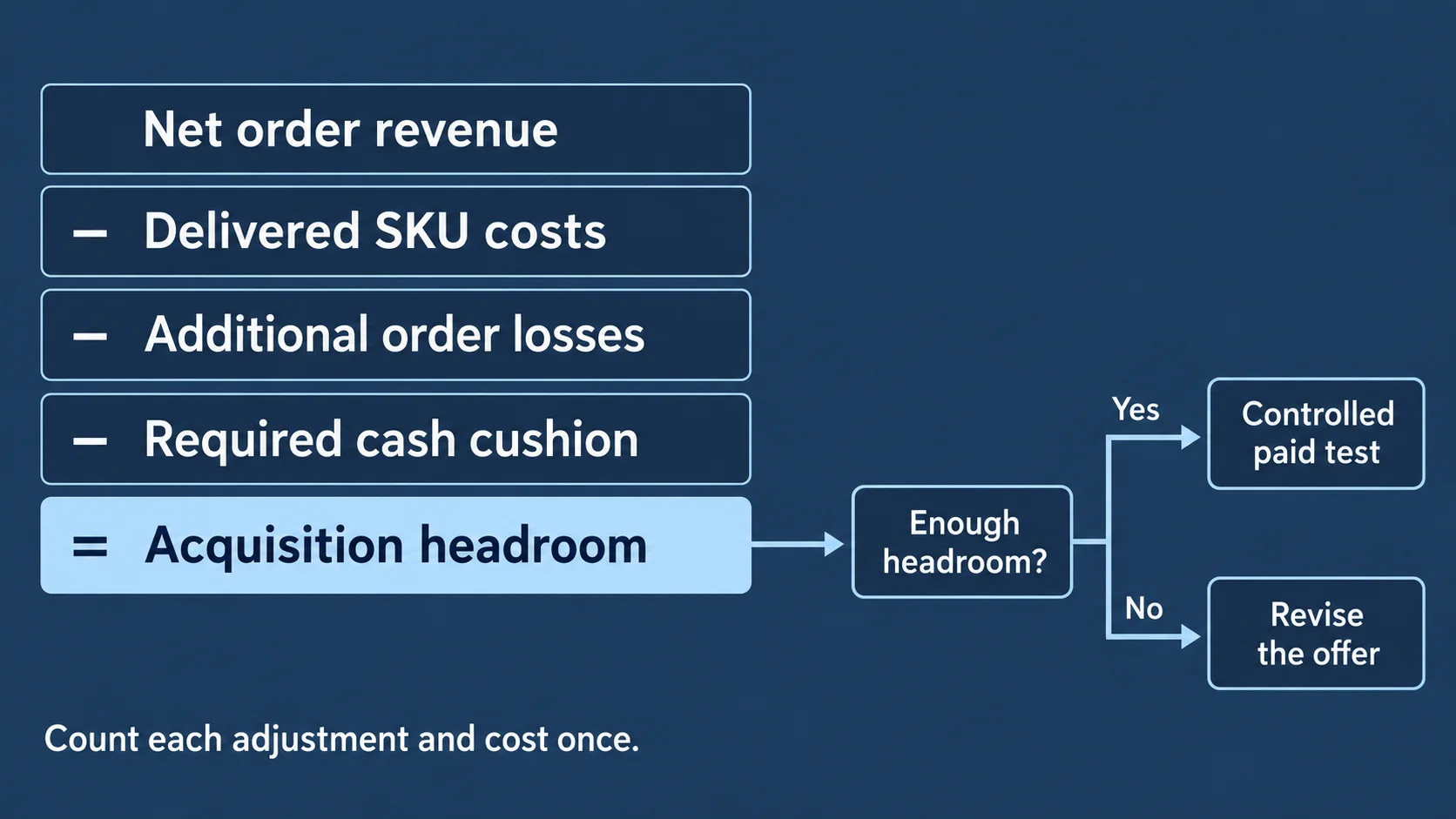
Customer acquisition cost, or CAC, is the cost of acquiring a new customer under a defined measurement method. First-order contribution is the revenue left after variable order costs, before advertising and fixed overhead. Establish that contribution before choosing what you can afford to spend. Use the general method for first-order contribution and acquisition costs, then apply the actual skincare quote.
Include the costs your offer creates:
- Product, handling, packaging, and payment charges.
- Shipping and any landed charges your business pays.
- Discounts and the costs of fulfilling a bundle.
- Unrecovered goods, delivery, or replacement costs after problems.
What makes the cost comparison usable?
Use consistent currency, destination, offer, and revenue conventions. Count each adjustment and cost once: if net revenue reflects refunds, do not subtract them again, and add only losses absent from the product, delivery, or fee totals. Before advertising, use documented terms and an allowance for uncertain losses, then replace assumptions with actual outcomes.
| Input | What to verify | Effect on acquisition headroom |
|---|---|---|
| Net order revenue | Discounts and refund treatment | Sets the revenue available |
| Delivered SKU cost | Current product, packing, and route quote | Reduces contribution before ads |
| Order losses | Unrecovered goods, fees, and replacements | Reduces usable contribution further |
| Required cash cushion | What the business must retain | Limits affordable acquisition spend |
A healthy-looking markup can leave little room after delivery and exceptions. Anticipated repeat purchases do not pay today's supplier invoice unless retention and cash payback are established. Key takeaway: set the CAC ceiling from this offer's first-order economics, then test below it with room for uncertainty.
How should the ad and page tell the same product story?
The ad and product page should demonstrate the same supported benefit and confirm the same skincare item and purchase conditions.
What should the ad show without overstating results?
Choose a demonstration that answers a real buying question. Show how the exact product dispenses, spreads, or fits its labeled routine when those details help explain the offer. Keep the application consistent with its directions. For comparable cold traffic campaigns:
- Change one meaningful opening or explanation at a time.
- Hold the SKU, supported promise, and delivery offer steady.
- Avoid altered results, invented testimonials, or borrowed clinical authority.
A more polished video does not establish a skincare benefit. Use footage to explain what the buyer will receive, without suggesting a transformation the evidence cannot support.
What must the destination confirm?
The click should continue that explanation. Match the photographs, product format, quantity, benefit, and price with the ad. Let visitors inspect ingredients, directions, supporting information, and delivery terms before purchase.
Check that path on a phone, including the variant selector and checkout. A focused product page may answer the buyer's questions; a separate landing page may help when more explanation is needed. Test the gap you observed instead of assuming one layout always wins. Key takeaway: keep the product story consistent from the creative through the purchase decision.
What should a sample order prove before ads start?
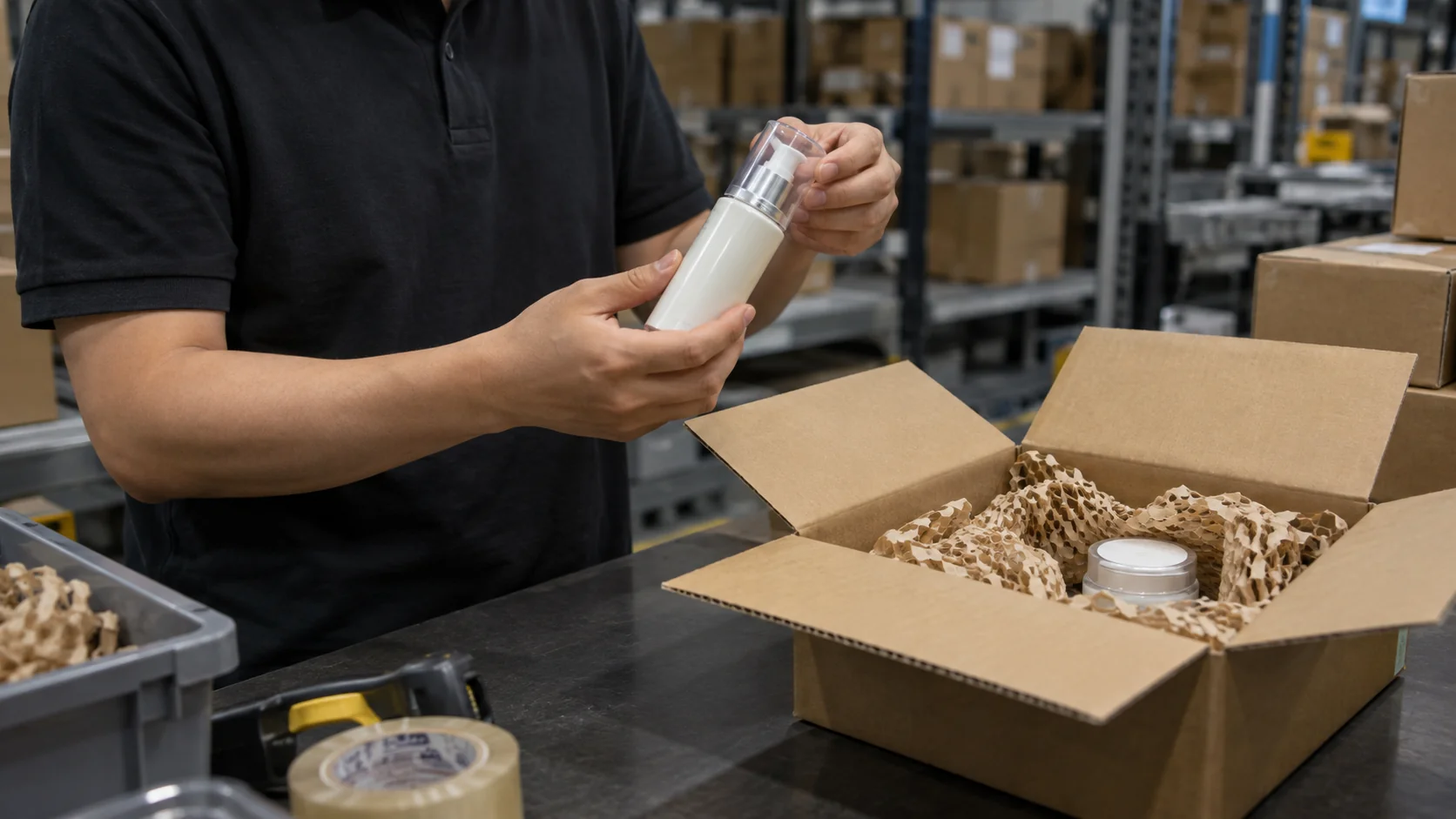
A normal-route sample should confirm that the sellable skincare item and parcel match the advertised order, while safety and efficacy evidence remain separate checks.
What must match when the parcel arrives?
Compare the item with the offer, not just with a supplier photograph. Where available, record the product and batch identifiers and the remaining shelf-life information. Packaging and closure condition matter because the customer receives a physical bottle or jar.
Check the actual delivery:
- SKU, variant, quantity, label, and visible product condition.
- Cap, pump, seal, and protection against leakage or breakage.
- Packaging and bundle contents promised on the page.
- Handling, carrier scan, tracking, and delivery milestones.
What records should support the first campaign?
Document what passed and what remains uncertain. One successful sample does not establish a universal delivery time, batch consistency, or clinical result. Agree what happens if later units differ, arrive damaged, or lose traceability.
Cosmetics sourcing and fulfillment support should be scoped to your product format, agreed visible checks, packing needs, and route. Ask which records and exception steps the partner can provide before committing. Key takeaway: verify the order promise that your ad will create, with defined limits on what sampling proves.
When is a skincare test ready for more spend?
More spend needs comparable first-buyer purchase evidence, acceptable order contribution, and product and parcel outcomes that support the advertised promise.
Which outcomes belong to the cold-buyer test?
Keep the same acquisition cohort, SKU, offer, and observation window together. Distinguish unfamiliar prospects from existing customers and remarketing before interpreting the cold traffic conversion rate. Reconcile platform-reported purchases with the store's completed orders and measurement rules.
Read these outcomes together:
- Qualified visits and completed purchases.
- Acquisition spend and net first-order contribution.
- Delivered orders, product complaints, and unrecovered losses.
- Whether the advertised SKU and route remained consistent.
When should you fix, pause, or increase spend?
Use the observed failure to choose the next action. If buyers cannot understand a sound offer, test a clearer explanation or repair the mobile purchase path. If the claim lacks support, goods differ, or orders cannot leave adequate contribution, pause that offer before sending more traffic.
Increase spend only when comparable first-buyer results and after-delivery outcomes support the same offer. A few purchases or an attractive platform return on ad spend (ROAS) figure are weak grounds for a larger commitment. Allow enough observation for the purchases and relevant order exceptions to be assessed. Key takeaway: scale a verified product-and-order promise, with acquisition spending justified by actual contribution.
Conclusion
A skincare cold-traffic test is worth continuing when unfamiliar buyers understand a credible product promise and the delivered order leaves adequate contribution after acquisition and exceptions. That decision requires product evidence and order execution alongside advertising data.
What can RuntoDropship review with you?
RuntoDropship is a Private Dropshipping Agent coordinating sourcing, agreed visible product checks, packing, and fulfillment. For a scoped discussion, prepare:
- The exact SKU and intended US destination.
- Product documents and the proposed selling claim.
- Packaging requirements and expected order pattern.
Supply-chain promises should be specific enough to verify. Discuss your skincare fulfillment brief with RuntoDropship before committing to an order promise your campaign will need to support. Key takeaway: bring a concrete product and route brief so the next decision rests on defined work and costs.
FAQ
Can I reuse a creator's video in paid skincare ads?
Use it only under permission that covers the planned paid use. Confirm the platforms, duration, editing rights, and any authorization to run ads through the creator's account. Paying for production does not establish every licensing term; agree the scope in writing before the asset enters a campaign.
Can I offer a discount for an honest product review?
An incentive must not require positive feedback, expressly or implicitly. The FTC also warns that undisclosed incentives can be deceptive. Request genuine experiences, disclose the incentive, and check the review platform's own rules. Do not reward only favorable ratings or script a customer's claimed results.
Can I sell the same skincare SKU outside the US?
US readiness does not establish another market's requirements. Review the destination's safety, labeling, notification, responsible-person arrangements, and delivery route before enabling sales. Great Britain, for example, has its own cosmetic responsibilities. Treat a new destination as a fresh product-and-route approval decision, rather than a checkout setting alone.
How should I handle an opened skincare return?
Separate used or uncertain-condition units from saleable stock and record the product, batch, condition, and reason for return. Apply your disclosed refund terms and agreed supplier process. Do not put used products back into new inventory merely because the box looks intact; disposition needs a defined quality and hygiene review.
What should I do if a buyer reports a skin reaction?
Collect the product and batch details and route the report promptly to the responsible person; avoid diagnosing through customer support. For US cosmetics, that person must report qualifying serious adverse events to FDA within 15 business days. Keep the relevant records and follow the applicable escalation process alongside any refund handling.