

Orders keep arriving, but packing takes over your afternoon and the store shows stock you cannot find. Moving fulfillment elsewhere can transfer those problems if the receiving records, charges and responsibilities stay unclear. A 3PL, or third-party logistics provider, performs agreed logistics work for another business, such as storage, order fulfillment or transportation. For an ecommerce seller, the decision starts with which work to outsource, what it costs and how to verify that it happened.
What does a 3PL do for an ecommerce seller?
A 3PL carries out the logistics operations you contract for, while you continue making the product and customer decisions outside that scope.
Understand the relationship
Third-party logistics can cover a single transport service or a wider storage-and-fulfillment arrangement. ASCM’s overview of third-party logistics describes several service types, so the label alone tells you little about a particular engagement. Establish which work the provider accepts:
- Receiving and storing your inventory.
- Picking, packing and handing orders to carriers.
- Arranging freight or processing physical returns.
A warehouse, freight coordinator and combined operator may all appear in your search. Ask each one to identify its role before comparing proposals.
Keep selling responsibilities visible
Before outsourcing, agree who selects suppliers, approves manufacturing quality and authorizes customer remedies. Specify what the warehouse should do when goods fail your specification.
Key Takeaway: Define the outsourced job before deciding whether the provider can solve your fulfillment problem.
How do goods and orders move through a 3PL?
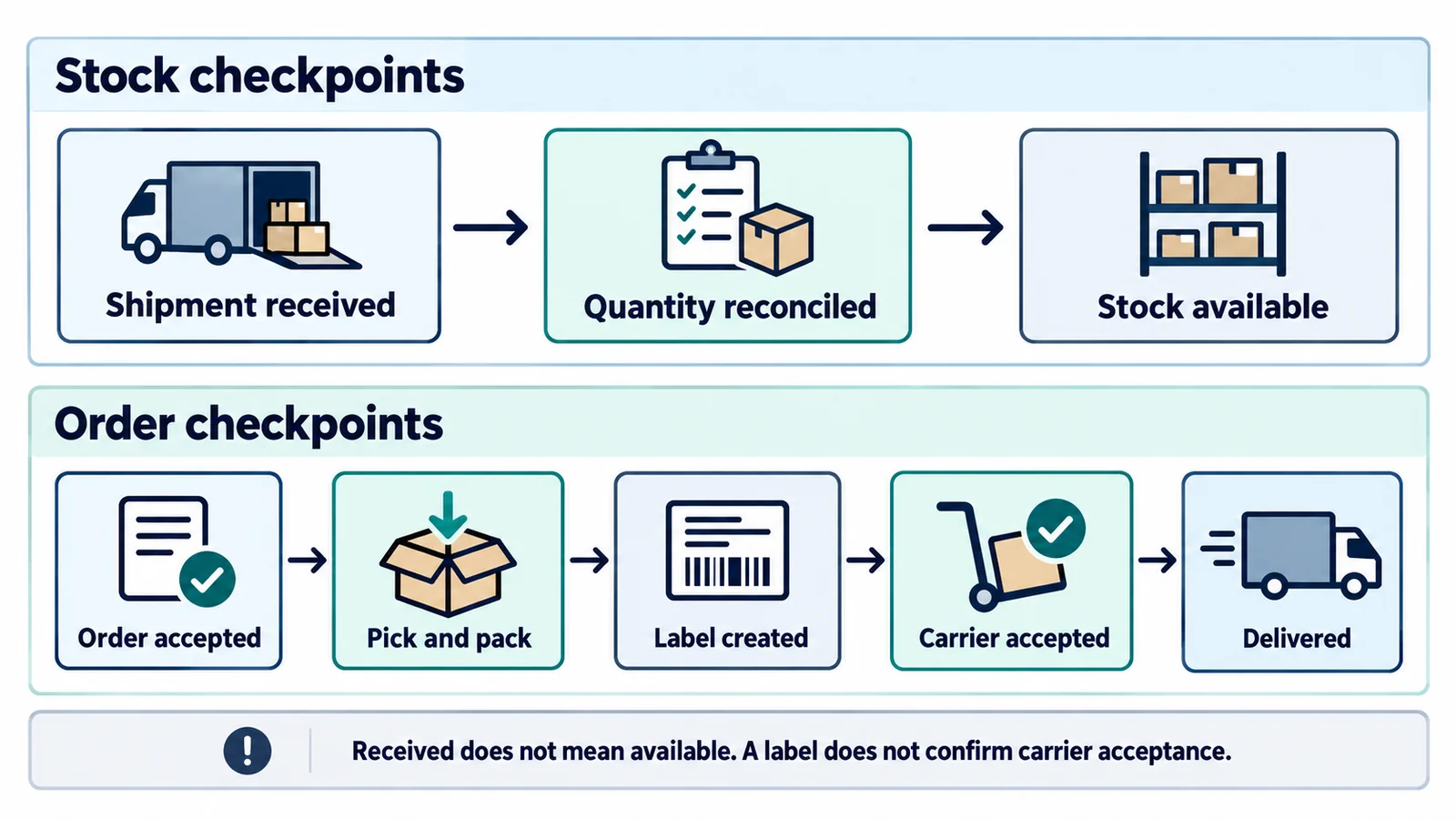
Goods move from receipt to counted, available stock; accepted orders then move through picking, packing and carrier handoff.
Track stock before releasing orders
A delivery receipt proves that a shipment arrived. The warehouse still needs to check quantities, identify discrepancies and record which units are ready to promise to customers. Keep damaged or inspection-held goods separate from available stock, consistent with the distinctions in Shopify’s inventory-adjustment guidance. For each inbound shipment, retain:
- Expected SKUs and quantities from the packing list.
- Counted quantities and any condition or identification exceptions.
- The recorded quantity released as available inventory.
Use the released quantity when a sales promotion overlaps with an inbound delivery; arrival alone does not establish how much you can sell.
Separate dispatch from delivery
After order acceptance, workers pick and pack the goods, create the shipping label and transfer the parcel to the carrier. Label creation and carrier acceptance are separate events; delivery occurs later in the transport journey. Reviewing Shopify fulfillment errors can help you spot mismatches between recorded progress and physical work.
Key Takeaway: Check the stock-availability record and carrier acceptance event before promising inventory or dispatch to a customer.
Which services must you specify before asking for a quote?
Specify the receiving, storage, fulfillment and transport work you need, then identify returns and preparation services that require separate agreement.
Choose the operations you need
List the tasks you need the provider to perform. A parcel warehouse may need your supplier to arrange inbound freight, while another operator may coordinate that movement. Neither arrangement automatically includes factory inspections or supplier purchasing. Your service request should cover:
- Inbound identification, counting and discrepancy reporting.
- Storage, order picking, standard packing and carrier handoff.
- Return receipt, condition assessment and approved disposition.
For returns, specify whether stock should be held, restocked or routed elsewhere after inspection. The seller must identify who can approve each action.
Price optional work explicitly
Kitting, relabeling, assembly and unusual handling add physical steps. Describe the required output, materials and approval standard so a provider can accept or decline the work and price it separately. A catalog description such as “packing included” leaves those details unresolved.
Key Takeaway: Attach a written service scope to the quote so optional preparation and returns work cannot disappear between proposals.
When does outsourcing make operational sense?
Outsourcing makes sense when an operator can solve a measured workload or capability problem at a cost and inventory commitment your business can support.
Use workload and cash constraints
Order count alone cannot decide readiness. A compact catalog with repeat orders creates different work from many slow-moving variants or fragile, multi-item shipments. Compare the hours, space and equipment your current operation needs with a provider’s proposed setup. Build the decision around:
- Orders, lines per order and variation during peak periods.
- SKU count, storage space and handling requirements.
- Stock purchases, replenishment costs and minimum monthly charges.
Include your own packing time in the comparison, alongside the cash required to place inventory with the operator.
Consider the work you retain
You will still forecast demand, approve purchasing and manage the customer relationship. A low-volume seller may reasonably keep fulfillment in-house while demand develops; a growing seller may need specialist handling before reaching any particular order count.
Key Takeaway: Outsource a documented constraint you can afford to solve, rather than using a universal monthly-order threshold.
How can you compare 3PL costs on the same basis?
Give each provider the same inventory and order sample, then compare the full month using matching assumptions and charge units.
Give each provider the same order month
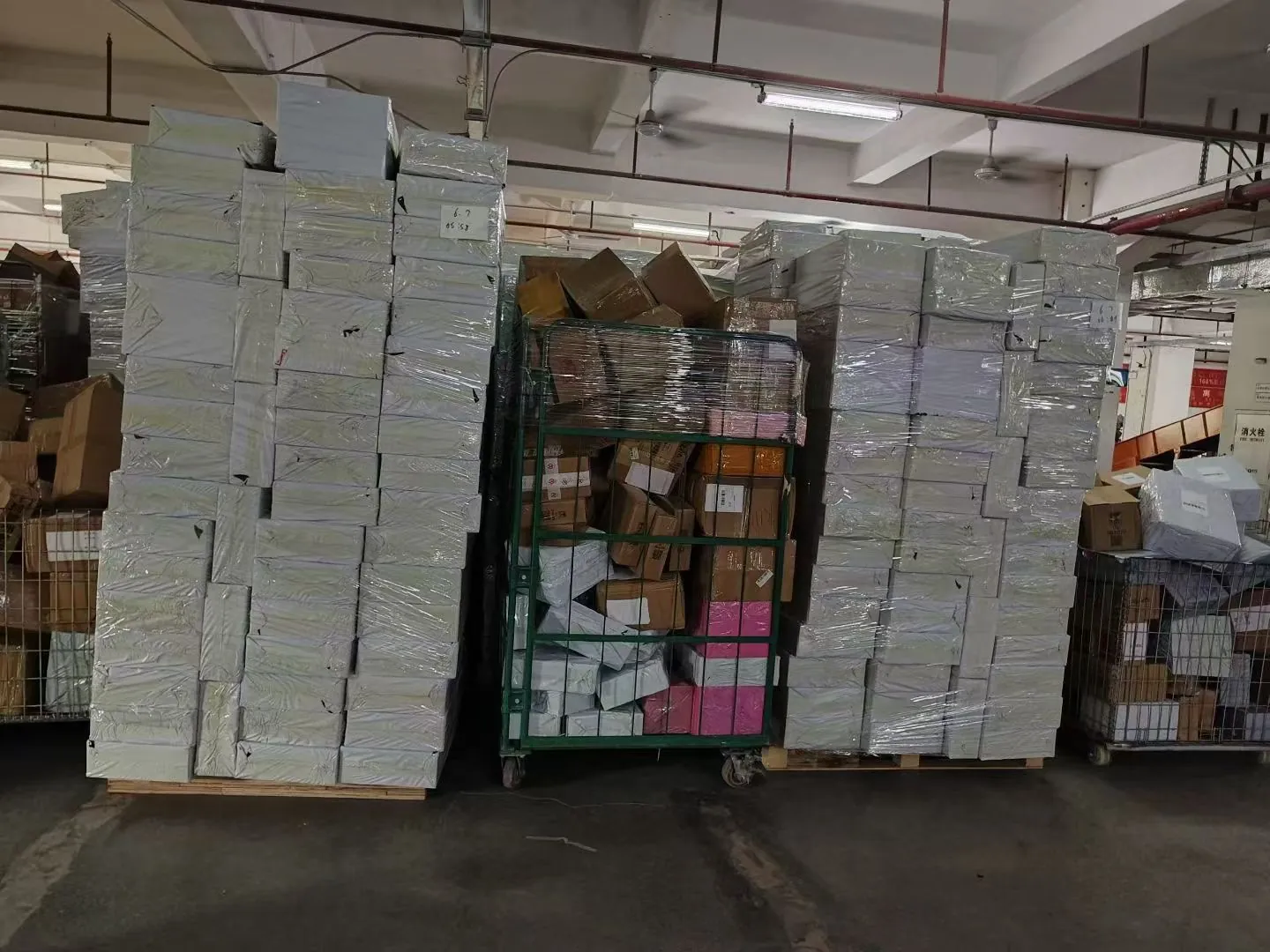
Start with a representative month of actual orders, or clearly identified planning assumptions for a new store. Supply dimensions, weights and destinations so providers price the same physical job. Run a separate peak scenario if volume or handling changes materially. Include these inputs in both requests:
- Order lines, units per order and destination/service mix.
- SKU dimensions, expected stock levels and inbound shipments.
- Returns, packaging requirements and additional handling.
Ask the provider to identify exclusions and show how minimum spending affects the total at your expected volume.
Compare the charge units
A per-order fee and a per-item fee produce different totals as basket size changes. Check whether materials, extra picks and postage sit inside the quoted line or elsewhere on the invoice.
| Work | Basis to align | Record to request |
|---|---|---|
| Receiving | Pallet, carton, unit or labor time | Receipt and counted quantities |
| Storage | Space unit and charging period | Stock or space statement |
| Pick, pack and materials | Order, item and included packaging | Order-level charge detail |
| Transport | Package, service and applicable surcharges | Shipment charge detail |
| Returns and extra work | Item, task or agreed labor time | Approved work record |
Recalculate the month after resolving any mismatched units. Key Takeaway: Choose from comparable total costs that you can later reconcile against operating records.
How should you check a provider’s operating fit?
Check who performs the work and verify that its handling, order, channel and geographic capabilities fit your products.
Check the operator and handling capability
Identify who runs the facility, who arranges transport and who handles exceptions when another party performs part of the service. Then ask for evidence relevant to your catalog, rather than treating a network-size claim as proof of fit. Request confirmation of:
- Product dimensions, fragility and any handling restrictions.
- SKU, bundle and channel requirements the operation supports.
- The connector and order fields used for your sales channels.
Review applicable documentation and a representative handling example. A provider’s ability to process ordinary parcels does not establish suitability for your restricted or unusually packed products.
Test geographic fit with real destinations
Use your destination mix and eligible carrier services to compare locations. Splitting inventory across facilities also requires replenishment stock and coordination, so proximity alone cannot establish lower total cost. Use the video below to prepare questions for providers on your shortlist.
Key Takeaway: Shortlist operators against your actual catalog and delivery markets before negotiating service commitments.
What should your contract and data setup make explicit?
Make responsibilities, billing definitions, records, exception ownership and stock-recovery arrangements explicit before you send live orders.
Name the owners of decisions and records
Agree which system controls inventory and who approves changes when records disagree. Name who handles each task and approval:
- Product mapping and inventory adjustments.
- Exception review and corrective action.
- Access permissions and customer-facing updates.
In its 2025 annual filing, Allbirds described relying on outside logistics operators for finished-stock storage and customer distribution. The same disclosure identifies interruption risks. For your own arrangement, agree who handles orders and stock if a facility cannot operate.
Write the exit and exception terms
Ask how stock will be reconciled, released and transferred if the engagement ends, which records can be exported and how outstanding charges are handled. Obtain qualified advice on the contract where needed. If your requirement includes China-side supplier coordination, RuntoDropship’s China fulfillment workflow is a separate private-agent option to discuss against that scope.
Key Takeaway: Agree how to recover stock and records while you can still choose whether to enter the arrangement.
How do you measure service once orders are live?
Measure service using agreed events, eligible orders, clocks and exceptions so both parties can reproduce the result.
Define the event and denominator
“On time” can refer to order processing, carrier handoff or delivery. Specify the start and end events, working calendar, reporting period and exclusions. An accuracy percentage also needs a defined group of orders or units and an agreed way to count corrected errors. For each metric, document:
- The event, timestamp and source record.
- Included orders or units and exclusions.
- The reporting period and person responsible for review.
Use those definitions to compare performance over time instead of moving between incompatible dashboard totals.
Review exceptions against the same records
Keep a short log containing the affected order or receipt, evidence, owner and next action. Separate an inbound discrepancy from a carrier delay so the appropriate party can investigate. Before seasonal demand changes the workload, review the assumptions behind your peak-season logistics planning with the operator.
Key Takeaway: Escalate a missed commitment with the agreed event record and definition, rather than an unexplained percentage.
What must you test before moving all your inventory?
Test representative SKUs and orders, verify the physical output and matching records, then reconcile the results before expanding.
Pilot a small, representative batch
Choose products that expose your real operating requirements, including a bundle or fragile item if relevant. A successful standard order leaves invalid-address handling or stock-discrepancy escalation untested.
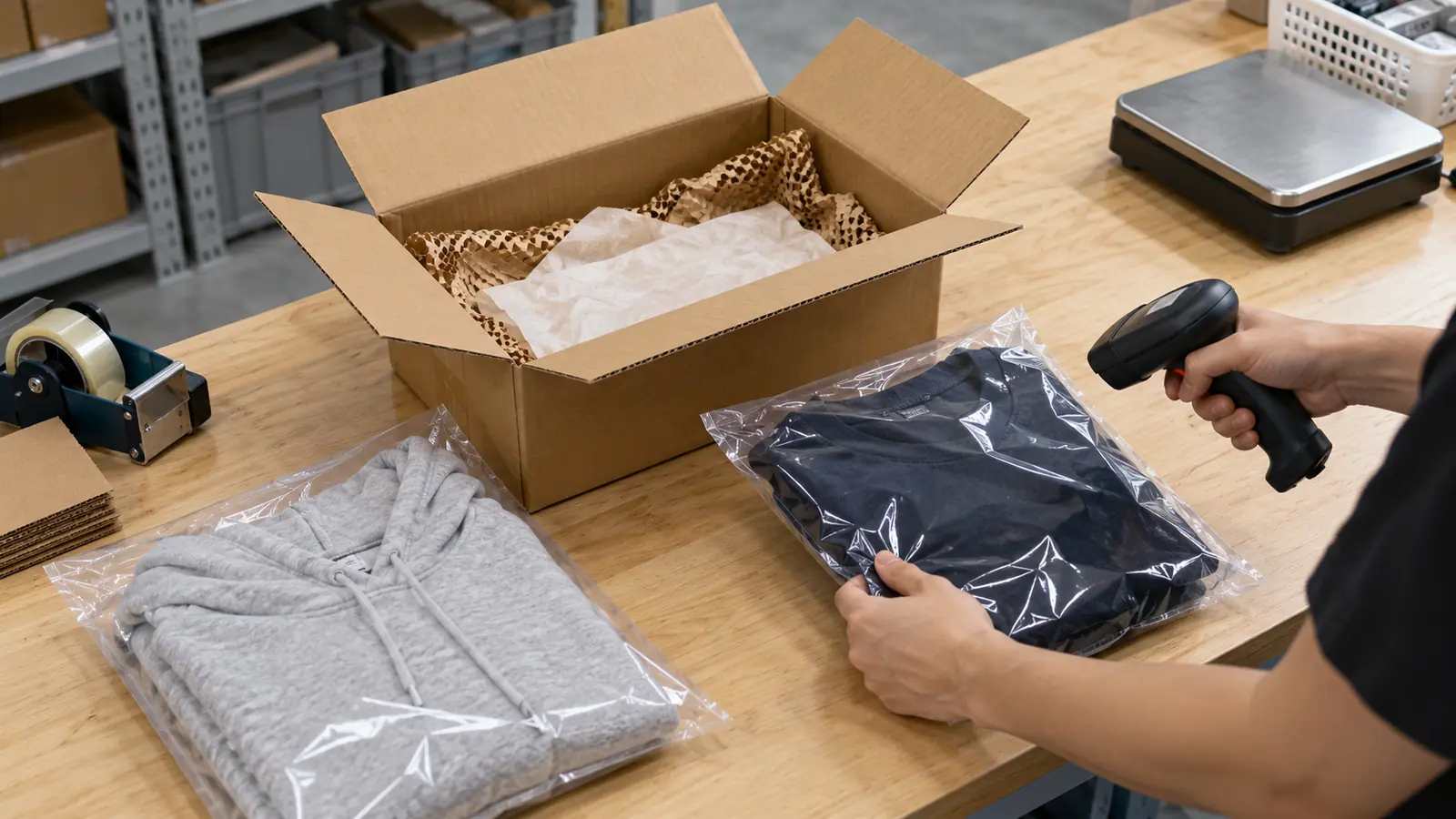
The pilot should verify:
- Correct variants, quantities and order-field mapping.
- Packing against the agreed specification.
- An invalid-address or stock-discrepancy exception and its owner.
- Matching shipment references and tracking written back to the store.
Reconcile before expanding
Compare opening stock, received units, shipped units, approved adjustments and closing stock. Resolve discrepancies with a named owner, then review whether the agreed acceptance criteria were met. Keep a transfer record showing which inventory and orders each operation controls during the changeover.
Key Takeaway: Expand after you can reconcile the pilot’s goods and records and account for every unresolved exception.
How should you decide whether to use a 3PL?
Use a 3PL when its verified services and total cost fit your order profile and you can assign someone to review stock, service and exceptions.
Bring a defined scope, representative order data and unanswered operating questions to your next provider discussion. RuntoDropship is a Private Dropshipping Agent for sellers reviewing China-side sourcing and fulfillment coordination; share your product, market and order requirements when you contact us. We favor clear responsibilities and traceable records before expanding an arrangement.
FAQ
Can I use a 3PL for only part of my store’s catalog?
Yes, if your store and providers support that routing. Assign the selected products and stock to the appropriate fulfillment source, check shipping rules and test a mixed-source order. Separate parcels and charges may apply; one provider does not automatically coordinate another.
Can a 3PL use my own boxes and packing inserts?
Only with the provider’s agreement. Confirm accepted materials, insert rules, replenishment responsibility and applicable storage or handling charges before sending them. Approve the requested pack-out so staff have a repeatable specification.
Can I change an order after it reaches the 3PL?
Sometimes, depending on its status and the provider’s process. For an accepted fulfillment, wait for the provider’s acknowledgement before telling a customer that warehouse work has stopped. A change in the storefront alone does not confirm that the change reached picking or dispatch.
Does refunding a customer restock my 3PL inventory?
A refund can also adjust store inventory. Shopify’s documented refund flow selects the tracked-inventory restock option by default, but that entry does not prove the warehouse received and inspected a resellable unit. Confirm physical condition and the agreed inventory update before promising it again.
How is a 4PL different from a 3PL?
A 3PL performs contracted logistics operations; a 4PL takes a wider coordination role across logistics providers. Check the engagement’s scope and decision ownership, because one organization can offer both arrangements. The label alone does not establish who performs each task.