
A good sample and a low unit price can leave you with unanswered questions: which version will arrive, what the quote includes, and who decides whether the batch is acceptable. To buy in bulk from China, define the purchase first, verify the parties, compare equivalent offers, approve a reference sample, and agree how the production lot will be accepted and handed over. Keep those decisions in one purchase record as the order moves forward.
What should you define before requesting bulk quotes?
Give every supplier the same dated buying brief and carry its revision into the quote, sample approval and purchase order. The requested product, packaging and quality requirements belong in the quotation before an order is agreed.
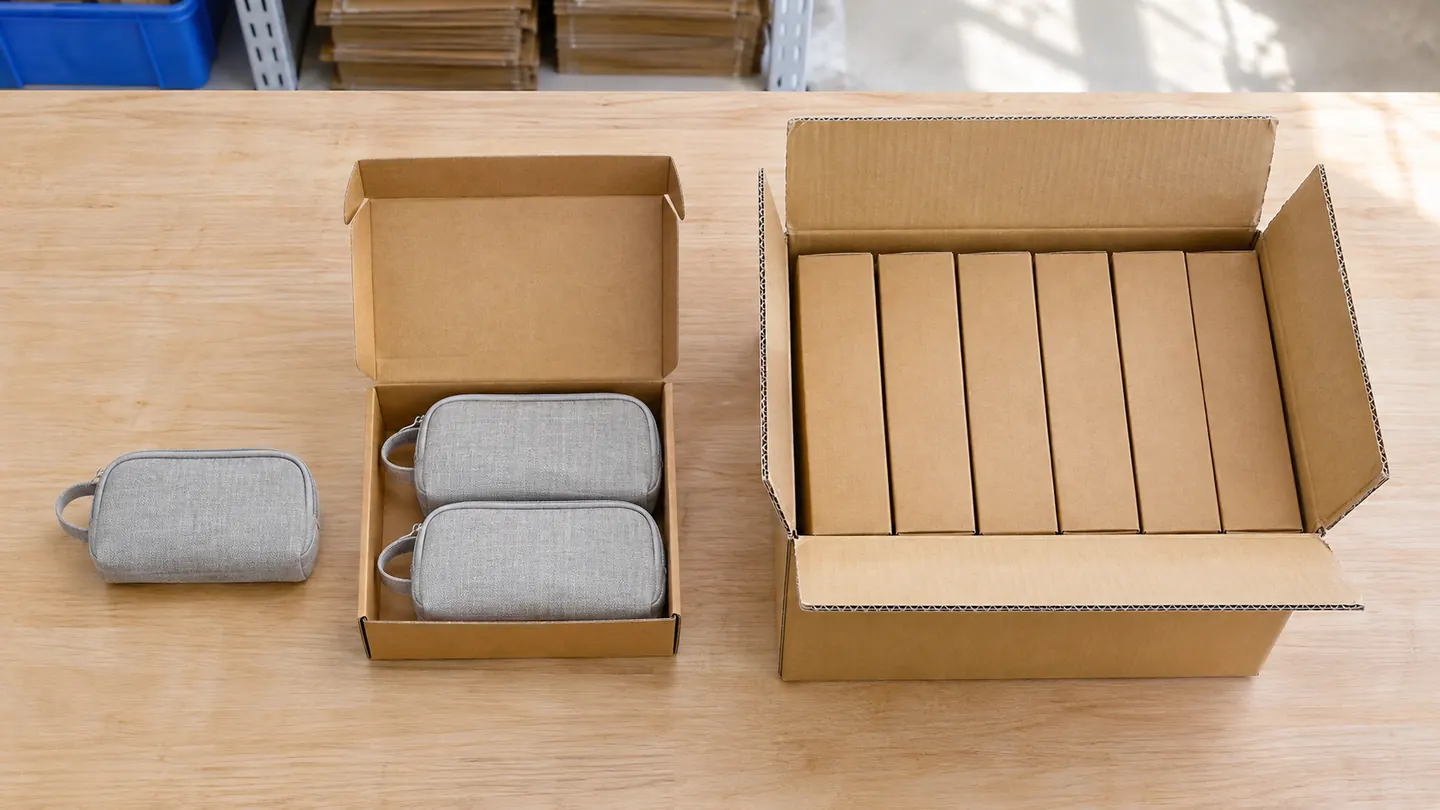
Start with the saleable unit. A piece, a pair, a retail set and a carton can describe different quantities. List the quantity for each SKU and variant, then state how many saleable units belong in each carton. A supplier should be able to quote without guessing whether your order count includes accessories or spare parts.
The brief should identify:
- Product drawings, photographs or links, with the material, dimensions and required function.
- Variant quantities, included components, labels and packaging requirements.
- Intended use, destination market and any product-specific testing or documentation still to be resolved.
- The receiving location, requested delivery arrangement and decisions awaiting confirmation.
Separate requirements from preferences. For example, if a color is essential, agree on a reference and a limit for acceptable variation. “Similar blue” leaves room for different interpretations. If a material substitution is possible, ask for it as a separate option requiring approval.
Use a revision identifier on the brief. When something changes, record what changed and ask the supplier to acknowledge which price, sample and delivery assumptions are affected. A quotation against an earlier version should remain clearly marked as superseded.
For buyers collecting offers through Alibaba RFQ, the same brief supplies the comparison basis. Use that guide for the platform’s posting steps; your buying requirements should remain understandable outside the platform too.
Which sourcing route fits your order?
Choose a sourcing route by the work you can verify and manage, then name who supplies, invoices, inspects and ships the goods. Finding wholesale suppliers in China is only the start of that allocation.
A direct relationship can suit a clearly specified product when your team can manage supplier communication and follow-up. Ask whether the business makes the item, trades it, or arranges production elsewhere. Record the answer against this order, including any exporter or intermediary that will appear on its documents.
A marketplace, directory or physical market can introduce possible suppliers. Treat the listing or display sample as a lead to investigate. Obtain the actual seller’s quotation and identify the product version being offered before comparing it with another lead.
If domestic purchasing is part of your plan, the 1688 buying and fulfillment guide explains that platform’s separate operating questions. A cross-channel purchase plan should not assume that every website handles payment, domestic receiving and export in the same way.
An agent can be assigned specific coordination work. Write down the deliverables you want: supplier responses, sample records, inspection arrangements or warehouse receiving evidence. Retain an explicit approval point for substitutions and order release. If you need sourcing coordination, send that defined brief so the proposed service can be assessed against the work involved.
How do you verify the supplier and payment recipient?
Verify the business accepting the order and the intended payment recipient through records and independently established contacts. Supplier credentials and the identity of the party accepting your order need checking before you commit.
Ask for the seller’s registered legal name, business-registration details, address and the role it will perform. Compare those details with the quotation, order acknowledgement and invoice. Request relevant capability evidence for the actual product, then check what it covers. For instance, a report on a different facility leaves the actual production site unverified.
Where the contracting seller, exporter and beneficiary differ, obtain a documented explanation of their relationship and responsibilities. An unexplained mismatch is an unresolved purchasing decision. However, a familiar name in a messaging app does not explain why the payee differs from the seller.
The FBI advises verifying changes to account numbers or payment procedures with the person making the request. Its business email compromise guidance also warns against relying on contact details supplied in a suspicious message.
Confirm a changed payment request through a previously verified contact channel before sending money. Preserve the confirmed instruction with the purchase record and make sure the person authorizing payment sees any discrepancy before the transfer.
How can you compare quotes on the same basis?
Compare quotations only after product revision, saleable quantity, packaging and delivery scope match. Request a corrected offer when a field is missing instead of treating the omission as an included service.
A useful comparison keeps the quoted currency and quantity unit visible. Separate the goods amount from tooling, inspection, transport and other quoted work. Record which charges are fixed, estimated or excluded, and who will obtain the missing figures. Finally, check when each quote expires, since a price from an earlier round may no longer apply.
ICC describes Incoterms 2020 as allocating costs, risks and obligations between buyers and sellers. Use the ICC explanation to identify the agreed rule, then record its named place and edition with the quote. Ask the parties to explain their actual responsibilities for this transaction.
Which fields must match before you compare totals?
| Quote field | Buyer check | If it is unresolved |
|---|---|---|
| Product revision | Same material, function and approved configuration | Request an equivalent offer or label the alternative |
| Quantity unit | Pieces, sets and carton counts reconcile by SKU | Correct the quantity basis |
| Packaging | Same components, labels and packing arrangement | Price the missing work separately |
| Delivery scope | Named place, transport responsibility and exclusions | Obtain the omitted service quote |
| Validity and changes | Validity date and conditions for repricing | Reconfirm before accepting |
The comparison is usable when you can explain each difference without assuming what a supplier meant. For example, write “freight pending” if the shipping charge is missing. A blank cell can look like zero when you add the columns.
What must a production sample prove before approval?
Approve the sample against written checks that reflect the product’s intended use, then verify the production lot separately. An approved sample does not establish that the bulk batch matches it.
Identify the sample by supplier, SKU, revision and date. Record the materials, dimensions, finish, accessories and packaging actually supplied. Keep photographs and measured results where relevant, alongside a clear list of accepted details and outstanding changes. If the approved sample differs from the original brief, resolve that difference before authorizing production.
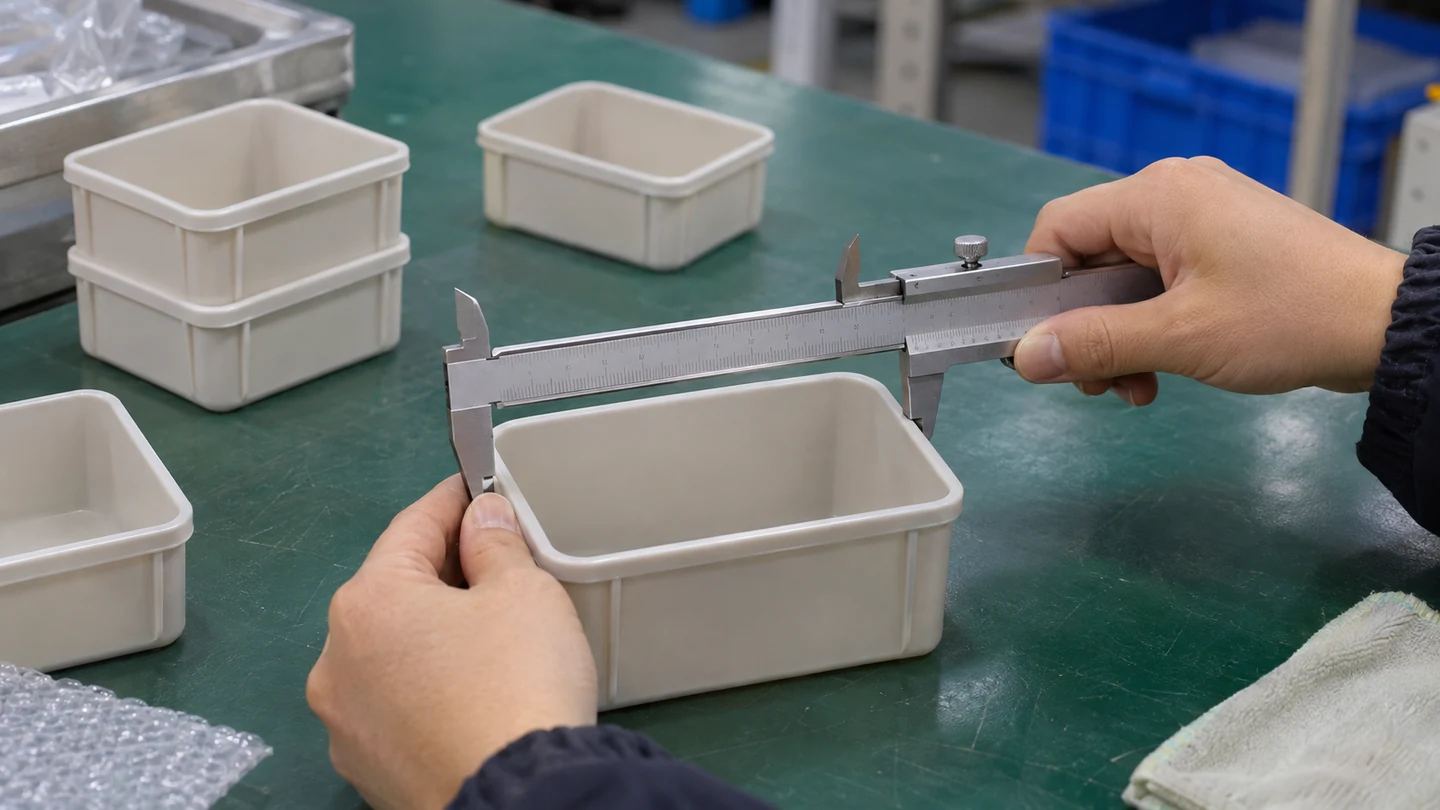
Specify how a function will be checked. A photograph may show that a lid fits; it cannot record the result of an agreed heat or repeated-use test. Decide which checks your team can perform competently and which require a suitable specialist or laboratory. Before testing, agree a pass/fail criterion for each check, with measurable limits where relevant. Include packaging fit and protection checks appropriate to the product and delivery arrangement. Record test conditions, results and the product version covered.
For US general-use consumer products subject to applicable CPSC rules, identify the required testing and certificate. CPSC’s general-use guidance bases the required certificate on a test of each product or a reasonable testing program. Read the current CPSC guidance and have the responsible party confirm applicable certification and filing requirements.
A recall shows why use conditions belong in the brief
A December 2024 CPSC recall concerned China-made travel mugs whose lid threads could shrink under heat and torque, allowing the lids to detach and create a burn hazard. The official recall notice identifies the affected products. It does not establish that a routine buyer inspection would have prevented the problem. For your own specification, ask what evidence addresses the product’s intended use beyond its appearance.
How should you agree payment and acceptance terms?
Agree the payment milestones, inspection access, failure response and release authority before placing the order. Put those conditions in the order documents and obtain the supplier’s acknowledgement while the commercial terms are still being agreed.
For each milestone, state what event triggers it and which record demonstrates that event. Distinguish sample approval, production progress, batch inspection and dispatch authorization. Choose terms appropriate to the actual order and payment arrangement; do not import a deposit percentage from an unrelated transaction.
The acceptance instructions should identify the lot and the checks to perform, including the agreed sampling or inspection scope. Define how defects are recorded and who reviews the report. Ask how rework, replacement, reinspection or another agreed remedy will be handled, including the work and costs each party has accepted.
If the supplier disputes a result, compare the evidence with the agreed requirement and method. Keep the disputed units or issue identified while the authorized people decide the next step. Do not let a vague “QC passed” message replace the report you asked for.
When arranging quality-control support, provide the approved specification, reference sample details and required reporting scope. Confirm who can request corrections and who can authorize release. Any platform protection, claim deadline or contractual remedy also needs checking against the actual transaction terms.
What evidence should accompany the shipment?
Match the shipment to its lot record, packing list and the handoff receipt for each leg. If a warehouse has already received the goods, its receiving record is available before onward shipment. Reconcile the accepted lot, packing list and handoff receipt before authorizing the agreed dispatch step. For a direct carrier pickup, check the lot and packing list before release, then retain the carrier’s receipt when it collects the goods. That way, the receiving party can match what arrived to the order and its acceptance record.
Match the shipment to the purchase order and approved revision. Check SKU quantities, carton counts, labels and reported condition. Keep the inspection disposition with that record, including any agreed shortages or exceptions. Name the person authorized to resolve a discrepancy rather than leaving the warehouse or carrier to infer acceptance.
A handoff record should identify the sending and receiving parties, date, goods and quantity, plus visible damage or other exceptions reported at receipt. For example, if a carton arrives crushed, record which carton it was and who reported it. Keep the commercial invoice, packing list and relevant transport documents consistent with the actual goods and transaction. Obtain the transport or receiving reference through the agreed party.
For a US-bound purchase, identify who will act as importer of record and who prepares the entry information. CBP states that the importer of record remains responsible for correct entry documentation and applicable duties, taxes and fees even when using a broker. The CBP importer guidance explains that responsibility.
The separate guide to shipping from China to the USA covers transport choices. At the purchasing stage, your decision is whether the accepted goods, named parties and agreed delivery scope are ready for that transport plan.
Conclusion
Buying in bulk becomes easier to control when the brief, quote, sample approval, order conditions and accepted shipment describe the same purchase. Resolve differences before the next payment or release decision.
RuntoDropship is a Private Dropshipping Agent that coordinates sourcing, quality checks, inventory and order fulfillment. If you need help organizing supplier follow-up and physical order execution, share your purchasing brief with our team. Include the product, variant quantities, destination and decisions still open so the required work can be assessed.
FAQ
Can I combine samples from several suppliers into one parcel?
Confirm sample-consolidation handling with the receiving party before suppliers send their parcels. Ask how each sample will retain its supplier and revision identity, which goods can be combined, and what receiving, repacking and onward-freight charges apply. Compare the complete arrangement before assuming it saves money.
Why does China tracking say delivered before overseas arrival?
The records may describe different transport legs. Check the destination attached to the domestic tracking number. For UPS, Label Created means the sender’s shipment details and billing information have been received; possession and movement are a later stage. Ask the shipping party which carrier has the parcel and which event each number records.
Will the sample fee be credited against my bulk order?
Ask for the sample-credit amount and its conditions to be written into the eventual bulk-order quotation. Confirm the qualifying order, any deadline, whether courier charges are excluded, and whether the arrangement is a refund or invoice deduction. Check that the agreed credit appears before paying the relevant invoice.
Can a different supplier provide my packaging?
You can propose that arrangement to the parties involved. Agree who will check the packaging fit, assemble each saleable unit and account for unused packaging before ordering from separate suppliers. Have the assembler confirm receipt requirements and approve the assembled configuration before ordering the packaging batch.
Do I need a US import license to buy bulk goods from China?
CBP does not require a general importer license, but other agencies may require a permit, license or certification for the product. Check the product’s applicable agency requirements before ordering it for the US market. A general answer cannot clear a particular electrical, vehicle or other regulated product for import.