
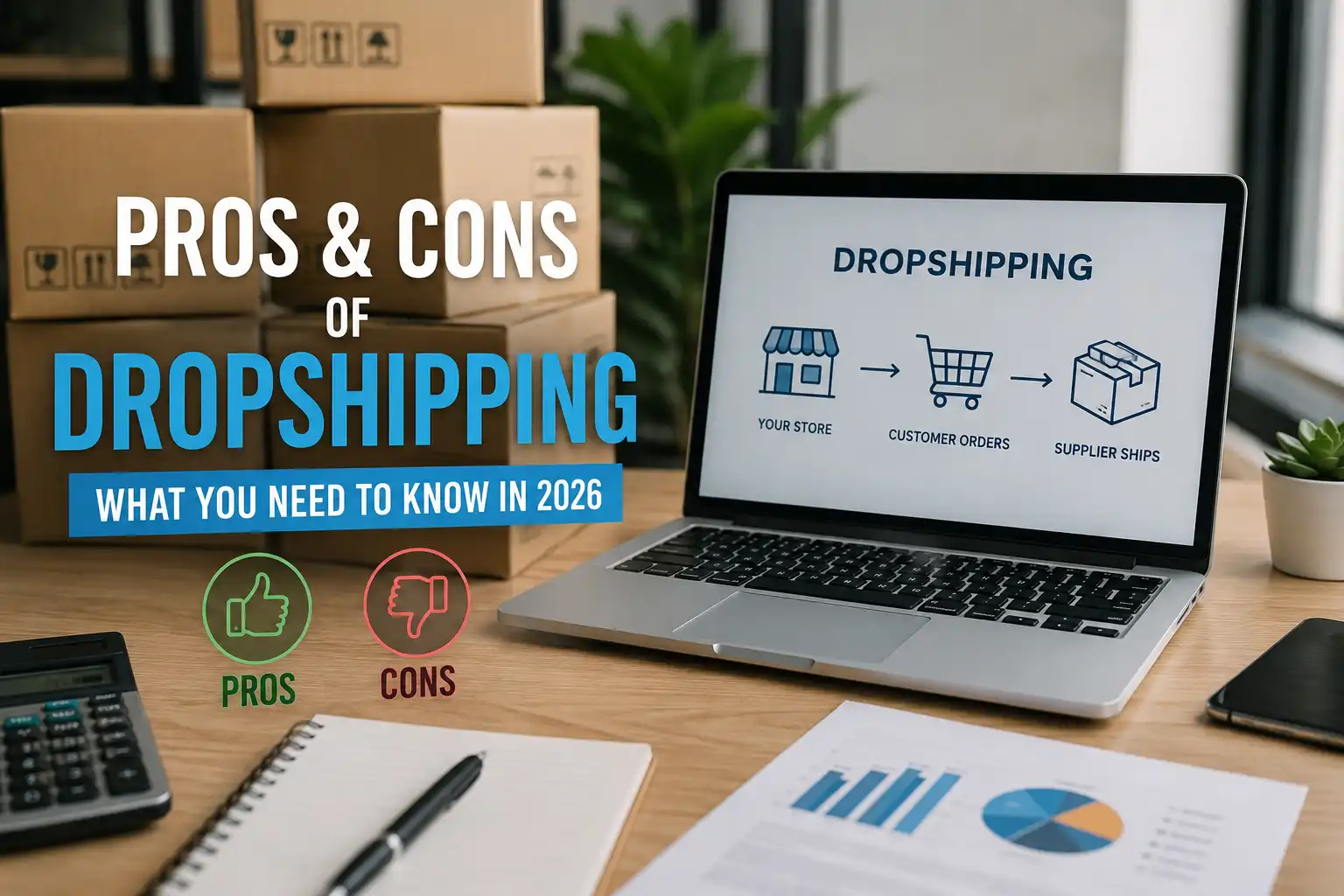
Pros and cons of dropshipping dictate that while the model offers exceptionally low capital barriers and high agility, it demands that e-commerce brands navigate thin margins, volatile shipping times, and a lack of direct product control.
Imagine launching a highly anticipated marketing campaign, watching your dashboard light up with dozens of daily B2B orders, and believing you have finally unlocked scalable e-commerce success. Yet, behind the scenes, your cheap overseas supplier takes three weeks to ship the wrong items in flimsy envelopes, triggering a wave of chargebacks, customer complaints, and a frozen merchant account. This nightmare scenario highlights why a surface-level grasp of the market fails; you cannot survive on hope when shipping delays and poor quality destroy your hard-earned profits. But it doesn’t have to be that way. By strategically understanding the pros and cons of dropshipping, vetting elite partners, and transitioning to a dedicated, high-performance agent, you can protect your margins and build a truly resilient brand.
What Are the Core Pros and Cons of Dropshipping?
The pros and cons of dropshipping involve balancing low financial entry barriers and zero inventory risk against severe margin compression, lack of quality control, and shipping delays. This model allows rapid market testing but demands exceptional operational systems to maintain sustainable B2B profitability over time.
To understand where your business fits on this spectrum, here is the cold, hard truth: you are trading operational control for asset-light flexibility.
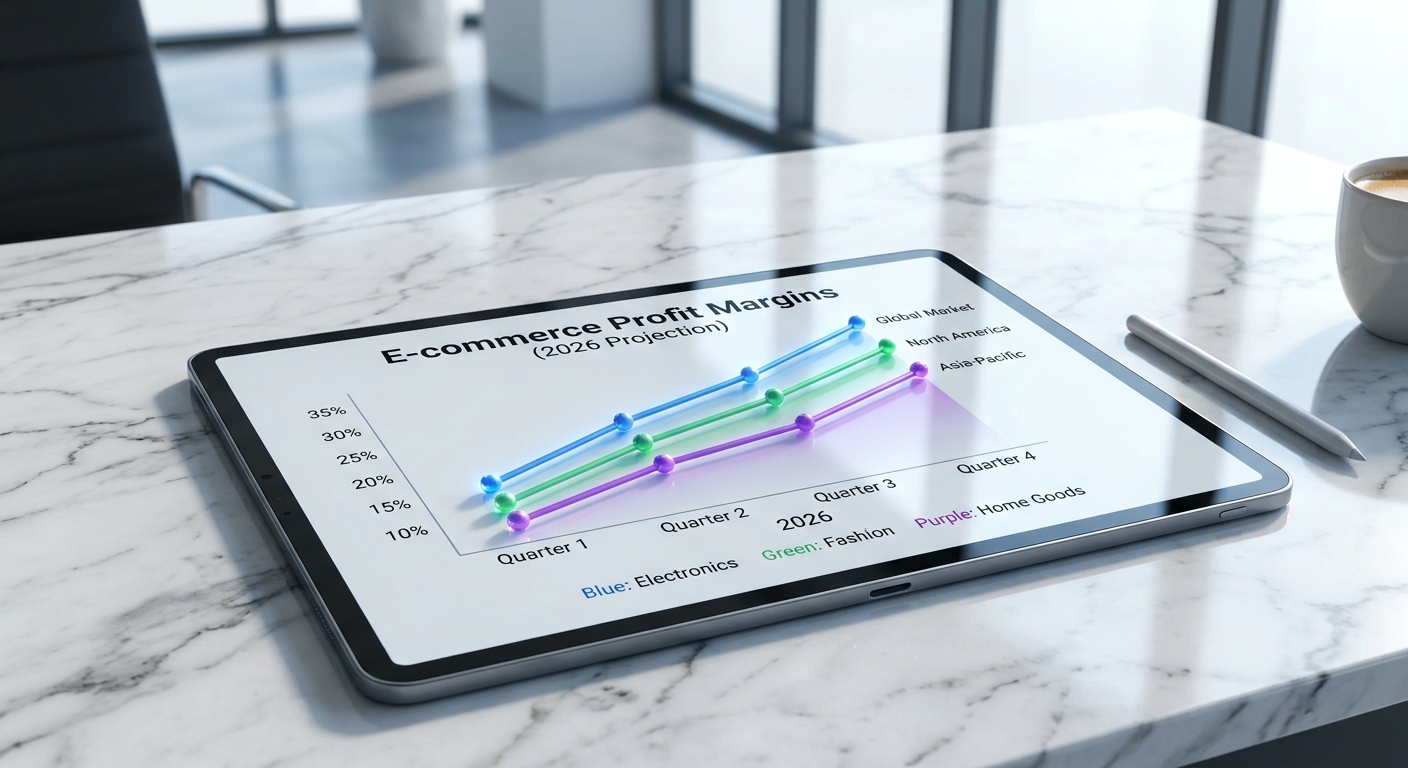
What makes the low-capital setup so attractive?
For lean B2B enterprises and scaling direct-to-consumer brands, the financial relief of a zero-inventory layout is unmatched. Traditional retail models force you to sink thousands of dollars into stock before validating market demand, whereas this approach allows you to remain highly liquid.
- Minimal Initial Capital: You only purchase products after receiving payment from your customer.
- Rapid SKU Testing: Add or remove products from your catalog in minutes without physical losses.
- Geographic Freedom: Run your entire logistics network from any location with an internet connection.
Where do control and product quality fail?
The biggest operational challenge of this setup is outsourcing your fulfillment to an external party. When a customer receives a defective product or a late shipment, your brand absorbs the reputational damage, not the warehouse.
- Zero Inspection Control: You cannot inspect the item before it gets packed.
- Unreliable Packaging: Generic bubble mailers erode the perceived value of your items.
- Fragile Supply Chains: Minor factory delays can cause major backlogs for your retail store.
Is a hybrid catalog the ultimate compromise?
Many enterprise-level sellers realize that combining different models provides the best balance of safety and growth. By dropshipping new, volatile SKUs and stocking fast-moving best-sellers in a local warehouse, you minimize liability while maintaining fast delivery.
- Agile Risk Spreading: Balance high-margin private label items with long-tail dropshipped catalog items.
- Optimized Capital Allocation: Dedicate your warehouse spend only to guaranteed high-velocity goods.
- Dynamic Scale Adjustments: Transition items smoothly between fulfillment models as search volume fluctuates.
Key Takeaway: Dropshipping is best viewed as a low-risk research and development tool. Use it to discover high-converting niches, and then quickly secure supply chain control before competitors erode your margins.
Is Dropship Profitability Dead in 2026?
Evaluating dropship profitability in 2026 requires looking beyond basic product costs to find stable margins. While low-ticket retail arbitrage struggles under rising acquisition costs, high-ticket sourcing and specialized B2B niches continue to yield exceptional returns when managed through streamlined backend integration systems.
Success in this landscape is no longer about finding cheap goods and running basic social media ads; what does this mean for you? It means you must pivot to higher ticket values and automated workflows to protect your cash flow.
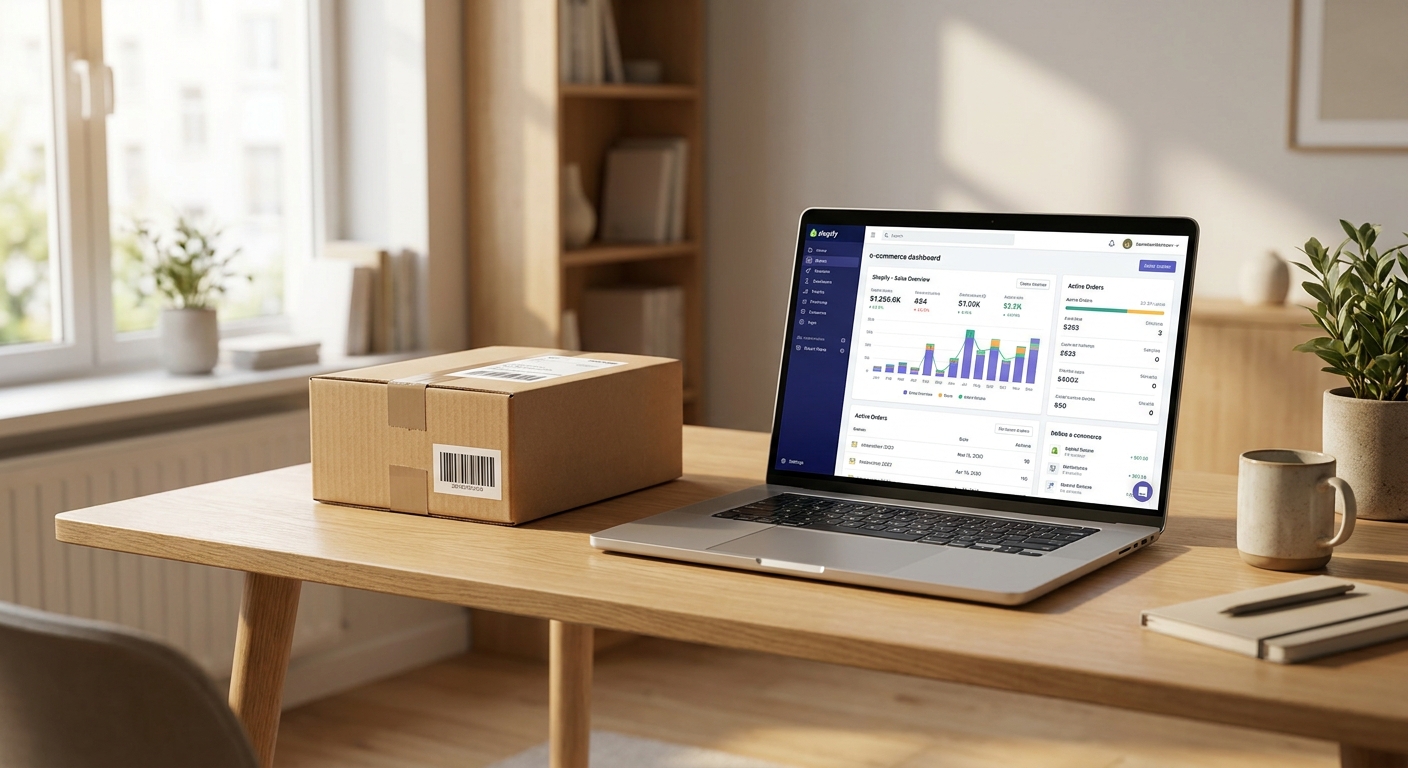
Why does direct-to-consumer fatigue compress margins?
The saturation of low-ticket consumer goods has made traditional digital advertising incredibly expensive. When average order values hover around $20, rising click costs can quickly consume your entire gross profit margin.
2026 E-Commerce Margin Trends by Product Segment
| Market Segment | Average Profit Margin | Customer Acquisition Cost | Shipping & Handling Risk |
|---|---|---|---|
| Low-Ticket Apparel | 5% – 12% (Compressed) | Skyrocketing (+35% YoY) | High return rates and sizing disputes |
| High-Ticket Equipment | 20% – 35% (Highly Stable) | High but stable | Minimal bulk delivery challenges |
| Specialized B2B Goods | 25% – 40% (High Growth) | Relationship-driven | Strict SLA expectations |
As shown by the forecast data, high-ticket items and custom niche B2B categories dominate profit performance in 2026, while low-margin, saturated consumer markets experience severe compression.
- Ad Fatigue: Shoppers are increasingly ignore generic video ads and standard marketing copy.
- Merchant Holds: Payment processors routinely freeze accounts that exhibit high return-to-order ratios.
- Return Logistics Costs: Sizing disputes in low-ticket apparel can wipe out a week’s worth of profits.
How does high-ticket sourcing change your bottom line?
Selling premium products with price tags exceeding $300 allows your business to absorb high acquisition costs and still keep a healthy margin. By shifting your attention to complex products, you naturally filter out casual competitors who lack the customer support systems to handle high-value transactions.
- Higher Net Returns: A single high-ticket sale can net over $150 in profit, compared to pennies on cheap items.
- Reduced Support Volume: Processing fewer, higher-value orders drastically reduces your customer service overhead.
- Stable Ad Budgets: Roomy margins give you the budget to run targeted retargeting campaigns without losing money.
Key Takeaway: Profitability is alive and well, but only for brands that escape the low-ticket trap. Focus on sourcing complex, high-value products that demand high-touch customer service and robust supplier accountability.
To translate margin claims into realistic owner income, compare them with a dropshipping salary and take-home profit framework that separates gross revenue from net profit, break-even requirements, and reinvestment.
How Do You Choose Reliable Wholesale Suppliers?
Selecting reliable wholesale suppliers is the most critical step to securing your supply chain. Reliable partners must offer transparent API inventory updates, quick transit dispatch times, and clear return guidelines to protect your brand reputation from fulfillment errors and stockouts.
The search for premium partners is often difficult, but look at the facts: your brand is only as reliable as the warehouse releasing your shipments.

What red flags expose unreliable middlemen?
Many directories are filled with disguised retailers pretending to be direct factories. To protect your margins, you must learn to identify these middlemen before committing to a marketing campaign.
- Inflated Unit Costs: If their pricing is close to retail on Amazon, they are not a real factory.
- Slow Response Times: Taking more than 24 hours to answer basic emails indicates poor partner discipline.
- Opaque Tracking: A refusal to provide clear shipping routes and tracking updates is a major red flag.
Should you source from domestic or global partners?
Choosing between domestic warehouses and global production facilities requires balancing profit margins against shipping speed. To find the right balance, many scaling brands utilize an expert China sourcing agent to locate primary factories, while using domestic hubs to handle fast shipping routes.
Comparative Analysis of Domestic vs. Global Wholesale Suppliers
| Evaluation Metric | Domestic Fulfillment Partners (US/EU) | Global Sourcing Partners (Asia/LATAM) |
|---|---|---|
| Average Delivery Time | 2 – 5 business days | 12 – 25 business days |
| Base Product Margin | Moderate (30% – 45% Gross) | High (60% – 80% Gross) |
| Minimum Order Quantity (MOQ) | Flexibly low / Single units | Variable, often requires bulk commitments |
| Return Handling & Reverse Logistics | Streamlined and cost-effective | Extremely complex and expensive |
While global sourcing offers lower unit costs, domestic partners provide a strategic shield against the supply chain delays and communication barriers that damage customer loyalty.
- Sourcing Verification: Partnering with a premier service like Runtodropship gives you access to a dedicated sourcing agent in China who can verify factories directly.
- Logistics Matching: Global partners offer lower costs, but require rigorous quality screening to ensure reliability.
- Geographic Coverage: Domestic hubs offer fast delivery, but restrict your product catalog to pre-made inventory.
How can you negotiate sustainable pricing tiers?
You do not have to accept the initial pricing listed on wholesale directories. By presenting a professional marketing strategy and proving your customer acquisition capabilities, you can unlock better pricing tiers.
- Highlight Marketing Reach: Show suppliers your ad spend and audience reach to prove you can move volume.
- Commit to Volume Milestone Agreements: Secure discount tiers based on hitting specific monthly order targets.
- Bundle Accessories: Negotiate package deals on complementary items to raise your average order values.
Key Takeaway: Never settle for automated public platform catalogs. Working with a dedicated, professional private partner like Runtodropship allows you to secure direct factory pricing, customized packaging, and verified stock levels.
Which E-commerce Fulfillment Model Fits You Best?
Choosing the right e-commerce fulfillment model dictates how you allocate capital and manage operations. Unlike traditional warehousing models that lock up liquidity in bulk inventory, dropshipping offers an asset-light alternative that maximizes working capital flexibility while outsourcing storage and dispatch.
To make an informed decision, let us compare the operational frameworks that govern modern online retail stores.
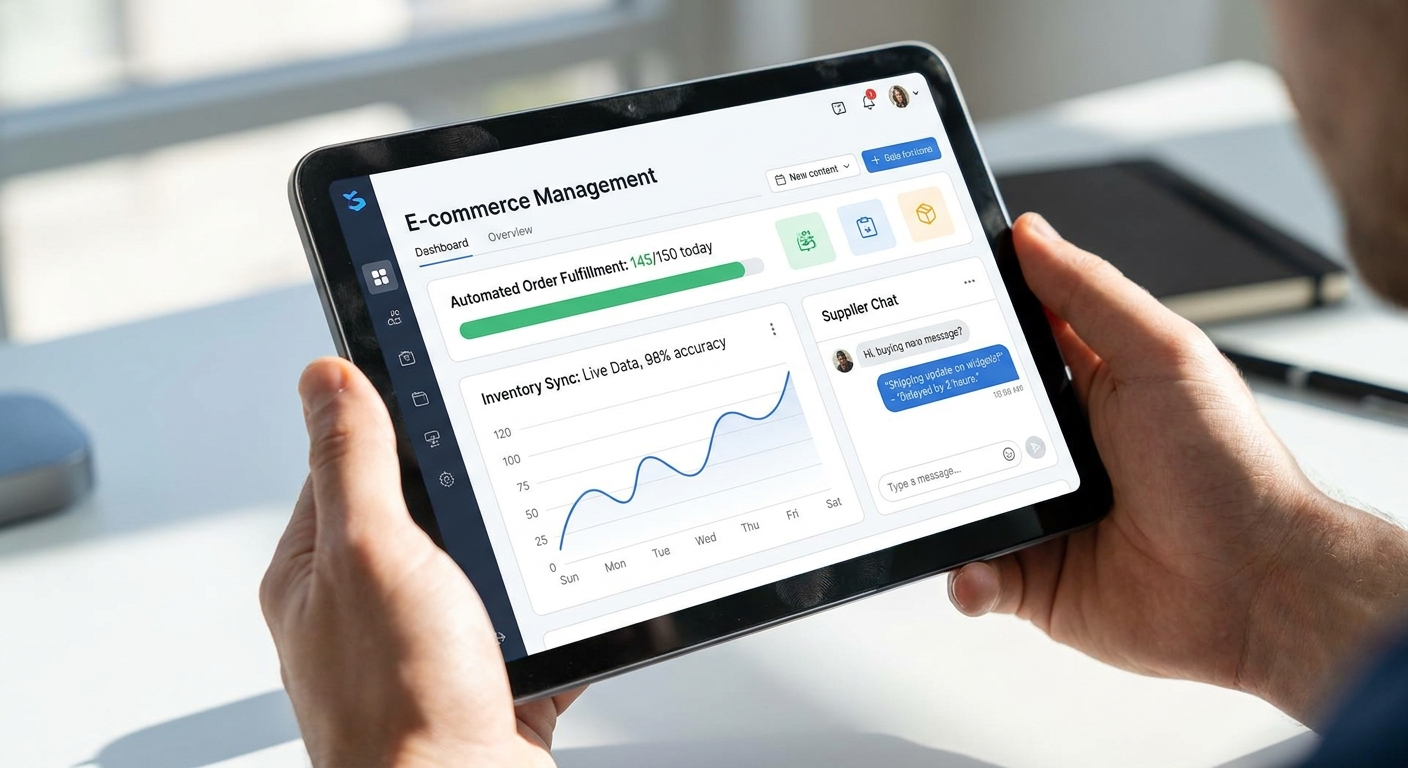
Is dropshipping better than holding physical stock?
When you are evaluating comparing dropshipping versus traditional wholesale, you are comparing cash flow agility against shipping speed. Holding inventory yields better unit costs and faster delivery, but places all the financial risk on your business.
- Working Capital Savings: Zero upfront capital tied up in slow-moving inventory.
- Lower Asset Risk: Avoid dead-stock write-offs when market trends shift overnight.
- Catalog Flexibility: Easily transition your store focus from home office furniture to premium kitchenware without physical friction.
What is the true overhead of running a warehouse?
Managing your own facility requires dealing with lease commitments, staffing issues, product shrinkage, and complex regional compliance. These hidden costs can quickly drain the profits of a growing e-commerce business.
- Commercial Leases: Multi-year lease requirements lock up capital that could otherwise fund ad campaigns.
- Labor Overhead: Hiring, training, and managing packing staff is a major time sink.
- Shrinkage & Damage: Uninsured inventory damage or warehouse theft is an outright loss.
Can Automated Inventory Tools Protect Your Margins?
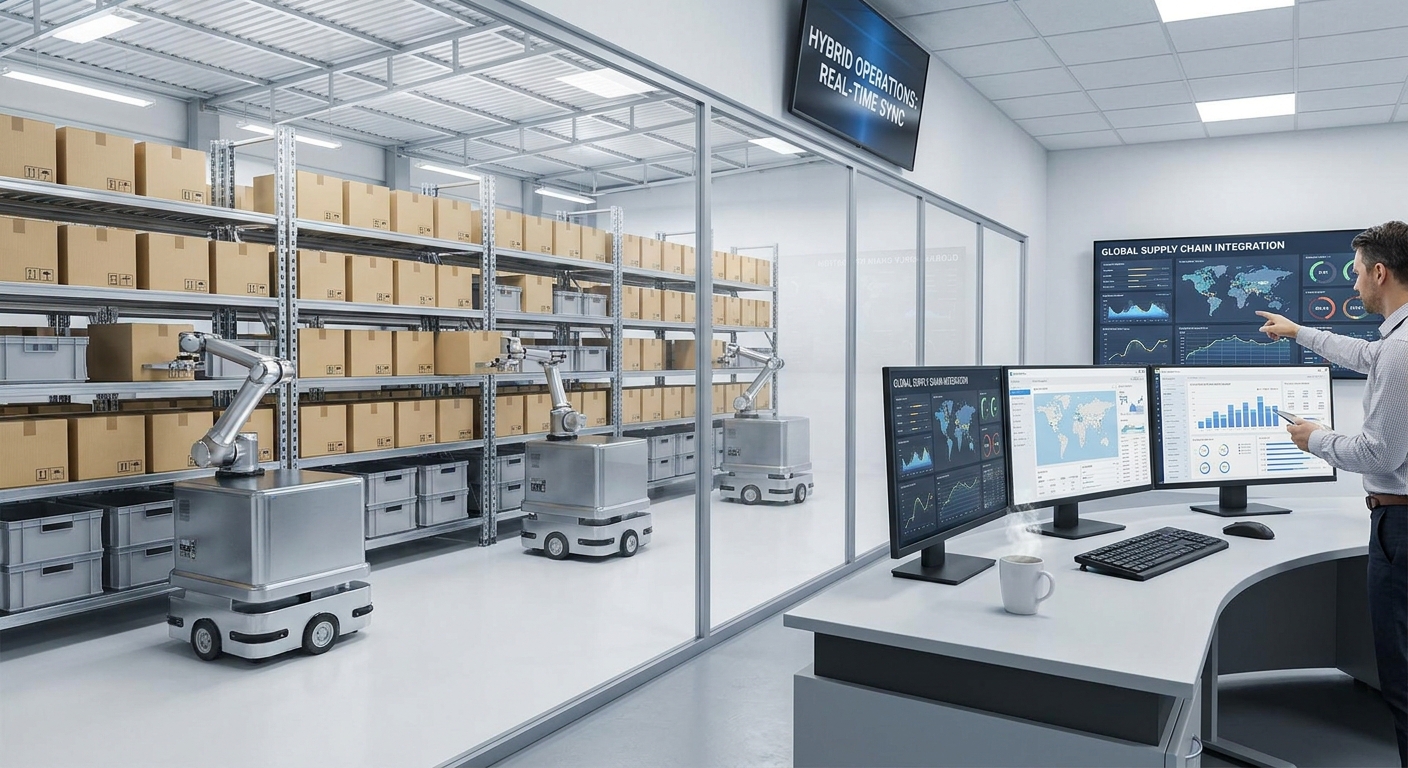
Deploying automated inventory tools is the best way to safeguard margins against accidental stockouts and customer friction. Modern automated sync software bridges the communication gap between your sales platform and supplier warehouses, updating quantities in real-time to eliminate manual ordering errors. For Shopify sellers, comparing the best dropshipping apps for Shopify helps you choose tools that support order automation, tracking sync, supplier visibility, and scalable fulfillment workflows.
If you are still managing your supply chain with spreadsheets, here is the cold, hard truth: you are one viral ad campaign away from an operational disaster.
Why does manual order tracking lead to overselling?
Selling an out-of-stock product is a fast way to hurt customer retention. When delays occur, payment gateways notice the spike in refunds and can quickly put a hold on your processing accounts.
- Data Entry Delays: Manually copying customer orders into spreadsheets leads to typos and shipment errors.
- Lack of Real-time Updates: A factory might run out of a popular item hours before you update your Shopify storefront.
- Merchant Account Penalties: Excessive refunds and chargebacks can lead to your payment gateway being shut down.
What automated synchronization features save time?
Modern backend integrations handle the repetitive daily tasks of order routing, tracking updates, and stock adjustments automatically. This software-driven approach lets you scale your daily order volume without needing to hire a large operations team.
- Automated API Syncing: Instant stock updates prevent you from overselling out-of-stock items.
- Automatic Routing: Smart systems automatically send orders to the nearest supplier warehouse.
- Automated Tracking Updates: Tracking details are automatically emailed to customers the moment a label is printed.
Key Takeaway: Sourcing automation is no longer optional. Choosing a premier partner like Runtodropship provides an integrated ERP dashboard that connects directly to your Shopify or TikTok Shop store, keeping your inventory completely aligned with the warehouse.
How Do You Build a Premium Brand Experience?
Elevating the brand experience is essential to transition casual customers into loyal advocates in competitive B2B spaces. By implementing branded inserts, custom packaging, and private label aesthetics, you bypass generic presentation and establish immediate trust that justifies premium pricing models.
Generic white envelopes will not cut it anymore; it doesn’t have to be that way. You can build a premium brand experience without needing to hold inventory.

Why is custom packaging crucial for customer retention?
The unboxing experience is your first opportunity to make a lasting impression on your customer. Premium packaging immediately raises the perceived value of your items, helping to offset the frustration of any minor shipping delays.
- Higher Perceived Value: Branded boxes justify premium, higher-ticket pricing structures.
- Direct Advertising: Custom boxes generate free social media exposure through user unboxing videos.
- Stronger Customer Retention: Branded packaging helps turn a one-time purchaser into a lifetime advocate.
How do you implement private label details at scale?
Building a premium brand experience does not require ordering thousands of custom products upfront. Experienced dropshipping agents can print custom labels, thank-you cards, and branded packaging on demand, keeping your business lean and agile.
- Bespoke Branded Inserts: Include high-quality thank-you notes, promo codes, and instructions in every box.
- Custom-Printed Poly Mailers: Upgrade from generic white mailers to elegant, custom-printed bags.
- Custom Tags: Sew custom woven labels or attach premium hangtags to apparel items before they ship.
Key Takeaway: If you want to scale past basic retail arbitrage, you must focus on custom branding. Utilizing Runtodropship’s premium packaging and private label services allows you to scale from single-unit testing to a fully customized brand with low minimum commitments.
If you are still deciding whether retail arbitrage or dropshipping is the better starting model, this retail arbitrage vs dropshipping comparison breaks down the difference in inventory control, cash flow, labor, scalability, and supplier risk.
What Are the Hidden Risks of Order Processing?
Managing order processing risks requires a thorough audit of direct transaction costs, split-shipment fees, and fulfillment delays. Unoptimized workflows lead to chargebacks and payment processing reserves, making it vital to route orders dynamically and select highly disciplined logistics partners.
When calculating your margins, look closely at the hidden expenses that can quietly eat away at your bottom line.
How much do shipment delays cost your brand?
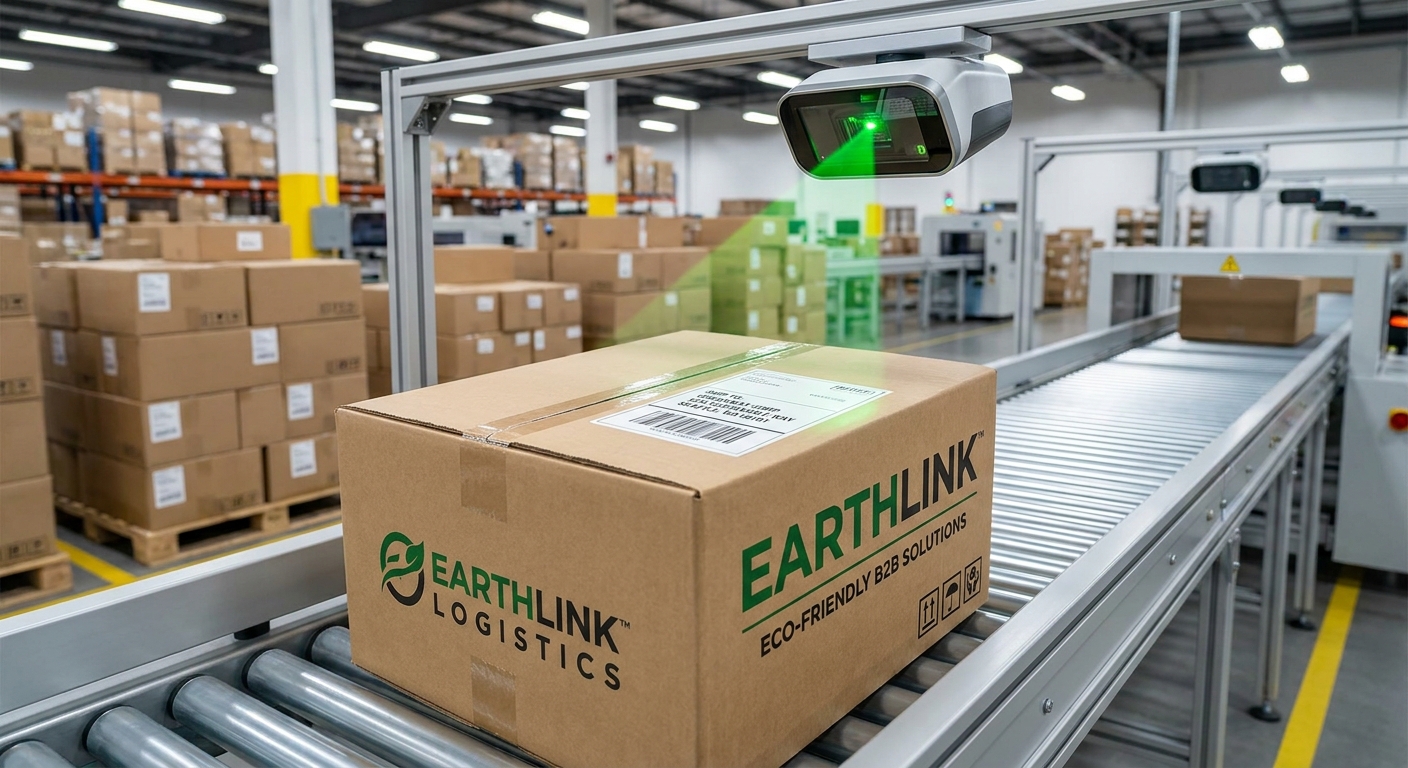
A slow shipment does not just cause customer frustration—it has a direct financial impact on your business. Between refunds, payment processor fees, and customer support hours, a delayed order can quickly turn a profitable transaction into a net loss.
Direct and Indirect Financial Impacts of Order Processing Bottlenecks
| Bottleneck Type | Direct Cost Impact | Indirect Cost Impact | Mitigation Strategy |
|---|---|---|---|
| Split-Shipments | Double shipping charges on single multi-item orders | Negative reviews regarding partial deliveries | Intelligent cart routing by location |
| Out-of-Stock Events | Full refund of payment + lost marketing spend | Account flags on merchant processors | Real-time automated API sync intervals |
| Incorrect Fulfillment | Costs of return shipping + replacement inventory | 45% drop in customer lifetime value (LTV) | Automated verification via service portals |
Failing to optimize your logistics engine can transform minor order processing errors into major revenue losses that completely wipe out paper-thin product margins.
- Chargeback Fees: Payment networks charge flat fees for every customer dispute, regardless of who wins.
- Ad Budget Waste: Delayed shipping ruins your customer lifetime value, meaning you have to spend more on ads to get new customers.
- Platform Penalties: Platforms like TikTok Shop will actively penalize or shadowban stores that fail to meet strict shipping SLAs.
Why do transaction fees and chargebacks bleed revenue?
If you source internationally without local currency optimization, currency conversion fees will slowly eat away at your margins. Additionally, high chargeback ratios can lead to payment processors holding large reserves of your hard-earned cash.
- Cross-Border Card Fees: Payment gateways charge up to 3.5% on international credit card transactions.
- Currency Conversion Markup: Banks charge hidden fees when converting retail sales back into your local currency.
- Payment Gateway Reserves: Gateways may hold up to 20% of your revenue for 90 days if they notice a spike in customer disputes.
Are Agile Supply Chain Alternatives Better This Year?
Exploring agile supply chain alternatives allows scaling brands to gain superior quality control without abandoning flexible retail models. By combining micro-fulfillment centers, private agent sourcing networks, and hybrid storage solutions, you create a resilient distribution framework tailored for modern market volatility.
To maintain a competitive advantage, you should look at alternatives that offer more flexibility than basic, low-ticket dropshipping.

Is print-on-demand a safer retail path?
For creatives and graphic-focused brands, print-on-demand provides a completely hands-off inventory model. While unit costs are higher, you gain full control over the designs and avoid the risk of unsold stock.
- No Overstock Risk: Products are printed and shipped only after a customer makes a purchase.
- Unique Design Control: Stand out from competitors by offering custom, in-house artwork.
- Lower Logistics Management: The entire printing and shipping process is handled by your partner.
Should you explore localized micro-fulfillment hubs?
Using smaller regional warehouses to store your top-selling products combines the fast shipping of traditional retail with the asset-light benefits of dropshipping. Once your private agent identifies a high-volume winner, you can import bulk quantities to these local hubs to secure fast, 2-day delivery.
- Fast 2-Day Delivery: Compete directly with major retail networks by shipping from local hubs.
- Lower Shipping Rates: Ground shipping from a domestic hub is often much cheaper than international express shipping.
- Simple Returns Handling: Local returns centers make it easy to inspect, repackage, and restock returned items.
Conclusion
Understanding the pros and cons of dropshipping is essential to building a successful e-commerce brand. Success in this landscape requires moving away from saturated public catalogs, focusing on premium niches, and using automated systems to streamline your backend operations.
If you are ready to move past public platform challenges and build a reliable, high-margin brand, you need a dedicated partner on the ground to manage your sourcing and logistics. To learn how to execute these operational foundations from scratch, read our comprehensive step-by-step dropshipping guide for beginners or dive into our comprehensive supplier vetting blueprint to protect your brand reputation.
To secure direct factory rates, implement custom packaging, and enjoy professional pre-dispatch quality control inspection services, partner with Runtodropship. Let our team help you transform your supply chain into a competitive advantage.
Contact our team today at Runtodropship to access direct factory networks, custom branding, and professional fulfillment services designed to help your brand scale.
Frequently Asked Questions
Can I launch a professional dropshipping business with zero capital?
No, because while you do not need to buy inventory upfront, you still need a modest budget to host your store, pay for software integrations, and run marketing campaigns. We recommend having a launch budget of at least $1,500 to cover these essential initial costs and build a professional presence.
What is the best product category for high-ticket dropshipping?
The best product categories include specialized home medical equipment, industrial tools, commercial-grade kitchen appliances, and custom home improvement fixtures. You want to focus on high-value products that require detailed product specs, as this naturally filters out casual competitors.
How do I manage returns when sourcing from overseas factories?
You should avoid shipping low-cost returns back to international factories because the return shipping costs will often exceed the value of the item. Instead, we recommend using a professional returns-management service to handle returns locally, or writing off minor damages while utilizing premium customer support to build goodwill.
Can I dropship on major marketplaces like Amazon and eBay?
Yes, but you must strictly follow their terms of service, which require your brand to be identified as the seller of record on all packaging and invoices. You cannot simply buy items from another retailer and ship them directly to marketplace customers without risking account suspension.
How do I protect my winning products from being copied by competitors?
The best way to protect your business is to move away from generic products and focus on custom branding, premium packaging, and exclusive supplier agreements. By working with a premier Shopify dropshipping agent to secure custom packaging, you build a unique brand that competitors cannot easily copy.