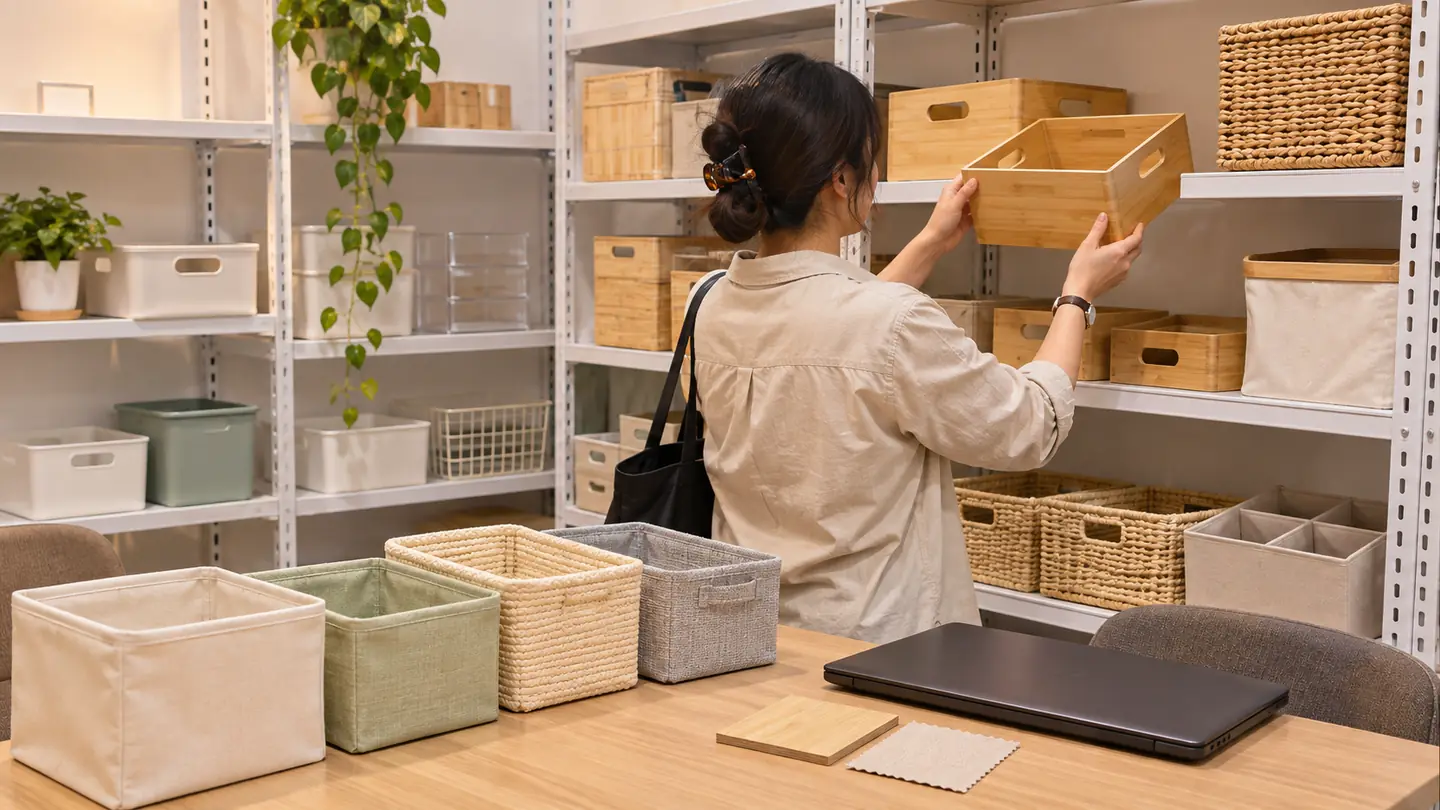
Two websites show the same desk organizer. One lets you ask the seller for a quote. The other shows a unit price and a checkout button. You still need to know who will invoice you, where the goods will be delivered, and which record you can use if the order goes wrong.
Choose Chinese wholesale websites by the next step you need to take. Use a directory or market portal to find sellers, a quote route for an order that needs negotiation, and a platform checkout when its documented terms fit the purchase. Check the seller, payment route and first delivery leg before you commit.
What do Chinese wholesale websites actually do?
Before you compare sellers, decide what you need the website to do. Some routes help you find a shop or contact an exporter. Others let you record an order and pay through the site. A single website can offer both, so judge the route available on the listing you intend to use.
If you already have a product in mind, use the bulk purchasing checklist to define what the order must contain and how you will accept the goods. Then judge each website by how far it takes you toward that purchase. Ask what you can see or keep at the point you would hand the work to someone else.
- A directory or exhibitor page gives you a contact. Ask the supplier for an offer from the entity that will sell the goods.
- An inquiry or request for a quote starts a negotiation. Ask how the resulting terms become an order you can retrieve later.
- A checkout or managed order gives you an order route to examine. Confirm whose name appears on it and which payment instructions belong to it.
- A market portal can help you find a physical shop. Work out whether the shop, an exporter or a buying service will take the order and arrange the next move.
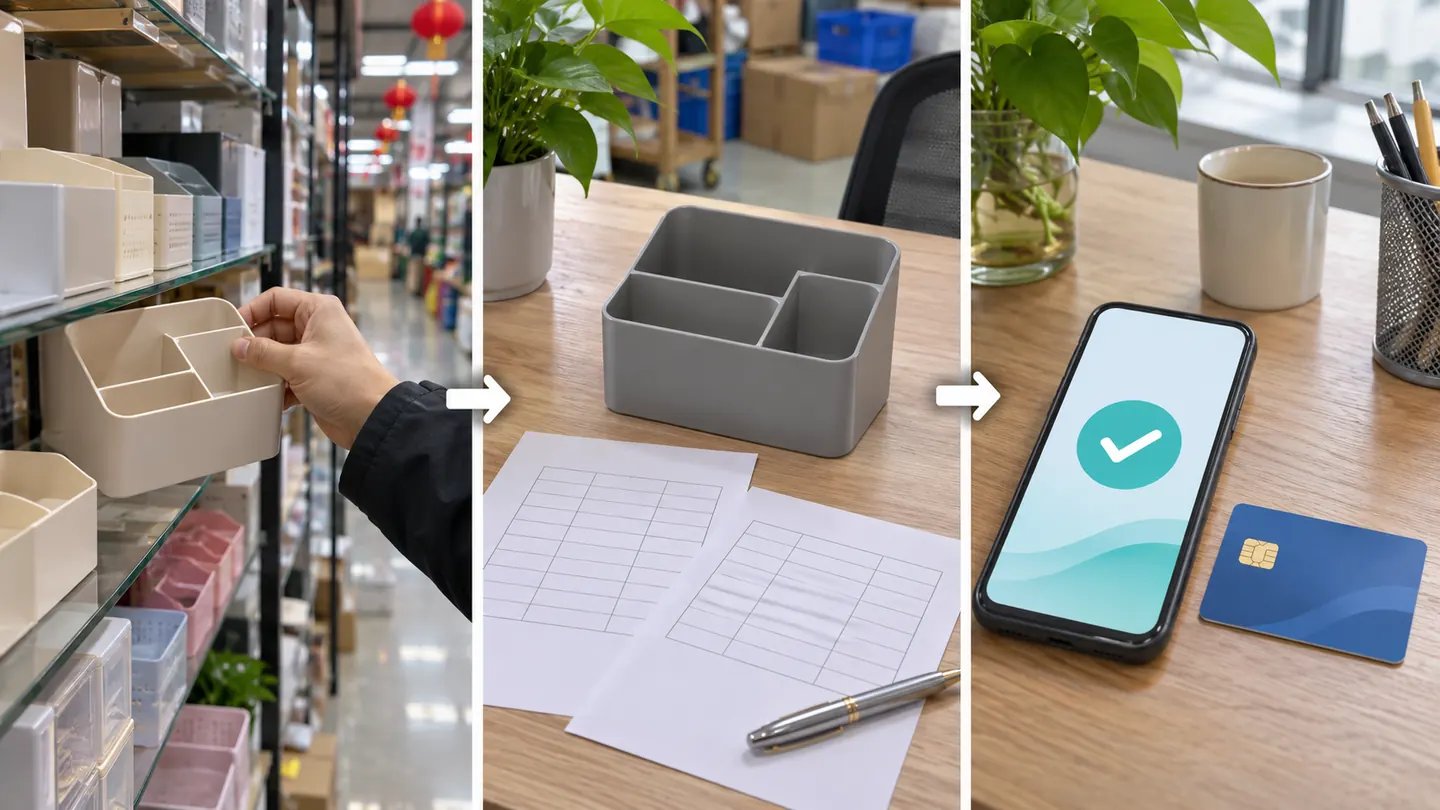
Which websites fit the way you want to buy?
Start with the site whose buying route fits the order you want to place. If you need custom materials or packaging, start with a written request the seller can answer. For small orders of an existing item, first check whether that exact item and quantity can be ordered on the terms shown.
Alibaba.com’s buyer guide describes starting an inquiry through “Contact Supplier” on a product detail page. Its buyer guide explains the steps. Made-in-China.com offers inquiries and a separate Secured Trading Service for online orders. Ask which route the seller proposes before comparing the offers.
Where do you start on each site?
| Site | First action | What to confirm before the next step |
|---|---|---|
| Alibaba.com | Open a product inquiry and send the specification. | Find inquiry messages in My Alibaba’s Message Center. Ask the supplier where the final order will be recorded and how to pay. |
| Made-in-China.com | Send an inquiry or ask whether an eligible order can use Secured Trading Service. | Check Secured Trading Service order status under Transactions → My Online Order. Confirm who issues the payment instructions. |
| Global Sources | Find a supplier or exhibitor and send an inquiry. | If the supplier offers a quote, check the legal seller on it and ask how to record an order. |
| 1688 | Open the listing and check the route available in your account. | Verify the payment option, seller and first delivery address for that order. |
| Chinagoods | Browse by Yiwu Market district and identify the shop carrying the item. | If you buy through that shop, confirm who will invoice you and receive the goods at the first handoff. |
Global Sources describes online supplier inquiries and resources for meeting exporters at trade shows. Its trade show and inquiry help describes the discovery route. Chinagoods organizes product discovery around the districts of Yiwu Market. These starting points can help you choose which seller to approach before you settle how to buy from them.
Who will sell and invoice the goods?
Write down which legal entity will sell and invoice the goods before you pay. Start with the name on the written quote and check what role it will perform. If you spoke with someone through a storefront, ask how that account relates to the business named on the invoice and the party receiving payment.
- Ask the seller to identify the business that will accept the order and invoice the goods. If the payment recipient differs, ask why and record who approved the arrangement.
- If a trader or purchasing agent is involved, clarify which party sells the goods and which party coordinates the work. Ask which document covers each role and any service charge.
- Name who has access to the goods. For example, if you arrange quality checks for the order, confirm who will present the goods, which lot will be checked and who receives the report.
What can a storefront fail to prove?
In May 2024, a U.S. court sentenced a reseller whose companies imported counterfeit networking equipment from suppliers in China and Hong Kong while operating online storefronts. The Justice Department’s sentencing release describes the storefronts and the imported goods. It leaves the upstream buying website unspecified. For a buyer comparing sites, the useful distinction is between finding a shop and establishing where its goods came from.
What order protection does the website offer?
Check protection against the exact order and payment route you plan to use. Alibaba.com’s Trade Assurance guide instructs buyers to agree the order and pay through Alibaba.com. Check the operator’s Trade Assurance guidance against the terms you see on your order. For a closer look at that one route, use the Alibaba Trade Assurance guide.
Made-in-China.com’s buyer guide says payment under its Secured Trading Service goes to Made-in-China.com first. Its buyer FAQ distinguishes that service from sending an inquiry. Before relying on either website’s help with a dispute, locate the order it would review and the conditions that apply to that order.
- Keep the seller’s name, the agreed product version, the promised delivery step and the payment instructions with the order reference.
- Check which problem the terms address and which record you would need to show it. For example, look for the agreed product details if the goods you receive differ from what you ordered.
- If the seller proposes a different way to take payment, ask the platform how that affects your order. Get the answer while you can still choose how to pay.
- Use a supplier badge for the check it describes. Review payment and dispute conditions separately. A business profile, a paid order and evidence about the delivered goods answer different questions.
What can stop you from placing a domestic order?
Confirm account access, payment and the delivery leg for the actual listing before choosing a domestic site. Alibaba Group describes 1688 as a domestic wholesale marketplace. Its operator profile explains that focus. Check what your account can do with the exact product and seller before treating the displayed price as an option you can use.
- Open the product and seller details in the account that will place the order. Verify the chosen variant and whether you can read the offer and confirm changes with the seller.
- Check which payment option appears for the actual order. WorldFirst documents a route for paying through a linked account at 1688 checkout. Use its payment help to check the account setup and verify which option you can use before sending funds.
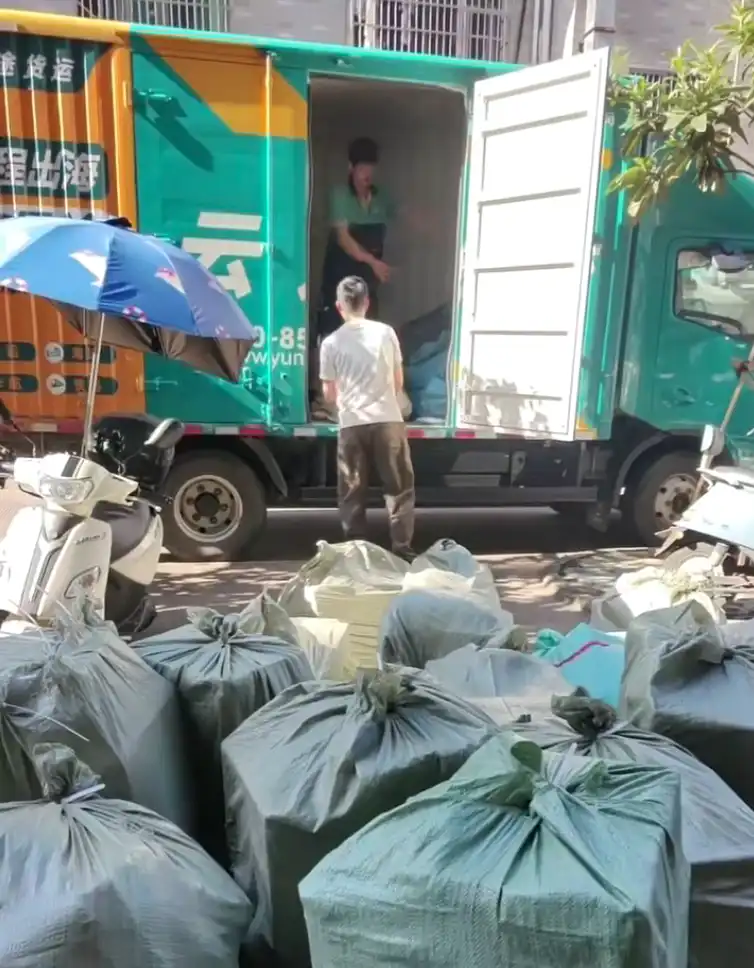
- Confirm the address the seller will deliver to and the person who can accept the parcel. If the goods first go to a warehouse in China, arrange the next leg with the party that will actually take it.
- If an intermediary orders on your behalf, agree which purchase and payment records they will pass back to you and who will follow up with the seller.
The 1688 buying and fulfillment guide covers more of that workflow. For this choice, keep account access, payment and delivery as separate checks. A usable payment option leaves the physical route to be confirmed.
How can you test a channel before committing?
Run the same product request through two plausible routes and compare the order records each can provide. Use the same material, size, variant and quantity in both requests. Ask for enough information to see who takes the order, where the payment goes and who receives the goods first. Keep a missing field open until someone confirms it.
For example, imagine you want one batch of plain desk organizers. On one website, the seller answers your inquiry and shows the draft order with its payment route. On another site, a market shop replies with a quote and a local drop-off point. At that stage, you have two responses and different evidence about what the next step would be.
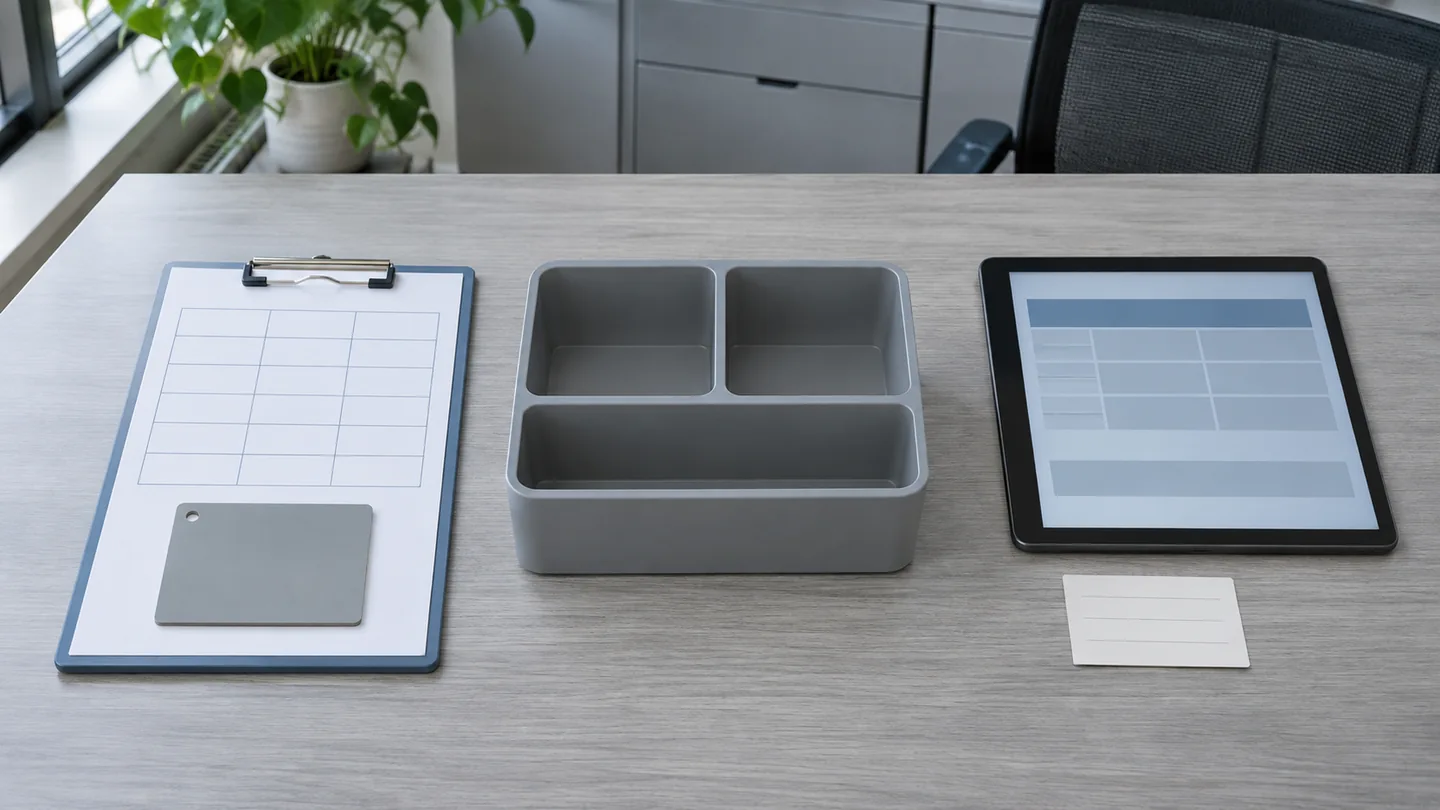
- For the first route, check that the seller’s legal name and the specified organizer appear on the draft order. Ask who will receive the goods at the destination the offer covers.
- For the market route, ask who will accept the order and invoice it. Then name the local recipient and find out how you will obtain the payment and receipt records.
- Record what each seller actually confirmed. If only one route identifies the next recipient, follow up on the other route before judging the two offers as equivalent.
When should you switch to a different buying route?
Switch routes when you cannot establish a seller, a payment record or a workable handoff. Give the current seller a chance to clarify the gap in writing. If the platform lacks the step you need, carry the same product brief to a route that can show it. For example, a directory can still help you find a supplier even when you need a separate way to agree and record the order.
- If you can contact a seller but cannot confirm who would take payment, keep looking for a route with a clear order and payee.
- If a domestic site works up to local delivery, get a named recipient and onward plan before using that route. Compare it with an offer that covers the delivery step you need.
- If you can handle the order but need a local party to follow up, list the work you want done and the records you expect back. Ask who will contact the seller, receive goods or coordinate a check.
When those tasks need a local point of contact, ask about sourcing coordination for that specific purchase. Give the coordinator the product reference and the missing step so you can agree who will handle it.
Conclusion
Pick a wholesale website by what it lets you do next. Find the seller, establish where the order and payment will be recorded, and confirm who takes the goods from there. Compare routes by the steps you can verify.
RuntoDropship is a Private Dropshipping Agent that coordinates sourcing, quality checks and order fulfillment. If your route needs help with a specific step, choose Get a Quote and send our team the product and purchase details. Include the quantity, destination, the site or seller you are considering, and what you still need to confirm.
FAQ
Can I reuse a supplier’s product photos in my store?
Ask who owns the listing photos and get written permission for the use you plan. The U.S. Copyright Office advises contacting the copyright owner for permission. Name the images and where you want to display them. If you cannot confirm who can grant permission, use photos you create or have permission to use.
What if a 1688 product link will not open?
Send the product ID, store name, variant and a dated screenshot alongside the link. Ask the agent to confirm the listing and option they found before they order. If they find a similar listing from a different store, confirm the new seller and specification before authorizing a substitution.
Who handles a return before the goods leave China?
Ask who can request the return and who will send the parcel back before it leaves the warehouse. The account holder and warehouse may handle different steps. Get the return instructions, address, packing requirements and any local handling cost in writing. Keep the receipt or tracking reference after the parcel is collected.
What if a carton exceeds a shipping size limit?
Get the packed dimensions and weight, then ask the onward carrier to confirm acceptance. If the warehouse flags the carton, ask whether the limit applies to its own handling or to the carrier’s service. Ask whether the goods can be repacked safely, then confirm the new measurements and handling cost. If the carton still exceeds the limit, confirm an alternative service before dispatch.
Should I pay again if the order still shows unpaid?
Reconcile the first payment with the provider and platform before you send a second one. Give them the order number, the payment reference, the amount and the time of the attempt. Ask them to confirm whether the original payment is pending, completed or failed. Retry only if they confirm the original payment will not settle.