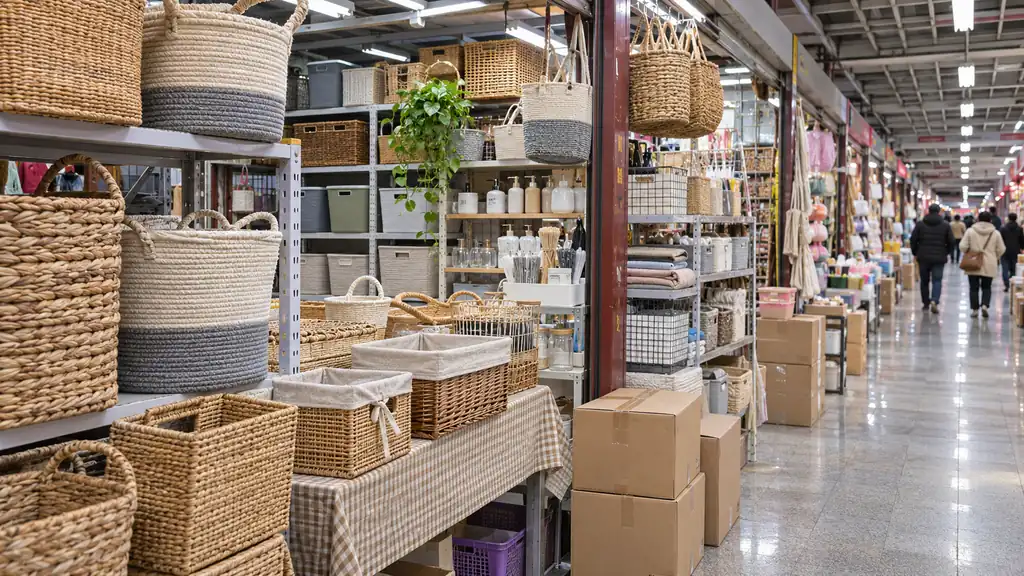
You have two days in China and a product you already sell. The quotes look comparable, but one seller has only sent catalog photos, and the other keeps changing the material description. A search for “china wholesale market in china” gives you plenty of places to go. You still need to know which stop will help you choose a supplier.
Travel when a physical comparison could change what you buy. Pick the city by what you need to handle, test or see side by side. Before paying for the trip, confirm that sellers can show those items and decide what evidence would make the visit worth the time.
What can a wholesale market visit help you decide?
Book a market visit when seeing the goods in person could change what you buy. Comparing fabric weight, checking the finish on a handle or trying a device gives you a reason to walk several stalls with the same product brief. If you have one known seller and one unresolved measurement, an agreed sample sent to you may answer the question sooner.
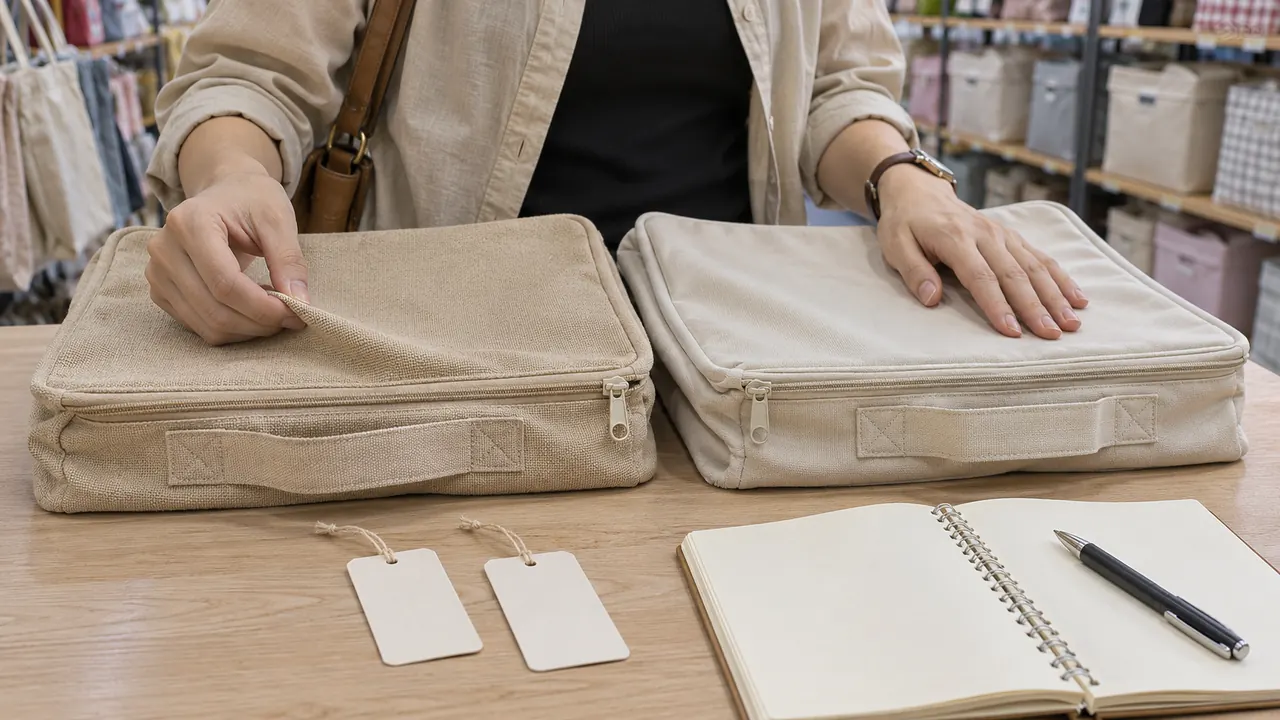
Work out what the photos leave open. If you need to feel how much a handle flexes under load or compare two finishes under the same light, bring one reference and use it at each stop. If the uncertainty is a dimension, a dated photo beside a ruler or a mailed sample may be enough to decide.
What do you want to bring back?
Choose a visit objective you can check before the day ends. For a storage product, it might be finding two offers for the same dimensions and seam finish, each tied to an identifiable seller. Take an approved reference piece if you have one and decide which differences you can accept. A pile of business cards is useful only if you can tell which seller offered which product.
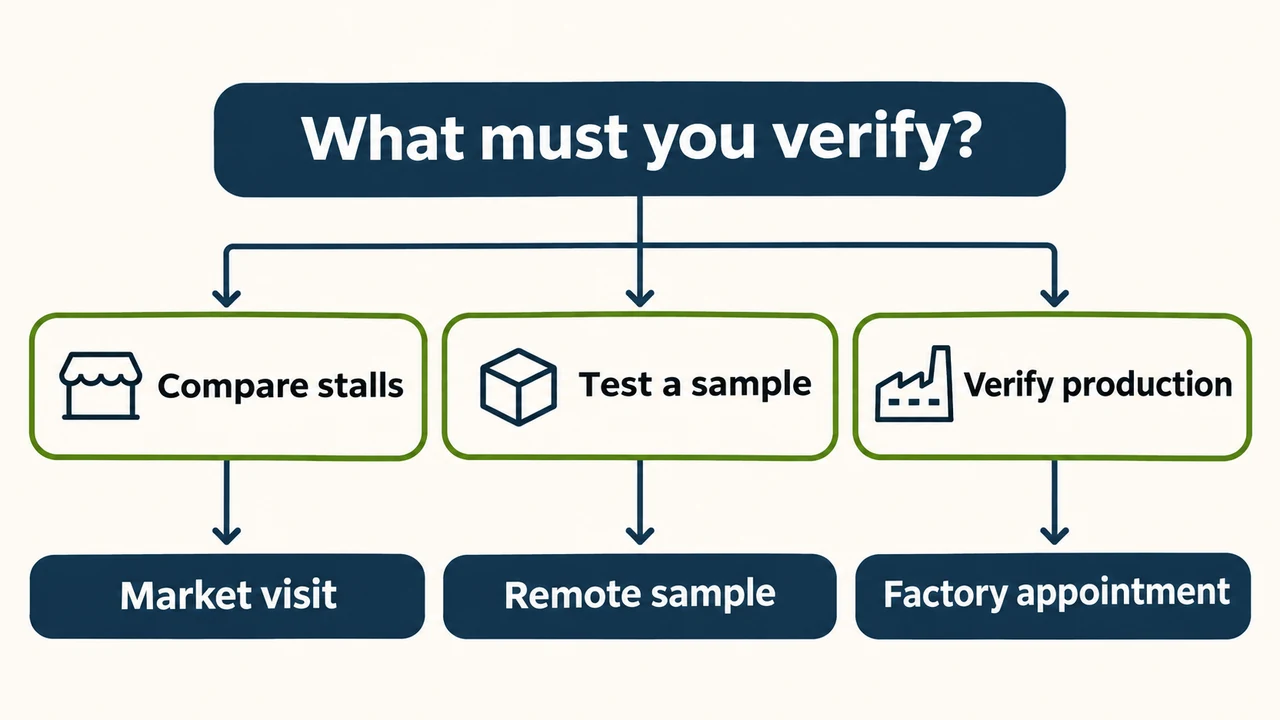
Which wholesale market in China fits your product?
Start with the market that fits the product and what you need to check. A buyer comparing finished accessories needs access to several comparable items. A buyer who needs a custom textile may get further with fabric swatches and specifications before choosing who will make the finished product.
| Where to start | What you can look for | What to check at the venue |
|---|---|---|
| Yiwu International Trade City, Zhejiang | Yiwugo lists artificial flowers and toys in District 1 of Yiwu International Trade City. | Compare the same item in two stalls and ask which versions can be supplied again. |
| Guangzhou, Guangdong | Guangzhou has specialized wholesale markets for products such as textiles and leather goods. | Confirm the building handles the exact fabric, trim or finished item you need. |
| Huaqiangbei, Shenzhen | Huaqiangbei in Shenzhen includes specialized venues such as SEG Electronics Market. | Bring the model number and test the specific feature your customers need. |
| Keqiao, Shaoxing | China Textile City is a textile market in Shaoxing’s Keqiao district. | Label swatches by seller and ask which composition and finish can be ordered again. |
| Lecong, Foshan | The Louvre International Furnishing Exhibition Center is in Lecong, Foshan. | Look at construction and finish in person. Ask for the carton specifications before comparing transport. |
Use these examples to choose a first stop. A category listing helps you find the right aisle. The seller still has to confirm the item, quantity and supply terms for your order.
What can you learn from a live demonstration?
In 2026, Indian businessman Mall Kaoyou tried on AI glasses in Huaqiangbei and asked about specifications and pricing. The report carried by Shenzhen’s government describes the demonstration and his questions. When buying electronics, record the exact model and the feature demonstrated, so a later sample request refers to the same item.
How do you choose between two plausible cities?
Choose the city that can settle the part of the purchase you still have to decide. Two cities can both trade in textiles while offering very different opportunities for a buyer with one day free. Compare what you need to examine with what you can confirm will be available during the visit.
What would change your first stop?
- Guangzhou or Keqiao. Start in Guangzhou if you want to compare finished garment options alongside fabric or trims for an existing line. Start with Keqiao when fabric is the purchase itself and you need to compare swatches and finishes from textile sellers before discussing garment production.
- Yiwu or Shenzhen. Start in Yiwu when your list spans several small-goods categories and you need to see how the same item varies across stalls. Start with Shenzhen when a specific electronics feature needs a demonstration on the actual device you might buy.
- Yiwu or Foshan. A small accessory and a finished piece of furniture can both be on a retailer’s list. For a cabinet or table, a Foshan appointment can let you inspect joints, drawer action and finish. If the accessory can be sampled by mail, give the visit time to the item you cannot assess that way.
Suppose you are replacing the fabric on a shirt you already sell. If the pattern and maker are settled and the fabric is the open decision, take the original swatch to the textile sellers on your shortlist. If the cut and construction are also open, reserve time to compare complete garments and handle the fabric in the context of the finished piece.
When does a market, trade fair or factory visit fit?
Choose a standing market when your question is about comparing goods that sellers can put in front of you. Choose a fair when the right exhibitors will be there and you want several meetings in one session. Plan a separate factory appointment if the decision depends on a production process, tooling or a finish the stall cannot show you being made.
The Canton Fair takes place in Guangzhou in spring and autumn. Before setting dates around it, check which exhibitors or product categories are relevant to your buying brief. Then decide whether the fair meetings answer your question or whether you need a separate stop to handle the goods.
Which question belongs at which stop?
- Take a stock assortment or a fit question to a market stall that can show the variants you want to compare.
- Bring a shortlist of companies and a meeting agenda to the relevant fair session.
- Take a question about who controls tooling, production changes or finish consistency to the facility that performs that work.
A seller may run the showroom and arrange production elsewhere. Ask who can demonstrate the process and where it takes place before setting aside a day for that appointment.
What should you confirm before booking a visit?
Confirm the building, district, booth and appointment before you travel. Some markets have several named buildings or sections. Save the Chinese venue name and address alongside the booth number, then ask the seller to confirm the location in writing. Yiwugo lists market districts online, so you can start a shortlist before visiting.
Send a short brief with the item, acceptable materials, your quantity range and the selling market. Say whether you want a stocked item, a modified version or a product that needs fresh tooling. Ask who will meet you and whether that person can speak for the exact item, price basis and repeat-order conditions. If a contact can show a piece but needs someone else to answer production questions, put that second conversation on the calendar.
How do you plan the day?
Set aside time to compare a second stall, revisit your strongest candidate and check one missing detail. Give each appointment a specific question to resolve. If no one can confirm they will have the sample you need to see, get the seller to send a current photo or arrange a sample first.
CGTN’s visit to Yiwu gives a sense of the venue you’ll be navigating. Use the operator’s directory to narrow your own route before you go.
When do you need local follow-up?
For buyers who need local help before or after the visit, China sourcing support can help coordinate a defined task such as shortlisting suppliers or following up on a sample. Share what you already know and the exact question the local contact needs to resolve.
When is a second city worth adding to the trip?
Add a second city when it can answer a separate question that affects the purchase. Start with one city if two sellers there can show comparable options. A second destination has a purpose if, for example, the first stop confirms the item fits your range and the second lets you examine the material you would use in your own version.
Check what travel would displace. An extra city might cost you the return visit where you would see a second size or compare a replacement swatch. Put that return visit on the itinerary first if it could settle the decision.
What should you decide before adding another stop?
- Write down the item or decision that the second city could resolve.
- Confirm the relevant seller and whether you can see the item during your visit.
- Ask whether a sample from that stop could reach you or a local contact in time to make the same decision.
If the only available stop is a general showroom and your comparison depends on a specific model, ask for evidence before booking transport. Save the second appointment for the supplier who can answer the open question.
What should you record if a visit leads to an order?
Keep one record that connects the booth, actual seller, sample, written offer and delivery plan. Use it to decide whether you can order or should leave with a sample and confirm the remaining details later. Name the receiver and the person who can release the goods before you pay.
What goes in the purchase record?
- Seller and payment. Record the venue, stall, seller’s business name, invoice name, payee, amount and payment reference. Resolve any discrepancy before paying and keep the acknowledgment against the order.
- Sample and offer. Give the item a reference and record the seller’s variant, material or model, quantity basis, currency and packaging. Attach the checked specification to the written offer.
- Repeat supply. Ask whether the quote covers existing stock or another run. Record the approved specification, ask what could change and require written approval of any substitute that affects the item you sell.
- Receiving and release. Give the domestic receiver the seller, carton marks, expected counts and approved sample reference. Keep each lot identifiable, record counts and condition, and name who can hold or release a mismatch.
If a term is unclear, use the booth and sample references to confirm supplier details in writing. A visit can end with a sample while you confirm one of these fields. Once they are clear, use the bulk purchasing checklist for quotes, payment and acceptance to prepare the order.
How do inspection and release work?
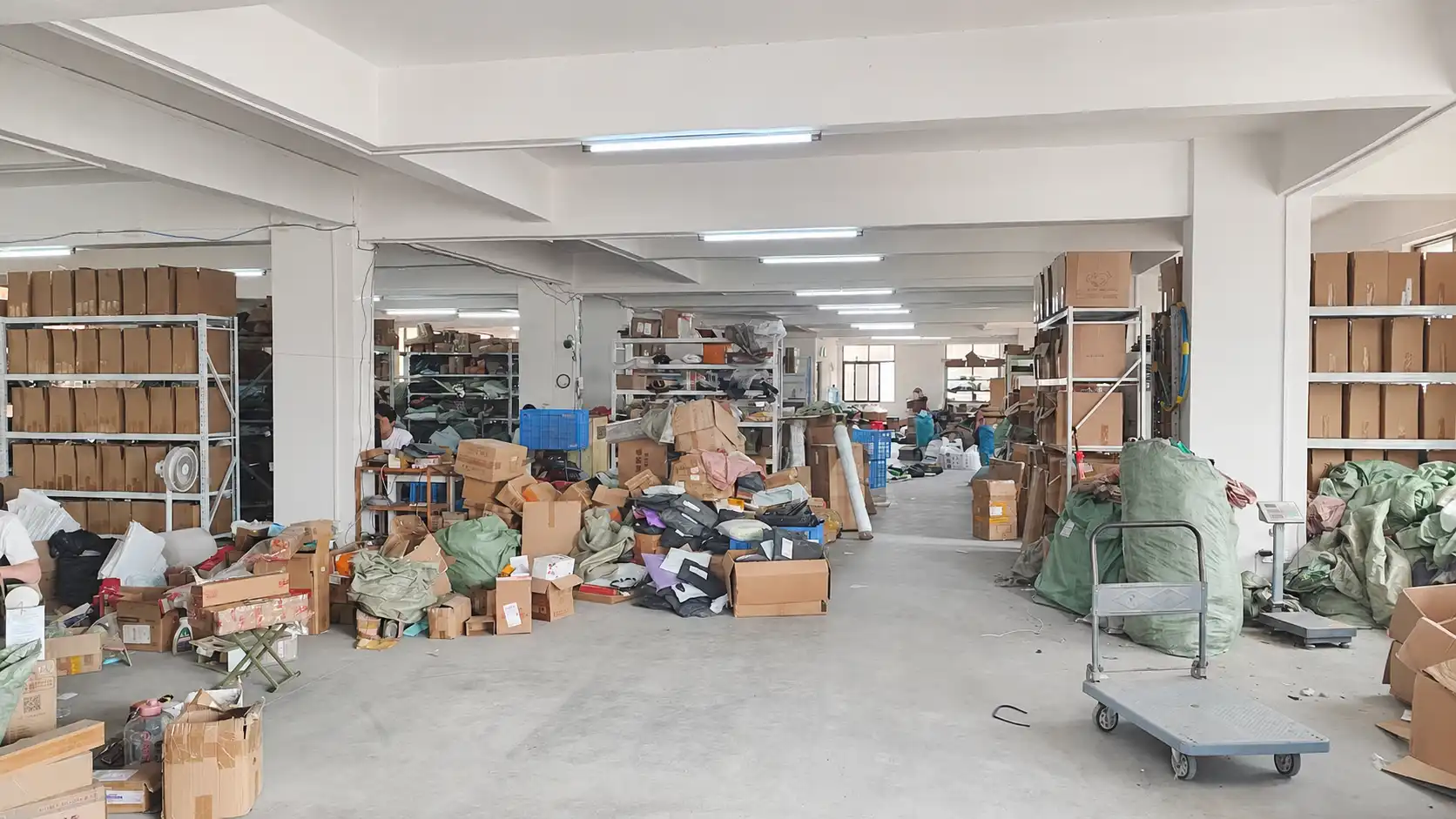
Agree what the inspection covers and what the receiver should do with a mismatch. A carton count answers a different question from checking the measurements, workmanship or function of the items inside. For a defined check against the approved sample, discuss the scope with a quality control team. When the lots are ready to move, confirm the pickup terms with the forwarder handling the shipment from China to the US.
Conclusion
Go when you have a buying question that an in-person comparison can settle. Choose the city by the product and the evidence you need, confirm a worthwhile first appointment, and keep enough time to compare the strongest alternatives. If you order, use one record for the seller, sample and receiving arrangements.
RuntoDropship is a Private Dropshipping Agent that coordinates sourcing, quality checks and order fulfillment. If you have a product in mind and need help with a specific part of the purchase, choose Get a Quote on our site. Send the product, quantity and destination, plus the market or seller you’re considering and what you still need to confirm.
FAQ
Do wholesale markets close for holidays?
Check the venue’s notice and ask the stall to confirm its own reopening day. The Yiwu International Trade Market reopened on February 28 in 2026. Use that as an example of a dated reopening announcement. The dates to confirm are the ones for your trip, especially around Lunar New Year.
Can you shop retail at Yiwu International Trade City?
Some merchants at Yiwu International Trade City sell individual items. Ask the shop whether it sells at retail and get the price for the single item.
What if your Canton Fair invitation is unavailable?
The Canton Fair organizer lists the overseas buyer badge and the invitation as separate application steps. Check whether either application is pending in the current Buyer Service System and ask the organizer if the next step is unclear. For entry to China, check the requirements that apply to you with the relevant authority.
When is it worth hiring an interpreter?
Hire live language help when a technical specification, substitution or negotiation could change the terms and you cannot confirm it in a shared language. Tell the interpreter which conversation they need to cover. Ask for the agreed technical details in writing afterward, especially if another person will check the goods.
Where is the largest wholesale market in China?
Zhejiang’s 2026 reopening report described Yiwu as the world’s largest wholesale market for small commodities. The market is in Yiwu, Zhejiang. That description covers the small-commodity venue. If your purchase requires a specialized product, use the relevant category and supplier evidence to choose where to go.