
A shop asks for six cases of a product that already sells on your website. Quoting a lower price feels easy until the order takes most of the stock you need for weekend sales. Before you reply, calculate what the trade order earns and how many bottles you can promise.
To compare retail vs wholesale, start with who buys and why. Retail serves the final consumer. Wholesale serves businesses that buy goods for resale or business use. The order size and unit price often change, along with who pays for delivery, handles returns, and carries the stock. Compare those commitments before choosing how to sell the next batch.
What makes a sale retail or wholesale?
A retail sale serves a buyer purchasing for final use, including someone buying a gift. A wholesale sale serves a business buyer on trade terms, often a store buying stock to resell. The U.S. Census Bureau’s wholesale trade FAQ also includes buyers such as farmers and government agencies, whose purchases may serve their own operations. The same business can make retail and wholesale sales.
The order size can point you in the wrong direction. For more on trade terms, start with how a wholesale order works, then check what your own buyer is purchasing and on whose account.
Can the same seller do both transactions?
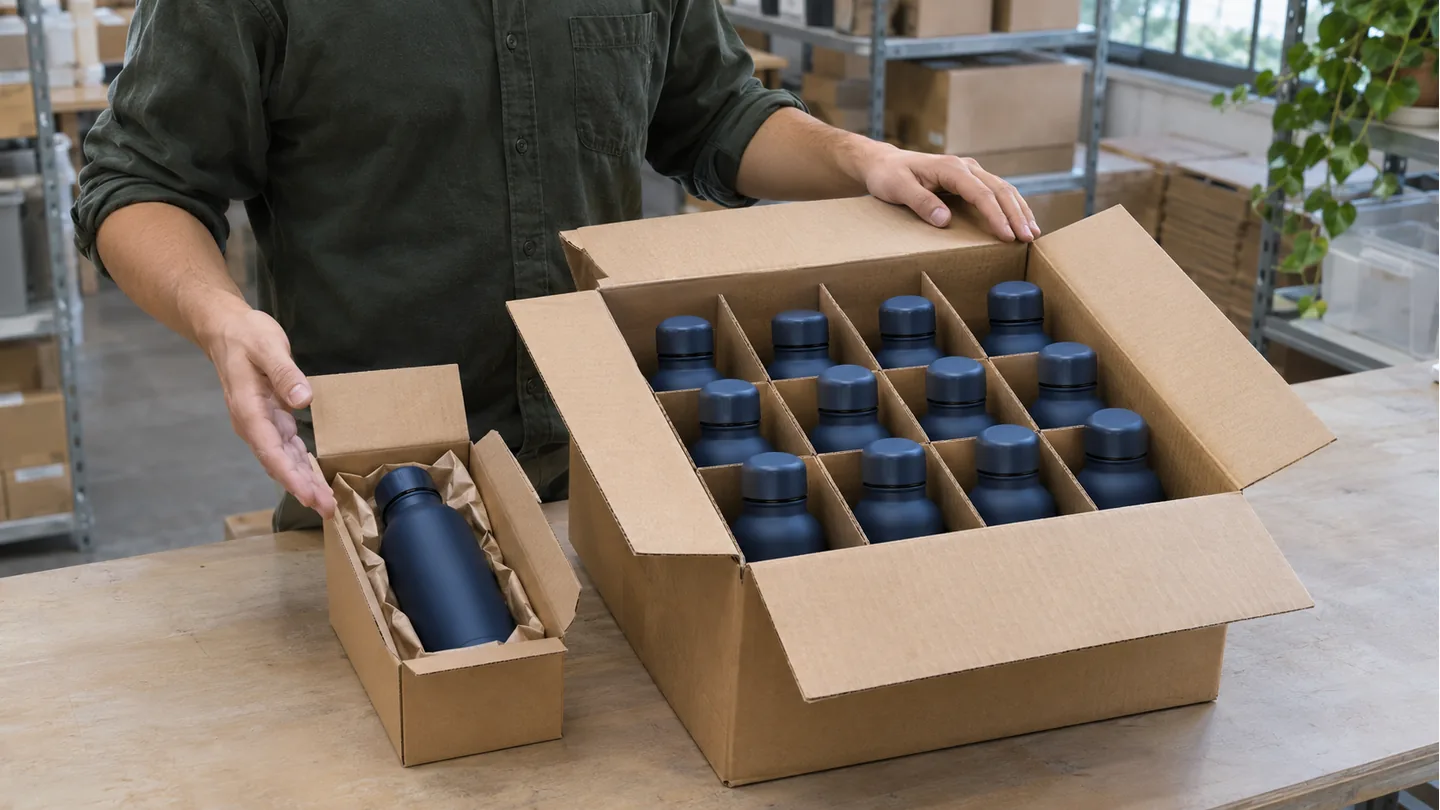
Suppose you sell insulated bottles. A hiker orders one from your website. A gift shop buys a case on a trade quote so it can sell bottles individually. Those are two sales of the same product, with different buyers and terms.
- A large retail order. A parent buys 24 bottles through your public store for a team party. The shopper uses the public checkout, pays the retail price after any discount, and gets your usual consumer order support.
- A small wholesale order. A shop buys 12 bottles on an approved trade quote to stock a shelf. The order follows the agreed wholesale price, case quantity, and delivery requirements.
- A business-use purchase. A gym operator requests a trade quote for bottles used in its own facilities. Ask whether the buyer wants a business supply agreement or the ordinary consumer offer.
Key takeaway. Check the buyer’s purpose and which offer they accepted before picking a price list or promising stock.
How do order units and inventory differ?
Retail usually commits individual saleable units. A wholesale order may commit complete cases or multiples named in the quote. Those quantities must come out of the same underlying count when the channels share stock. Set the conversion before you set the available quantity.
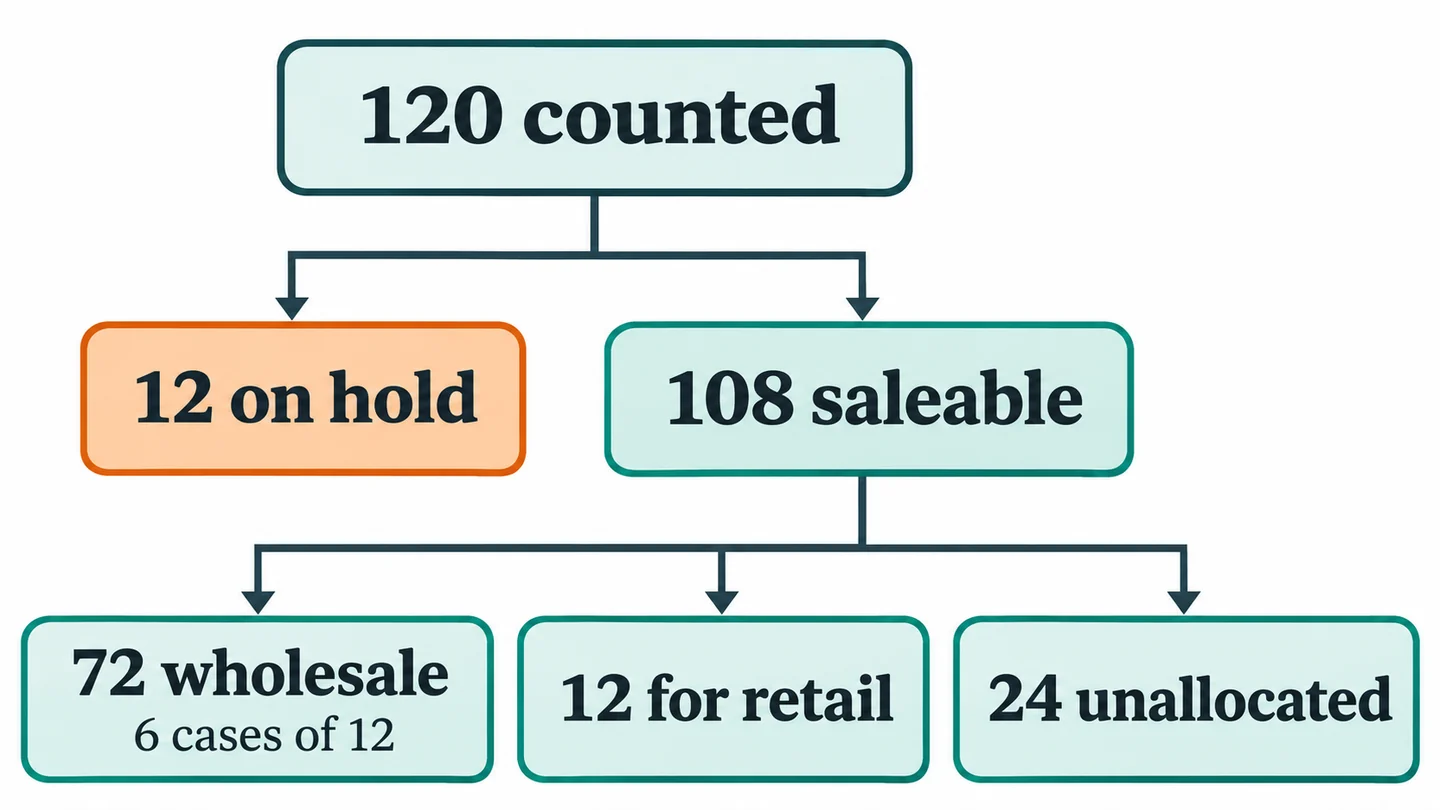
Your warehouse counts 120 bottles, including 12 with damaged packaging that are on hold. The gift shop’s six cases contain 12 bottles each. Accepting the order takes 72 of the 108 saleable bottles out of the uncommitted pool. You have 36 left to allocate.
What happens when both orders use the same stock?
The difficult moment comes between agreeing to ship and picking the cases. Suppose you set aside 12 of the remaining bottles for retail. The site can offer those 12 after the reservation is reflected in stock, and 24 stay unallocated. If you release some of those 24 to retail later, change the allocation and the online quantity together.
- Record one case as 12 bottles on the quote, purchase order, and warehouse pick list.
- Match the reservation to the saleable SKU and variant. A case of blue bottles cannot be filled with black bottles without the buyer’s approval.
- Set an expiry time on stock held for a tentative quote. Once the order is accepted, keep the units reserved until shipment or an authorized cancellation.
- Compare the pick count with the committed quantity. Fix any short count before telling the buyer that all six cases will ship.
Key takeaway. Convert cases into individual units, then reserve those units in the same stock record you use to calculate online availability.
How do wholesale and retail prices compare?
Compare wholesale and retail prices by what you earn per unit after channel costs. The retail list price may be higher, but you still pay for selling and delivering individual orders. A workable wholesale price gives the retailer room to cover its costs. Cases may also mean fewer shipments per unit for you.
Here is a hypothetical comparison for the same bottle, with one bottle per consumer parcel and a full case on the trade side. The $10 landed product cost is the same. The consumer store discounts the $32 list price by $3. The wholesale quote is $18 per bottle, with no discount in this example.
What does the same product actually earn?
The price gap is only a starting point. Put packaging, delivery, and fees on the same per-bottle basis. Use a reasonable allowance for costs you expect but have yet to incur, then replace the estimates with actual figures when the orders settle.
- Put freight paid by the seller on the relevant order and divide it by the units actually shipped.
- Use the price paid after discounts, including recurring offers, when comparing sales to shoppers.
- Include costs such as payment fees, damaged-shipment allowances, and consumer acquisition only where they apply.
| Amount per bottle | Wholesale case order | Retail parcel |
|---|---|---|
| Price after discounts | $18.00 | $29.00 |
| Landed product cost | $10.00 | $10.00 |
| Packing and seller-paid shipping | $1.00 | $6.00 |
| Payment fees and expected claims or returns | $0.50 | $3.00 |
| Consumer acquisition cost | $0.00 | $5.00 |
| Contribution before fixed costs | $6.50 | $5.00 |
If retail acquisition cost falls from $5 to $3, retail contribution rises to $7 per bottle and passes the trade figure. Cash may still come in at a different time, especially if the shop pays on an invoice. Key takeaway. Write both offers on the same per-unit cost basis, then change the least certain assumption to see whether it could change your choice.
Who handles payment, delivery, and returns?
The shopper pays the retailer, which normally handles checkout and the first support request. The trade buyer pays the wholesaler under their order terms and usually serves its own customers when it resells the goods. Each seller directs its own fulfillment team or partner to pick the parcel units or trade cases. Check which party pays freight and handles shortages or damaged cartons.
Write down the payment terms before you give the warehouse a dispatch date. Shopify’s B2B payment terms documentation distinguishes a deposit from the balance due on terms. On your own order, check the event that starts the clock and record an actual due date. Tell the warehouse whether dispatch follows acceptance, deposit, or full payment.
Who receives the first call when something goes wrong?
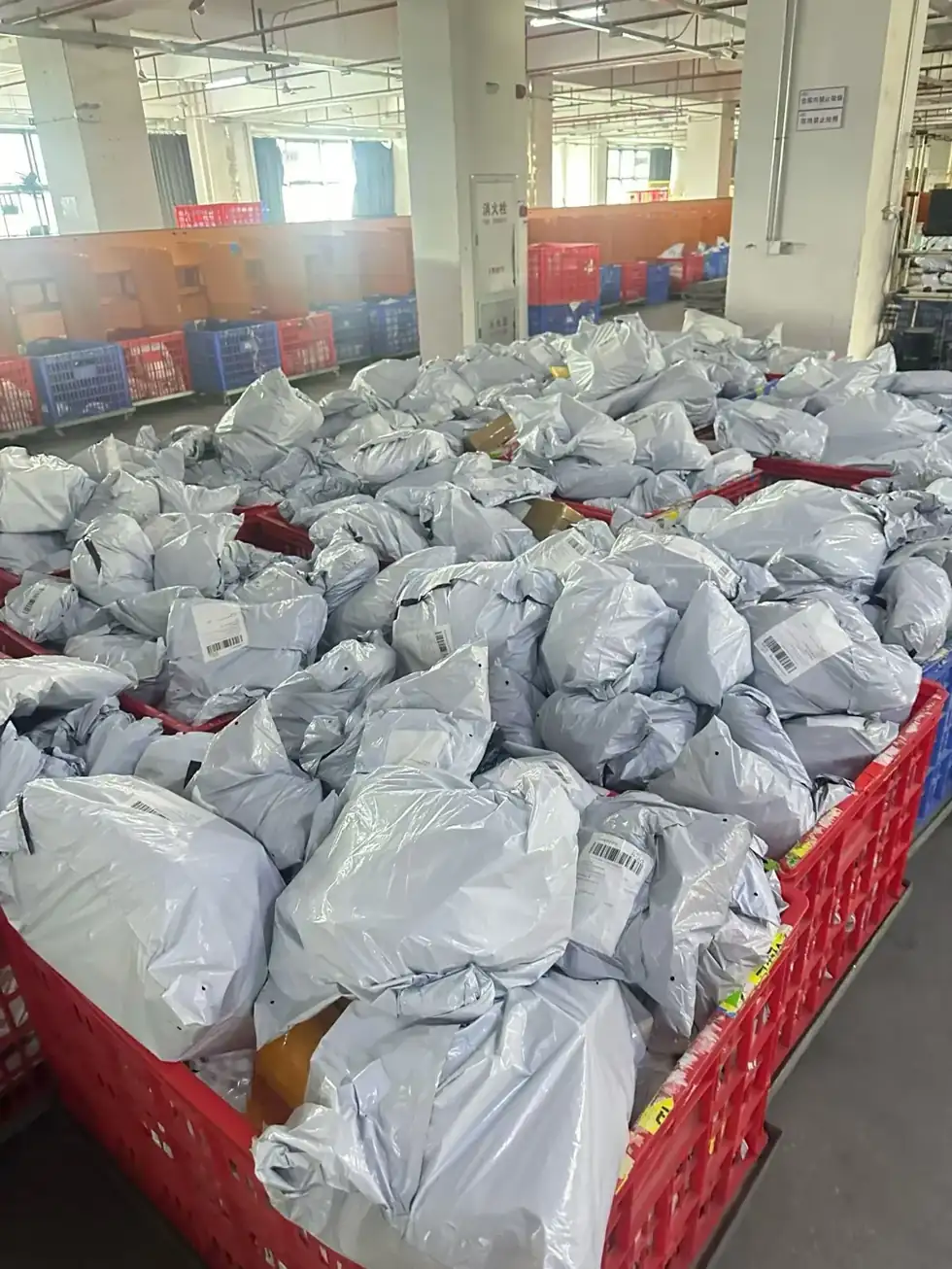
Suppose the shop reports one crushed case. Your trade agreement should tell both sides when and how the shop reports damage, what evidence it needs, and who handles the freight claim or credit. A single bottle damaged in a consumer parcel follows the consumer order’s support process.
- Payment. Confirm invoice recipient, payment schedule, any required deposit, and who verifies it before release.
- Delivery. Put the delivery address, seller- or buyer-paid freight, receiving window, and carrier contact on the correct order.
- After delivery. Agree on the first point of contact, what evidence to save, and whether the next action is a replacement, a credit, or a carrier claim.
Key takeaway. Send fulfillment the approved details and the named person who can resolve a problem while the shipment is still in your control.
Which channel suits your next batch?
Start with the channel whose demand you can test and whose costs you can cover. A retail pilot can show what shoppers will pay and how reliably you can deliver one order at a time. A wholesale pilot can show whether shops will reorder and pay on the agreed schedule. Base your first allocation on the working cash you can commit.
If shoppers already buy your bottles through your site, use actual delivery fees, discounts, and return costs to decide whether a second batch is justified. If one shop is asking for cases, quote one variant and one delivery date you can cover from stock. A reorder at terms you can still afford tells you more than a big first inquiry.
What would a first pilot tell you?
Consider who will perform the fulfillment work before you offer a service level. A store can sell retail while a supplier ships each parcel, but the store’s relationship with the shopper remains a retail sale. This comparison of dropshipping and wholesale covers the separate choice of who holds stock and dispatches it.
- Test retail first if you have shopper traffic and a way to measure orders, discounts, outbound costs, and support time.
- Test wholesale first if a shop can place a small trade order and you can pay for stock while waiting for its invoice to settle.
- Pause the pilot if either channel consumes stock you have already promised or leaves too little cash for replacement units and upcoming bills.
Key takeaway. Decide what will count as a good result before the test. Compare paid orders, contribution, and reorders at the terms you actually offered.
Can one business sell retail and wholesale?
One business can do both when it tracks the orders, prices, stock, and receivables for each channel. A shop buying your case needs stable commercial terms, while consumers can see your advertised price change from day to day. Run each promotion against the shop’s likely selling price before you launch it.
The first conflict may appear on a price tag. If your website runs a deep sale on the exact item a shop has just stocked, the shop may struggle to sell it at the price it used when placing the order. Check the effective consumer price, including recurring codes, against what your trade buyer paid to put the product on the shelf.
What does running both channels look like?
YETI offers a public example. Its full-year 2025 results report approximately $1.128 billion in direct-to-consumer net sales and $740.7 million in wholesale net sales. The company’s annual report identifies retail partners on the wholesale side. These are YETI’s reporting categories, and its direct channel includes corporate sales.
- Keep public and trade prices distinct, including automatic discounts and subscriptions.
- Choose who can release a trade reservation before a campaign increases demand for the same stock.
- Flag repeat promotions that leave a partner with little room to cover its costs. Ask whether dates, assortment, or pack sizes should differ by channel.
Key takeaway. Compare the trade buyer’s delivered unit cost and your actual public offer before launching a promotion on shared stock.
What should you record before accepting an order?
Record the approved price, order unit, reserved quantity, payment date, delivery plan, and contact for problems. A buyer’s email can be enough to start the conversation. Release stock only at the trigger you and the buyer have agreed to, then hand that same version of the order to the people shipping it.
Send the same order confirmation to the buyer and the team that will ship it. Use the confirmed product and packaging specification for sourcing and receiving. If that specification changes, give the warehouse and buyer a revised copy before anyone substitutes a variant or adds a fee.
Which details go in the handoff?
If you need help checking upstream availability or packing details for a confirmed batch, a China sourcing agent can help coordinate with the supplier. Share the agreed quantities, packaging, and delivery requirements so the agent can identify what remains to be confirmed.
- Item line. Record SKU and variant, case size, number of cases, and total eaches.
- Stock record. Confirm reserved units, inventory location, and date the goods can be picked.
- Acceptance. Share the accepted version, price basis, due date, address, dispatch trigger, and contact for exceptions.
Key takeaway. Put corrections in the accepted order record, where the buyer, warehouse, and accounting team can check them.
Conclusion
Before choosing retail or wholesale for the next batch, identify the buyer, count the units you can commit, and compare what each route earns after its own costs. Then confirm payment and shipping responsibilities. A higher price or a larger order can only tell you part of what the sale is worth.
RuntoDropship is a private dropshipping agent that coordinates sourcing and physical order fulfillment for ecommerce sellers. We work from the items, quantities, and handoffs your orders require. If you have a batch to source or fulfill, send RuntoDropship your order details so our team can review your stock, packing, and dispatch needs with you.
FAQ
How does retail arbitrage differ from buying wholesale?
Retail arbitrage means purchasing through a retail offer and reselling those goods. The source transaction follows the retailer’s ordinary terms. Before buying, check whether your resale channel accepts the product and whether it requires proof of supply you can actually provide.
What belongs on a wholesale line sheet?
Give a prospective stockist a short product list with current photos, available variants, and trade contact details. Add the effective date and a clear way to request a quote. An updated line sheet helps the shop shortlist products before it asks for specific quantities.
How does consignment differ from a wholesale purchase?
Under a typical consignment arrangement, the shop pays the supplier after an item sells. In an ordinary wholesale purchase, the shop agrees to buy the stock on the agreed due date. Confirm who counts consigned units, when the shop settles sales, and how it returns unsold goods.
Can a wholesale buyer ask for local exclusivity?
Yes. If you are considering the request, write down the territory, products, affected channels, and review date before agreeing. Check existing commitments and decide how both sides would know whether the arrangement is working.
Which photos should I send a new retail stockist?
Send a small set of current front, detail, and packaging images for the exact products the shop will carry. Include variant names in the filenames and state which images the shop can use on its website, on marketplaces, or in ads. Give the shop a contact for updated files when the product changes.