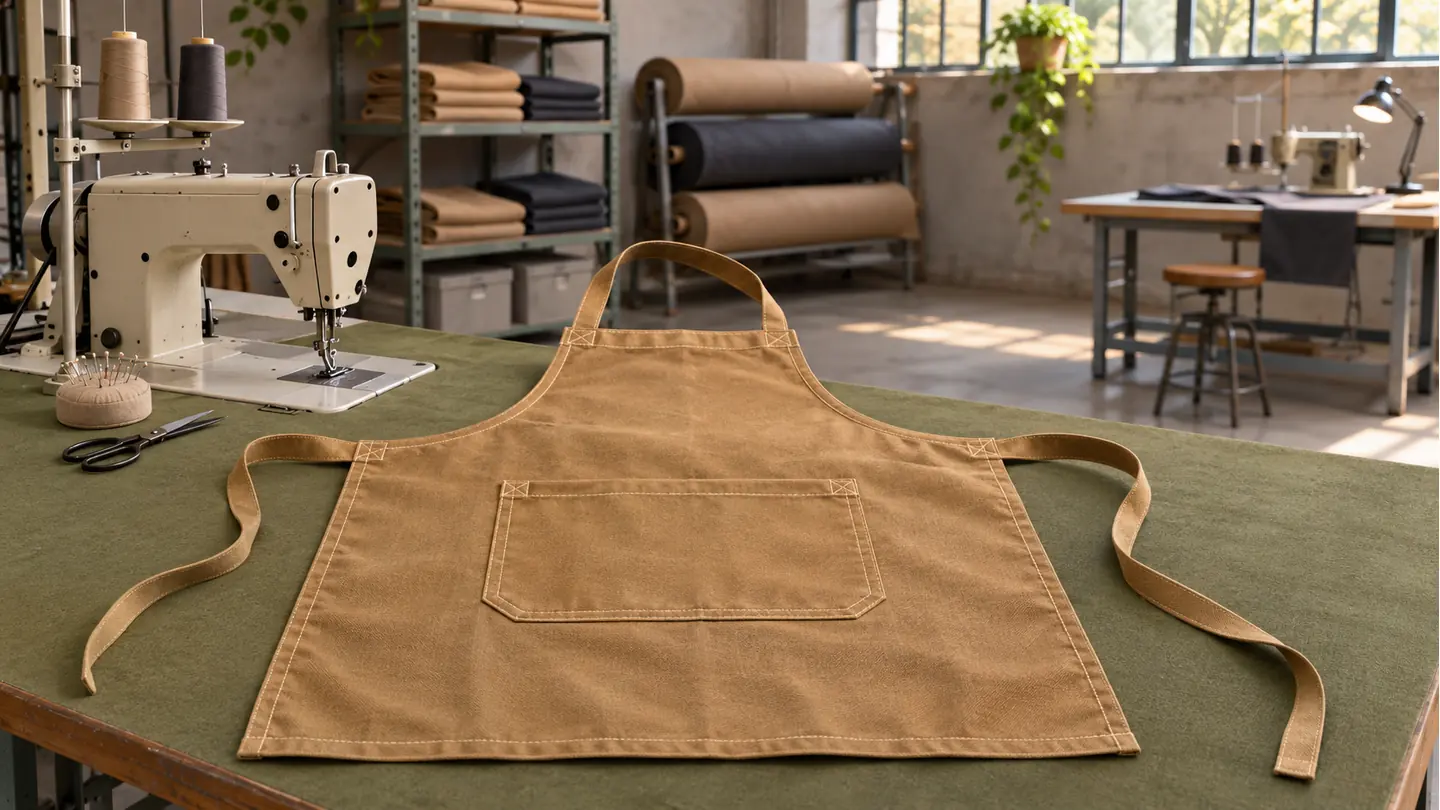
Two companies quote the same canvas apron, and both claim to make it. One will take your order under its own name and send the sewing to another factory. To compare manufacturer vs supplier, find out which company makes the apron and which company stands behind the purchase. Otherwise, a quality problem can land with a business that has little power to fix it.
A manufacturer makes a product by turning materials or components into a new item. A supplier provides the product under your purchase terms. One company can perform both roles. For each order, record the production site, the seller accepting the order, and the people who can approve changes and deal with a failed batch.
What separates a manufacturer from a supplier?
The manufacturer does the production work, and the supplier provides the goods for your order. The U.S. Census Bureau’s description of manufacturing focuses on transforming materials or components into a product. In an apron order, cutting fabric and sewing it into the finished apron are production work. A business can sell that apron without operating the sewing line.
You can start with the goods the seller agrees to supply. Review how a wholesale order works for the transaction basics, then ask which part of the work this seller does. A quote that promises finished aprons tells you what the seller will deliver. You may still need to verify the production site.
Can the same company fill both roles?
Yes. A factory can make aprons and accept your purchase order directly. A trading company can also accept the order and pay an independent factory to make them. The factory can have a separate fabric supplier for its own order.
- Factory selling direct. Confirm that the quoting company both accepts the order and operates the named sewing site.
- Supplier buying finished goods. Ask for the production partner for that item and the supplier’s process for fixing order problems.
- Component supplier. Record the fabric mill or trim maker separately when its material or location is part of the specification.
Key takeaway. Check who makes the item and who will accept the purchase order for it.
Where do vendors, wholesalers, and distributors fit?
Those labels describe the sales route or relationship around the product. Wholesalers sell merchandise to businesses and other organizational buyers. A distributor may offer a manufacturer’s product line and support it through a defined channel or territory. Your purchasing system may call any business you buy from a vendor.
Read the seller’s commitments on the quote. A wholesale seller might stock aprons from several makers, and a distributor might have permission to sell one manufacturer’s range. The seller’s written offer tells you what it will do on this order. Confirm any warranty or authorization before you rely on it.
Which promises depend on the deal?
Use the role name to decide what to ask for. If a distributor offers branded stock, request confirmation covering the product family and your intended sales channel. If a wholesaler offers mixed ready-made goods, check which items it can supply together and which maker stands behind each.
- Ask a distributor to confirm product coverage, sales territory, support contact, and any limits relevant to your order.
- Check with the wholesaler on two points: stock for the exact variant and whether it accepts returns for a defect.
- Ask an agent whether it coordinates the transaction or will be the seller on your quote. This comparison of dropshipping agents and suppliers explains how those services can differ.
Key takeaway. Verify the promise you need from each party, such as permission to resell, access to stock, or a route for a claim.
Who makes and sells your specific product?
Write down the company accepting the order, the facility doing the work, and any separate parties that perform important steps. For a hypothetical apron order, a trading company invoices you, a sewing plant cuts and assembles the aprons, and a separate shop prints the design. A warehouse then packs the approved lot for dispatch.
Put the exact model or order revision next to those names. A factory tour or a profile page can tell you something about the site. Tie that site to your product and the work it will perform in the order record.
How can one order involve two different suppliers?
Deckers says independent manufacturers make its finished goods. Most raw materials and components used by those manufacturers come from suppliers Deckers designates. Its fiscal 2026 annual filing records those as separate roles in its supply chain. Use that distinction to ask who makes the finished piece and who provides a defined material.
- Record the seller named on the quote and the purchase acknowledgment.
- For assembly and any outside process that could change the result, record the production site.
- Record the dispatch point and the party who confirms which lot is ready to leave.
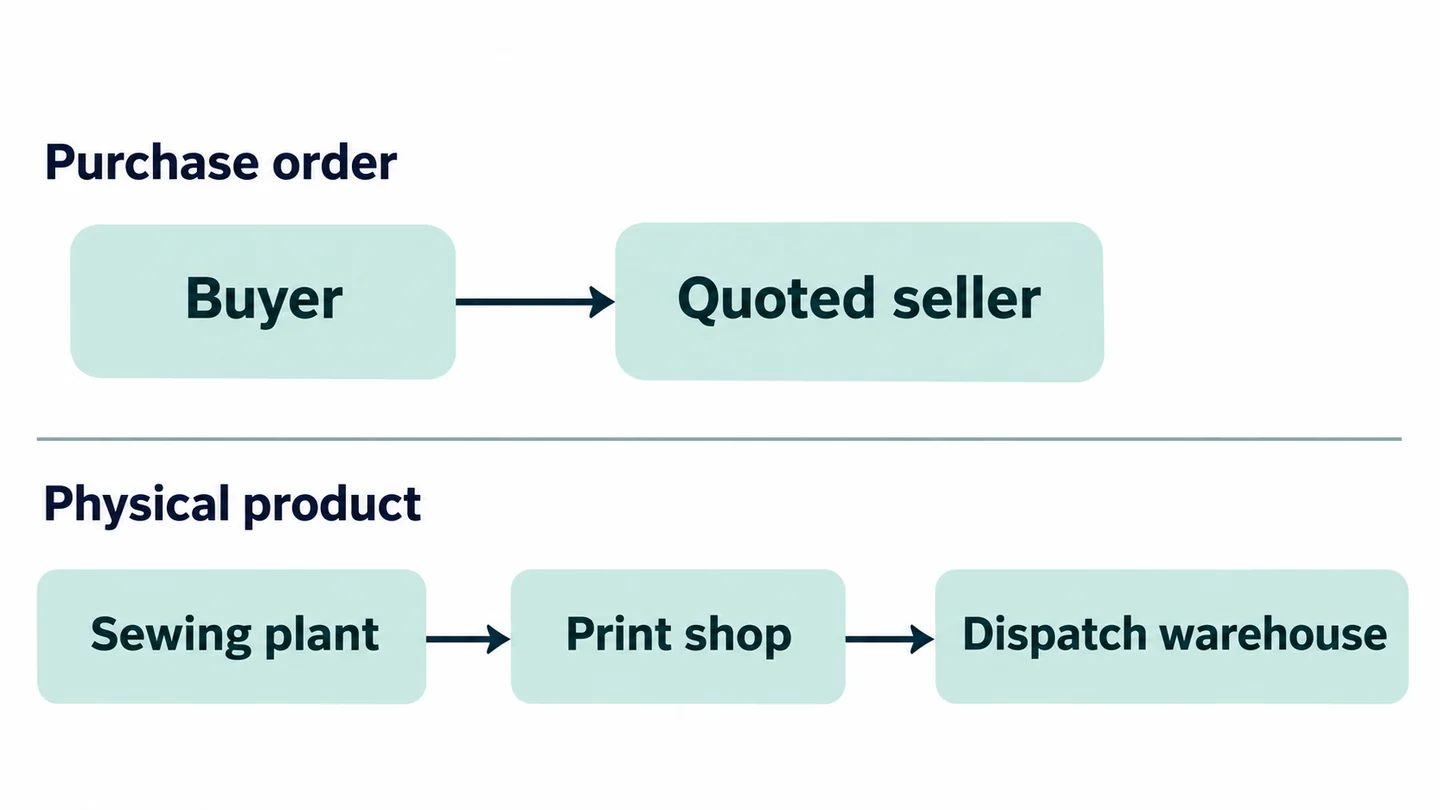
Key takeaway. One order can involve different businesses. Put the relevant names and roles on the same document so you can trace a change or a claim.
Which supply route fits the order?
Choose the route that gives you the stock or production control you need at terms you can handle. For a standard apron you need to reorder quickly, a seller with available stock and consistent refill terms may work well. For a custom apron with a new pattern or stitching requirement, access to the people doing the production can matter more.
Use the same target spec in each inquiry. A listing or low unit price can hide differences in fabric weight, release quantity, or delivery basis. Compare the same specification, quantity, and delivery point before you decide which route costs less.
Where does factory access change the decision?
Imagine two requests for the same apron size. The first only asks for plain aprons already in stock. The second needs a reinforced pocket, a specified fabric weight, and an exact print position. Ask who can sign off on those changes and show the result before the order goes into production.
- Treat an available stock offer as useful when it matches the variant, quantity, and needed delivery date in writing.
- Discuss the specification with the maker when cuts, materials, or stitching must change. Ask whether the quoted seller can give you that access.
- Compare the amount you would pay before the first sale, including approved sampling and defined delivery charges.
| Purchase need | Start by asking for | What decides between offers |
|---|---|---|
| Standard stock for an early replenishment | Availability by item, case counts, and next dispatch | Can the seller commit the exact stock and delivery basis? |
| New pattern or material | Named maker, approved sample, and permission for changes | Can the seller and maker agree on a repeatable specification? |
| Branded product made by another company | Specific product scope and seller’s authorization, if required | Can you verify the channel and model under the actual offer? |
Use each answer to see whether the seller meets the deadline, specification, or authorization you need. Key takeaway. Choose the route that can meet the hardest condition you need to verify.
What should the quote say about production changes?
Name the approved specification, the site or process that matters, and what the supplier must ask about before making a change. For a custom apron, that might mean writing down a fabric version and an approved print sample. If the work goes to someone outside the sewing plant, note which operation they perform and which sample the order follows.
The buyer and seller should agree on which changes need review. If a site or material changes, get the revised record before you release the batch or accept a new reference sample. For dedicated tools, record who owns them and who may store, retrieve, or transfer them.
What happens if the finishing shop changes?
Suppose the supplier moves the apron printing to a second shop. Ask whether the shop will use the same ink, curing process, and position template. Request evidence from the changed process where the outcome depends on it, then agree whether the existing sample still applies. A new approval should state what has changed and which goods it covers.
- Identify a signed specification, drawing, or sample version that both parties can retrieve.
- Name the agreed operations and the sites you need to track for this product.
- Explain when the supplier should stop for written review and what evidence will let the buyer release production.
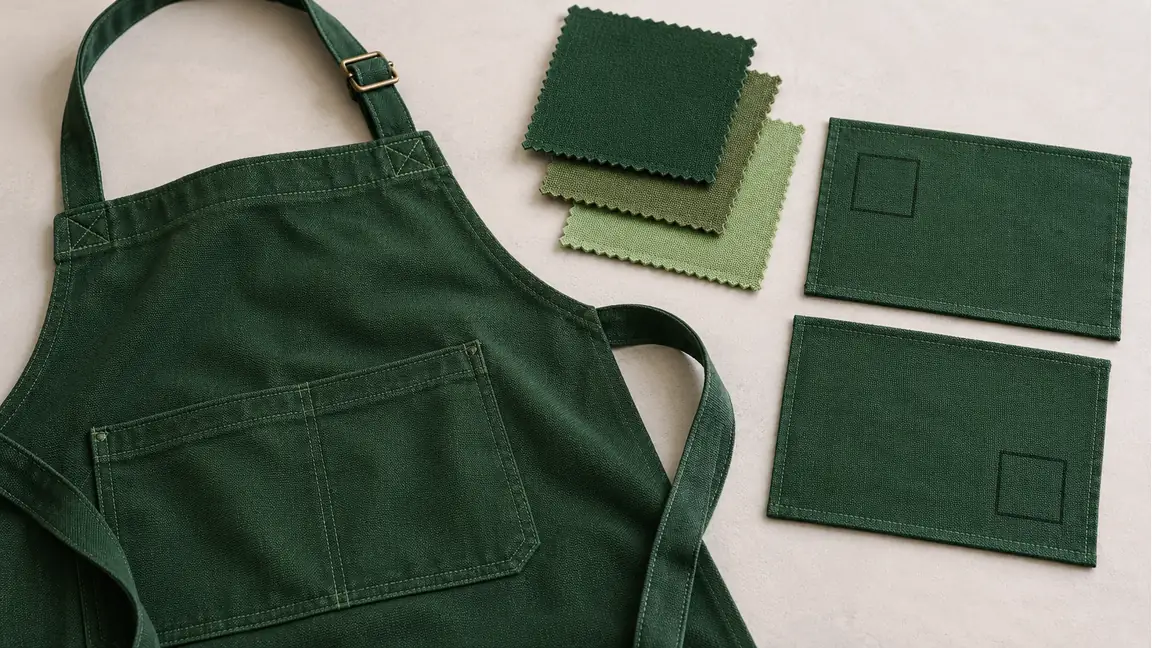
Key takeaway. Get written approval before a supplier changes the site or specification named on the order.
Who checks quality and handles a failed lot?
Name who inspects the lot, who takes the claim, and who can correct the production work. One company may handle all three, but a third-party inspector can document a problem without owning the order or deciding the remedy. The commercial claim normally starts with the seller defined in your agreement.
Regulated documentation can have its own responsible party. When a general-use product requires a General Certificate of Conformity, the CPSC says the domestic manufacturer normally issues it for goods made in the United States, and the importer does so for goods made overseas. Use the CPSC’s certificate guidance for the covered product and any rule-specific exception. The certificate question and the buyer’s order claim belong with their named parties.
Who owns each step after an inspection fails?
Consider a run of custom aprons with a print outside the agreed position. The inspector documents the affected lot, sample count, and measurement against the approved tolerance. Ask the seller how it will handle the held stock while the finishing shop checks the template and returns any corrective evidence.
- Set the pass criteria and inspection window in the purchase terms before paying for a production run.
- Keep the lot on hold until the person with release authority accepts the correction or other agreed outcome.
- Record the evidence you need from any recheck and who will provide it before dispatch.
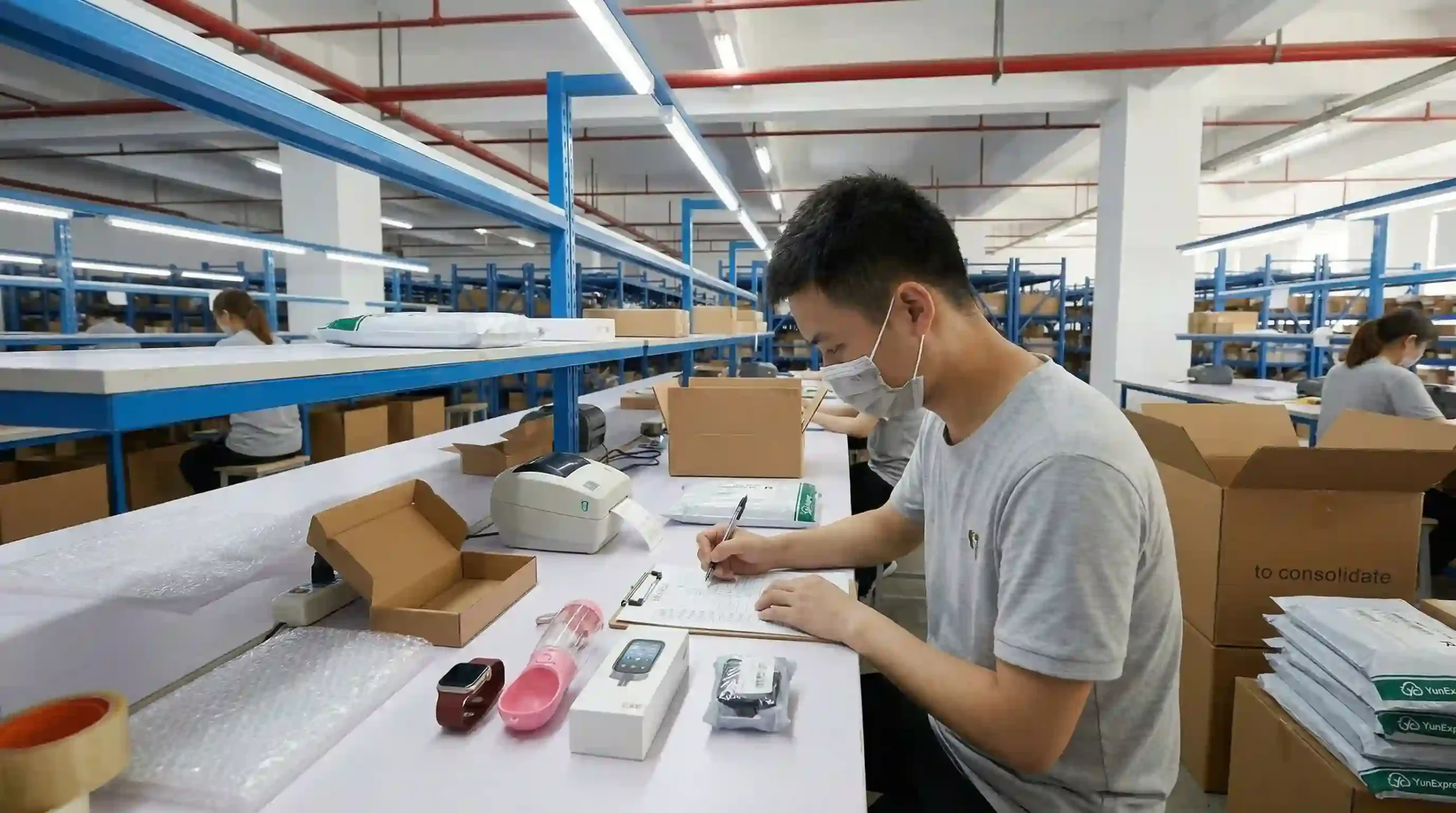
Key takeaway. Send the inspection result to the seller and ask who can correct the production step involved.
What evidence should stay with the order?
Keep a record that ties the seller, production sites, approved version, shipment and inspection to the same order. When information changes, find out which fact moved and ask the person in charge to confirm it. Keep the approved specification and inspection evidence with the order and the affected lot.
Before committing stock or cash, compare the current quote with what you know about the order. A different payee or site name needs a check through the agreed contact or ordering channel. Resume when the seller has resolved the difference on the relevant documents.
Which files need to stay together?
You can link the evidence folder from the purchase order. If you need upstream confirmation on manufacturing or the lot being offered, ask a China sourcing agent to coordinate supplier checks against the quote. Share the exact product version and decisions you need to confirm.
- Supplier and site record. Save the accepted company name, maker or site, and confirmed outside processes for the product.
- Specification and change record. Keep the approved sample or revision and any written exception or replacement approval.
- Release record. Save inspection results, affected lot, release decision, and the person named for a repair or credit.
Key takeaway. Wait for a written resolution when documents point to a different seller or production site than the one you approved.
Conclusion
Once you know who makes the product and who sells it, you can compare the offers on the same basis. Name the site and the specification that matter, then agree who can approve a change and respond to a failed lot. The place to record those answers is the order your team will use to receive the goods.
RuntoDropship is a private dropshipping agent that coordinates sourcing, product checks, and order fulfillment for ecommerce sellers. We start with the product and order details that the buyer and supplier can verify together. Send RuntoDropship your quote and open questions if you need help confirming who will make, check, or dispatch the order.
FAQ
Is a contract manufacturer the same as an OEM?
A contract manufacturer builds under a customer agreement. OEM stands for original equipment manufacturer. Depending on the industry, the label can refer to the original component maker or the equipment company that commissions the build. Ask who provides the design and which work the quoted company will perform.
Does the same factory mean two brands sell the same item?
A shared factory can make products to different specifications. One buyer may order a different material or tolerance even on a similar design. Compare the two approved specifications before treating the products as interchangeable.
When is a factory an Etsy production partner?
Etsy uses the term for an outside party that produces an eligible item based on the seller’s original design. Sellers disclose that help on applicable listings. A wholesaler selling ready-made products does not qualify simply by supplying the stock.
When does a blanket purchase order make sense?
It can make sense when you agree on terms for repeat orders and want to release quantities as needed. Record the agreed period and how a release establishes the actual quantity and due date. Check whether any stock commitment starts before the first release.
What should I do if my supplier stops carrying an item?
Ask whether the supplier dropped the item or the maker stopped producing it. If the original maker still offers it through another seller, confirm the exact model and terms with that seller. Check any proposed replacement against the approved spec before offering it to customers.