
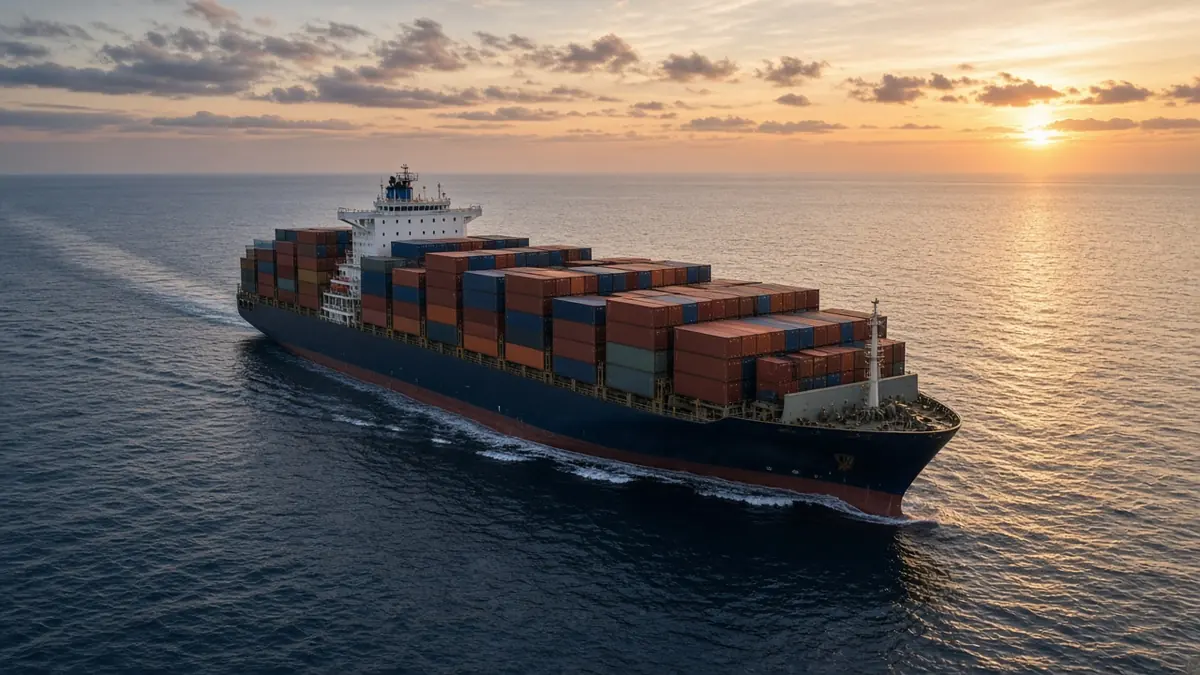
Sea freight from China to USA is the usual choice for cartons, pallets and full containers. The ocean rate is only one part of the job. A container also has to meet a filing deadline in China, a customs entry deadline in the US, and a free-time limit at the terminal. Miss one and the cost goes up even if the ocean rate was low.
This carrier-neutral guide follows an ocean shipment in order: choosing FCL or LCL, reading the quote, origin charges, transit, the ISF filing, US customs entry, destination fees, and delivery to your warehouse. Every regulation cited here comes from US government sources current in November 2026.
When Does FCL Beat LCL for Sea Freight from China to USA?
Sea freight is one of several ways to move goods across the Pacific. If you are still choosing between ocean, air and express, start with our guide to shipping from China to USA, then come back here once you know your cargo will travel by sea.
Ocean cargo moves in two ways. With FCL (full container load), you book a whole container that is loaded and sealed for you alone. With LCL (less than container load), your cartons share a container with other importers' cargo. LCL is usually priced per cubic meter or per 1,000 kilograms, so you pay for the space you use.
The trade-off is handling. LCL cargo is consolidated at a container freight station (CFS) in China and separated again at a CFS in the US. GoFreight says LCL adds 5 to 10 days of transit over FCL for that reason, and it puts the break-even at roughly 15 cubic meters. Above that, a full 20-foot container is usually cheaper.
Use these points to decide:
- Volume. Measure total cubic meters, not carton count. Close to 15 cubic meters, get both FCL and LCL quotes.
- Handling risk. Every extra handling step at a CFS is a chance for damage or a missing carton. A sealed FCL container is opened only at destination.
- Timing. If a launch date matters, the extra CFS days in LCL may cost more than the freight saving.
The video below explains how FCL and LCL work, what each costs and how to choose. It is a general explainer, so check any prices it mentions against a current quote.
What Does a Port-to-Port or Door-to-Door Ocean Quote Include?
Two ocean quotes can look far apart only because they cover different work. A port-to-port quote moves the container from a Chinese port to a US port. As one forwarder puts it, "port-to-port means you handle those yourself": customs, duties and delivery are left to you. A door-to-door quote should cover pickup from the factory through delivery to your address.
Line the quotes up step by step before you compare totals:
| Step | Port-to-port | Door-to-door |
|---|---|---|
| Factory pickup and export clearance | Depends on purchase terms | Usually included |
| Ocean freight | Included | Included |
| Destination terminal or CFS charges | Often excluded | Ask |
| US customs entry and brokerage | Excluded | Ask |
| Duties and fees | Excluded | Ask; often billed at cost |
| Trucking to your warehouse | Excluded | Included |
Your purchase terms with the supplier also decide who pays for what. Under FOB, the seller delivers the goods to the Chinese port and you pay ocean freight, insurance and everything after the cargo leaves port. Ask each forwarder to list every charge it expects, including any it will pass through at cost. Check two more details on each quote: whether it is priced as FCL or LCL, and the date until which the price is valid. A quote that has expired by the time your goods are ready tells you little about the bill you will receive.
Which Charges Should You Expect at the China Origin?
Origin charges cover pickup, export paperwork and handling in China. Who pays them depends on your terms. Under FOB, your supplier delivers to the Chinese port, so the steps up to that point sit with the supplier. Under other terms, some or all of them can land on your invoice. Read the purchase contract before you assume either way.
Expect these categories on the origin side:
- Trucking from the factory to the port or CFS
- Export customs clearance and documentation
- Origin terminal handling and container handling
- Seal charges for FCL
- CFS receiving and consolidation for LCL
Tarangya, a forwarder, lists these alongside ocean freight and destination items as parts of a final bill. It also warns that publishing one fixed China-to-USA rate can be misleading, because the bill depends on which of these items apply. Ask for origin charges as separate lines. Then you can see whether a low ocean rate is being balanced by high origin fees.
How Long Does the Ocean Leg Take, and What Adds Days?
Published ranges depend on the route. OneSilq estimates about 15 to 20 days of ocean transit from Shanghai to Los Angeles and about 27 to 37 days from Ningbo to New York. Those figures cover the sailing only. GoFreight adds 3 to 7 days for door delivery after arrival, depending on the destination and trucking capacity.
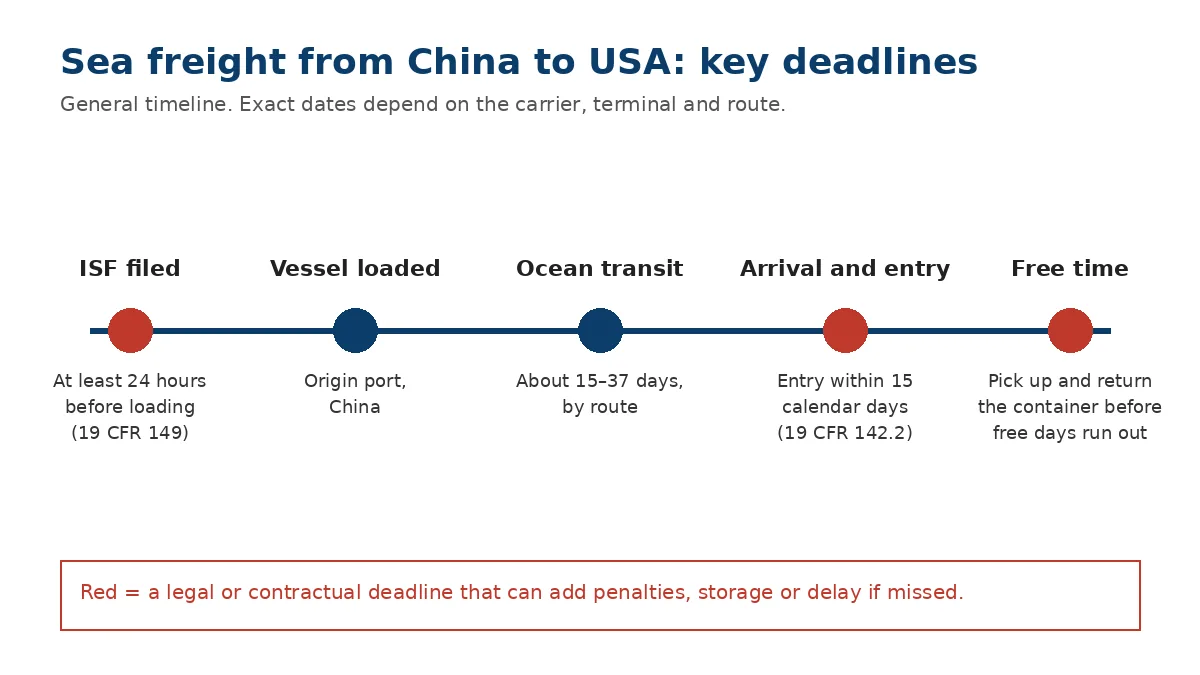
Four factors push a shipment toward the long end of its range:
- Coast. East Coast sailings often go through the Panama Canal, which can add days.
- Season. OneSilq says port congestion in peak seasons can add 7 to 14 days, especially on West Coast lanes.
- LCL handling. The CFS steps at each end add time that FCL avoids.
- Paperwork. A late filing or a customs exam can hold a container after it lands.
Treat any figure as a range, not a promise. Build your stock plan on the long end.
When you book, ask the forwarder for three dates: the cargo cutoff at the origin port, the estimated departure, and the estimated arrival. The cutoff decides when your goods must be ready, and it comes several days before the ship sails. If the factory misses it, the cargo waits for the next sailing and every later date moves with it.
What Must Be Filed Before the Container Is Loaded?
US-bound ocean cargo needs an Importer Security Filing (ISF), often called "10+2". Under 19 CFR Part 149, it must be filed no later than 24 hours before the cargo is laden aboard the vessel at the foreign port. CBP warns that failure to comply could result in monetary penalties, increased inspections and delay of cargo.
The 24 hours is a minimum. GoFreight calls the rule "a floor, not a target" and suggests 48 to 72 hours of buffer. To meet that deadline, your broker or forwarder needs data from your supplier before the cargo ships. The rule asks for these items no later than 24 hours before loading:
- Seller and buyer
- Importer of record number and consignee number
- Manufacturer or supplier
- Ship-to party
- Country of origin
- HTS number for each product
Two more items, the container stuffing location and the consolidator, must be sent as early as possible and no later than 24 hours before the ship arrives in a US port.
Late supplier data is a common cause of late filings. Factories often confirm the manufacturer details and final carton count late. Ask your supplier to send them when the booking is confirmed, not on loading day. Send your broker the commercial invoice and packing list at the same time, so the ISF and the later entry describe the same goods.
How Does US Customs Entry Work When the Ship Arrives?
Filing the ISF does not clear your goods. Once the vessel lands, your customs broker files the entry for the importer of record. Federal rules set the clock. Merchandise must be entered within 15 calendar days after landing from a vessel, under 19 CFR 142.2.
If no entry is made in time, the cargo can be moved to a bonded general order warehouse under 19 CFR 4.37. The goods are then stored at the risk and expense of the consignee.
CBP can also choose a container for examination. Its importer guidance says the importer must bear the cost of cargo exams. Budget for that possibility, because an exam also uses up free time at the terminal while the container waits.
To keep entry on schedule:
- Name a licensed customs broker before the ship sails.
- Confirm the HTS codes and values match the commercial invoice.
- Have funds ready for duties and fees.
Which Destination Charges and Storage Fees Can Surprise You?
Forum threads from first-time importers often describe surprise charges on the destination side of an ocean bill. Common items include destination terminal charges, CFS charges for LCL, delivery order charges, customs brokerage, trucking (drayage) and, after delays, detention and demurrage.
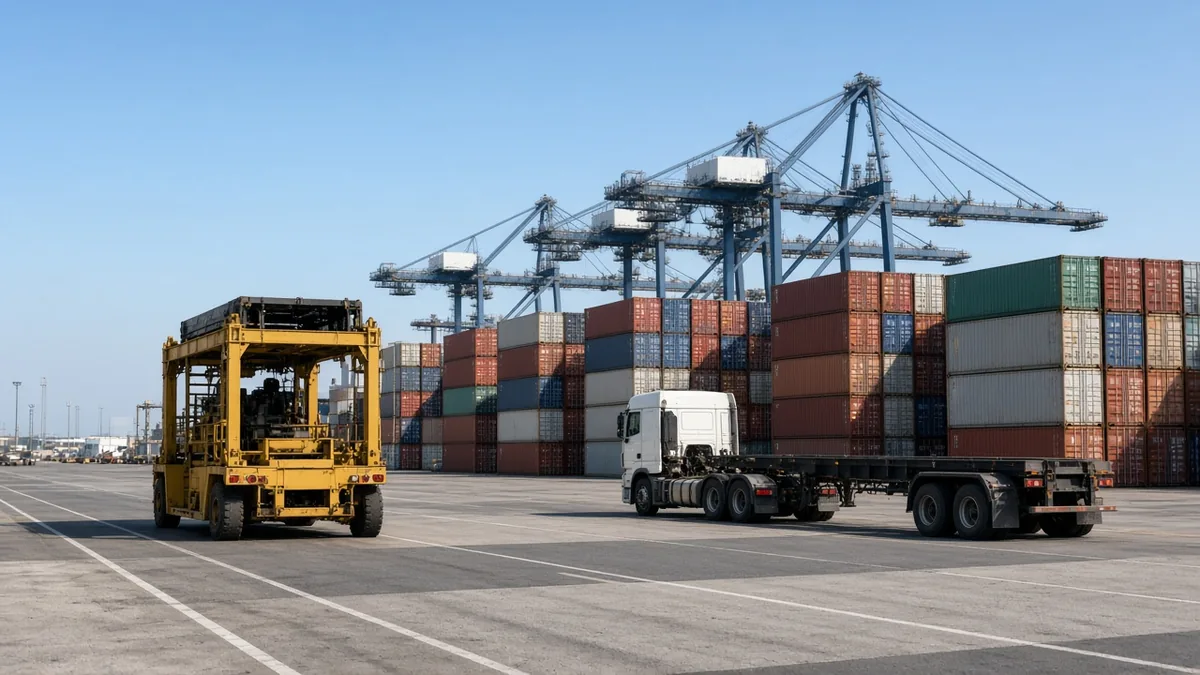
Two of those fees grow by the day:
- Demurrage applies when a container sits at the port too long.
- Detention applies when you keep the container outside the port too long.
Each starts after a set number of free days. Ask for the free time in writing when you book.
The Federal Maritime Commission (FMC) now sets billing rules for these charges. Invoices issued from May 28, 2024 must comply with its final rule. Under it, billing parties must issue demurrage and detention invoices within 30 calendar days of when charges stop accruing. If an invoice arrives later than that, ask the billing party to show how it meets the rule before you pay.
When a storage invoice arrives, check three things:
- The free days used match what was agreed at booking.
- The start and end dates match the container's gate-out and return records.
- The invoice date falls within 30 days of the last charge day.
How Does Cargo Get from the Port or CFS to Your Warehouse?
After customs release, your cargo still has to reach a warehouse. A full container is usually moved by drayage truck. LCL cartons are usually collected from the CFS and delivered by LTL (less than truckload) freight. Book the truck before the ship arrives so free time is not lost waiting for one.
Decide how the cargo will be loaded long before it leaves China:
- Pallets or floor load. Palletized cargo unloads faster. Floor-loaded cartons fit more into the container but take longer to unload. Ask the receiving warehouse which it accepts.
- Carton labels. Each carton should carry a label that matches your packing list and the warehouse's receiving rules.
- Appointments. Many warehouses accept deliveries only by appointment. Amazon fulfillment centers, for example, expect cargo to arrive labeled, palletized and booked through their appointment system.
- Split destinations. If one container must feed several warehouses, decide the split before loading. Pack and label each group separately so the cartons can be sorted quickly at the CFS or a port-area warehouse.
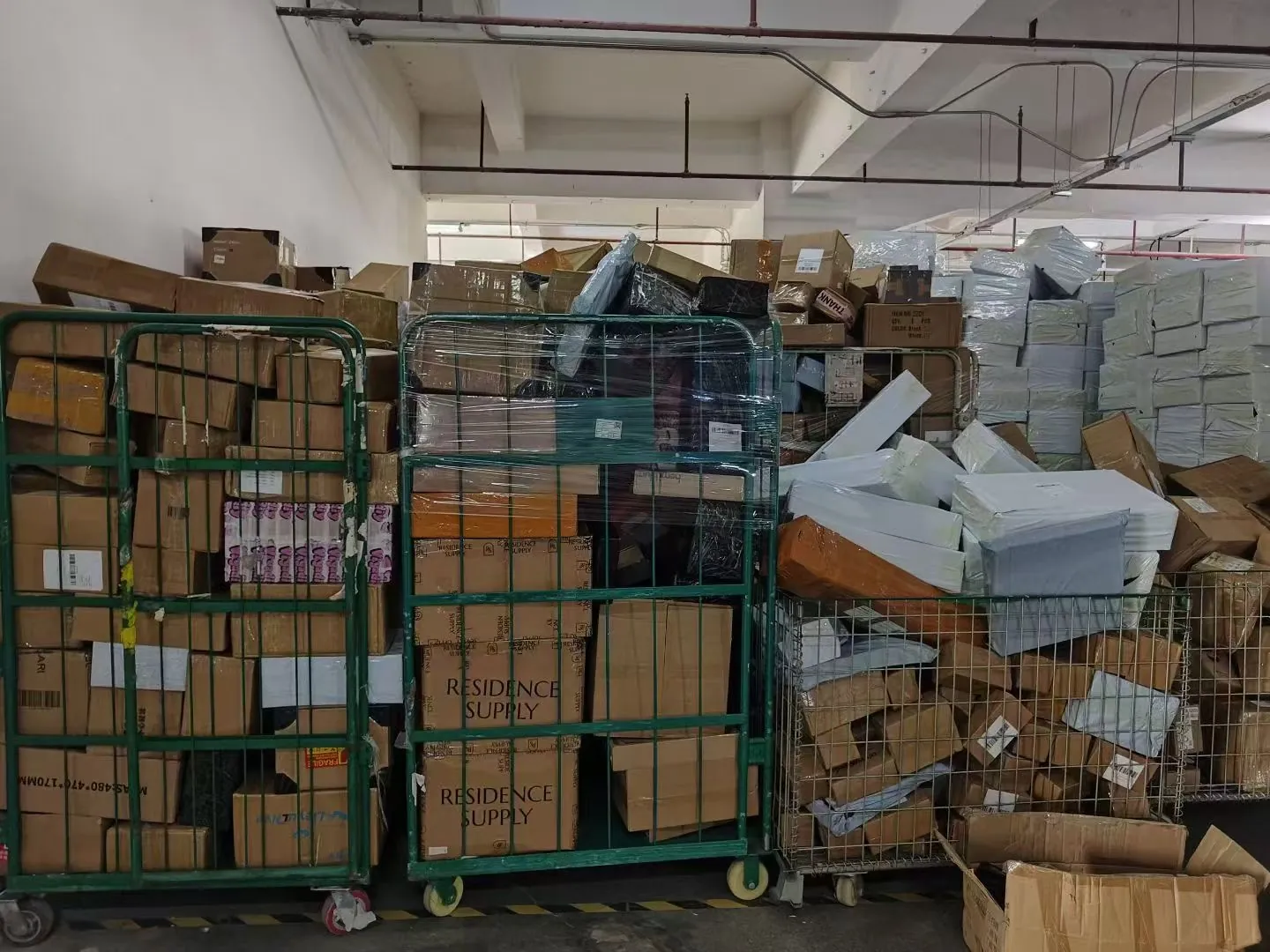
Send the warehouse an advance notice of what is coming. Our guide to ASN shipping explains how an advance shipping notice speeds up receiving. Many importers also use prep centers near ports to inspect, label and palletize goods before sending them on. If you need storage and order handling after the container is unloaded, compare options for a 3PL warehouse before the cargo lands.
Conclusion
Sea freight from China to USA works best when you plan around its deadlines, not just its rate. Choose FCL or LCL by volume and handling risk. Compare quotes line by line. File the ISF with buffer, enter the goods within 15 days of landing, and move the container before free time runs out. Book the truck and the warehouse appointment before the ship arrives.
RuntoDropship supports online sellers in China with factory sourcing, supplier coordination and inspection before dispatch. If you are preparing your first ocean shipment, contact the RuntoDropship team with your product list, carton count and target arrival date.
FAQ
How much is sea freight from China to the USA?
There is no single price. The total depends on volume, the route, the season and how much of the journey the quote covers. LCL is priced by cubic meter or weight, and FCL by container. Ask for a quote to your door with every charge listed.
What are the current ocean freight rates for shipments from China?
Rates change often. One forwarder reports increases of 30 to 50 percent from August to October and again around Chinese New Year. Ask each quote for a validity date and recheck it before you book space.
Has China resumed shipping to the US?
Yes. Ocean services from Chinese ports to the US are running, and forwarders continue to publish transit estimates for Pacific routes. Check current sailings with your forwarder when you book.
Will I have to pay tariffs if I order something from China?
Usually, yes. Ask your customs broker to classify each product and estimate the duty before you confirm the order, so the landed cost is clear before you pay the supplier.
Do I need a customs bond to import by sea from China?
Yes. Under 19 CFR Part 149, the ISF Importer must hold a customs bond, such as a basic importation and entry bond or an ISF bond. A licensed customs broker can arrange one before your first shipment.