Choosing a freight forwarder from China to the US is less about finding the best freight forwarder on a viral list and more about reading what the offer actually covers. Many first shipments go wrong when a WeChat quote looks cheap, the cartons leave the factory, and only then does the seller learn who pays destination charges, who is the importer of record, or whether “DDP” meant true Delivered Duty Paid. This guide stays on forwarder selection: quote scope, roles, customs responsibility and vetting. It does not repeat the parent route comparison of express, postal, air and sea, and it does not reteach air chargeable weight or ocean FCL versus LCL. If you already know the mode, you still need a forwarder process that survives contact with customs and a warehouse dock.
What Does a Freight Forwarder China to US Actually Arrange?
A China-to-US freight forwarder coordinates the move so you are not buying each leg as a stranger. In practice that usually means arranging pickup or cargo receipt in China, export filing at origin, booking the main air or ocean carriage, handing documents to a US clearing party, and lining up delivery to a warehouse or consignee. The company you message in Shenzhen may own only the origin leg and rely on partners for US entry and trucking. That split is normal. Leaving the split unnamed is not.
If you still need the wider mode overview—when express, air cargo or ocean fits the shipment—start with the cluster parent on shipping from China to the USA and come back here for how to judge the forwarder itself.
Treat that video as a market sample of how sellers compare China-to-US forwarders, not as a ranking you must copy. Prices and “best” lists age quickly; your written quote does not.
How Should You Compare China-to-US Forwarder Quotes Line by Line?
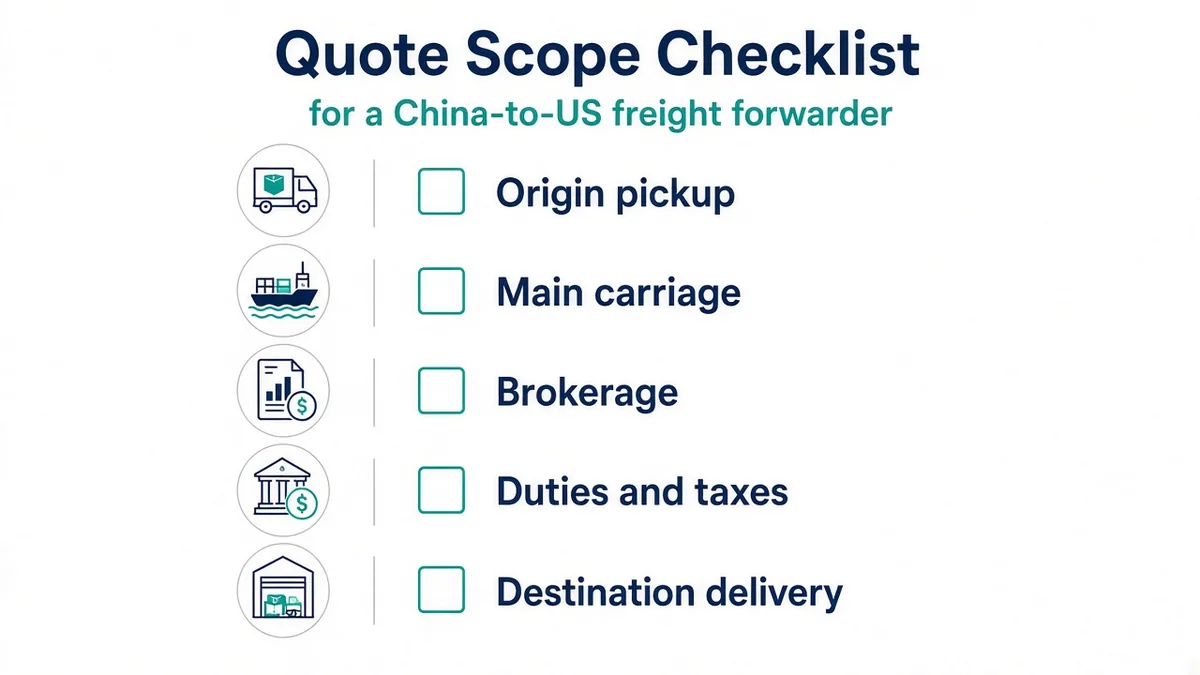
Do not compare two China-to-US forwarder quotes on the headline per-kilogram or per-container number alone. Ask each bidder to price the same shipment: same cartons, same Incoterm, same origin city, same US delivery point, same cargo description. Then force the quote into lines you can tick:
| Step | Ask whether it is included |
|---|---|
| Origin pickup or factory drop | Yes / No / Buyer arranges |
| China export declaration | Yes / No |
| Origin terminal or airport handling | Yes / No |
| Main carriage (air or ocean) | Yes / No, plus validity date |
| Fuel, security or peak surcharges | Shown as separate lines |
| US customs entry / brokerage | Yes / No / Named broker |
| Duties and taxes | Included (true DDP) or excluded |
| Destination terminal / airport / CFS charges | Yes / No |
| Final delivery to warehouse or door | Yes / No, with appointment rules |
A quote that collapses everything into one round number without those lines is harder to audit when something breaks. Waytronsc’s provider comparison, which stresses the complete quotation rather than only the ocean rate, points at the same problem: incomplete scopes create fake savings. Require a validity date. If the rate can change before you book, write down what triggers the change.
When two forwarders return different totals, rebuild both quotes on this table before you argue about who is cheaper. A door-to-door figure that omits duties is not comparable to a port-to-port figure that excludes trucking. If a bidder will not restate the quote in lines, treat that refusal as information about how disputes will go later.
Who Is the Importer of Record, and Who Clears Customs?
The importer of record (IOR) is the party CBP treats as responsible for the entry. That is not a decorative field on a commercial invoice. On a true DDP move the seller or its nominated party may act as IOR; on FOB or EXW moves the US buyer usually is. Community threads keep asking whether an Alibaba “DDP” shipment should list the buyer, the supplier or the forwarder as IOR. Answer it in writing before cargo moves.
US customs clearance is customs business. CBP’s importer tips note that many importers hire a licensed customs broker, and that when CBP examines cargo the importer bears the exam cost. A China booking agent is not automatically a licensed US broker. If your forwarder says “we clear in the US,” ask for the broker’s legal name and license status, or confirm they will appoint one. Separately, merchandise that requires entry is generally entered within 15 calendar days after landing from a vessel, aircraft or vehicle. Build that window into your plan even when the forwarder manages the paperwork.
Put the IOR name, broker name and entry plan in the same email that accepts the quote. If those three fields are blank, you do not yet have a clearable offer—only a transport idea.
What Is the Difference Between a Forwarder, a Broker and an Agent?
These labels get blurred in sales chats:
- Ocean transportation intermediary (OTI): For US ocean trades, the Federal Maritime Commission regulates OTIs as ocean freight forwarders or non-vessel-operating common carriers (NVOCCs). That is a licensing and bonding framework for ocean intermediary work, not a marketing title.
- Customs broker: A party licensed to conduct customs business on behalf of others before CBP. Freight booking skill does not replace that license.
- Booking agent / “agent”: Someone who can arrange origin handling and space, often in China, without being your US broker or your bonded OTI.
A strong China-based forwarder can be excellent at origin consolidation and carrier booking. A strong US-based forwarder or broker can be excellent at entry and domestic delivery. Many safe setups use both, with the handoff named. Choosing “US versus China based” without naming who clears and who delivers is how ghost-agent problems start.
Which Inclusions and Exclusions Change the Real Landed Cost?
Landed cost moves when lines sit outside the freight rate. Destination charges, ISF or AMS filings when they apply, chassis or airport storage after free time, warehouse receiving appointments and duty itself regularly surprise sellers who bought a “door” story that stopped at the port. Importers in public threads ask consolidators for charges all the way inclusive of destination charges for a reason: that is where incomplete China quotes hide. Hidden fees usually sit in destination charges, storage after free time, and unnamed brokerage lines.
Use the quote table above as a landed-cost map. If a line is excluded, price it with a US broker or warehouse before you award the cargo. Mode how-tos live on the sibling pages for air freight from China to the USA and sea freight from China to the USA; here you only need enough detail to see whether the forwarder’s scope matches the mode you already chose.
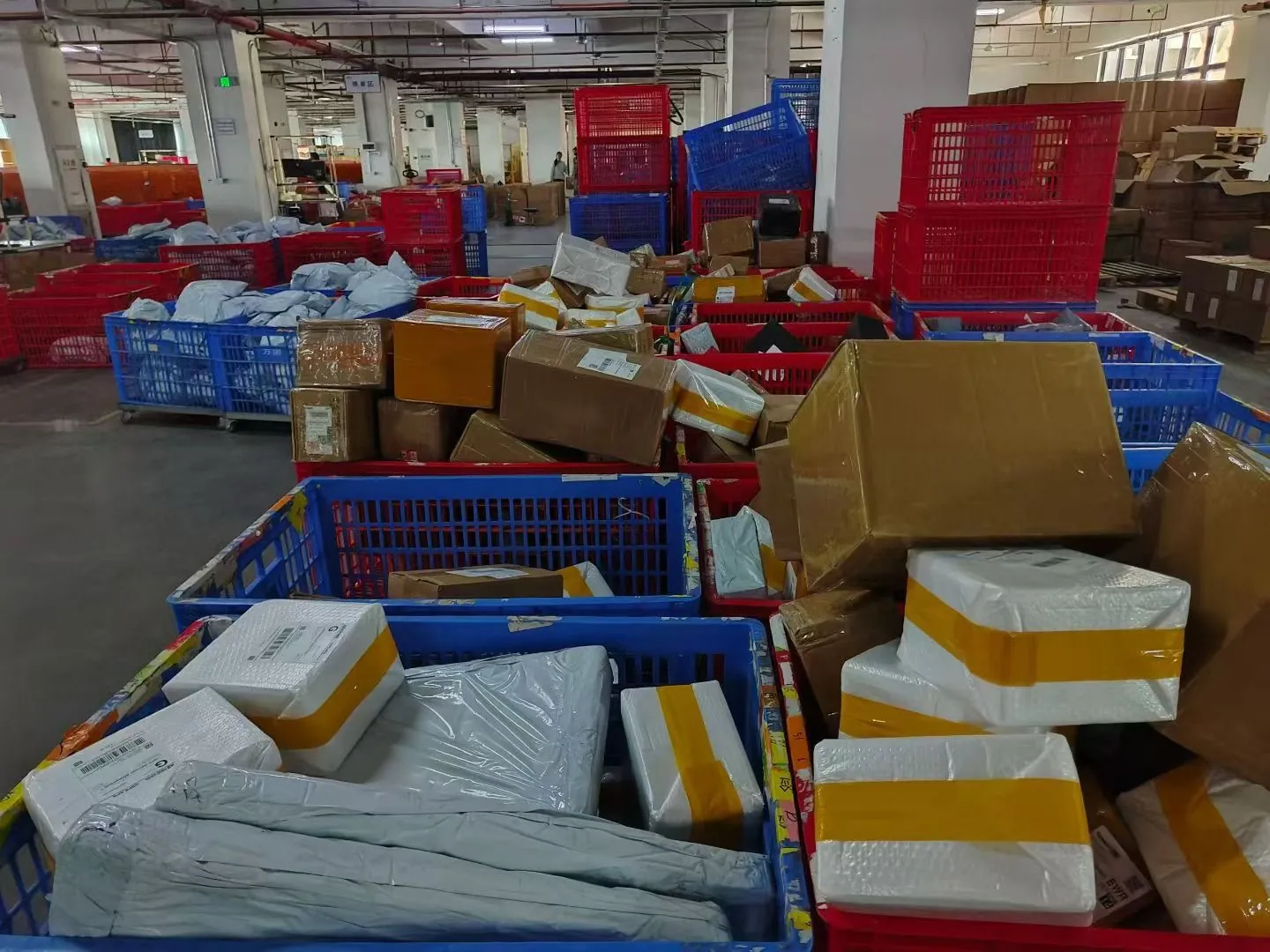
Cartons staged in crates are a reminder that the forwarder’s job continues until receiving data and labels match what your warehouse expects—not merely until the vessel or flight departs China.
Also confirm whether hazardous, battery or wood-packaging rules apply to your SKUs before the forwarder books space. Those acceptance checks belong in the first quote request, not in a panic message after cartons are already at the origin warehouse.
What Red Flags Appear in Forwarder Offers and DDP Claims?
Three patterns show up again and again in seller forums and choose-forwarder guides:
- Hold-then-raise: Goods are collected, then the forwarder demands more money before release or booking. Treat open-ended “we will confirm the rate after pickup” language as a hard stop unless you accepted that structure in writing.
- Fake DDP: The offer is labelled Delivered Duty Paid, yet duties are missing, values look unrealistically low, or nobody will name the IOR. Customs-broker communities warn that some “DDP” talk is really a request to undervalue. That is a compliance problem, not a discount.
- Ghost agent: A single contact with no company trail, personal-account payment requests, or refusal to share sample documents and a US clearing partner.
None of these patterns require you to accuse a specific brand in public. They do require you to walk away when the paperwork cannot name parties, scope and payment terms.
How Do You Vet a China Freight Forwarder Before the First Booking?
Use a short checklist instead of another ranked list:
- Written quote with the line-item table and a validity date.
- Named origin entity and named US clearing/delivery party.
- Stated Incoterm and stated IOR.
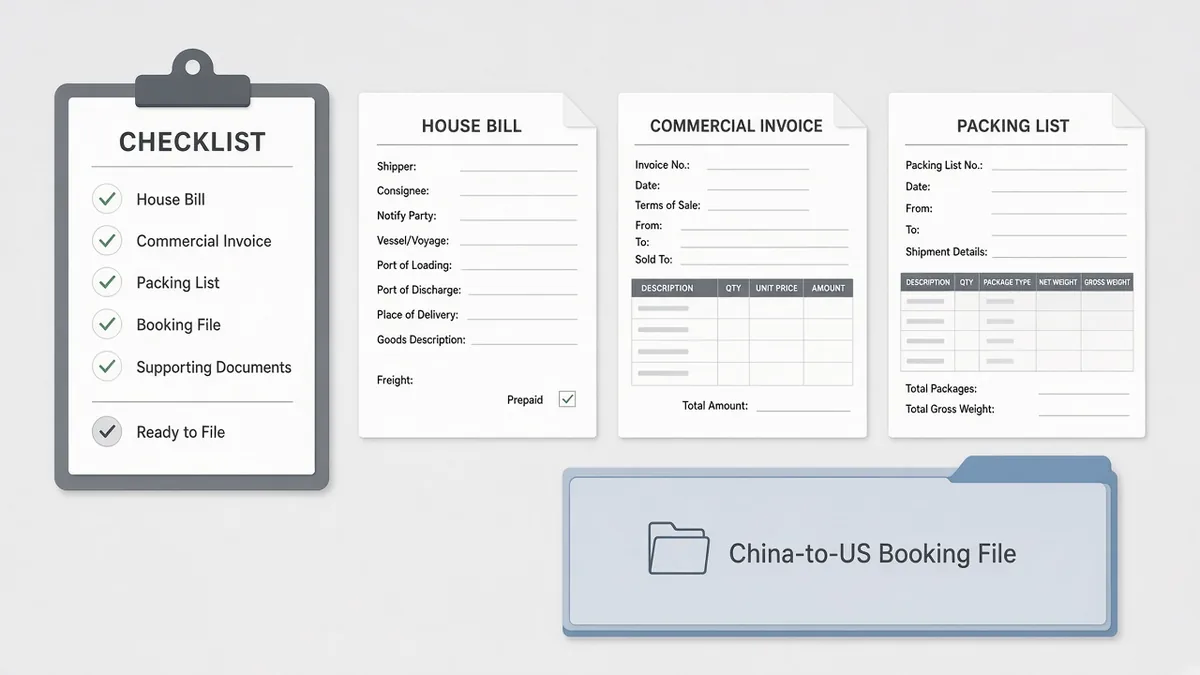
- Sample house bill, commercial invoice template or packing-list requirements for your commodity.
- For ocean moves into the US, ask how OTI licensing is handled on the parties that issue ocean documents.
- Two recent shipper references in your size range, or a pilot on a small consolidation before you move peak inventory.
- Clear exception path: who you message when cargo is rolled, examined or short-shipped.
If the seller only answers with screenshots of other companies’ rate cards, you do not have a vetting result yet. Rankings in search results are marketing artifacts; your checklist is the decision record.
Run the first booking as a controlled test when you can: one supplier, modest carton count, full document set. Confirm that tracking events match what was promised in the quote scope, and that warehouse receiving does not invent missing labels. Expand volume only after that loop works.
What Happens After You Book: Tracking, Exceptions and Claims?
Booking is not the finish line. Agree how tracking updates are shared, who files claims for damage or shortage, and how documents move to your warehouse. When cargo will land in a fulfillment node, align carton labels and advance ship data early—see the site note on ASN shipping—and confirm whether a 3PL warehouse appointment is required. Silence after departure is a process failure, not a mystery. Put response expectations in the email that confirms the booking so you are not inventing them during an exam or a rolled container.
Keep a folder with the accepted quote, packing list, invoices, bills of lading or air waybills, and broker messages. Claims and exam responses go faster when those files are already named and shared. If the forwarder cannot tell you who owns an exception within one business day, escalate using the contacts you collected during vetting—not a new WeChat stranger.
Conclusion
A safer China-to-US freight forwarder choice comes from comparable quotes, named roles and a clear importer-of-record story—not from the loudest best-of list. Read every inclusion line, separate the booking agent from the licensed broker, and treat fake DDP or post-collection price hikes as walk-away signals. If you want help coordinating China origin work with US-ready documents and warehouse handoff, talk to RuntoDropship, a China Private Dropshipping Agent, with your carton list and Incoterm before the goods leave the factory.
FAQ
What freight forwarder can I use to ship from China to the USA?
Use any freight forwarder from China to USA that returns a dated, line-item quote, names the US clearing party and states who is importer of record. A method beats a celebrity ranking.
How much is freight shipping from China to the USA?
There is no single blog number that stays true. Cost depends on mode, size, Incoterm and which destination and duty lines are included, so compare dated quotes on the same scope.
Is it cheaper to use a freight forwarder?
Often yes once shipments outgrow courier minimums, but only when you compare the same chargeable size and the same inclusions. A forwarder quote missing duties is not cheaper than a courier quote that includes them.
How to ship from China to the USA cheaply?
Match mode to volume, consolidate suppliers when you can, and refuse incomplete quotes. The lowest incomplete number is usually the expensive one after destination charges arrive.
Do you have a freight forwarder in China?
You need reliable origin coverage in China and a named US entry/delivery party. That can be one company or a documented pair; presence in China alone is not enough if clearance is unnamed.