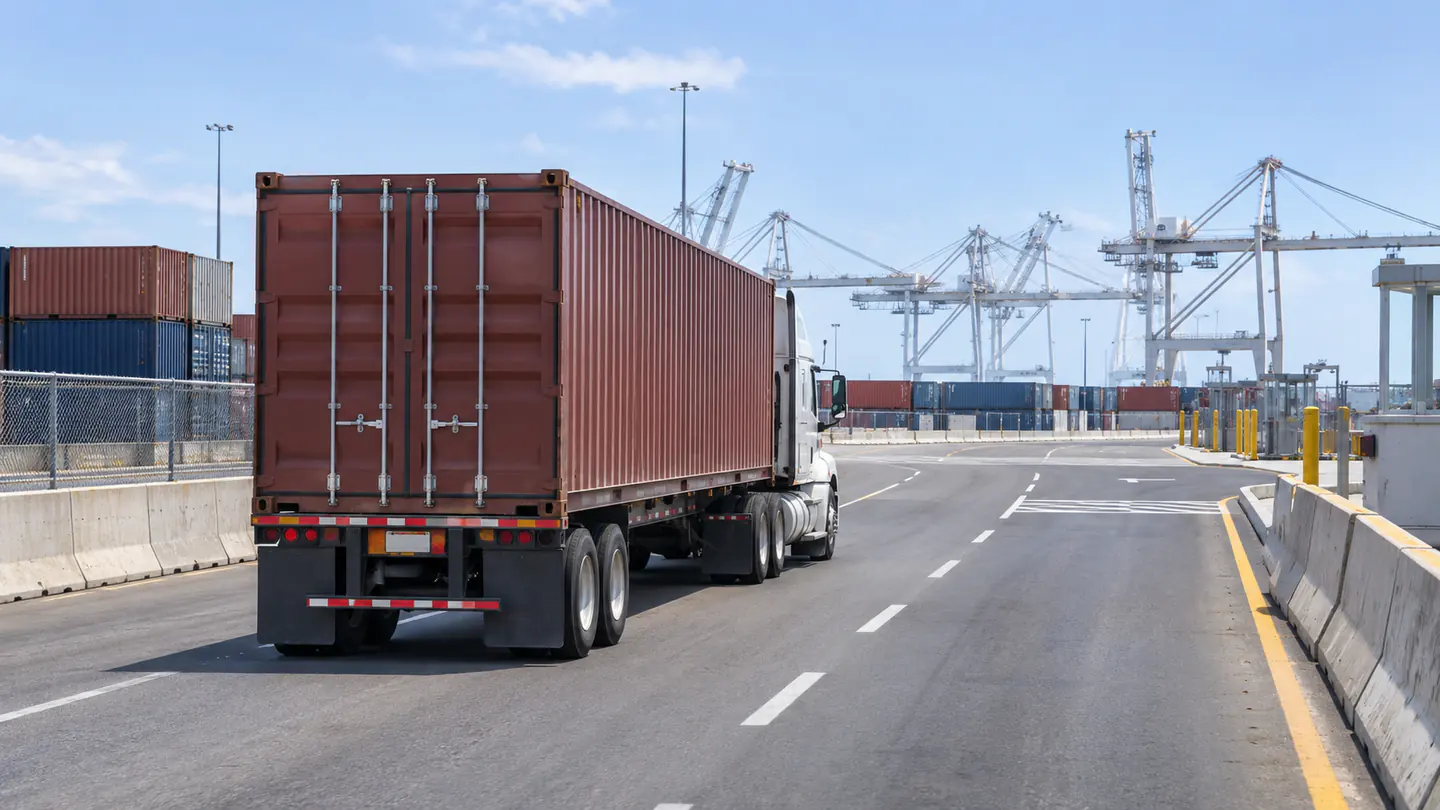
An in bond shipment is easy to treat as a finished import. It is not. The goods may already be at a US port, yet customs has not entered and appraised them as a cleared import. Import duties may still be unpaid. This page is a planning guide for that customs-controlled move. The guide is not a filing manual, and it is not legal advice. It will not choose an Immediate Transportation, Immediate Exportation, or Transportation and Exportation path for a live shipment. This page will not act as a licensed customs broker.
What is an in bond shipment, and how is it not a cleared import?
Arrival at a US port is not the same thing as clearance. Customs clearance is the larger entry step that still has to happen before goods can be treated as entered merchandise. Until that step is complete, an in-bond shipment stays under customs control while it moves from one port to another.
For example, the 2017 Federal Register rule on the in-bond process describes the movement in official language. Transportation of merchandise in-bond is the movement of imported merchandise, secured by a bond, from one port to another prior to the appraisement of the merchandise and without the payment of duties. You can read that definition in the official Changes to the In-Bond Process rule. Deferred duties are a timing issue, not a decision that the goods are already in US commerce, and not a promise that no duty will ever be due.
Meanwhile, a status line that says the cargo is "in bond" is a planning signal. It is not a clearance stamp. Keep the commercial invoice, the routing, and the movement record together so you can see what has actually been filed. This page will not tell you whether a named shipment already has an entry.
That distinction matters when a carrier portal shows the cargo on US soil. The location can be true, and the goods can still be short of entry. For that reason, treat the portal event as a location update until the clearance record says otherwise.
How does customs-controlled movement differ from storage or a bond?
Movement, storage, and a bond are easy to blend into one phrase. They are not the same thing. In-bond transportation is a move from one port to another under customs control. A bonded warehouse is a different arrangement, and this page will not teach those storage operations. A customs bond is a security instrument. It is not the movement itself. Commercial pages sometimes call the same idea in-bond shipping, yet the planning question is still the movement, not a warehouse program.
In addition, a bonded carrier is also a different label. A bonded carrier is a carrier of merchandise whose bond is obligated for the transportation and delivery of merchandise. That official definition sits in 19 CFR Part 18. The carrier's bond supports the move. It does not replace the movement record, and it does not turn a temporary wait into bonded-warehouse storage.
Keep in-bond movement distinct from bonded-warehouse storage and from a customs bond, and keep a bonded carrier distinct from the movement itself. If you mix those labels, you may ask the wrong party for arrival proof, or you may treat a short wait as a storage program this page does not cover.
Readers also ask whether a customs bond must already be in hand before any movement can start. This page will not size a bond or tell you which instrument applies. Confirm that question in the current official materials or with a licensed broker, and do not infer the answer from a status label alone.
Which US in-bond types usually apply, and what do they control?
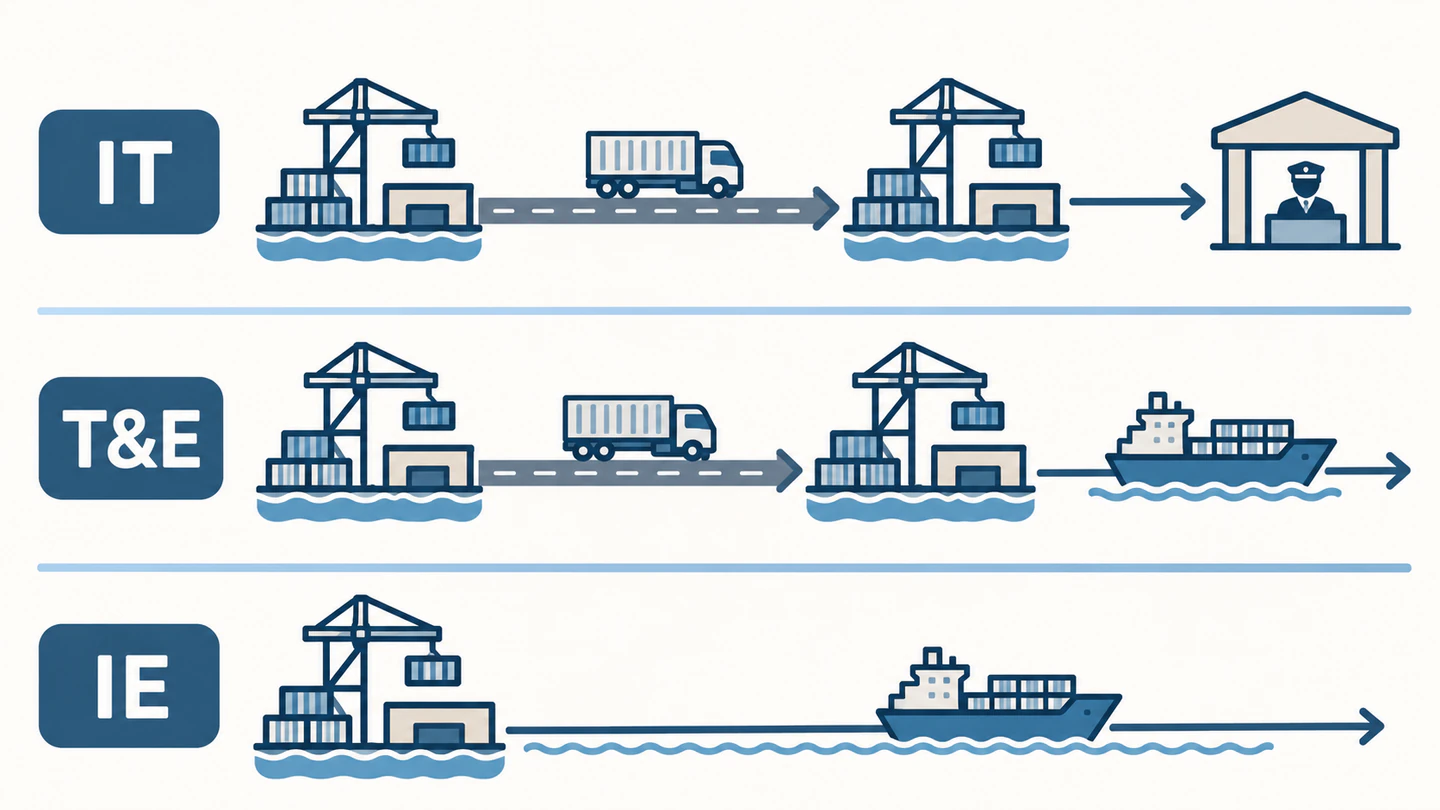
Official transportation entry types cover US in-bond shipments. There are three types of in-bond transportation entries: Immediate Transportation (IT), Transportation and Exportation (T&E), and Immediate Exportation (IE). The same 2017 Federal Register rule lists those three types in the official Changes to the In-Bond Process document. Use the names as planning labels only. This page will not tell you which type to file.
Planners commonly treat IT as a move to another US port for later entry or other authorized treatment. By contrast, they commonly treat T&E as a move through the United States for export. Likewise, they commonly treat IE as a move for export from the arrival area. Those everyday descriptions are orientation, not a current filing recipe. The official type on the record is what later arrival and close-out questions will follow.
If two parties use different type names for the same cargo, stop and compare the actual record. A blog checklist that "usually" picks one type is not an official determination. Consult the current official text before anyone treats a nickname as the filed type.
Who is responsible for records, arrival, and discharge?
Official arrival reporting is time-bound. Within two business days after the arrival of any portion of an in-bond shipment at the port of destination or the port of exportation, CBP must be notified via a CBP-approved EDI system that the merchandise has arrived. That requirement is in the current 19 CFR Part 18. This page will not decide who must send that notice in a live case, and it will not assign legal liability between a carrier and a broker.
Still, you should know who claims they will report arrival, and who will hold the discharge or close-out evidence. A tracking event is not automatically that official notice. If the carrier and the broker disagree about whether anyone reported arrival, keep both accounts and the underlying record rather than picking a story from memory.
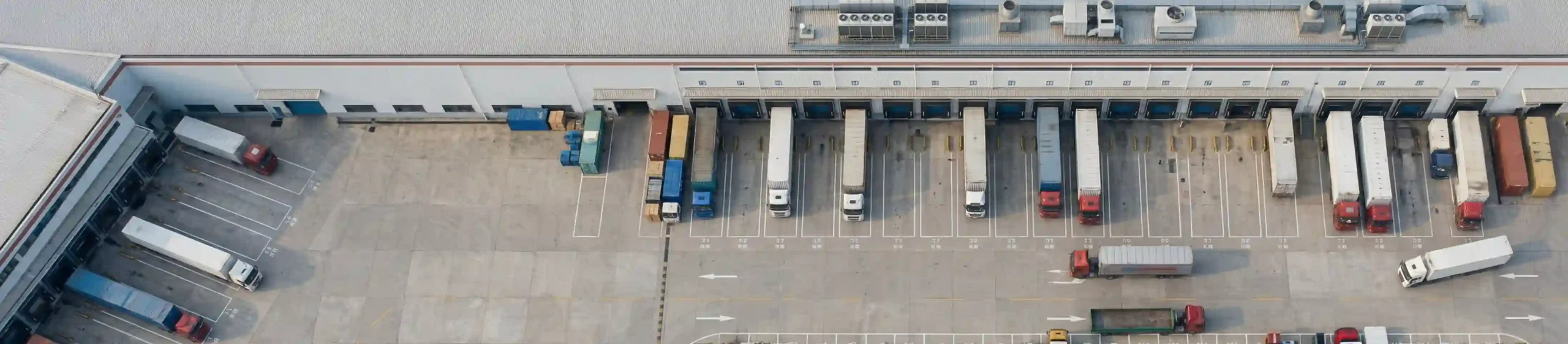
Cargo can sit in a warehouse area while that movement is still open. The photograph is a reminder that parcels can wait in operational custody without turning the wait into a bonded warehouse program. Discharge and close-out are later questions. Arrival notice starts a clock. It does not, by itself, prove that the goods have been entered, exported, or otherwise closed under the official rule.
When does in-bond movement end, and can goods still be entered later?
In-bond movement does not last forever after arrival.
Once the merchandise has arrived, the merchandise must either be entered or exported within 15 days of arrival or it will be subject to General Order and required notifications must be provided.
That statement appears in the official Changes to the In-Bond Process rule. The current regulation uses a close-out window that also names foreign-trade zone admission.
Merchandise must be entered, exported, or admitted to a foreign-trade zone pursuant to this part within 15 calendar days from the date of arrival of the entire in-bond shipment at the port of destination or port of exportation.
You can check that wording in 19 CFR Part 18. This page will not compute day 15 for a named shipment, and it will not decide whether General Order already applies.
Do not assume that goods in an in bond shipment can never be imported later, and do not assume duties are avoided forever. Official close-out options include entry, export, or admission to a foreign-trade zone. If someone sold the move as a permanent waiver of import duties, treat that as a commercial claim to test against the official close-out options. Later entry is one of those options. Export is another. This page will not choose among them for you.
What evidence should you collect before goods move in bond?
Before goods move in bond, collect the in-bond record or application, a clear goods description, the planned route, and later arrival or discharge evidence. Keep a copy of the in-bond application or the equivalent movement record with that file. A bill of lading alone may show custody. It may not show whether anyone reported official arrival or whether anyone closed the movement.

Next, write down the type name on the record, the ports on the route, and the parties who say they will report arrival. Keep the commercial invoice and a goods description that a later reviewer can match to the cargo. If the move is part of a longer China-to-US plan, the same file should travel with the freight paperwork. A China-to-US shipping route still needs those in-bond papers when the cargo will move under customs control after arrival. A freight forwarder for China-to-US cargo can help you keep the commercial file organized. Even then, official reporting stays with the parties and systems named in the official rule, not with this page.
If a status page and an email disagree, keep both. Gaps in the record are a reason to ask questions early, not a reason to invent a close-out date.
For instance, arrival or discharge evidence can be an official status print, a broker confirmation, or another record that names the port and the date. A photo of a warehouse pile is not that proof. Keep the papers in one place so a later reviewer does not have to reconstruct the move from chat threads.
When should you ask a licensed broker or check official CBP materials?
Consult current official CBP materials and 19 CFR part 18; do not treat a commercial blog as a filing recipe or as the official amount, deadline, or path due. Start with the live 19 CFR Part 18 text and the official Changes to the In-Bond Process rule, then confirm that the wording you are using is still current. This page will not file an application, and it will not quote a payable amount.
Ask a licensed customs broker about a live shipment. This page does not act as a licensed broker. Use licensed help when parties dispute the type, when arrival reporting stays unclear, when a close-out date looks close, or when someone asks you to treat deferred duty as a permanent waiver.
This public walkthrough shows how an ACE in-bond shipment can appear inside an eManifest tool. The title of that video is "How to Create an ACE eManifest with an ACE In-Bond Shipment in BorderConnect Using a Mobile Device." Use it as orientation only. It is not a filing recipe for the shipment in front of you.
https://www.youtube.com/watch?v=X1Q5gUFfQWs
If the facts still will not line up, stop and get licensed review before anyone transmits a guess.
Conclusion
Plan an in bond shipment as customs-controlled movement, not as a cleared import and not as a storage program. Keep the official type, the route, and the arrival or discharge evidence together. Therefore, check current official CBP and eCFR materials, and get licensed help when the record, the date, or the close-out path remains unclear. You can also start from RuntoDropship if you still need a shipping path around that planning work.
This page will not file the movement. It will not assign liability. It will not act as a licensed broker. Use it to prepare the evidence, then let official sources and qualified review do the work this guide cannot do.
FAQ
Does arrival at a US port mean the goods are already cleared?
No. Arrival can place goods under customs control without completing entry. A port arrival scan is not a clearance decision, and it does not prove that duties have been assessed or paid. This page will not declare a named shipment cleared.
If cargo sits at a warehouse in bond, is that storage?
Not by itself. Cargo may wait in operational custody while an in-bond movement is still open. That wait is not automatically bonded-warehouse storage, and this page will not treat it as a storage program.
Does moving goods in bond mean I already have a customs bond?
No. The movement and a customs bond are different things. A bond is a security instrument. The fact that goods are moving in bond does not, by itself, prove which bond is in place or that your paperwork is complete.
If carrier and broker disagree, whose arrival record do I keep?
Keep both accounts, plus the underlying movement record. A carrier status line and a broker email can disagree without settling the official notice question. This page will not decide which party was right in a live dispute.
If the path began as export, can the goods still be entered later?
Do not assume the first path name has locked the goods out of later entry. Official close-out options after arrival can include entry, export, or foreign-trade zone admission. This page will not choose that option for a named shipment.