

You face a “3PL vs in house logistics” decision after another week of packing orders around the rest of your business. A provider quotes pick fees, storage charges and shipping rates. Your own costs sit across payroll, rent, software and evenings spent clearing the backlog. An incomplete comparison can leave you paying for two operations while the same service problems continue.
The choice between a 3PL and an in-house operation comes down to who can perform the same agreed work at an acceptable cost and service level. Choose external execution when a provider can demonstrate the required scope and your business can support the arrangement. Keep work internal when your people, space and processes can meet those requirements. Compare both against your actual commitments before choosing a model or splitting the work.
What must you compare before choosing a fulfillment model?
Compare the same products, orders, destinations, service requirements and period under both fulfillment models. Here, in-house fulfillment means your team directly runs the daily physical work; a 3PL performs the tasks included in its agreed scope. Neither label tells you everything included in a proposal.
Use the complete order fulfillment process to identify which receiving, storage, preparation, dispatch and returns activities belong in your comparison. Otherwise, a low dispatch price can leave other required work sitting with your team.
What belongs in the shared brief?
Prepare one brief for the internal plan and every external proposal. Orders with several items, special handling or wholesale requirements can create different work from a simple parcel order, even when the daily order count matches.
- Record orders, units per order, active products and the work in ordinary, quiet and peak periods.
- Describe parcel sizes, destinations and the service customers require.
- Specify receiving checks, storage conditions, packing instructions and physical returns work.
- Identify who releases work, approves exceptions and confirms completion.
For a conceptual overview, ASU's supply-chain introduction explains how people, packaging, facilities and transport contribute to the wider operation. Its classroom examples explain scope rather than current fulfillment prices. Key Takeaway: Send the same brief with both quote requests so an omitted task cannot masquerade as a saving.
Which costs change when you switch between 3PL and in-house?
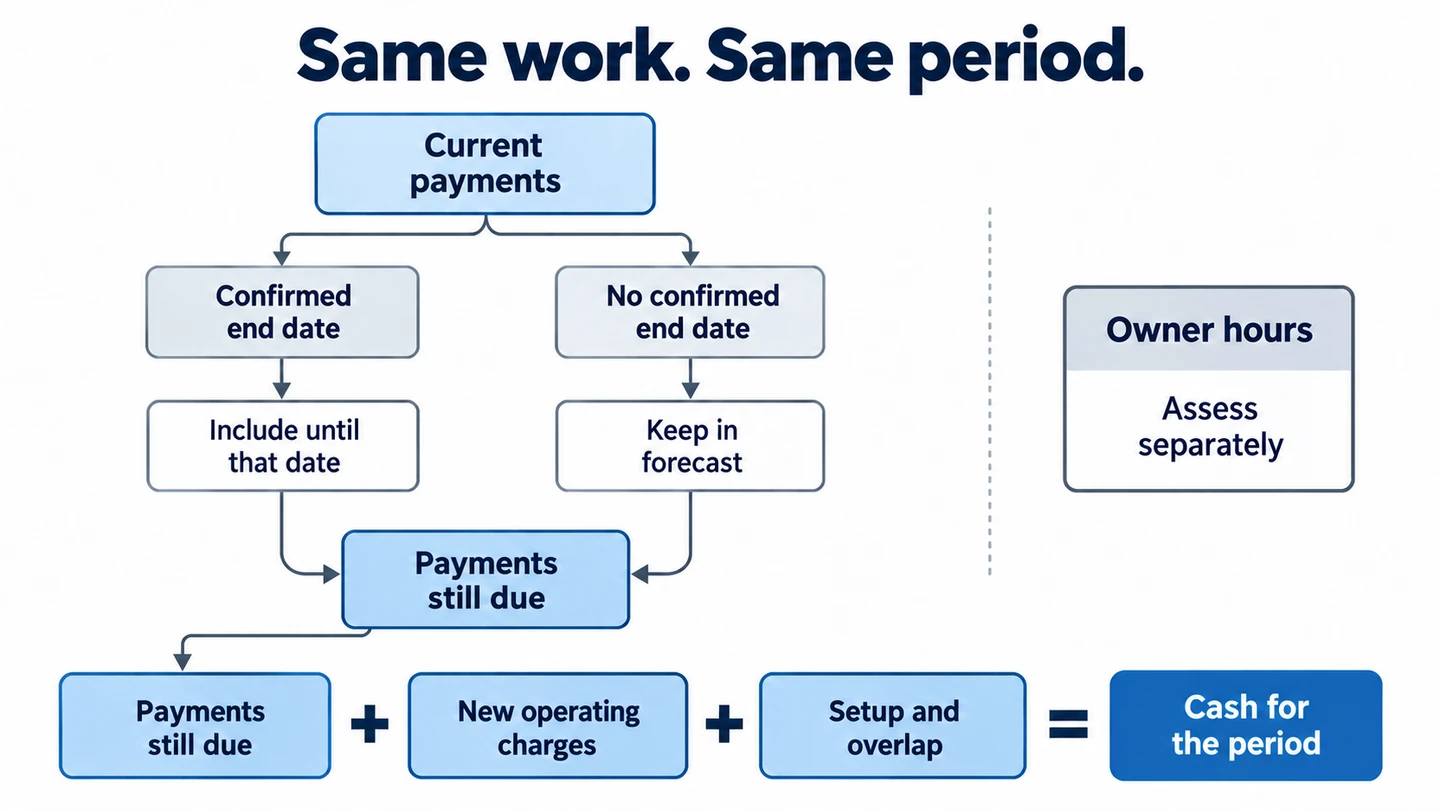
Compare the payments that each option creates within the same period, including commitments that continue during a switch. The SBA separates one-time expenses from monthly expenses such as salaries, rent and utilities. BLS defines total compensation as employer costs for wages, salaries and employee benefits.
Separate payments, commitments and owner time
For each current payment, record its amount, what can end and the confirmed end date. Add the proposed operation's charges for the same brief, together with setup, stock movement and any period of overlapping work. A lease that remains payable after stock leaves still belongs in that period's cash forecast. Apply the same check when moving from a provider into your own space.
- Include applicable employee benefits and the hired cover your staffing plan needs.
- Keep owner hours visible alongside the work that remains after outsourcing.
- Record released time separately from cash savings; fewer packing hours do not automatically reduce a payment.
| Decision entry | Evidence to obtain | Treatment within the chosen period |
|---|---|---|
| Existing payments | Current amount, confirmed release date and remaining obligation | Keep amounts still payable; remove only costs that can actually stop |
| New operation | Scoped charges and their billing start dates | Include every required task under the same workload |
| Changeover | Setup, stock movement and overlapping operations | Show these separately from recurring charges |
| Owner time | Hours retained or released under each option | Assess available capacity separately from the cash total |
Check minimum spending and small-account commitments against a quiet-period proposal as well as a busy one. Key Takeaway: Confirm when the largest payments can stop before treating them as money available to fund the move.
Can your team handle normal demand and peak weeks?
Treat in-house fulfillment as feasible only when your staffing, space and working methods can handle the actual workload, including absences and relevant peaks. Apply the same evidence standard to a 3PL's proposed capacity instead of assuming it can absorb unlimited demand.
Can the plan cover absences and a busier week?
A packing rate alone leaves receiving, replenishment, stock checks and exception work unaccounted for. List who will do those jobs while orders continue to arrive. OSHA identifies materials handling, ergonomics and powered industrial trucks among warehousing hazards. Assess the equipment and safe procedures your particular operation needs.
- Name the people responsible for daily work and cover during illness or leave.
- Check whether receiving and dispatch compete for the same people or floor space.
- Examine peak work using the actual basket and handling mix.
- Ask a proposed provider to confirm what work and peak conditions it accepts.
Treat the estimate as unverified until you have suitable evidence for the proposed operation. Avoid choosing a model from a universal monthly-order threshold: a product range with complicated handling can need a different plan from a simple, repeatable assortment. Key Takeaway: Require a credible cover and peak plan before approving either option's capacity.
Which service decisions and risks will you still own?
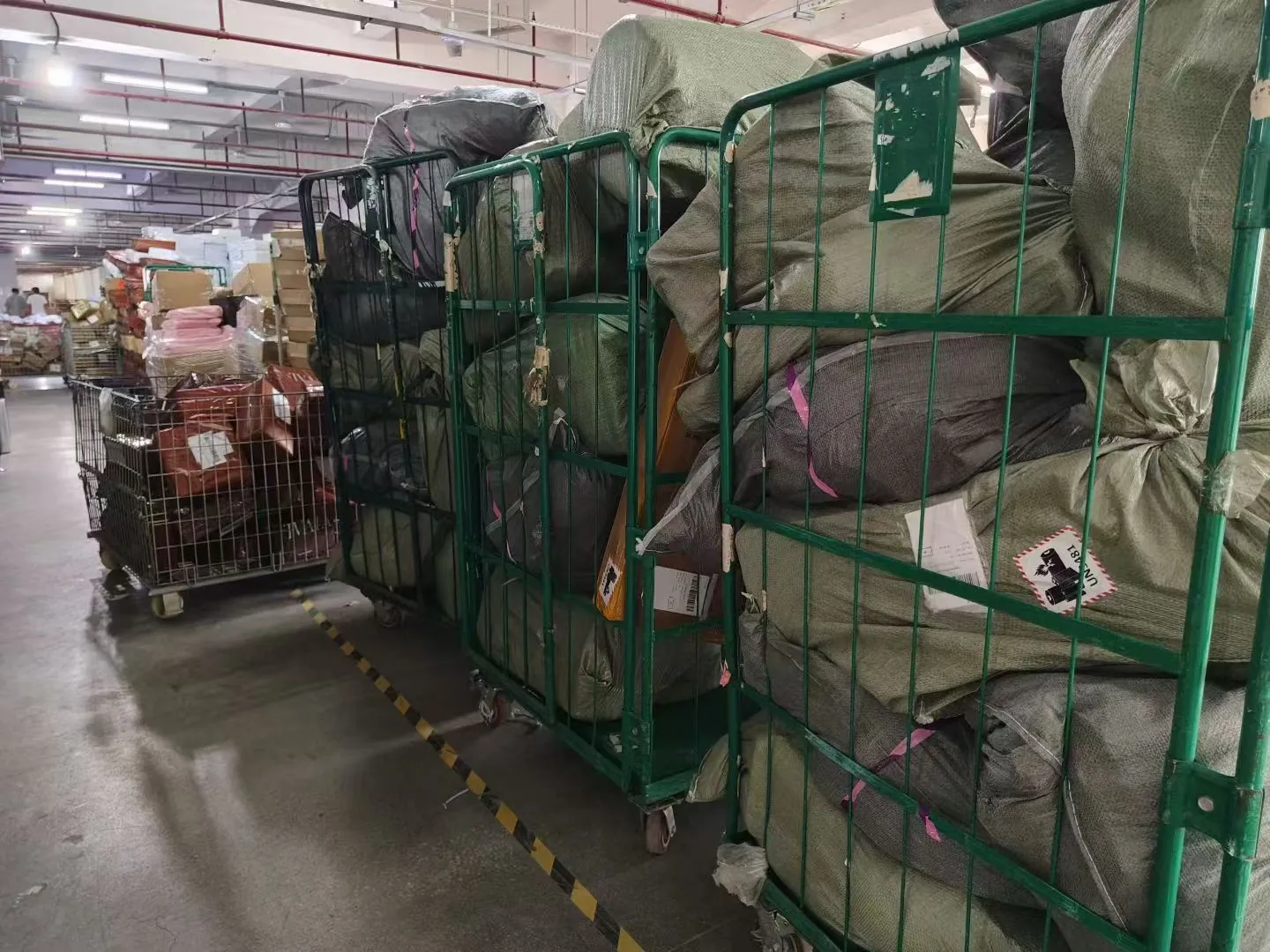
You still need named decision owners, usable operating evidence and agreed exception handling when physical fulfillment moves outside your business. Compare control through specific actions and records: who can approve a change, see a discrepancy and obtain a response?
Keep decisions and physical work separate
In its 2024 annual report, Allbirds said it relied on third-party logistics providers for its distribution centers. The same filing warned that expanding its logistics network could strain its managerial, financial and operational resources. Budget the seller-side approvals, coordination and exception work your own arrangement requires.
- Name who approves substitutions, holds and changes to packing instructions.
- Confirm which order and stock records each responsible person can access.
- Agree who investigates discrepancies and who can authorize the next action.
For physical returns handling, specify the inspection work you want performed and who authorizes the disposition decision. Cost those responsibilities under both alternatives. Key Takeaway: Make the decision owner and required evidence part of the scope you ask each operator to accept.
Would a different 3PL solve the problem?
A different 3PL may fit better if the problem is a particular provider's scope or execution rather than a requirement to operate internally. Investigate the specific mismatch before committing to a warehouse and staffing plan.
Check the cause before choosing a remedy
Choose a documented issue, such as late order release, unexplained stock differences or insufficient access to order actions. Compare the agreed requirement with the actual records and establish what remains unknown. If your team needs to release held orders, ask each option to demonstrate the required access and authority. A portal demonstration should show that action working for the intended user.
- Repair the arrangement: Can the current operator accept a corrected process or scope and demonstrate the result?
- Change the provider: Can another operator meet the same requirement with a clear price and evidence?
- Bring work inside: Can your team supply the people, tools and service needed to resolve that same issue?
Keep 3PL service scope and provider responsibilities clear while comparing those routes. An incomplete product record or unclear approval rule may also need correction under any model. Key Takeaway: Take the failure evidence into the next supplier discussion before treating a change of operating model as the remedy.
When can a hybrid fulfillment model make sense?
A hybrid model can fit when a defined work package has a clear owner and handoff, and the combined arrangement meets the same service requirement. Splitting work also needs a combined budget, including coordination and any duplicated overhead.
Split one work package at a clear handoff
You might retain a specialist preparation task while another operator handles an agreed shipping workload. A seller sourcing products from China might also discuss China-side fulfillment coordination as a separate upstream work package. Keep that scope separate in both budgets so it does not quietly change the destination or delivery requirement being compared.
- Define the products or work assigned to each party and where the boundary falls.
- Name the event and record that confirm each physical handoff.
- Assign exceptions that cross the boundary and include the resulting management work.
Ask both parties to accept the combined plan. A split with an unowned exception can leave your team coordinating work it thought it had transferred. Key Takeaway: Approve a hybrid only when the handoff responsibilities and combined cost are clear enough to compare with the other viable options.
How should you test a switch before committing?
Test a limited, agreed set of representative work against the service, records and charges you need before moving all fulfillment activity. Set the acceptance conditions in advance so the decision follows evidence from the proposed operation.

What would make you approve or stop the change?
Include ordinary work and relevant awkward orders rather than testing only the easiest parcel. Agree who will run the check, which records will be available and how discrepancies will be resolved. Confirm the trial and changeover terms with the parties involved; a trial needs its own agreed scope and cost.
- Reconcile the stock and orders included in the agreed check.
- Record receipt, order release, packing and evidence of carrier handoff against your required service.
- Review exceptions, rework and the actual charges for the tested work.
- Confirm continuing commitments, stock access and the proposed changeover window before authorizing more work.
Resolve critical discrepancies before expanding the proposed arrangement, and update the comparison when the actual charges or retained workload differ from the plan. A successful small batch supports that tested scope; assess the remaining peak and workload conditions separately. Key Takeaway: Use the trial records to approve, revise or pause the proposed move.
Conclusion
Choose a fulfillment model by comparing matched work, changing cash costs, feasible capacity and retained service decisions. Establish whether the problem calls for a repaired arrangement, another provider, internal execution or a defined split before funding the change.
RuntoDropship is a Private Dropshipping Agent that can coordinate China-side sourcing, quality checks and order fulfillment. To compare outside help with in-house work, share your order profile, required service and the work you want help coordinating with our China dropshipping agent for sellers shipping in-house. Our starting point is an agreed scope and named responsibility for the work.
FAQ
Can I use my own carrier account with a 3PL?
Only if the provider and carrier support the arrangement. Agree the permitted services, who creates labels, how billing adjustments are handled and who manages claims. Compare the complete charge, including any provider fees, before assuming your own account will cost less.
Can customer gift messages still appear on the packing slip?
They can if the agreed workflow carries the message into the printed document. Ask for a sample slip produced from an actual test order using the intended message field. Confirm the result before offering the feature; storing a message on an order does not establish that it will print.
Can returns go to my office instead of the fulfillment warehouse?
Possibly, if the parties agree the return route and stock-record process. Confirm the receiving address, who assesses the item and where its condition and quantity will be recorded. Check that the record identifies the actual location before treating any returned units as available stock.
Can customers still collect orders locally if I outsource shipping?
Only if you preserve a supported collection arrangement. Confirm the pickup location, stock reserved there, customer access and how the collection choice appears to buyers. Obtain agreement before assuming customers can visit a 3PL facility or collect items allocated to another location.
Can I use CSV transfers instead of a custom API connection?
Possibly, when both parties support the file format and its timing meets your service needs. Agree transfer frequency, acknowledgements, duplicate handling and returning stock and tracking data. Rehearse missing or rejected files; acceptance of a CSV file alone does not establish that the workflow meets your dispatch deadline.